 EN
EN

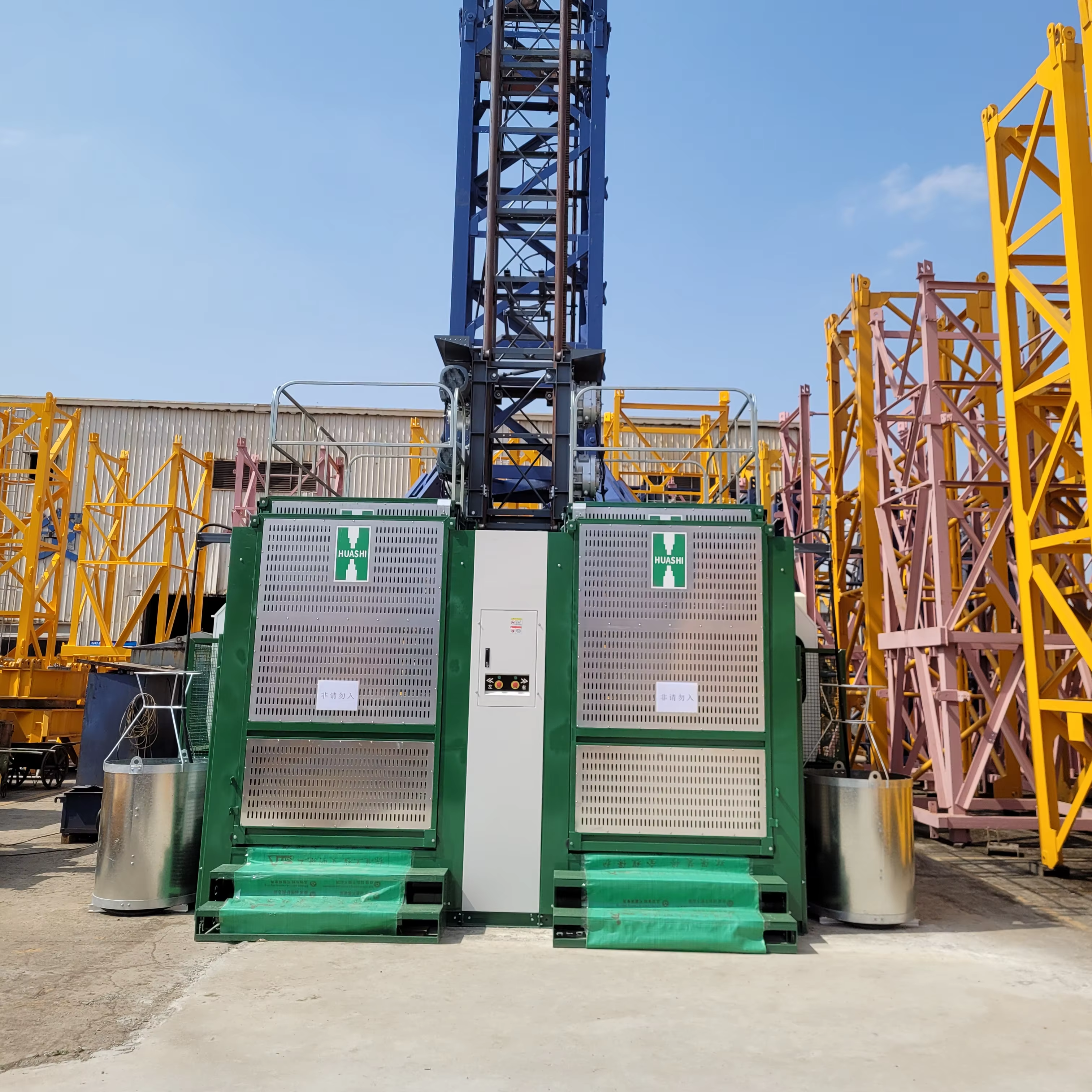
Electrical and Control System Failures in Construction Elevator Hoists
Symptoms: Unresponsive hoist, erratic control behavior, or unexpected shutdowns
Operators run into all sorts of problems while working these machines sometimes. Controls get stuck, responses lag behind commands, or the whole system just stops dead in its tracks without any notice whatsoever. When this happens, hoists start acting strangely too. They might completely ignore what the operator wants them to do, move in directions nobody intended, or stop right in the middle of lifting something heavy. This kind of malfunction isn't just annoying it actually slows down work across the site and creates real safety risks whenever there's weight hanging up high above ground level. Getting ahead of these problems matters a lot. According to recent research on lifting gear reliability from last year, about 4 out of every 10 project delays related to hoists come down to electrical issues that weren't caught early enough.
Root Causes: Power supply instability, PLC faults, emergency stop circuit degradation, and sensor misalignment
When sites have poor power infrastructure, voltage fluctuations are common and they often mess up how Programmable Logic Controllers (PLCs) work, leading to all sorts of logic errors when lifts sequence through their motions. The emergency stop circuits tend to corrode over time, especially where there's lots of dust floating around and moisture getting into places it shouldn't. This corrosion creates false triggers that can shut down entire systems at random moments. Then there's the problem with position sensors that aren't properly aligned. These faulty readings get fed into control algorithms and just make everything worse. To fight these issues head on, maintenance teams should do infrared scans every three months looking for hot spots in electrical panels. Limit switches and encoders need checking twice a year for proper calibration too. And don't forget about testing those backup power transfer systems under load conditions. These steps actually work pretty well. Studies indicate they stop most of the big system failures that cause unexpected downtime, accounting for roughly two thirds of all unplanned interruptions in facilities with lots of hoisting equipment running constantly.
Mechanical Performance Degradation: Slow, Jerky Motion and Abnormal Noises
Indicators: Irregular acceleration, grinding, squealing, or lateral vibration during operation
Operators should immediately investigate these warning signs:
- Grinding or squealing noises, indicating metal-on-metal contact from insufficient lubrication
- Lateral vibrations, suggesting misaligned guide rails or unbalanced loads
- Irregular acceleration, revealing inconsistent motor torque transmission
- Jerky starts/stops, signaling drive gear slippage or cable tension issues
Ignoring these symptoms risks catastrophic failure; unaddressed vibrations, for example, accelerate component fatigue by 300% in high-load scenarios.
Underlying Drivers: Wear on guide rails, drive gears, cable sheaves, and overload-induced stress
Four primary factors cause mechanical degradation:
- Guide rail wear: Misalignment increases friction, causing jerky motion—observed in 68% of hoist failures
- Drive gear deterioration: Worn teeth create slippage and grinding during load transitions
- Cable sheave erosion: Groove deformation induces cable vibration and operational noise
- Chronic overloading: Exceeding 110% rated capacity strains bearings and deforms structural components
Proactive maintenance of these components prevents 92% of motion-related failures. Regular torque testing and laser alignment checks extend service life by 40% compared to reactive repairs.
Door Operation and Leveling Failures in Construction Elevator Hoists
Common Manifestations: Incomplete door cycles, misaligned landings, or repeated re-leveling attempts
On a regular basis, operators notice issues with doors not closing properly - sometimes they start to open before finishing their cycle, other times they get stuck halfway through. There are also cases where there's a gap bigger than 5 centimeters between the elevator car and the floor itself because the landing isn't aligned correctly, which has been responsible for quite a few workplace accidents over the years. When the hoist system misses its mark either going too far or stopping short of the intended floor level, it keeps trying to adjust repeatedly. This whole process eats away about three to seven extra minutes on each trip, cutting into overall efficiency while also creating real safety concerns for everyone involved.
Contributing Factors: Faulty proximity sensors, worn door actuators, and degraded leveling switch calibration
According to research on vertical transportation systems, around 42 percent of all door malfunctions can be traced back to sensor misalignment issues. When dirt builds up or there's physical damage to sensors, they simply cannot detect door positions accurately anymore. The problem gets worse when door actuators start wearing out because they no longer generate enough force to push past track blockages or deal with bent rollers. Magnetic switches tend to lose their calibration over time too, especially after going through tens of thousands of operation cycles. Guide rails that deviate more than 3 millimeters per meter combined with stretched cables create even bigger headaches for maintenance teams who end up having to constantly readjust levels. That's why regular checks on these critical components are so important if we want to avoid those frustrating chain reactions of equipment failure.
Preventive and Predictive Maintenance Strategies for Construction Elevator Hoists
Compliance-Driven Inspections: Aligning with OSHA 1926.552 and ANSI A10.4–2022 standards
Following OSHA 1926.552 and ANSI A10.4-2022 standards is essential for keeping hoists running safely. The rules require checking load bearing parts every month, getting safety systems certified once a year, plus keeping records on all those structural tests. Companies that skip these steps face real trouble though. Plants can get shut down completely, and fines from OSHA run around $74k for each violation based on last year's data. Most shops find that using standard checklists catches problems before they happen. Industry stats show these simple lists stop about 9 out of 10 mechanical issues caused by missed checks during routine maintenance.
IoT-Enabled Predictive Monitoring: Real-time diagnostics and 37% average downtime reduction in pilot deployments
Sensor networks are changing how maintenance gets done, moving away from fixed schedules toward fixing things only when needed. When it comes to spotting problems early, vibration checks and heat scans can catch issues like worn bearings as much as two days before something breaks down completely. They also pick up on motor problems even when efficiency drops just 10%. Companies running these systems report some pretty impressive results too. Early warning systems cut unexpected stoppages by around 35-38% according to field tests. At the same time, workers spend about 30% less time doing routine inspections, which means they can focus on other important tasks. Plus there's been a noticeable drop in workplace accidents since implementing these smart monitoring solutions.
FAQ
What are the common symptoms of electrical and control system failures in construction elevator hoists?
Common symptoms include unresponsive hoists, erratic control behavior, and unexpected system shutdowns.
What preventive measures can help reduce mechanical performance degradation in elevator hoists?
Regular torque testing, laser alignment checks, and proactive maintenance greatly reduce the risk of motion-related failures.
How can companies ensure compliance with safety standards for construction elevator hoists?
By aligning with OSHA 1926.552 and ANSI A10.4-2022 standards through regular inspections and record-keeping of structural and safety system tests.
Table of Contents
- Electrical and Control System Failures in Construction Elevator Hoists
- Mechanical Performance Degradation: Slow, Jerky Motion and Abnormal Noises
- Door Operation and Leveling Failures in Construction Elevator Hoists
- Preventive and Predictive Maintenance Strategies for Construction Elevator Hoists
- FAQ