 EN
EN

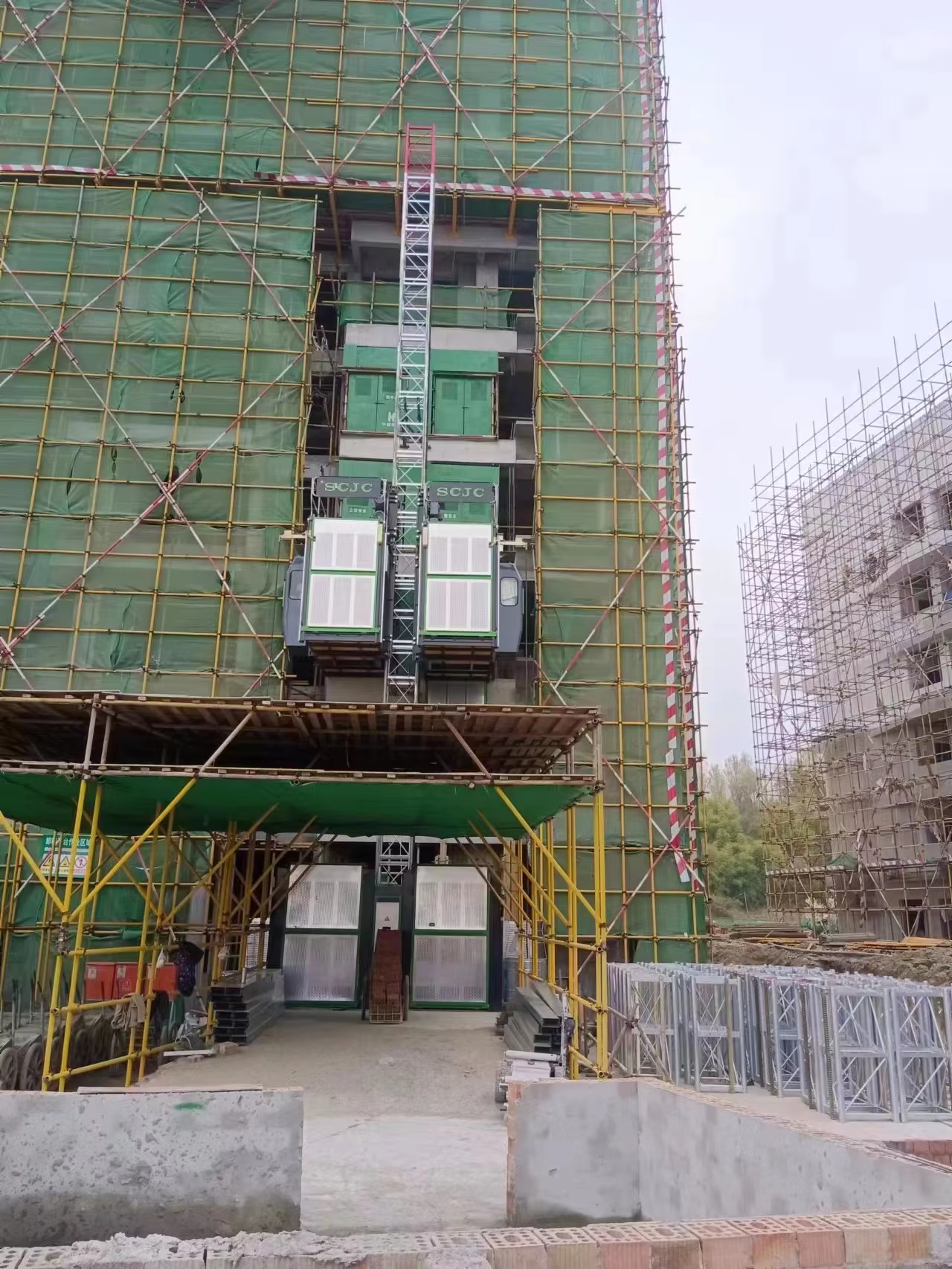
Regulatory Compliance and Safety Certification for Construction Elevators
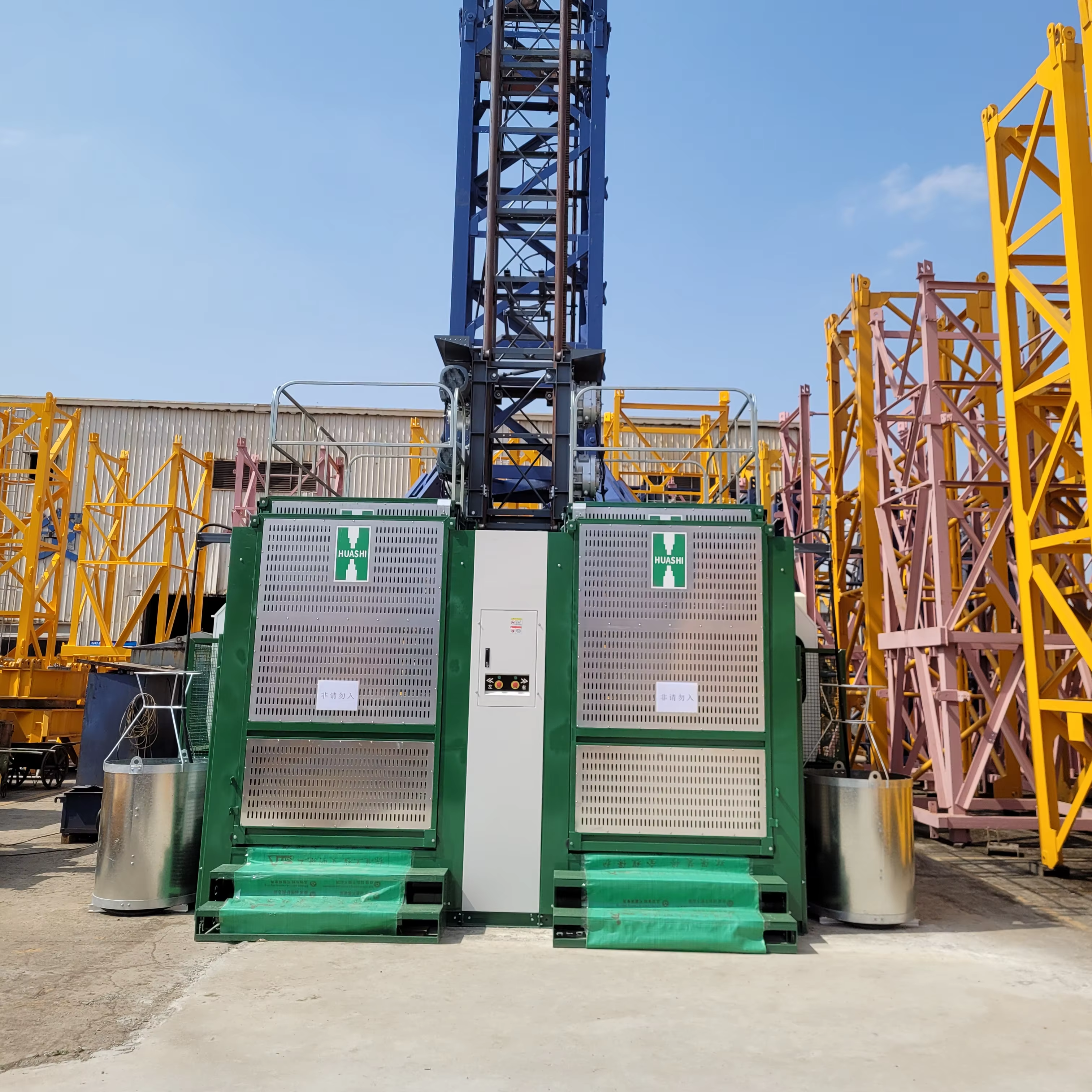
ASME A10.4–2023, OSHA, and Local Code Requirements
Running a construction elevator requires following all the latest safety rules pretty much without exception. There's the ASME A10.4-2023 standard that covers everything from how these lifts are designed to their actual performance during operation and regular testing protocols. Then there's OSHA 1926.552 which lays down the law on things like fall protection systems, guardrails around platforms, what to do in emergencies, and how often equipment needs checking. And don't forget local authorities usually throw in extra requirements too - sometimes about building structures, electrical systems, or even fire safety measures. Ignoring any of these can lead to serious cash penalties, with OSHA hitting companies with fines as high as $14,502 for each rule broken back in 2024. Before getting started on site, it's absolutely essential to double check that all those certification documents including ones from independent inspectors actually match what's required by both state laws and city ordinances where the work will take place.
Essential Safety Systems: Overspeed Governors, Emergency Brakes, and Door Interlocks
Today's construction elevators come equipped with multiple safety layers that work together to cut down on accidents by around 40% when everything is installed correctly according to regulations. When things go wrong, overspeed governors kick in to stop the elevator from falling uncontrollably during power outages or mechanical failures. These governors can activate either mechanical or hydraulic emergency brakes depending on the design. The door system is another critical part of the safety package. Doors won't let the elevator move until they're completely shut and secured. According to the latest ASME guidelines from 2023, all these safety features need to pass checks by outside experts before the elevator goes live, and regular testing has to happen during each maintenance visit to ensure continued reliability.
Load Capacity and Application Fit for Your Construction Elevator
Aligning Rated Capacity with Project Scope: Weight, Dimensions, and Building Height
Getting the load capacity right matters a lot for keeping schedules on track and controlling costs. The elevator needs to handle those peak loads safely when everything gets packed in together - think wet concrete mixes, big chunks of structural steel, all sorts of heavy tools plus maybe four workers crammed in there. For buildings taller than 30 floors, most folks start looking at around 5,000 pounds capacity as a baseline. Mid rise jobs usually need somewhere between 3,000 and 4,000 pounds though. When dealing with oversized stuff like precast wall panels, make sure the elevator car is at least six feet wide and doors open up to five feet clear space. Not enough capacity means extra trips back and forth which burns through about 15% more fuel and slows down the whole operation. Too much capacity just wastes money upfront and increases maintenance expenses without really helping operations much. As buildings get taller beyond 20 stories, travel speeds become critical too. Most contractors find they need elevators moving at least 160 feet per minute to keep things running smoothly vertically, which requires stronger brakes and better governor settings in practice.
Freight-Only vs. Dual-Use (Passenger/Freight) Construction Elevators: Structural and Certification Differences
Freight-only elevators serve material transport exclusively and comply primarily with OSHA 1926.552 and ANSI/ASME A10.4. Dual-use (passenger/freight) units must meet the more rigorous ASME A17.1/CSA B44 safety code for permanent passenger elevators–adding 20–30% to acquisition and commissioning costs. Key distinctions include:
- Structural: Dual-use cabins feature reinforced framing, vibration-dampening mounts, and emergency lighting per ASME A17.1 §2.27.
- Safety systems: Passenger variants require dual independent braking systems, two-way emergency communication (intercom), and automatic leveling within ± ¼ inch–none of which are mandated for freight-only models.
-
Inspections: Dual-use hoists undergo monthly certified inspections by qualified elevator inspectors; freight-only units follow quarterly OSHA-mandated checks.
Choose freight-only for dedicated material logistics–but if workers regularly ride the hoist, dual-use certification is non-negotiable. Using a freight-only unit for personnel violates OSHA 1926.552(c)(1) and exposes contractors to penalties exceeding $15,000 per violation.
Site-Specific Installation Feasibility and Integration
Before bringing in any construction elevator equipment, thorough planning is essential to work around the unique limitations of each job site. An experienced elevator technician will typically perform a detailed site check looking at things like available space, how strong the building structure is, what kind of soil we're dealing with, where utility lines might be running nearby, and if there's any slope to contend with. These observations help figure out where exactly to place the elevator and what kind of base it needs. The math gets pretty serious when calculating load capacities and reviewing soil reports to decide between regular footings, piles driven into the ground, or maybe even temporary platforms. In tight city environments where there's barely room to move around, getting the timing right for cranes becomes critical, often requiring deliveries during odd hours when traffic isn't so bad. And when working on uneven or shaky ground, extra engineering might be needed for stable foundations or some quick fixes to level things out temporarily.
What happens after installation is all about making sure everything works together smoothly. The process involves getting hoist controls to talk to the site's telemetry systems - think things like real time load monitoring and those GPS dispatch tools we've been seeing more of lately. Safety interlocks need to be built right into the emergency response plans for the jobsite too. And let's not forget about training the supervisors properly on those lockout/tagout procedures required by ASME A10.4 standards. When all these pieces fit together well, it stops work from getting fragmented, saves money by cutting down on expensive mistakes, and keeps everyone compliant throughout the whole duration of the project. Some companies have actually seen their insurance costs drop significantly once they got this coordination right.
Total Cost of Ownership: Maintenance, Support, and Supplier Reliability
Beyond acquisition price, the true economic impact of a construction elevator is captured in its Total Cost of Ownership (TCO)–a lifecycle metric spanning procurement through decommissioning. TCO includes:
- Acquisition costs (equipment, shipping, foundation, rigging, commissioning)
- Operating expenses (energy, lubricants, consumables)
- Maintenance and repairs (typically 15–20% of acquisition cost annually, per industry benchmarks from the Construction Equipment Association)
- Disposal/residual value (often 10–25% of original cost, depending on usage and refurbishment potential)
Evaluating After-Sales Service, Spare Parts Availability, and Technical Support Networks
Supplier reliability directly determines uptime–and ultimately, project profitability. Prioritize manufacturers and distributors who demonstrate proven performance in three areas:
- After-sales service: Confirm documented on-site repair response windows (e.g., ¤4 hours for critical failures). Unplanned downtime costs large-scale projects an average of $740,000 per day (Ponemon Institute, 2023).
- Spare parts availability: Regional distribution hubs stocking high-failure-rate components–hoist motors, PLCs, brake assemblies–prevent multi-day delays.
- Technical support networks: Look for 24/7 remote diagnostics, cloud-based predictive maintenance alerts, and access to ASME-certified field technicians.
Always review service-level agreements (SLAs) for enforceable uptime guarantees, technician certification requirements, and geographic coverage maps–particularly for remote or multi-site projects. A robust support ecosystem isn’t optional; it’s the operational backbone that turns regulatory compliance into sustained productivity.
FAQ
What are the key safety systems in construction elevators?
Construction elevators are equipped with safety systems including overspeed governors and emergency brakes to prevent uncontrolled falls, and door interlocks to ensure doors are securely closed before movement.
What is the importance of load capacity in construction elevators?
Correct load capacity ensures the construction elevator can handle peak loads effectively, without risking schedules and increasing costs. It should align with project requirements such as weight, dimensions, and building height.
What is the difference between freight-only and dual-use construction elevators?
Freight-only elevators are used solely for materials transport and comply with specific OSHA and ANSI standards. Dual-use elevators can transport both materials and personnel, requiring adherence to more rigorous safety codes and higher acquisition costs.
Why is site-specific planning important for installing construction elevators?
Site-specific planning considers the unique limitations of a job site, such as space and structural stability, to determine the best placement and foundation for a construction elevator, enhancing operational efficiency.
How does Total Cost of Ownership (TCO) affect construction elevators?
TCO considers all expenses related to a construction elevator's lifecycle from acquisition to decommissioning, affecting project profitability. It includes acquisition, operating, and maintenance costs, as well as disposal value.
Table of Contents
- Regulatory Compliance and Safety Certification for Construction Elevators
- Load Capacity and Application Fit for Your Construction Elevator
- Site-Specific Installation Feasibility and Integration
- Total Cost of Ownership: Maintenance, Support, and Supplier Reliability
-
FAQ
- What are the key safety systems in construction elevators?
- What is the importance of load capacity in construction elevators?
- What is the difference between freight-only and dual-use construction elevators?
- Why is site-specific planning important for installing construction elevators?
- How does Total Cost of Ownership (TCO) affect construction elevators?