 EN
EN

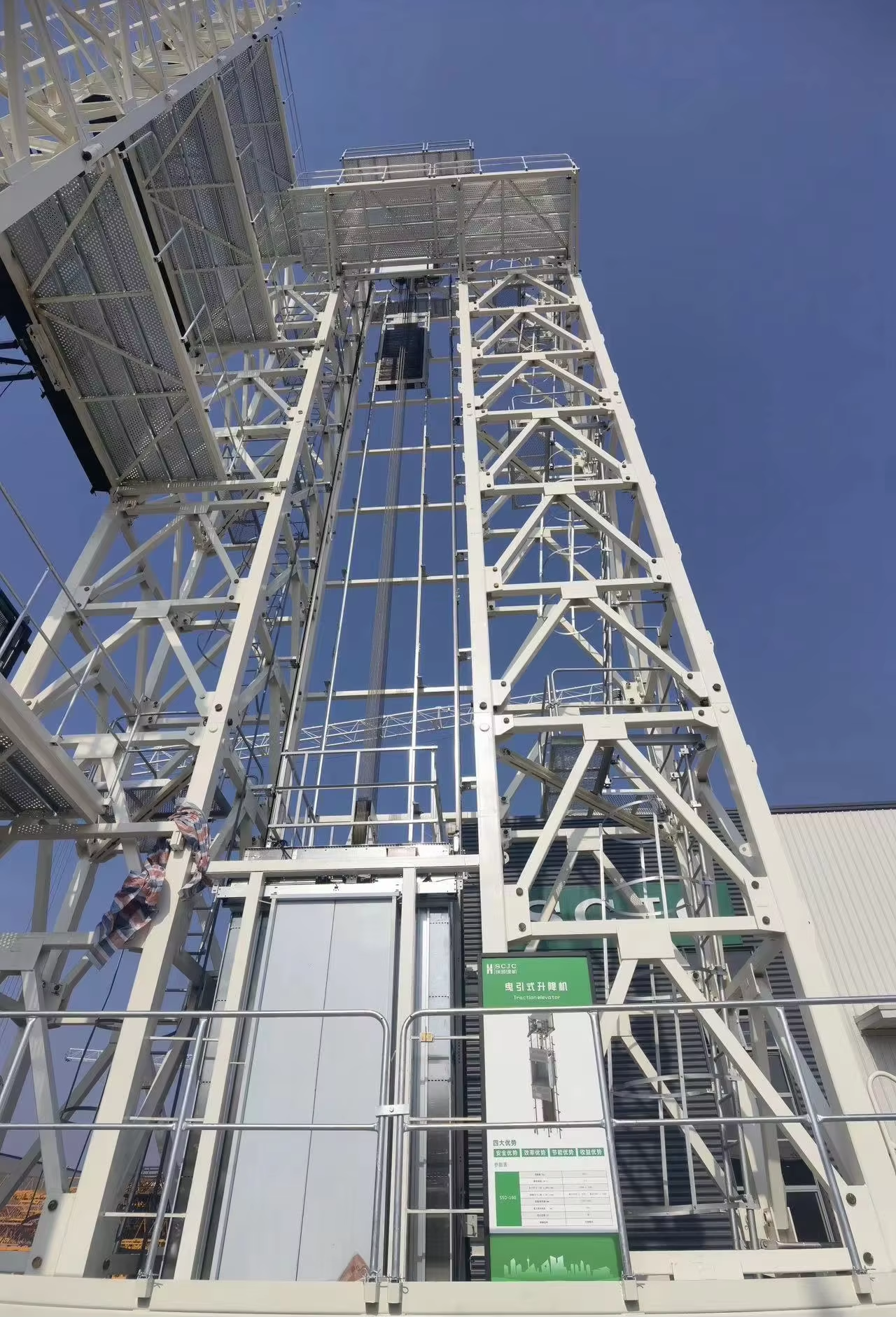
Construction Elevator: Regulatory Compliance and Foundational Maintenance Principles
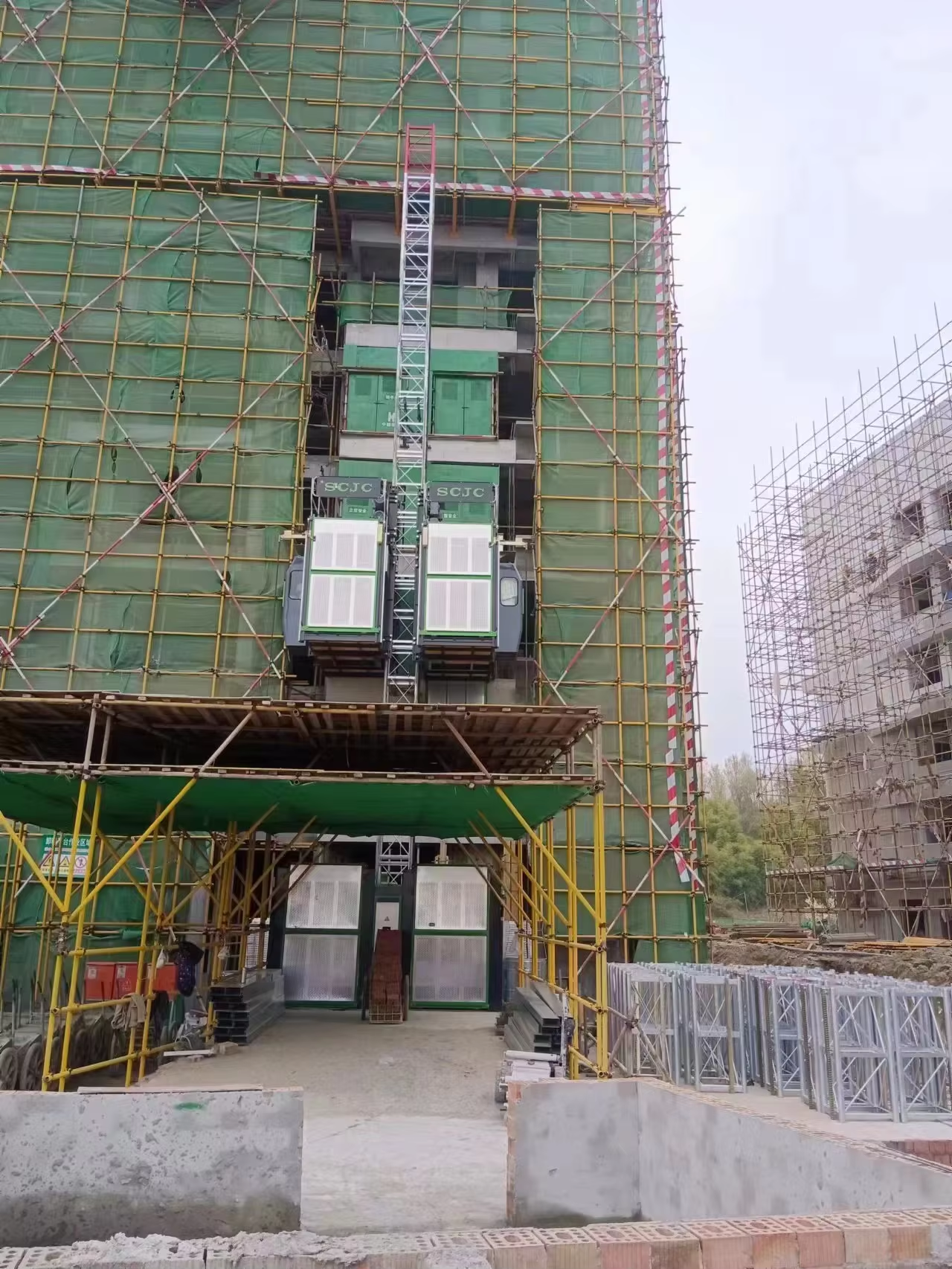
OSHA, ANSI A10.4, and Local Code Requirements for Construction Elevator Safety
Weekly brake calibration and monthly structural bolt inspections exemplify how these standards translate into actionable, auditable practices. Violations carry penalties exceeding $15,000 per incident—risk that systematic documentation and trained personnel reliably eliminate.
Why Preventive Maintenance Reduces Downtime by Up to 45% (NIBS Data)
Regular replacement of parts, proper lubrication, and keeping track of equipment conditions can stop breakdowns that slow down construction work on site. Research from NIBS shows that construction sites which implement predictive maintenance techniques actually see a big difference. These include things like installing temperature sensors in hydraulic systems so they catch changes in fluid viscosity before something breaks completely. Sites doing this report about 45% fewer elevator problems than those waiting for things to fail first. That means around three to five fewer times when projects get delayed each year at these sites. Plus, fixing emergencies becomes much cheaper overall, cutting those unexpected repair bills by roughly 60% in most cases.
Essential Construction Elevator Components and Inspection Priorities
Traction System: Cable Integrity, Sheave Alignment, and Brake Performance Testing
The traction system is the core of safe vertical transport. Inspections must prioritize three interdependent elements:
- Cable integrity: Visual and magnetic particle testing for wear, corrosion, or deformation—factors linked to 70% of hoist failures.
- Sheave alignment: Even a 1° misalignment accelerates cable fatigue by 40%; laser alignment tools are recommended for verification.
- Brake performance: Dynamic load testing at 125% rated capacity must confirm full engagement within 0.8 seconds during emergency stops—per ANSI A10.4-2020 requirements.
Doors and Interlocks: Ensuring Shaft Access Control and Entrapment Prevention
The shaft door interlocks serve as vital safety measures that can literally save lives. Maintenance staff should check these mechanical interlocks every week to confirm they actually stop the cab from moving when doors aren't completely shut and locked down. Sensors need to work reliably even when subjected to constant vibrations and dirt buildup since failed sensors account for around a quarter of all entrapment incidents we see reported. When it comes to access control systems like those using keycards or fingerprint scanners, facilities managers need to run monthly tests just to be sure unauthorized people cannot somehow trigger elevator movements.
Emergency Systems: Alarm Functionality, Emergency Communication, and Power-Fail Response
Emergency readiness hinges on three verified capabilities:
- Alarms must emit ≥85 dB at all landing zones to ensure audibility across noisy construction environments.
- Two-way communication systems require battery backup testing and voice clarity verification across operating temperatures (–20°C to 50°C).
- Automatic Transfer Switches (ATS) must restore power to critical safety circuits within 2 seconds of grid failure—delays beyond this threshold correlate with $740,000 average incident costs (Ponemon Institute, 2023).
Building an Effective Construction Elevator Maintenance Program
Tiered Inspection Schedule: Daily Operational Checks, Weekly Mechanical Verifications, and Monthly Documentation Reviews
A structured, tiered schedule balances rigor with practicality:
- Daily: Quick-start verification of door interlocks, emergency stop buttons, and control panel responsiveness—completed before first use each shift.
- Weekly: Hands-on mechanical assessment—including cable tension measurement, sheave alignment confirmation, and brake response timing under partial load.
- Monthly: Comprehensive documentation review against ANSI A10.4-2020 checklists to identify trends, compliance gaps, or overdue actions.
This approach reduces unplanned failures by 38% and supports NIBS-validated downtime reduction of up to 45%. Consistent, timestamped logs also streamline regulatory audits and strengthen contractual accountability.
Critical Safety Protocols for Construction Elevator Maintenance Personnel
Getting safety right starts with knowing what they're doing. Techs need specific certs for their equipment and should brush up on electrical safety standards (like NFPA 70E) every year along with lockout/tagout protocols and how to handle emergencies in tight spaces. When working on systems, proper LOTO means cutting off everything that could still be energized - not just electricity but also things like hydraulic pressure building up behind closed doors, tension from counterweights waiting to drop, and even those hidden control circuits that sometimes stay live. For protection gear, workers absolutely need full body harnesses connected to lanyards that absorb shocks if someone falls. Hard hats rated for impacts are non-negotiable too. And wherever there's risk of electrical arcs happening, arc flash rated gloves become part of the daily kit. These aren't suggestions folks can skip when it gets inconvenient.
Getting ready for emergencies isn't just about having the right gear. Monthly practice sessions check if automatic transfer switches kick in within 30 seconds, how fast teams can free someone stuck, and whether two-way radios work properly when power goes out. The Occupational Safety and Health Administration wants daily records showing everything from building stability checks to testing those emergency brakes and making sure doors lock correctly. Companies that ignore these rules face fines over $15 thousand for each mistake they make. Industry studies show workplaces following all these safety steps together see around 70% fewer accidents related to maintenance work. That kind of reduction makes a huge difference in keeping workers safe day after day.
FAQ
What are OSHA regulations concerning construction elevator safety? OSHA regulations require adherence to safety measures such as worker fall protection, which includes essential specifications for guardrails and gate clearances. Violations can result in costly penalties exceeding $15,000.
How does preventive maintenance reduce construction elevator downtime? Preventive maintenance involves regular part replacement, lubrication, and tracking equipment conditions, leading to up to 45% less downtime in construction elevator operations, as per NIBS data.
Why are tiered inspections crucial for elevator maintenance? A tiered schedule of inspections, including daily, weekly, and monthly checks, enhances elevator reliability, reduces unplanned failures by 38%, and aids in regulatory compliance.