 EN
EN

What Is a Construction Elevator? Core Definition and Functional Role
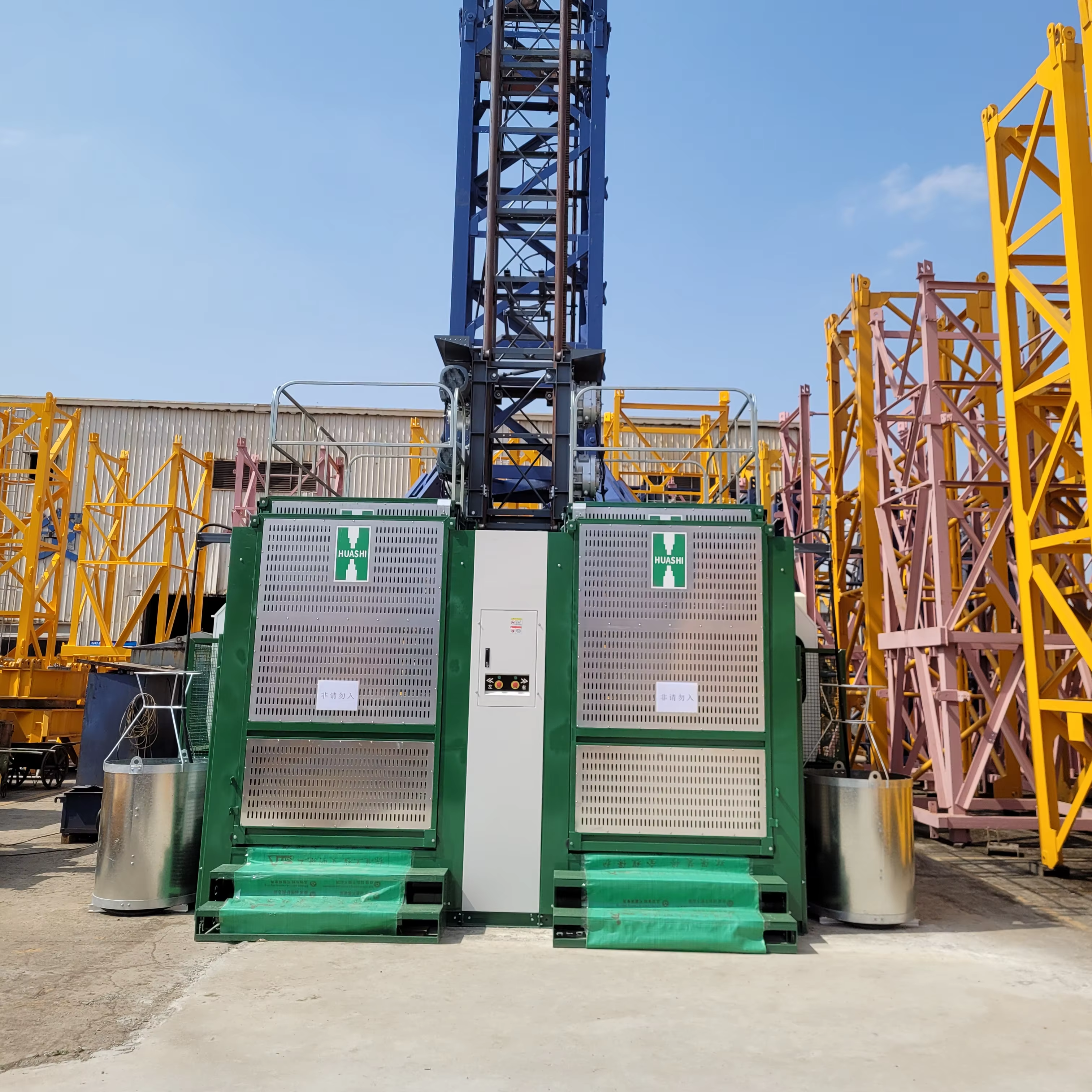
Defining the Construction Elevator: Temporary Vertical Transport Solution
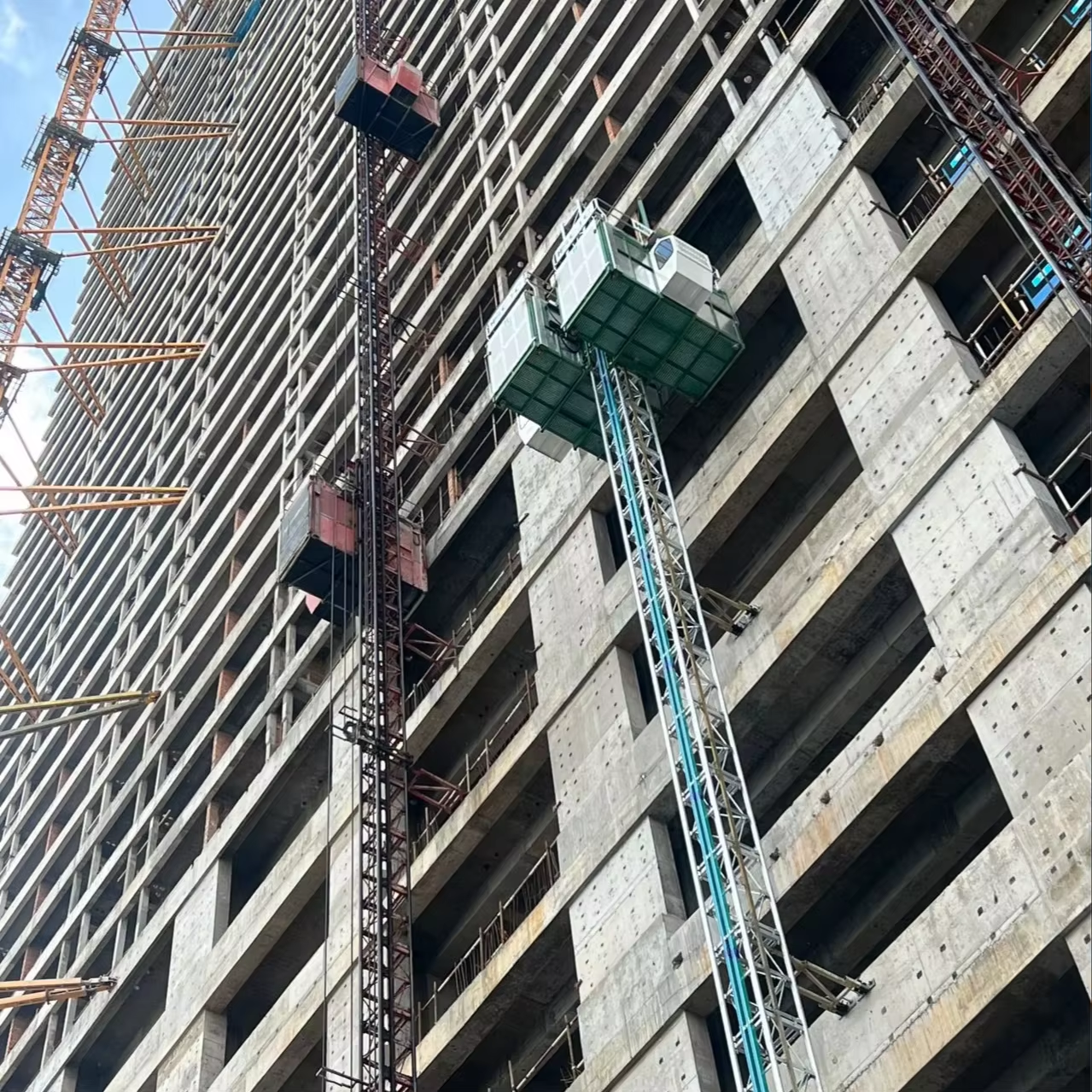
Construction elevators, sometimes called personnel and material hoists, serve as temporary vertical transportation systems mounted outside buildings during high rise construction projects or large scale renovations. These devices carry workers along with their equipment and supplies from one floor to another, eliminating the need for dangerous manual lifting through staircases or across scaffolding structures. What sets them apart from regular elevators is their modular design that allows quick assembly on site and complete removal once the building work wraps up. Safety remains a top priority at construction sites where these hoists operate, but they also make a real difference in how efficiently work gets done day to day, helping keep projects on track without blowing through budget constraints.
How Construction Elevators Differ from Permanent Freight and Passenger Elevators
Construction elevators prioritize ruggedness, adaptability, and rapid deployment over aesthetic refinement or long-term integration. Key distinctions include:
- Design & Installation: Engineered with weather-resistant steel frames anchored to building exteriors—not internal shafts—enabling flexibility across structural phases.
- Operation Duration: Installed for the life of the project only, then removed; permanent elevators are built into the structure for decades of service.
- Safety Systems: Equipped with OSHA-compliant overspeed governors, emergency brakes, and interlocked access gates—but without the cabin finishes or ride comfort expected in public-use systems.
Permanent passenger and freight elevators rely on smooth traction drives and fully enclosed shafts for daily occupancy. In contrast, construction hoists deliver industrial-grade reliability where it matters most: stability under load, resilience in variable weather, and compliance with active-site safety standards.
Types of Construction Elevators and Project-Specific Applications
Material-Only vs. Personnel-Material Hoists: Matching Workflow Needs
Construction hoists fall into two core functional categories—material-only and personnel-material—each serving distinct operational priorities.
Material-only hoists are built for moving those really heavy, awkward loads around construction sites. Think steel beams, big chunks of concrete paneling, or stacked drywall sheets that would be impossible to lift manually. The real benefit comes from keeping workers out of the way while things get moved vertically between floors. This cuts down on the risk of getting hit by something falling from above, which is one of the main safety issues OSHA keeps an eye on at tall buildings under construction. These kinds of hoisting systems tend to shine brightest during the initial stages of a project when crews are working on foundations and putting together the basic skeleton of the structure. At this point in the game, moving massive volumes of materials quickly becomes the number one priority.
Personnel-material hoists let workers and equipment move between floors at the same time, which really speeds things up on job sites. These machines become absolutely necessary when doing interior work, running MEP installations, or during final touches because people need to get around so much. The constant back and forth affects schedules and makes coordination between different trades tricky. For the heavier-duty jobs, dual capacity models come with stronger cabins, two separate braking systems, and better gate locks. All these extra features are there to satisfy those strict OSHA rules about lifts that have people in them. Contractors know from experience that getting these safety aspects right isn't just paperwork it's about keeping everyone safe while still getting the job done efficiently.
Buck Hoists, Rack-and-Pinion, and Cable-Driven Systems for High-Rise and Retrofit Sites
The rack and pinion system works with gears and racks to hold elevators firmly in place at whatever height they need to stop, which matters a lot in tall buildings exposed to strong winds since we really want to minimize any swaying. Cable-driven lifts take up less space overall, making them great choices when trying to update old structures or fit into crowded city spaces where there just isn't room for big outside towers. For budget-minded developers working on medium-sized apartment complexes, buck hoists still tend to be the favorite option because they're straightforward to install quickly, and have stood the test of time through countless residential building projects across the country.
Why Your Project Needs a Construction Elevator: Safety, Efficiency, and ROI
Safety Impact: Mitigating Fall Hazards and Manual Handling Injuries
Construction elevators really cut down on those big safety issues we see on job sites: people falling from heights and getting hurt lifting heavy stuff around. According to OSHA numbers, when workers have to carry materials up and down stairs or ladders, they're almost twice as likely to take a bad fall, especially when going up multiple floors with all their tools and gear. That's where hoists come in handy. These machines basically remove the risk entirely with their sealed platforms, gates that won't open unless it's safe, emergency brakes that kick in automatically if something goes wrong, plus systems that keep track of how much weight is being moved at any given moment.
According to the National Safety Council data, construction sites that implement vertical transport equipment see about a third fewer manual handling injuries each year. This drop translates into real savings for companies when it comes to lost workdays and insurance payouts. Safety isn't just something extra these days either. Modern hoists come equipped with essential protections like backup brakes, fall prevention mechanisms, and automatic shut offs when loads get too heavy. These aren't just nice-to-have features; they're built right into the core design specifications. The industry standards from ANSI/SAIA A10.4-2022 and OSHA regulations under 1926 Subpart M make these safety components mandatory rather than optional upgrades.
Productivity & Cost Benefits: Real-World Data from Residential and Commercial Builds
Integrating a construction elevator consistently delivers double-digit productivity gains and strong financial returns. Field data from Turner Construction shows projects using vertical transport meet deadlines 11% faster on average—and multi-tower residential developments report up to 22% timeline compression when hoists replace stair-based logistics.
An 18-story apartment complex right here in Chicago managed to save around 750 man hours each month simply by getting rid of all that manual material staging work. When looking at bigger projects over 10 floors high, contractors actually start seeing some serious money saved too - somewhere between $18 and $24 per square foot when they cut down on relying so much on cranes and stop wasting time climbing stairs back and forth. What makes this possible? Well, there are a few main reasons behind these improvements. First off, materials arrive exactly when needed at the actual work level. Second, workers can concentrate fully on their specialized jobs instead of constantly moving stuff around. And finally, there's just way less hassle coordinating everything with crane operators who often get backed up during peak construction times.
An ROI analysis for a typical 20-story development indicates full payback within five months—driven equally by accelerated timelines and reduced accident-related costs. When factoring in lower insurance premiums, fewer OSHA citations, and improved subcontractor retention, the long-term value extends well beyond initial installation.
Selecting the Right Construction Elevator: Key Decision Criteria
Picking the right construction elevator means matching what it can do with what the job actually needs, not just looking at specs on paper. First thing to consider is how tall the building will be and what stage of construction we're in. For anything over about 15 floors, rack and pinion systems tend to be the go-to choice because they hold up better against wind forces and offer greater stability during operation. Cable-driven hoists work better when space is tight, especially for older buildings being renovated or new projects squeezed into crowded city blocks where every inch counts. Then there's buck hoists which still perform really well for smaller buildings and apartment complexes that aren't too tall. Contractors find them cost-effective too, making them popular for residential developments across town.
Looking at what kind of load needs lifting and how often it happens is pretty important first step. Standard material hoists usually manage between 1.5 to 5 tons and face less regulation compared to those designed for both people and materials. The latter type needs extra safety features like dual brakes, stronger cabins, plus complete OSHA-approved training for operators before they can start work. Speaking of speed, when dealing with lifts covering distances over 100 feet, going faster than 1.5 meters per second really helps avoid traffic jams when lots of workers need to move around at the same time. This makes operations run smoother overall.
When looking at budgets, it's important to think beyond what something costs when buying it. Premium rack and pinion systems can easily go over half a million dollars, but they tend to last longer, handle more work, and fit better for projects that run for extended periods. These high-end options usually give better returns on investment compared to cheaper ones that break down more often or need replacing sooner. Site logistics matter too. Contractors need to check if there's enough room for tower foundations, whether cranes will be available during installation, and if service techs can get to equipment regularly throughout operations. All these factors affect how well things run over time. Real-world experience shows that contractors who carefully align system specs with what their day-to-day operations actually need typically see around 20 to 30 percent improvements in moving materials around, all while staying within ANSI standards, OSHA regulations, and whatever local rules apply.
FAQ
What is a construction elevator?
A construction elevator is a temporary vertical transportation system used to move personnel and materials during building construction or renovation.
How are construction elevators different from permanent elevators?
Construction elevators are designed for temporary use and are installed externally, while permanent elevators are built within a structure for long-term service.
What types of construction elevators are available?
There are two main types: material-only hoists and personnel-material hoists, each with specific project applications.
Why are construction elevators important for safety and productivity?
They reduce fall hazards and improve productivity by efficiently moving materials and personnel between floors, cutting down on manual handling injuries.
How do contractors choose the right construction elevator for a project?
Contractors consider factors such as building height, load capacity, safety features, space constraints, and budget.