 EN
EN

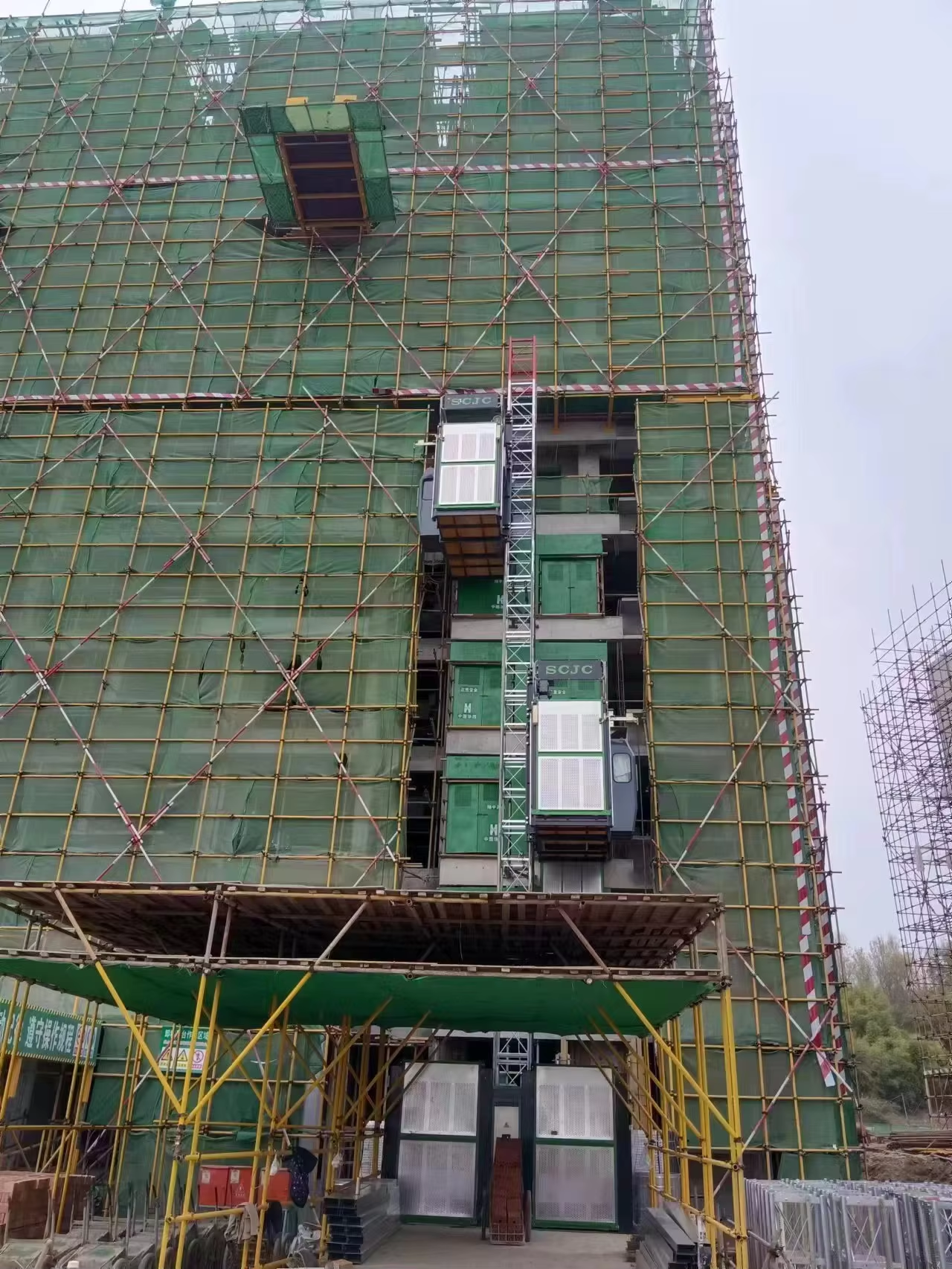
How Project Height and Floor Count Drive Construction Elevator Hoist Selection
Why Vertical Scale Is the Primary Determinant of Hoist Type and Configuration
The height of a building plays by far the biggest role when choosing the right hoist system. It affects everything from torque needs to mast strength, how resilient the drive system has to be, and what kind of safety features are necessary. When adding another 10 floors to a project, engineers typically need to boost motor torque somewhere between 15% and 20% just to keep the same climbing speed despite heavier cables and stronger wind forces acting on the equipment. For buildings under eight stories, modular hoists work fine and save money. But once we get past 15 floors, rack-and-pinion systems start making more sense because they provide better grip, less swaying during operation, and more reliable stopping power. Tall buildings absolutely require backup braking systems plus continuous monitoring of Hoists per Minute (HoPM). According to recent studies by Ponemon Institute, problems with these systems lead to delays that can cost around $740,000 on average. That's why proper planning becomes so critical for high rise construction projects.
Load Capacity and Duty Cycle Requirements Across Project Phases
Phase-specific workflows dictate not just capacity, but how that capacity is used over time:
| Phase | Typical Loads | Duty Cycle Profile |
|---|---|---|
| Foundation | Rebar, concrete pumps | Low-frequency, high-mass bursts |
| Structural | Steel beams, prefab panels | Sustained 70–80% utilization |
| Fit-out | Drywall, mechanical units | High-frequency, short-cycle stops |
When working on structural aspects of buildings, particularly those mid-rise ones between 6 and 20 floors high, most sites stick with hoists that can handle around 3.2 to 5 tons. This helps get materials where they need to go without relying so much on cranes. But watch out for overloading problems because that's actually where things tend to go wrong. According to some industry data from 2022 by the Tower Crane Association, about two thirds of all delays related to vertical transportation happen when there are material bottlenecks. Things change during the fit-out stage though. Speed becomes more important than weight capacity here. Finish crews generally need somewhere between 12 and 18 hours per month worth of hoisting power just to stay productive. Getting these hoist schedules right for each specific construction phase really makes a difference. Sites that manage this alignment properly see their idle times drop by roughly 30%, which obviously means better returns on investment in the long run.
Site Constraints and Spatial Realities That Shape Construction Elevator Hoist Deployment
Urban, Retrofit, and Confined Sites: Prioritizing Hoistway Footprint vs. Cab Capacity
When working in crowded cities or older buildings, space tends to be the real problem, not how high something can go. Keeping the hoistway small helps maintain space at ground level for staging materials, but this usually means smaller elevator capacity and slower movement of goods. According to recent research from the Construction Logistics Benchmark Study in 2023, sites that have less than 50 square meters available need about 30 percent more trips just to get the same amount of stuff moved around. When there's no room because of narrow alleys next door buildings or property lines getting in the way, putting equipment outside becomes absolutely necessary. These setups also need protection against bad weather in city areas or extra support structures when installing in old buildings. That's where modular hoist systems really shine. They can be adjusted as building layouts change over time and when access points to different floors become available or restricted.
| Consideration | Urban Priority | Retrofit Priority |
|---|---|---|
| Footprint Optimization | Critical (≈80% sites) | High (70% sites) |
| Cab Capacity Flexibility | Moderate (scalable) | Limited (fixed shafts) |
| External Mounting | Weatherproofing needed | Structural reinforcement |
Temporary Shaft Integration and Structural Interface Considerations
When installing temporary shafts, they need to fit into the main building structure properly. Usually engineers reinforce anchor points on alternate floors to handle all those moving loads. For buildings taller than 100 meters outside, wind becomes a big factor. According to the latest safety guidelines from 2024, side winds can actually push against these structures with up to 40% more force than what we see in shorter buildings. Getting the electricity sorted out presents another headache for project teams. Making sure three phase power works with whatever's already there on site needs planning way ahead of time, so talking to the mechanical, electrical and plumbing leads should happen early in the process. And don't forget about taking everything down later. Good shaft designs allow for step by step removal without putting stress on the building when it comes time to demolish or hand over the core area.
Freight vs. Personnel Construction Elevator Hoists: Functional Alignment by Project Scope
When Dual-Use Freight Elevator Hoists Deliver Better ROI on Mid- to Large-Scale Projects
Freight hoists that handle both people and materials while meeting OSHA standards can actually pay for themselves on jobs over five stories high. Contractors save money because these systems cut installation expenses around 30% compared to separate setups. They also avoid those frustrating scheduling headaches where crews wait for materials or vice versa, plus get better usage out of their equipment throughout the day. When a site needs to move more than about 15 tons vertically each day, the savings really stack up. Less rental gear needed, smaller changes to building structures, and cycle times typically improve by roughly 20-25% against regular personnel lifts according to recent industry reports. On concrete pour days specifically, having workers and mix trucks moving at the same time keeps operations rolling without delays. Safety remains intact too since OSHA requires those physical barriers between sections and sensors that automatically stop the lift if it gets overloaded.
A Tiered Construction Elevator Hoist Sizing Framework for Small, Mid-Rise, and High-Rise Projects
Small-Scale (≤5 Floors): Compact, Modular, and Rapid-Deployment Hoist Solutions
For low rise developments like townhouses, small retail spaces, and basic commercial buildings, minimizing environmental impact while speeding up construction is key. The modular hoists we're seeing now have pretty compact footprints, usually below 15 square meters, which means they can be set up right away on site without causing much disruption during staging. These machines typically handle loads between 1,500 to 2,000 kilograms, enough for most crews and their lighter materials. According to research published last year in the Hoist Efficiency Study, these quick install systems save around 70% of the time needed for vertical transportation compared to old school fixed mast options. That kind of efficiency makes a big difference when working against tight deadlines or trying to keep costs down on smaller projects.
Mid-Rise (6–20 Floors): Optimizing Speed, Throughput, and Single-Hoist Versatility
For mid-rise construction projects, getting good performance means finding the right balance. Travel speeds need to be at least around 40 meters per minute, there has to be flexibility with different payloads, and smart operational features really make a difference. The single hoist setup works well because it can switch back and forth between carrying people (about 10 to 15 workers at a time) and moving materials weighing anywhere from 3,000 to 4,500 kilograms. This kind of versatility keeps equipment working hard all day long. When companies install regenerative drives along with smarter door operation timing, they actually cut down waiting periods by roughly 30 percent when things get busy pouring concrete. There are several important factors that make these systems work so effectively, including...
- Variable frequency drives for smooth, energy-efficient acceleration
- Automated landing systems ensuring ±5mm alignment accuracy
- Dual-purpose cages with certified load separation for mixed lifts
High-Rise (21+ Floors): Multi-Hoist Sequencing, Safety Scalability, and Temporary Shaft Strategy
Building skyscrapers needs careful planning when it comes to lifting equipment. Typically, the lower parts of these structures rely on heavy duty hoists for moving steel beams and pouring concrete, whereas higher sections switch to lighter gear for interior work like installing finishes and fixtures. When buildings reach over 100 meters tall, safety becomes absolutely critical. That means having backup braking systems, constant weight checks, and special supports against strong winds become mandatory requirements. Temporary vertical pathways built alongside the main structure help keep things stable and minimize swaying, particularly important in areas where winds can hit speeds beyond 15 meters per second. According to recent data from Skyscraper Construction Analytics (2023), using this staged approach to hoisting reduces reliance on cranes by about 40% in buildings with more than 21 floors. This shows why smart timing matters more than just buying bigger machines for construction projects.
FAQ
Why is building height a significant factor in choosing construction elevator hoists?
The height influences torque needs, mast strength, and safety features; tall buildings necessitate stronger systems, backup brakes, and Hoist per Minute monitoring.
What are typical load capacities for mid-rise building construction phases?
Mid-rise structures (6 to 20 floors) generally utilize hoists capable of handling loads from 3.2 to 5 tons for structural phases, adapting to varying stage-specific requirements.
How do modular hoist systems benefit urban and confined construction sites?
Modular systems allow for flexible installation in tight spaces, optimizing footprint, and can adapt as building layouts change or access points shift.
When are dual-use freight and personnel construction elevator hoists most beneficial?
On projects over five stories high, dual-use systems cut costs by avoiding separate setups, improving schedule efficiency, and adhering to safety standards.
Table of Contents
- How Project Height and Floor Count Drive Construction Elevator Hoist Selection
- Site Constraints and Spatial Realities That Shape Construction Elevator Hoist Deployment
- Freight vs. Personnel Construction Elevator Hoists: Functional Alignment by Project Scope
- A Tiered Construction Elevator Hoist Sizing Framework for Small, Mid-Rise, and High-Rise Projects
-
FAQ
- Why is building height a significant factor in choosing construction elevator hoists?
- What are typical load capacities for mid-rise building construction phases?
- How do modular hoist systems benefit urban and confined construction sites?
- When are dual-use freight and personnel construction elevator hoists most beneficial?