 EN
EN

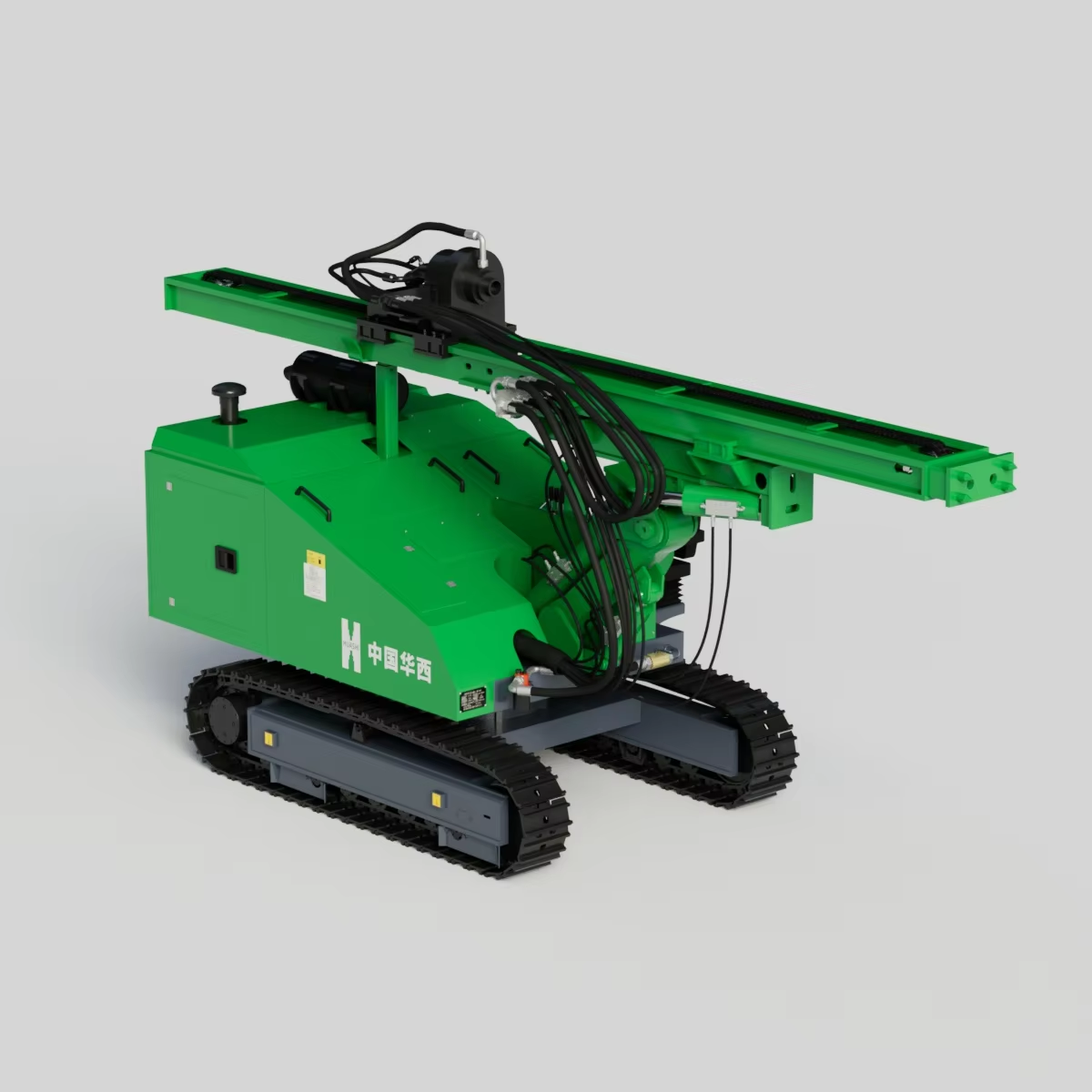
Multifunctional pile drivers are among the most demanding machines on any civil construction site, combining rotary drilling, down-the-hole hammering, and hydraulic boring capabilities into a single powerful unit. Because these machines operate under extreme load cycles, proper maintenance is not optional — it is the single most important factor in protecting your investment, ensuring operator safety, and maintaining project timelines. Without a structured maintenance routine, even the most robustly built multifunctional pile drivers will experience premature wear, hydraulic failure, and costly unplanned downtime.
This maintenance guide is designed specifically for operators, site engineers, and equipment managers who rely on multifunctional pile drivers for deep water well drilling, foundation work, and civil construction projects. The guidance here covers daily inspection habits, hydraulic system care, mechanical component servicing, and long-term preservation strategies. Following these steps consistently will extend the service life of your multifunctional pile drivers and reduce overall lifecycle costs significantly.
Daily Inspection Routines for Multifunctional Pile Drivers
Pre-Shift Walk-Around Checks
Every shift must begin with a thorough walk-around inspection of your multifunctional pile drivers before the engine starts. Operators should visually check for oil leaks beneath the machine, inspect the crawler tracks for missing pins or damaged pads, and verify that all safety guards are securely in place. Multifunctional pile drivers that begin a shift with undetected leaks or structural cracks often develop far more serious faults by midday, resulting in emergency shutdowns that delay entire project schedules.
During the pre-shift check, operators must also confirm that all fluid levels — engine oil, hydraulic oil, coolant, and gear oil — are within the manufacturer's specified range. Multifunctional pile drivers running low on hydraulic oil are especially vulnerable because their combined drilling and hammering functions place simultaneous high-pressure demands on the hydraulic circuit. Recording these check results in a daily log helps maintenance teams identify recurring low-fluid patterns that may signal slow internal leaks.
Post-Shift Cleaning and Quick Assessment
At the end of each shift, multifunctional pile drivers should be cleaned of accumulated mud, cuttings, and drilling fluid before any inspection takes place. Residue buildup around the mast base, rotary head, and drill rod clamps can conceal cracks, corrosion, and loose fasteners. A quick post-shift wash-down followed by a targeted visual inspection of high-stress zones is one of the most cost-effective habits a maintenance team can adopt for multifunctional pile drivers operating in wet or abrasive soil conditions.
Hydraulic System Maintenance for Multifunctional Pile Drivers
Oil Quality and Filter Management
The hydraulic system is the operational core of multifunctional pile drivers, and oil quality management is the most critical element of hydraulic care. Hydraulic oil should be sampled and tested every 250 operating hours to check viscosity, contamination levels, and water content. Multifunctional pile drivers that drill in humid or near-water environments — such as those used in deep water well projects — face higher risks of moisture entering the hydraulic circuit, which accelerates pump and valve wear dramatically.
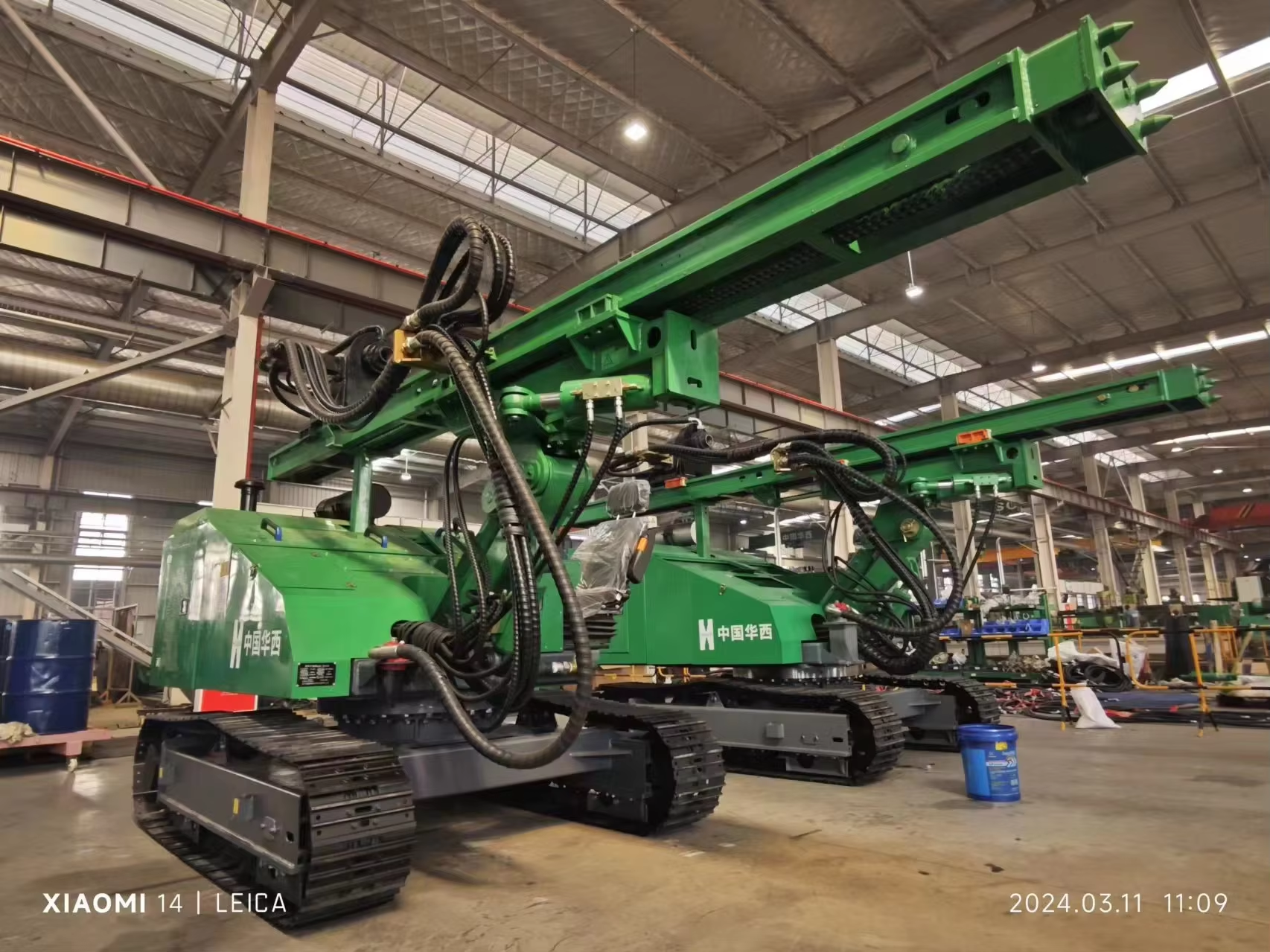
Hydraulic return-line filters on multifunctional pile drivers must be replaced on schedule, typically every 500 hours or as indicated by the filter bypass indicator. Delaying filter replacement forces contaminated oil through precision-machined valve spools and pump components, causing scoring damage that is both expensive to repair and difficult to detect until a catastrophic failure occurs. Always use hydraulic oil grades specified by the machine manufacturer, since multifunctional pile drivers often require high-viscosity index oils suitable for wide temperature operating ranges.
Hydraulic Cylinder and Hose Inspection
Hydraulic cylinders on multifunctional pile drivers are exposed to continuous shock loading, especially during down-the-hole hammer cycles. Inspect all rod seals weekly for weeping or active leakage, and check cylinder rod surfaces for scoring or corrosion pitting that would damage replacement seals. Hoses on multifunctional pile drivers should be examined monthly for chafing, kinking, swelling, and fitting security, with immediate replacement required for any hose showing outer braid exposure or fitting seepage.
Mechanical and Structural Maintenance for Multifunctional Pile Drivers
Rotary Head, Drive System, and Drill Rod Maintenance
The rotary head is the highest-wear component on most multifunctional pile drivers, and its gearbox oil must be changed every 500 hours or after any suspected water ingress event. Rotary head bearings on multifunctional pile drivers should be re-greased according to the manufacturer's schedule, which is typically every 50 to 100 operating hours depending on drilling intensity. Operators should listen for unusual noise from the rotary head during drilling, as early bearing wear produces a characteristic grinding tone that escalates quickly if ignored.
Drill rods used with multifunctional pile drivers must be inspected for thread condition, straightness, and fatigue cracks at the pin-box connection points. Bent or cracked drill rods create lateral loading on the rotary head bearings, accelerating wear far beyond the designed rate. Rotate the rod inventory regularly so that no single rod accumulates disproportionate wear, and retire any rod that shows thread flank cracking under close visual inspection.
Crawler Undercarriage and Mast Structure
The crawler undercarriage of multifunctional pile drivers bears the full static and dynamic weight of the machine plus the reaction force from drilling operations. Track tension must be checked weekly and adjusted to the manufacturer's specification, since both overtight and slack tracks accelerate sprocket and roller wear. Idler rollers, carrier rollers, and track shoes on multifunctional pile drivers working in abrasive soils should be inspected every 100 hours for wear depth and replaced before they reach the minimum thickness limit.
The mast structure on multifunctional pile drivers should be inspected monthly for weld cracks, deformed guide rails, and loose connection hardware. Mast guide bushings that are worn beyond tolerance allow the rotary head to shift laterally under load, reducing drilling accuracy and placing bending stress on drill rods. Replacing guide bushings proactively — rather than waiting for visible damage — is a low-cost measure that protects far more expensive components on multifunctional pile drivers across their entire service life.
FAQ
How often should hydraulic oil be changed on multifunctional pile drivers?
Hydraulic oil on multifunctional pile drivers should typically be changed every 1,000 to 2,000 operating hours, but oil sampling every 250 hours is recommended to verify condition. Machines working in wet environments or extreme temperatures may require more frequent changes to prevent moisture contamination and viscosity breakdown.
What are the most common causes of unexpected breakdowns in multifunctional pile drivers?
The most common causes of unexpected breakdowns in multifunctional pile drivers include neglected hydraulic filter changes, skipped pre-shift fluid level checks, worn rotary head bearings left unaddressed, and deteriorated hydraulic hoses that fail under pressure. A consistent daily and weekly inspection schedule eliminates the majority of these predictable failure modes.
Can multifunctional pile drivers be used for deep water well drilling without additional maintenance steps?
Multifunctional pile drivers used for deep water well drilling require additional attention to moisture ingress into the hydraulic system, increased frequency of drill rod thread inspections, and more rigorous cleaning of the rotary head and DTH hammer components. A multifunctional pile drivers unit designed for deep well applications will have specific service intervals outlined in its technical manual that differ from standard pile-only configurations, and those intervals must be followed precisely.