 EN
EN

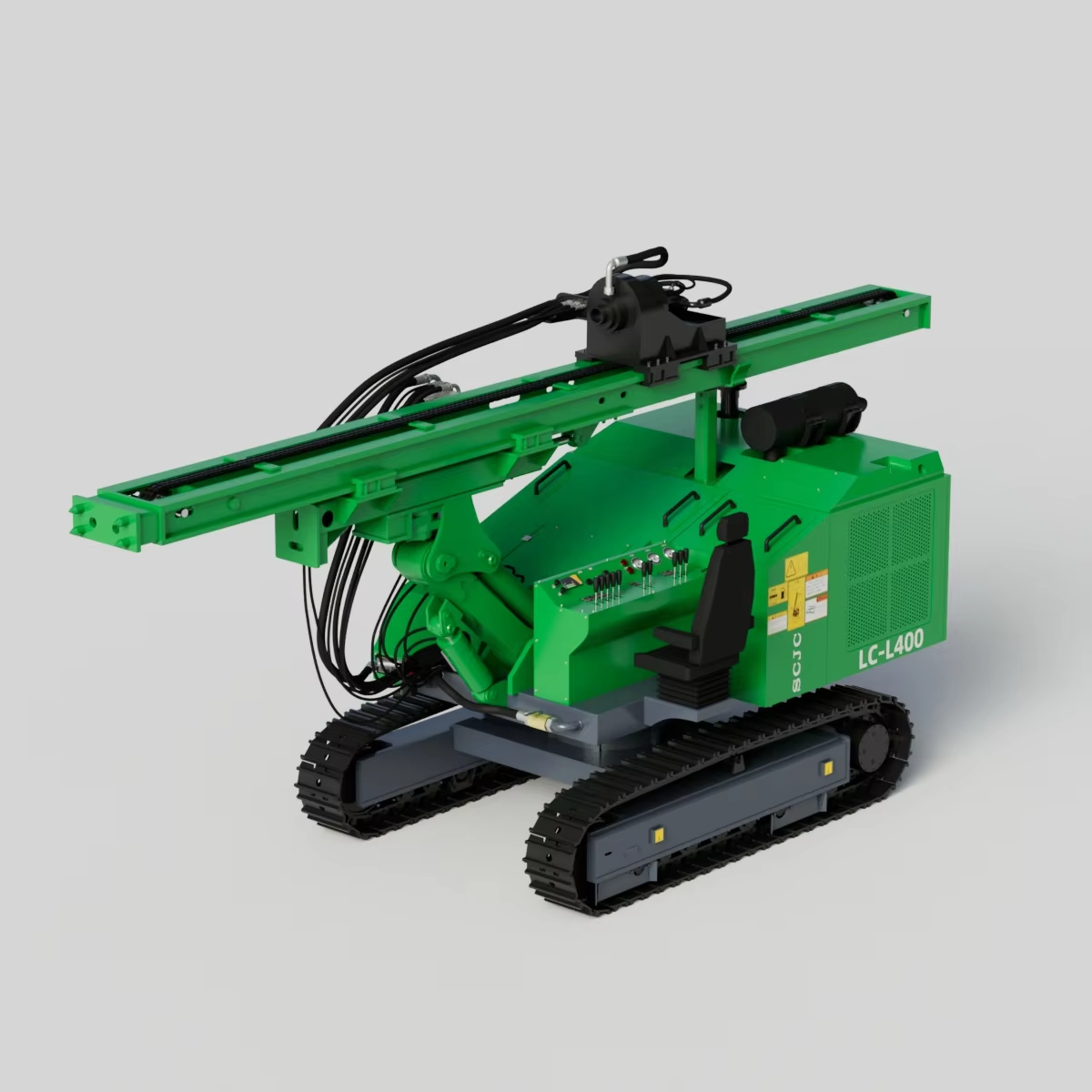
When engineers and project managers evaluate equipment for large-scale civil construction, pile drivers consistently emerge as one of the most critical assets on site. Mega infrastructure projects — spanning bridges, highway overpasses, deep-water port terminals, and urban transit systems — place extreme demands on foundation equipment. In these environments, multifunctional pile drivers are not just useful; they are essential. Their ability to handle diverse soil conditions, adapt to changing site requirements, and sustain high output over extended project timelines makes them the backbone of modern foundation engineering.
This case study examines how multifunctional pile drivers perform across real mega infrastructure scenarios. By analyzing their operational strengths, adaptability under pressure, and the specific challenges they resolve on complex job sites, we gain a clear picture of why these machines have become the preferred foundation solution for contractors working at industrial scale. From hydraulic crawler rigs to rotary and DTH configurations, pile drivers in the modern fleet are engineered to meet the demands that standard equipment simply cannot fulfill.
Operational Challenges Mega Projects Pose for Pile Drivers
Extreme Site Variability and Ground Conditions
Mega infrastructure projects rarely present uniform ground conditions. A single bridge corridor may cross sandy riverbeds, dense clay layers, fractured rock formations, and waterlogged soils within just a few kilometers. Pile drivers deployed on these sites must shift operational modes without significant downtime. Multifunctional pile drivers are engineered with interchangeable tooling systems that allow operators to transition between rotary drilling, DTH hammer percussion, and conventional impact piling depending on what the subsurface demands. This versatility is not a convenience feature — it directly determines whether a project stays on schedule or faces costly delays.
In deep-water port construction, pile drivers face the additional challenge of working from pontoons or barges in tidal zones. The hydraulic systems on modern crawler-mounted pile drivers are sealed and pressure-stabilized for such conditions, ensuring consistent torque delivery even as the working platform shifts. Contractors who have deployed pile drivers on offshore infrastructure consistently report that hydraulic crawler rigs outperform conventional alternatives in these demanding scenarios, primarily because of their superior ground pressure distribution and adaptable boom configurations.
High-Volume Output Requirements
Mega projects demand that pile drivers complete hundreds — sometimes thousands — of pile installations within compressed timeframes. A highway interchange project, for example, may require pile drivers to install over two thousand bored piles across multiple simultaneous work fronts. Multifunctional pile drivers address this through high-torque rotary heads, extended Kelly bar systems, and automated crowd force control. These features allow pile drivers to maintain consistent penetration rates even as operators rotate between crew shifts. The result is measurable productivity that directly supports the project's critical path timeline.
Multifunctional Pile Drivers Across Infrastructure Segments
Bridge and Overpass Foundation Systems
Bridge foundations are among the most technically demanding applications for pile drivers. The piles must transfer enormous loads through weak surface soils down to competent bearing strata, often at depths exceeding forty meters. Pile drivers used in bridge construction are typically configured for large-diameter bored pile installation, using rotary drilling heads capable of generating high torque at controlled speeds. In several documented infrastructure projects, multifunctional pile drivers have demonstrated the ability to install large-diameter piles in mixed rock-soil profiles without requiring secondary equipment for rock-breaking. This single-machine capability significantly reduces mobilization costs and site congestion.
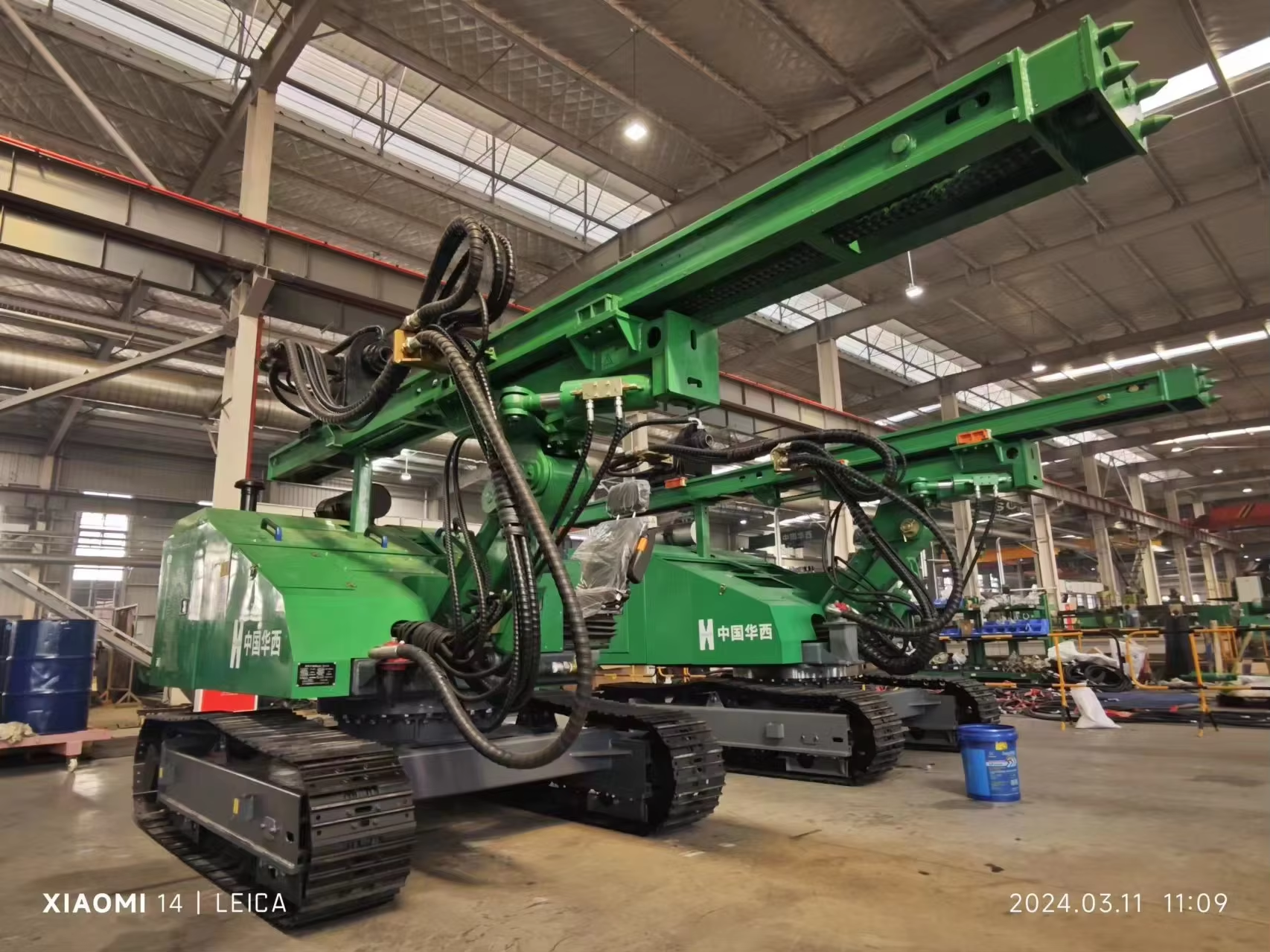
Pile drivers equipped with full hydraulic crawler undercarriages offer an additional advantage on bridge sites: they can self-propel between pile positions along uneven terrain without requiring crane assistance or temporary roadways. This mobility means pile drivers can keep pace with the project's sequencing plan rather than becoming a bottleneck. On projects where multiple pile drivers operate simultaneously, the logistical benefit of self-propelled units becomes even more pronounced, as each machine operates independently without interfering with adjacent work fronts.
Urban Transit and Metro Infrastructure
Urban transit construction presents pile drivers with a distinct set of constraints. Sites are confined, noise regulations are strict, and vibration limits protect adjacent structures. Multifunctional pile drivers configured for low-vibration auger cast or continuous flight auger methods are the standard choice for metro foundation work. These pile drivers use continuous rotation to advance the drill string while simultaneously pumping grout or concrete through the hollow stem, eliminating the impact energy that would otherwise disturb surrounding buildings. In city-center transit projects, pile drivers operating in this mode have been documented completing full pile installations in under thirty minutes per position, maintaining the fast-paced schedule that urban construction contracts require.
When harder rock or obstruction layers are encountered in urban transit projects, pile drivers must switch to DTH hammer modes. The ability to perform this transition on the same machine — without swapping the entire rig — is a defining advantage of multifunctional pile drivers. Project managers overseeing metro construction consistently cite this adaptability as a major factor in equipment selection, because it reduces the number of specialized machines needed on a constrained urban site where space is at a premium.
Deep-Water Civil and Port Infrastructure
Port expansion and deep-water civil works represent the frontier application for pile drivers. In these environments, pile drivers must install steel pipe piles and large-diameter concrete piles through water columns and into seabed formations. pile drivers in the full hydraulic crawler class are specifically designed to handle these extreme operational demands, delivering consistent rotary and DTH performance in conditions where conventional equipment would be unreliable. Hydraulic control systems allow fine-tuned adjustment of crowd force and rotation speed, which is critical when penetrating the varied seabed strata typical of port construction zones.
The deployment of multifunctional pile drivers in port mega projects also addresses the need for deep-water well drilling alongside structural piling. A single rig capable of switching between structural pile installation and water well or dewatering well drilling provides contractors with exceptional flexibility. This dual functionality means pile drivers on port sites serve multiple project needs simultaneously, maximizing equipment utilization and reducing the total fleet size required to complete the project scope.
Selecting the Right Pile Drivers for Mega Infrastructure
Key Technical Criteria for Equipment Selection
Selecting pile drivers for mega infrastructure requires careful evaluation of torque rating, maximum drilling depth, crowd force capacity, and undercarriage design. Pile drivers with full hydraulic crawler undercarriages provide the ground clearance and load-bearing stability needed on unprepared terrain. High-torque rotary heads ensure that pile drivers can handle large-diameter boreholes without stalling in dense formations. Contractors should also assess whether pile drivers offer integrated DTH hammer capability, as this feature determines the machine's ability to penetrate rock without supplementary equipment.
Operational and Maintenance Considerations
Beyond technical specifications, the long-term productivity of pile drivers on mega projects depends on maintenance accessibility, parts availability, and operator training requirements. Multifunctional pile drivers with centralized hydraulic diagnostics and modular component design significantly reduce unplanned downtime. On mega projects where equipment failure carries severe schedule and cost consequences, selecting pile drivers from a platform with proven serviceability is as important as raw performance metrics. Project teams that plan preventive maintenance intervals for pile drivers in advance consistently achieve higher utilization rates than those that react to failures as they occur.
FAQ
What makes multifunctional pile drivers better suited for mega infrastructure than standard rigs?
Multifunctional pile drivers combine rotary drilling, DTH hammer, and auger capabilities in a single machine, eliminating the need to mobilize multiple specialized rigs. On mega infrastructure projects where ground conditions vary widely, this adaptability allows pile drivers to maintain productivity across all site zones without costly equipment changes.
How do pile drivers manage vibration and noise in urban mega infrastructure projects?
Pile drivers configured for continuous flight auger or auger cast methods operate with minimal vibration and significantly lower noise levels than impact-based systems. In urban mega infrastructure settings, these pile drivers meet regulatory limits while delivering full structural performance, making them the preferred choice for transit and underground civil works in built-up environments.
What depth capability should pile drivers have for deep-water or port infrastructure?
For deep-water port infrastructure, pile drivers should offer a drilling depth of at least sixty to eighty meters, combined with full hydraulic rotation and DTH percussion capability. Pile drivers designed for deep civil construction, such as full hydraulic crawler rotary DTH rigs, are specifically engineered to meet these depth and formation requirements reliably across the full project lifecycle.