 EN
EN

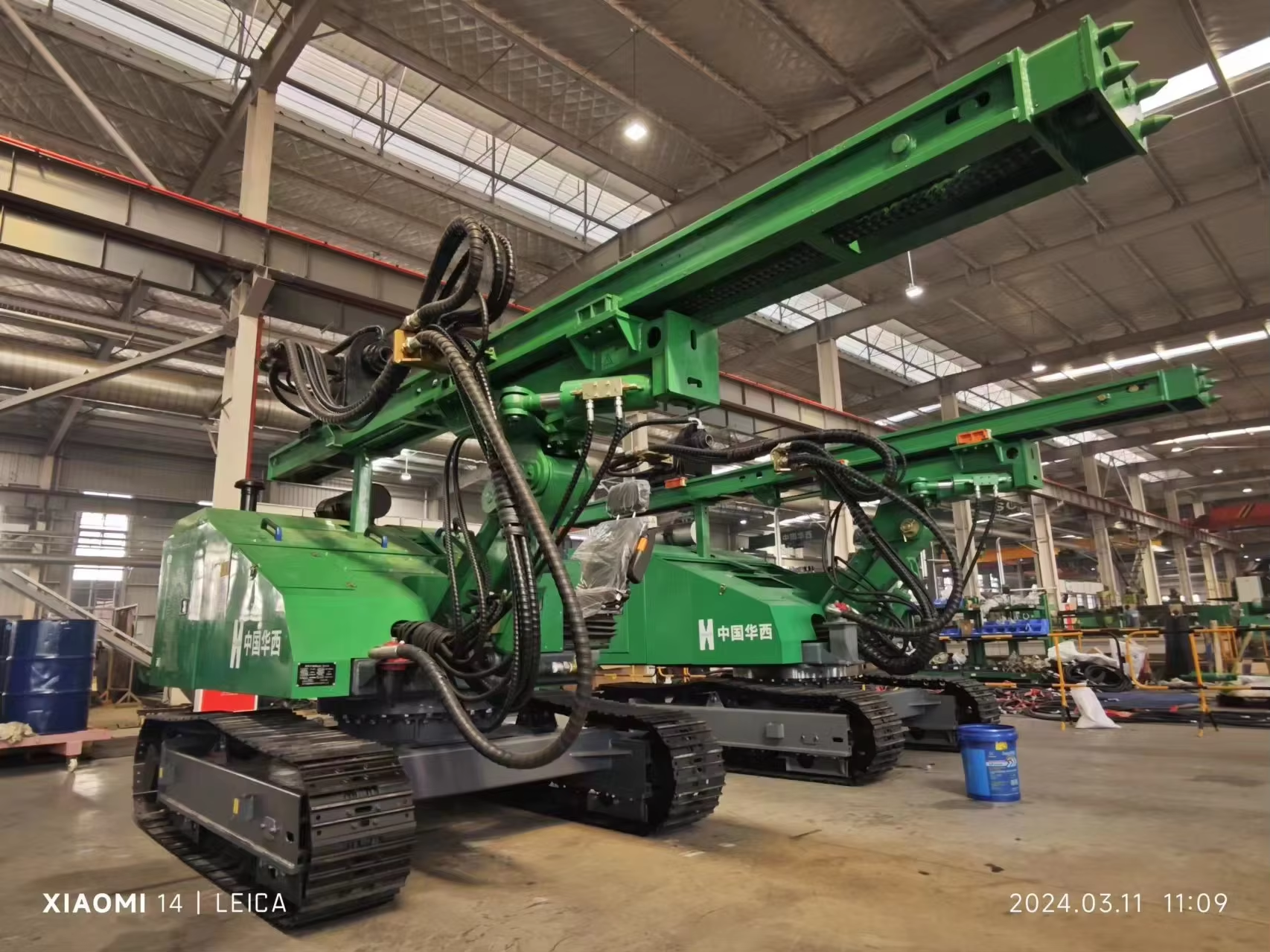
Modern construction demands more from foundation equipment than ever before. pile drivers have evolved dramatically over the past decade, shifting from single-purpose machines into highly adaptable, intelligent systems capable of handling multiple foundation tasks on a single jobsite. Understanding these innovations helps construction professionals make better equipment decisions and stay competitive in demanding project environments.
The term 'multifunctional' is no longer a marketing label — it now describes a genuine engineering reality. Today's pile drivers integrate hydraulic drilling, rotary impact, vibratory hammering, and deep-boring capabilities within a single compact crawler platform. These advances reduce equipment mobilization costs, shorten project timelines, and enable contractors to tackle diverse soil conditions without switching machines. This article explores the core innovations driving the next generation of pile drivers and explains what these developments mean for civil construction and infrastructure projects worldwide.
Advanced Hydraulic Systems in Modern Pile Drivers
Full Hydraulic Power and Precision Control
One of the most significant breakthroughs in contemporary pile drivers is the adoption of full hydraulic drive systems. Earlier pile drivers relied on mechanical or diesel-direct drive configurations that limited precision and responsiveness. Full hydraulic pile drivers now deliver continuous, adjustable power output that operators can fine-tune in real time, matching energy delivery to specific soil resistance levels. This precision reduces material stress, prevents over-driving, and improves pile integrity across a wide range of ground conditions.
Modern pile drivers equipped with full hydraulic systems also offer substantially lower fuel consumption compared to older models. The hydraulic circuit recovers energy during the return stroke and redistributes it efficiently, which means pile drivers can sustain high performance output across long operational shifts without excessive fuel burn. For project managers overseeing large infrastructure builds, this translates directly into lower operational costs per driven pile.
Integrated Pressure Monitoring and Smart Feedback
New-generation pile drivers now incorporate integrated pressure monitoring sensors that provide continuous feedback on penetration resistance, hydraulic load, and structural behavior. These smart systems allow pile drivers to self-adjust impact force and rotary torque automatically as conditions change. Operators receive real-time data through digital control panels, enabling faster decisions on depth targets, hammer settings, and soil formation transitions. Smart feedback technology has made pile drivers significantly safer and more reliable in variable ground environments.
Multifunctional Capabilities Expanding Jobsite Versatility
Rotary, DTH, and Vibratory Functions in One Platform
The defining characteristic of today's advanced pile drivers is their ability to perform multiple foundation techniques without major reconfiguration. Modern pile drivers combine rotary drilling, down-the-hole (DTH) hammering, and vibratory pile installation within a single machine frame. This multifunctionality makes pile drivers far more practical for complex projects where soil profiles change from loose sediment to hard rock within the same site. Contractors no longer need to mobilize separate pile drivers for each condition — one machine handles the full range.
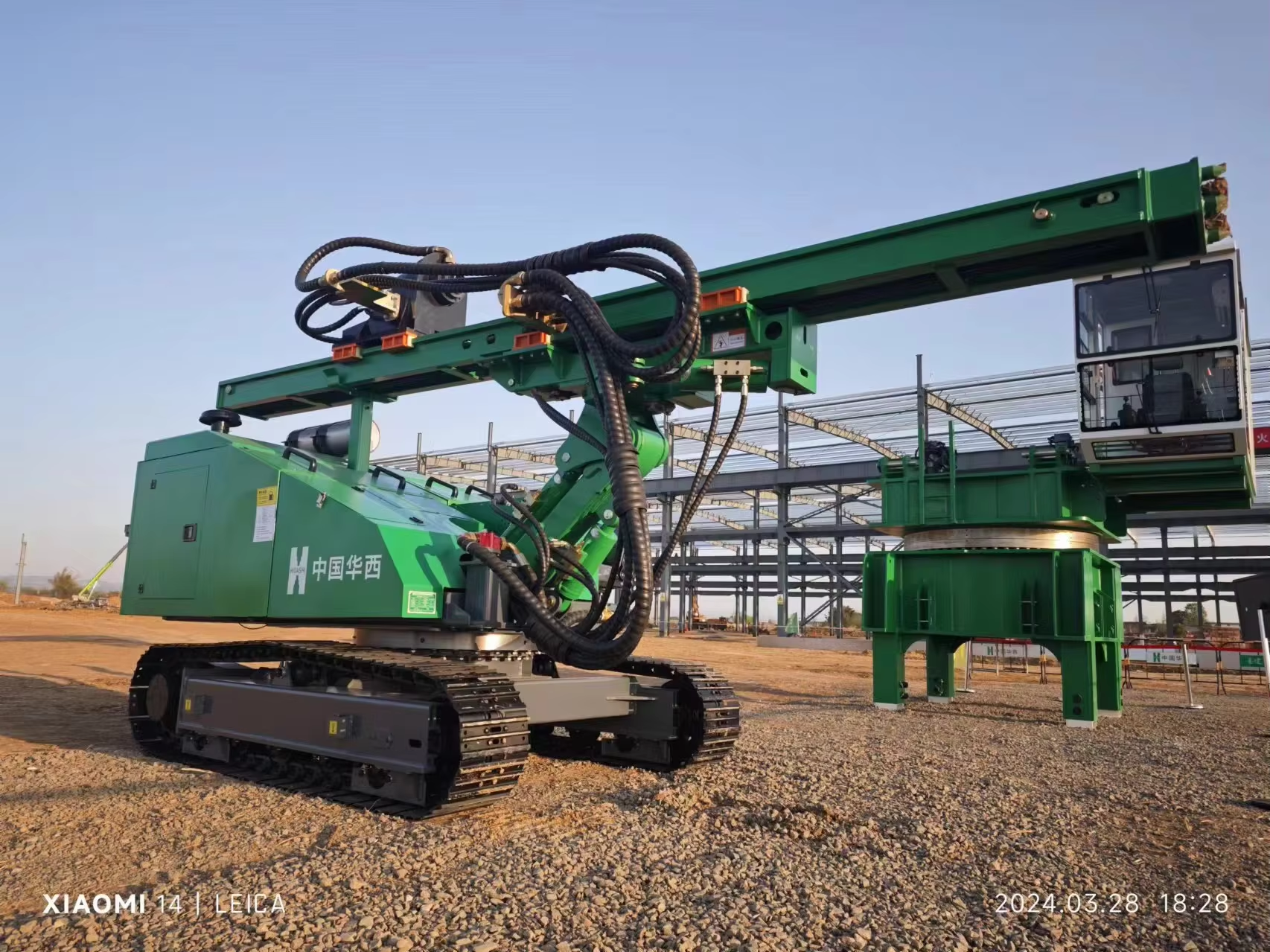
Rotary DTH pile drivers, in particular, have gained significant traction in civil construction projects requiring deep penetration through rock or consolidated formations. These pile drivers use compressed air-driven hammer bits rotating continuously inside the borehole, allowing fast and clean penetration where conventional pile drivers would struggle. The ability to switch between DTH mode and standard rotary mode without leaving the cab gives these pile drivers a decisive advantage on challenging terrain.
Crawler Mobility and Compact Frame Engineering
Multifunctional pile drivers are also benefiting from improvements in crawler mobility and frame engineering. Compact crawler pile drivers can now access confined urban sites, slopes, and waterfront locations that were previously inaccessible to conventional pile drivers. The crawler undercarriage distributes machine weight evenly, allowing pile drivers to operate on soft ground without the ground preparation required by wheeled alternatives. Enhanced slewing range and telescoping mast designs further expand the working envelope of pile drivers on complex site geometries.
Digital Integration and Operational Intelligence
Remote Monitoring and Telematics for Pile Drivers
Digital integration is transforming how pile drivers are managed across large construction fleets. Modern pile drivers are increasingly equipped with telematics systems that transmit operational data — including engine load, hydraulic pressure, depth records, and maintenance alerts — directly to project management software. Fleet managers can monitor multiple pile drivers simultaneously from remote locations, identifying performance anomalies before they escalate into costly breakdowns. This connectivity makes pile drivers not just physical tools but networked assets embedded in a broader construction intelligence system.
Telematics-enabled pile drivers also support predictive maintenance scheduling. Rather than relying on fixed service intervals, these pile drivers generate data-driven maintenance triggers based on actual usage cycles and component stress metrics. This approach significantly reduces unplanned downtime, which is one of the most disruptive cost factors in foundation work. Contractors operating fleets of pile drivers gain measurable efficiency improvements simply by using data that was previously unavailable.
Automated Depth Control and Drilling Optimization
Automated depth control systems represent another major leap forward for pile drivers. These systems use pre-programmed soil profile data combined with real-time sensor inputs to guide pile drivers through optimal drilling sequences. Rather than relying solely on operator experience, automated pile drivers can maintain consistent penetration rates and reach precise depth targets repeatedly across hundreds of installations. This consistency is especially valuable in large-scale bridge, port, and high-rise foundation projects where pile drivers must meet strict engineering tolerances across every single driven pile.
FAQ
What makes modern pile drivers 'multifunctional'?
Modern pile drivers are called multifunctional because they integrate multiple foundation techniques — such as rotary drilling, DTH hammering, and vibratory installation — within a single machine platform. This allows pile drivers to handle different soil conditions and project requirements without replacing the equipment, improving efficiency and reducing mobilization costs.
How do full hydraulic systems improve pile drivers' performance?
Full hydraulic systems give pile drivers precise, adjustable power output that can be fine-tuned to match soil resistance in real time. This improves pile integrity, reduces fuel consumption, and allows pile drivers to operate efficiently across extended shifts. The energy recovery capability of hydraulic circuits further enhances the overall performance of pile drivers on large projects.
Are telematics systems standard on new pile drivers?
Telematics systems are becoming increasingly common on new pile drivers, though adoption varies by manufacturer and model tier. Many advanced pile drivers now offer telematics as a standard or optional feature, enabling remote monitoring, predictive maintenance, and fleet-level performance tracking. As data-driven construction becomes the industry norm, telematics integration is expected to become standard across most commercial pile drivers within the coming years.