 EN
EN

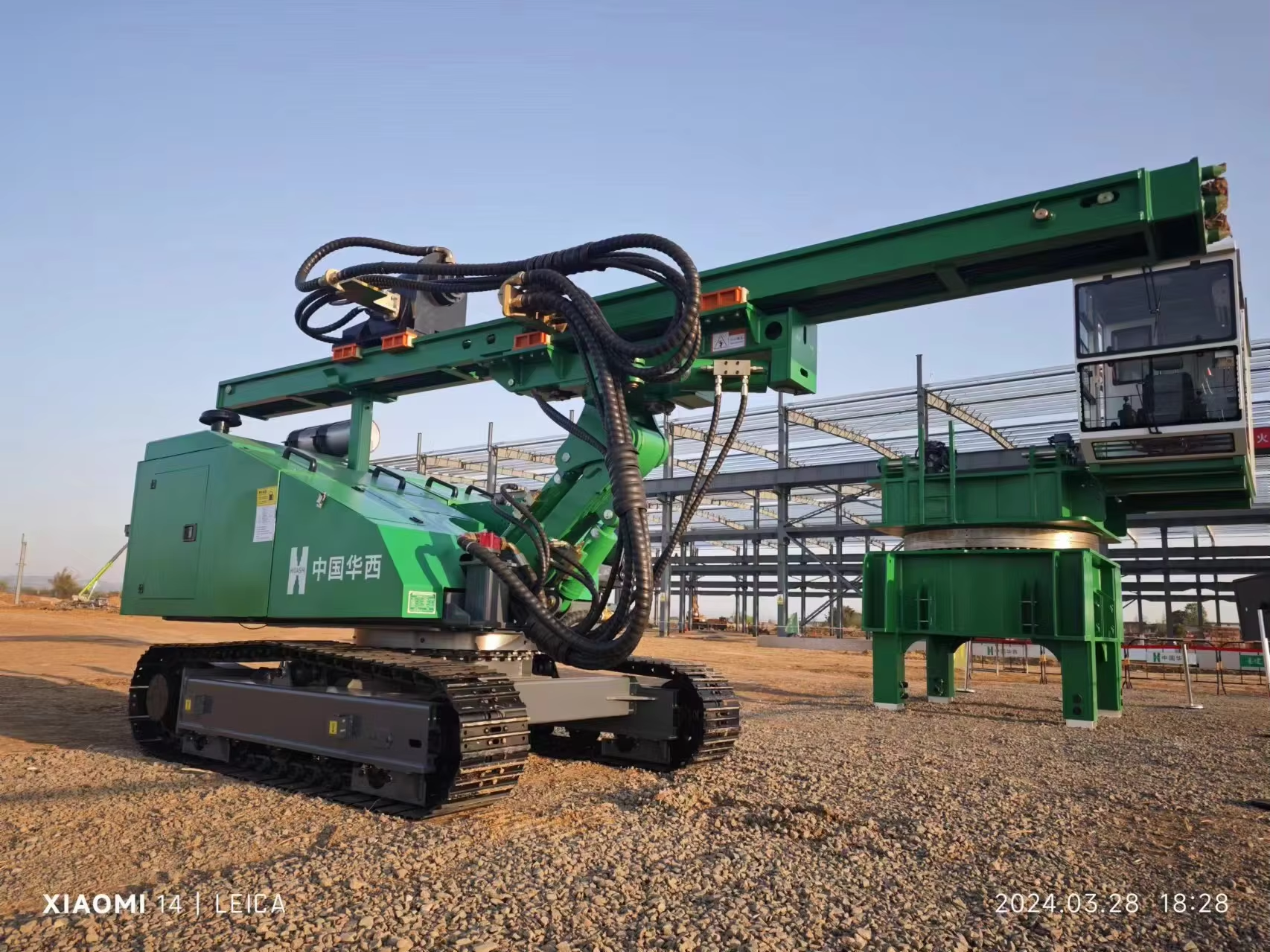
Bridge construction demands precision, power, and adaptability at every stage of the foundation work. multifunctional pile drivers have become central to meeting those demands, offering a single platform that handles multiple piling methods across varied ground conditions. As bridge projects grow more complex in scope and location, multifunctional pile drivers provide the engineering flexibility that single-purpose machines simply cannot match.
The role of multifunctional pile drivers in bridge construction goes far beyond simply driving piles into the ground. These machines integrate drilling, pressing, vibrating, and impact driving capabilities into one unified system. By deploying multifunctional pile drivers on a bridge site, contractors reduce equipment mobilization costs, shorten project timelines, and maintain consistent foundation quality regardless of soil variability beneath the structure.
Core Functions of Multifunctional Pile Drivers on Bridge Sites
Handling Diverse Foundation Requirements
Bridge foundations must perform across a wide range of soil types, from soft alluvial deposits near riverbeds to dense rock layers inland. Multifunctional pile drivers address this challenge directly by switching between operational modes without requiring a full equipment change. When multifunctional pile drivers shift from vibratory mode to rotary drilling mode, the crew adapts to changing ground conditions within the same working session. This operational versatility is a defining advantage of multifunctional pile drivers over conventional single-mode machines. Contractors managing bridge projects report that multifunctional pile drivers significantly reduce idle time caused by waiting for specialized equipment to arrive at site.
Supporting Large-Scale Structural Loads
Bridge piers and abutments carry enormous structural loads transferred from the superstructure above. Multifunctional pile drivers are engineered to install high-capacity piles that anchor these critical load points securely into stable bearing strata. The precise control systems built into multifunctional pile drivers allow operators to monitor penetration rate, torque, and driving energy in real time. This level of control ensures that each pile installed by multifunctional pile drivers meets the load-bearing specifications set by structural engineers. Without multifunctional pile drivers capable of this precision, foundation inconsistencies could compromise the long-term integrity of the entire bridge.
Operational Advantages of Multifunctional Pile Drivers in Practice
Reducing Equipment Mobilization and Site Costs
Bridge projects often take place in remote or constrained locations where transporting multiple heavy machines is both expensive and logistically difficult. Multifunctional pile drivers consolidate several piling functions into a single rig, which cuts the number of machine movements required across the project lifecycle. When multifunctional pile drivers replace a fleet of specialized units, the savings on transport, assembly, and operator costs are substantial. Project managers consistently identify multifunctional pile drivers as one of the highest-value equipment investments in bridge foundation contracts. The compact footprint of modern multifunctional pile drivers also allows access to sites where traditional large rigs could not operate safely.
Improving Schedule Efficiency Across Foundation Phases
Foundation installation is usually on the critical path of any bridge construction schedule. Multifunctional pile drivers compress the time spent transitioning between different piling stages because mode changes happen on-machine rather than through equipment swaps. When multifunctional pile drivers handle both pre-drilling through hard layers and final pile installation in a single mobilization, the overall foundation phase shortens considerably. Faster foundation completion unlocks earlier access for superstructure work, which compounds schedule benefits downstream. Teams relying on multifunctional pile drivers for bridge foundations consistently report improved milestone achievement compared to projects using multiple single-function machines.
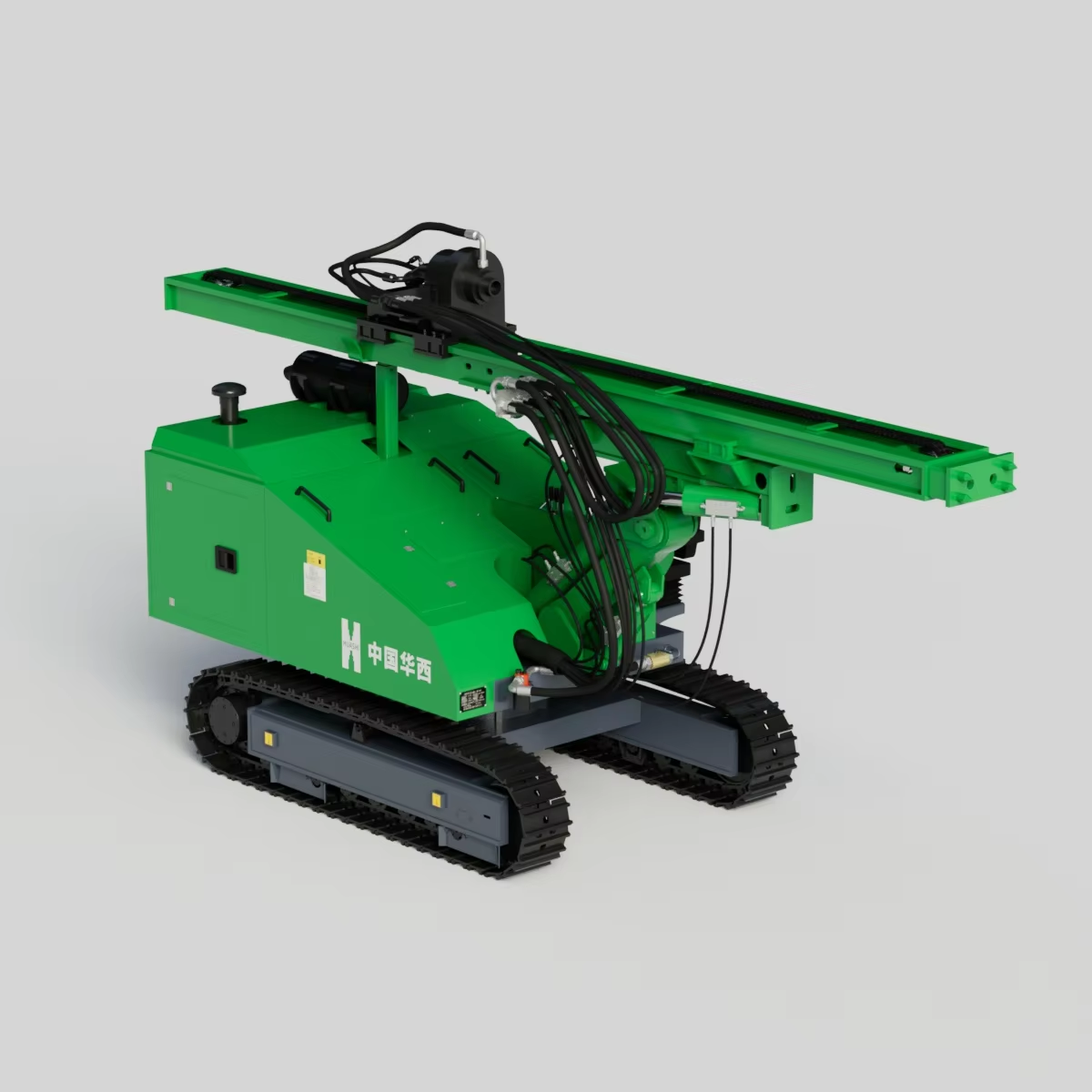
Selecting the Right Multifunctional Pile Drivers for Bridge Projects
Matching Machine Capabilities to Ground Conditions
Selecting multifunctional pile drivers for a bridge project begins with a thorough geotechnical investigation. The soil profile along the bridge alignment determines which operational modes the multifunctional pile drivers must support. For sites with mixed soil conditions, multifunctional pile drivers that combine hydraulic impact, vibratory, and rotary drilling functions offer the broadest coverage. Engineers reviewing multifunctional pile drivers should confirm that the torque output, crowd force, and vibration frequency ranges align with the specific ground conditions identified in the site investigation report. Choosing multifunctional pile drivers without this verification risks underperformance and schedule delays during foundation work.
Considering Load Capacity and Equipment Integration
Bridge construction sites commonly use overhead cranes and lifting systems alongside multifunctional pile drivers for pile handling, segment placement, and material logistics. Multifunctional pile drivers must be selected with an eye toward how they integrate with these supporting systems. The rated lifting capacities and operational radii of multifunctional pile drivers should be compatible with the crane systems already planned or present on the bridge site. When multifunctional pile drivers and overhead lifting equipment are properly coordinated, the entire foundation workflow becomes more productive and safer for the crew. Procurement teams evaluating multifunctional pile drivers should request full system integration documentation to avoid conflicts between equipment during simultaneous operations.
FAQ
What makes multifunctional pile drivers different from standard pile drivers?
Multifunctional pile drivers combine multiple piling methods, such as hydraulic impact, vibratory driving, and rotary drilling, within a single machine platform. Standard pile drivers are typically designed for one specific method only. This means multifunctional pile drivers can adapt to changing soil conditions on a bridge site without requiring a full equipment change, which saves both time and cost.
Are multifunctional pile drivers suitable for all types of bridge foundations?
Multifunctional pile drivers are well suited to a wide range of bridge foundation types, including bored piles, driven piles, and sheet pile walls. However, the suitability of specific multifunctional pile drivers depends on the geotechnical conditions at each site. A detailed soil investigation should always guide the selection of multifunctional pile drivers to ensure the machine's capabilities match the project requirements.
How do multifunctional pile drivers affect overall bridge project timelines?
By consolidating multiple foundation functions into one machine, multifunctional pile drivers reduce the time spent on equipment changes, mobilization, and waiting for specialized rigs. This compression of the foundation phase allows bridge construction teams to access the critical path earlier. Projects using multifunctional pile drivers on the foundation phase typically see measurable schedule improvements compared to those relying on multiple single-function machines.