 EN
EN

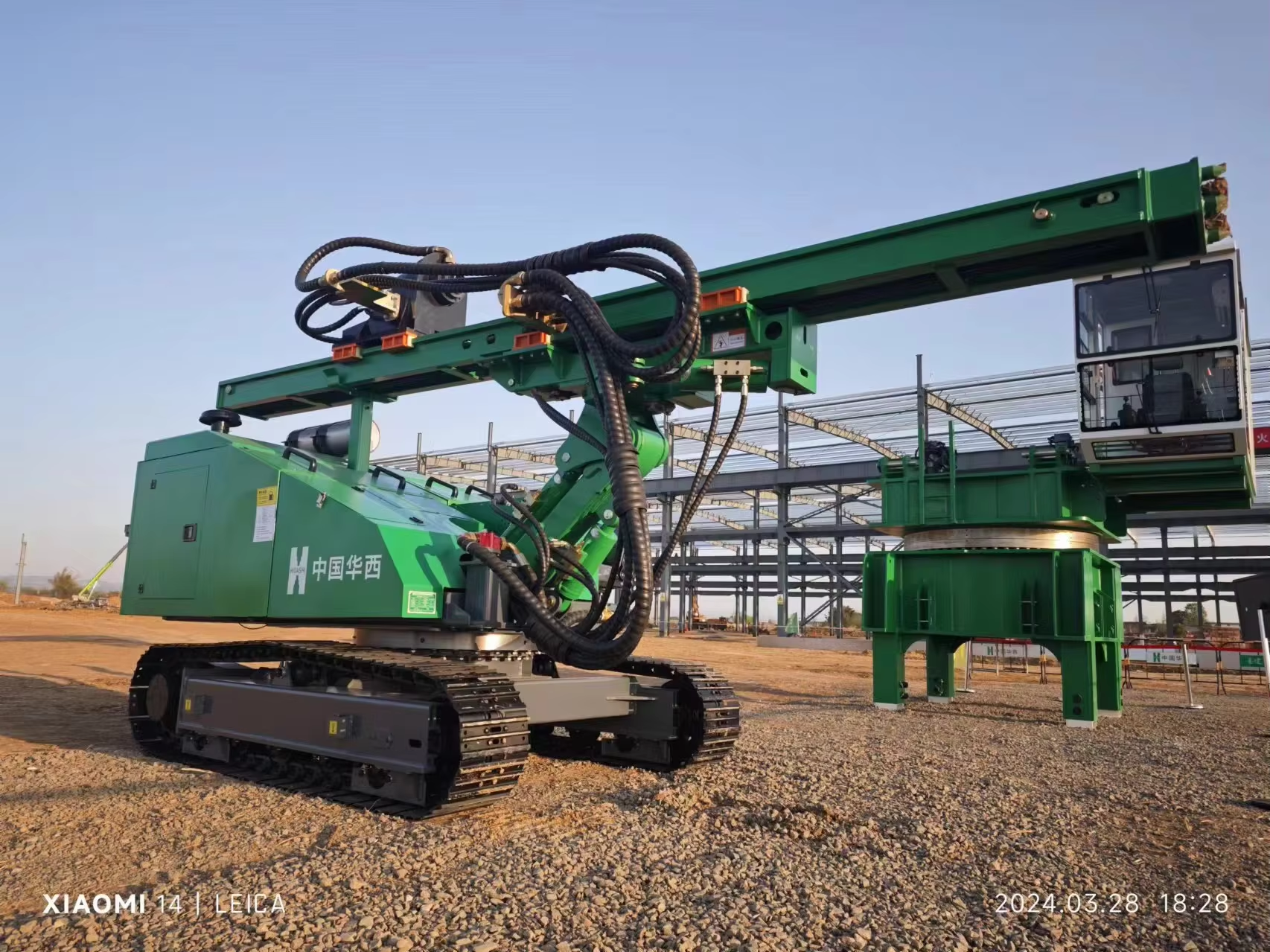
Selecting the right equipment for foundation and drilling work is one of the most consequential decisions a project manager or civil engineer can make. A multifunctional pile driver is not a one-size-fits-all machine — it is a specialized piece of heavy equipment whose performance, compatibility, and efficiency must align with the specific demands of your project site, soil conditions, and construction objectives. Making the wrong choice can lead to costly delays, mechanical failures, and substandard results that compromise the structural integrity of your entire build.
This guide is designed to walk you through the key selection criteria for choosing a multifunctional pile driver that genuinely fits your project requirements. Whether you are working on civil construction, deep water well drilling, infrastructure development, or ground stabilization, understanding what separates an appropriate machine from an unsuitable one will save you time, budget, and headaches. The following sections cover everything from machine type and drive system to site logistics and project-specific performance expectations.
Understanding What a Multifunctional Pile Driver Actually Does
Core Functions and Operational Versatility
A multifunctional pile driver is engineered to handle a broad spectrum of tasks beyond traditional pile installation. Modern machines in this category can perform rotary drilling, down-the-hole (DTH) hammer drilling, vibratory driving, and in some configurations, hydraulic impact driving — all within a single platform. This versatility is precisely what makes the selection process complex, because the machine must be evaluated not only for what it can do, but for how well it performs the specific functions your project demands.
The operational range of a multifunctional pile driver typically includes soil displacement piling, bored pile construction, anchor installation, and deep well drilling for civil or geotechnical purposes. Understanding which of these functions are primary versus secondary in your project helps narrow down the specifications you truly need. Overspecifying a machine leads to unnecessary capital expenditure, while underspecifying leads to performance shortfalls on the job site.
For projects that involve both conventional foundation work and specialized drilling — such as deep water well drilling combined with structural pile installation — a crawler-mounted, full hydraulic system offers the best balance of mobility, power transmission efficiency, and multi-task capability. The hydraulic drive system in such machines allows for precise torque control, which is critical when transitioning between different drilling or driving modes.
The Role of the Drive System in Performance
When evaluating any multifunctional pile driver, the drive system is arguably the most important technical parameter. Hydraulic drive systems outperform mechanical and electric drive alternatives in most heavy-duty civil construction environments because they deliver consistent force across varying load conditions. Full hydraulic systems allow operators to adjust down-pressure, rotation speed, and impact energy in real time, which is essential when encountering unexpected geological variations mid-project.
A full hydraulic multifunctional pile driver also offers superior reliability in harsh conditions, including wet sites, slope terrain, and confined urban construction zones. The absence of mechanical gearboxes in the power transmission chain reduces maintenance frequency and extends the operational lifespan of the machine. For project managers who need to minimize downtime during tight construction schedules, this reliability factor carries significant weight in the selection decision.
Matching Machine Specifications to Project Conditions
Soil and Geological Compatibility
The first and most critical site-specific factor in choosing a multifunctional pile driver is the geological profile of your project area. Soft alluvial soils, loose sand, clay-rich substrates, and hard rock formations each demand fundamentally different machine configurations. A rotary DTH (down-the-hole) drilling machine is optimized for hard rock penetration and is commonly used in civil construction projects that require deep anchor bolts or water well drilling in consolidated geological formations.
For mixed-soil environments — where the project site transitions between soft overburden and hard bedrock — the ideal multifunctional pile driver must be capable of switching between rotary cutting and percussive impact modes without requiring a full equipment swap. This is where genuine multifunctionality becomes a project-critical asset rather than a marketing term. Machines that can accommodate interchangeable tooling systems, such as auger bits, DTH hammers, and coring barrels, provide the adaptability needed for complex geological profiles.
Conducting a thorough geotechnical investigation before selecting your multifunctional pile driver is not optional — it is fundamental. Borehole logs, SPT (Standard Penetration Test) results, and rock quality designation (RQD) data should directly inform the machine specifications you request from your equipment supplier. Without this data, any selection process is essentially guesswork.
Pile Depth, Diameter, and Load Requirements
Beyond soil conditions, the structural requirements of your project define the physical performance envelope of the multifunctional pile driver you need. The design pile depth determines the mast height, kelly bar length, and torque output required from the rotary head. Shallow foundation piles for lightweight structures demand far less from a machine than deep, large-diameter bored piles for bridge abutments or high-rise buildings.
Diameter requirements are equally decisive. A multifunctional pile driver configured for 300mm diameter bored piles will not be adequate for a project requiring 1200mm diameter piles. The rotary head torque output, the crowd force (down-pressure system), and the hydraulic flow rate of the power unit must all scale appropriately with the intended pile diameter. Consulting the machine's torque-depth performance curve during the selection process is a technically sound approach that many project engineers overlook.
Load-bearing requirements also influence pile spacing and installation precision. A multifunctional pile driver equipped with modern GPS-assisted positioning systems and inclinometers offers better vertical alignment accuracy, which directly impacts the structural performance of the finished foundation. For projects with tight tolerance requirements, positioning technology should be considered a specification priority, not an optional upgrade.
Evaluating Mobility and Site Access Requirements
Crawler-Mounted Versus Wheeled or Static Configurations
The mobility configuration of a multifunctional pile driver must match the physical characteristics of your construction site. Crawler-mounted machines are the dominant choice for most civil construction environments because they distribute ground pressure evenly, navigate soft terrain without sinking, and can self-reposition between pile locations without external assistance. This self-mobility reduces crane dependency and accelerates installation cycles significantly.
A crawler-mounted multifunctional pile driver is particularly well-suited for large open sites, linear infrastructure projects such as highway or railway foundation work, and terrain-challenging projects like hillside developments or riverbank stabilization. The low ground-bearing pressure of a properly designed crawler undercarriage also minimizes site disturbance — a factor of increasing importance on projects with environmental sensitivity requirements.
Wheeled configurations and skid-mounted static rigs, by contrast, are more appropriate for confined indoor applications, factory floor installations, or projects where the machine will remain stationary for extended periods. If your project involves frequent repositioning across a large footprint, the mobility advantage of a crawler-mounted multifunctional pile driver will directly reduce your overall installation timeline and labor costs.
Transport, Logistics, and Site Setup Considerations
The physical dimensions and transport weight of a multifunctional pile driver must be evaluated in the context of your site access infrastructure. Large hydraulic drilling rigs require low-loader transport, appropriate road permits for oversize loads, and in some cases, partial disassembly for bridge clearance or urban access restrictions. Failing to account for these logistics during the procurement phase can create significant delays before a single pile is installed.
Compact or mid-range multifunctional pile driver models offer a practical advantage for projects in dense urban environments, remote locations with limited road access, or sites with restricted entry points. The trade-off between machine compactness and raw performance output is one that must be evaluated against the full scope of project requirements rather than optimized for either dimension in isolation.
Assessing Power Output, Efficiency, and Energy Source
Hydraulic Power Unit Sizing and Engine Performance
The power unit of a multifunctional pile driver — typically a diesel engine driving a hydraulic pump system — must be sized appropriately for the most demanding operational scenario the machine will encounter. Undersized power units create hydraulic pressure drops during peak load conditions, resulting in reduced penetration rates, tool wear, and operator frustration. Oversized units, while robust, consume excess fuel and may not justify the capital and operating cost premium for lighter-duty projects.
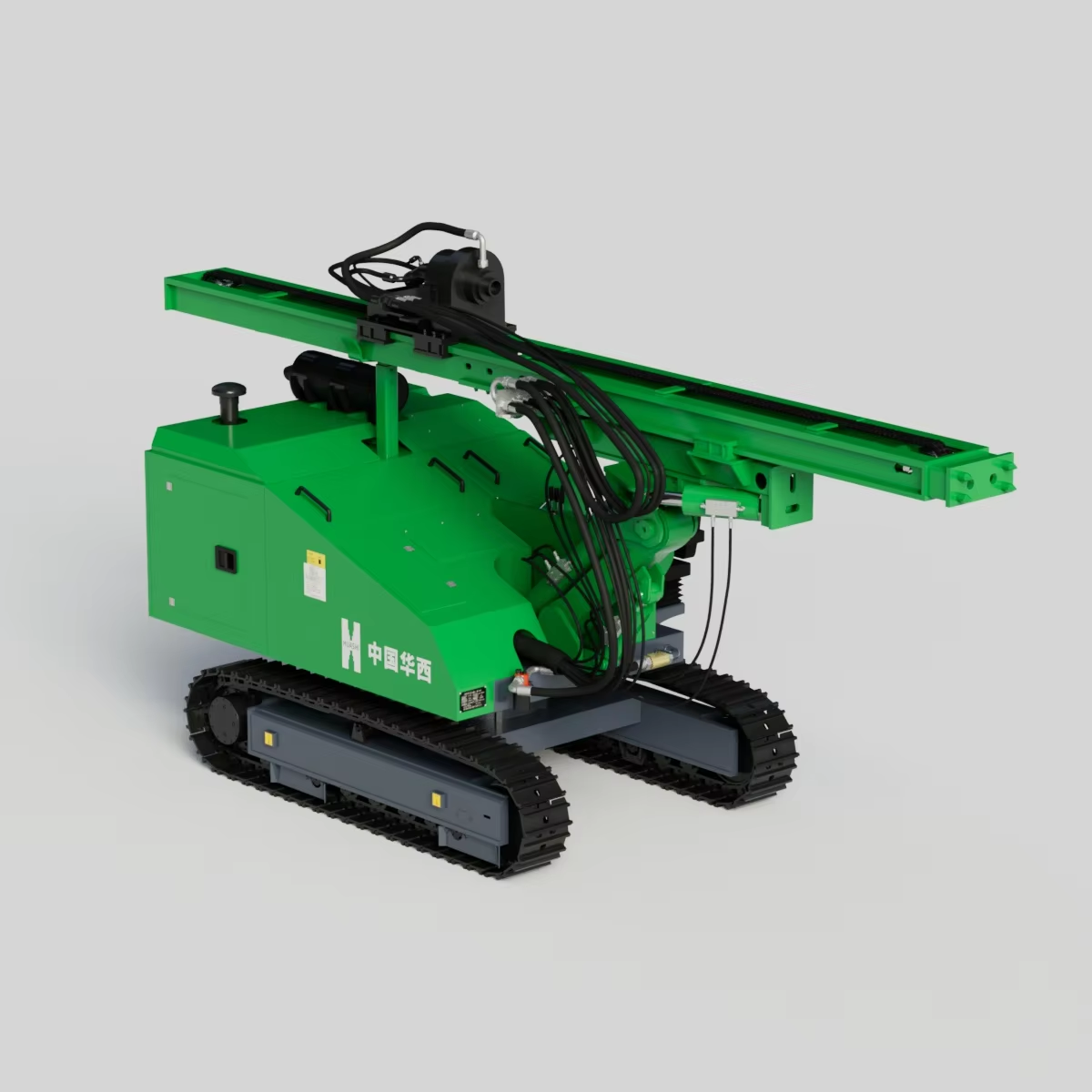
Engine performance in a multifunctional pile driver should be evaluated at altitude-adjusted output levels if the project is located at high elevation, as diesel engines lose horsepower with increasing altitude. Tier 4 Final or equivalent emissions-compliant engines are increasingly required on projects governed by environmental regulations, and this compliance requirement should be confirmed with the equipment supplier before finalizing the purchase or rental agreement.
Hydraulic system pressure ratings, flow rates, and circuit configurations determine how effectively the multifunctional pile driver can manage simultaneous functions — such as crowd force application while maintaining rotary head speed. A well-engineered hydraulic circuit with load-sensing valves and pressure-compensated pumps delivers both energy efficiency and responsive performance across varied operational modes.
Fuel Efficiency and Long-Duration Project Economics
For projects spanning multiple months, fuel consumption is a significant operating cost that deserves serious attention during the machine selection process. A multifunctional pile driver with an efficient engine management system and automatic idle-down features can reduce fuel consumption by 15–25% compared to older generation machines operating identical duty cycles. Over the course of a large infrastructure project, this efficiency differential translates into substantial cost savings.
Maintenance intervals, spare parts availability, and local service support are additional economic factors that influence the true total cost of ownership for any multifunctional pile driver. Machines with internationally standardized hydraulic components, widely available engine parts, and clear maintenance schedules reduce the risk of costly unplanned downtime on critical path project activities.
Safety Features, Compliance, and Operator Requirements
Structural Safety and Certification Standards
Compliance with internationally recognized safety and quality standards is a non-negotiable criterion when selecting a multifunctional pile driver for civil construction use. CE certification, ISO compliance, and equivalent national safety standards ensure that the machine has been independently assessed for structural integrity, hydraulic system safety, and operator protection. Projects tendered by government agencies or international contractors routinely require certified equipment as a condition of site entry.
A CE-approved multifunctional pile driver provides documented assurance that the machine meets European safety directives, which are widely recognized as a credible benchmark even in non-European markets. Structural components such as the mast, rotary head mounting, and crawler frame should be verified against manufacturer stress calculations and fatigue test data, particularly for machines used in high-cycle, repetitive pile installation scenarios.
Anti-tipping systems, automatic load monitoring, emergency hydraulic shutdown mechanisms, and ROPS/FOPS operator cabin protection are safety features that should be verified as standard rather than optional on any multifunctional pile driver intended for active construction sites. The cost of a workplace incident far exceeds the cost difference between a machine with adequate safety features and one without.
Operator Training and Skill Requirements
The operational complexity of a multifunctional pile driver demands trained, experienced operators who understand both the mechanical system and the geotechnical principles governing their work. Modern full hydraulic machines incorporate sophisticated control systems that require competent operation to achieve optimal penetration rates and avoid tool damage. Investing in formal operator training programs is a prerequisite for achieving the productivity benchmarks that justified the machine purchase in the first place.
When evaluating equipment suppliers, inquire specifically about operator training support, digital operation manuals, and remote technical assistance capabilities. A supplier who provides comprehensive post-sales technical support enhances the effective productivity of your multifunctional pile driver deployment and reduces the learning curve cost for your crew during the critical early stages of project execution.
FAQ
What is the most important factor when choosing a multifunctional pile driver?
The most important factor is matching the machine's technical specifications to the actual geological and structural requirements of your project. This means reviewing soil investigation data, pile depth and diameter requirements, and site access conditions before evaluating any specific machine. A multifunctional pile driver that performs excellently in one project context may be entirely inadequate in another, so site-specific analysis must come first.
Is a crawler-mounted multifunctional pile driver suitable for all site types?
Crawler-mounted machines are suitable for the vast majority of civil construction site types, including soft ground, sloped terrain, and large open-area projects. However, they may not be the optimal choice for confined indoor installations or sites with strict weight restrictions on access roads. The selection between crawler-mounted and alternative configurations should always be made after a thorough site access and ground-bearing capacity assessment.
How does a full hydraulic system benefit a multifunctional pile driver?
A full hydraulic system provides precise, continuously adjustable control over torque, crowd force, and rotation speed, which allows the operator to respond dynamically to changing soil conditions without interrupting the drilling or driving cycle. This results in improved penetration rates, reduced tool wear, and greater operational safety. Full hydraulic systems also tend to require less mechanical maintenance than mixed mechanical-hydraulic drive configurations, improving long-term reliability for the multifunctional pile driver.
What certifications should I look for when purchasing a multifunctional pile driver?
CE certification is a widely recognized benchmark for structural and operational safety compliance and should be considered a minimum requirement for any multifunctional pile driver intended for professional construction use. Beyond CE, ISO quality management certification from the manufacturer indicates systematic production quality control. For specific markets, additional national certifications may be required, so confirming compliance requirements with the project owner or regulatory authority before purchasing is strongly advisable.
Table of Contents
- Understanding What a Multifunctional Pile Driver Actually Does
- Matching Machine Specifications to Project Conditions
- Evaluating Mobility and Site Access Requirements
- Assessing Power Output, Efficiency, and Energy Source
- Safety Features, Compliance, and Operator Requirements
-
FAQ
- What is the most important factor when choosing a multifunctional pile driver?
- Is a crawler-mounted multifunctional pile driver suitable for all site types?
- How does a full hydraulic system benefit a multifunctional pile driver?
- What certifications should I look for when purchasing a multifunctional pile driver?