 EN
EN

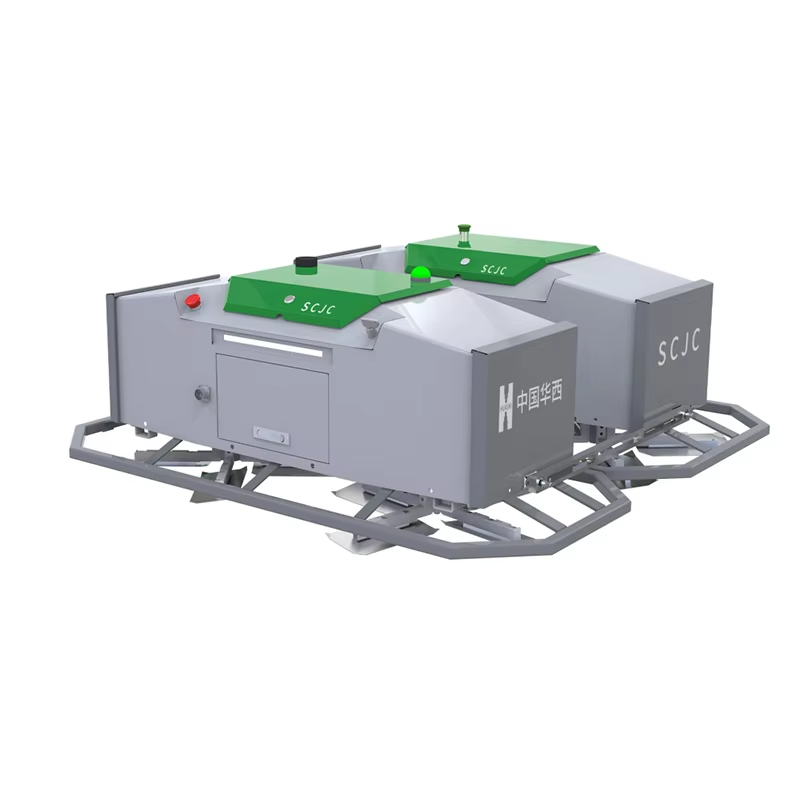
The Growing Labor Crisis in Concrete Paving
Aging Workforce and Declining Apprenticeship Pipelines
Concrete paving has a serious problem finding enough skilled workers these days, mainly because of changing demographics and not enough people getting proper training. More than twenty percent of construction workers in America are over fifty-five years old and will be retiring soon. At the same time, apprentice programs just can't seem to draw in younger folks according to recent data from the Construction Labor Report. What this means is there's a big gap in expertise right now. Newcomers aren't getting much hands on practice with things like operating laser screeds or working with BIM systems. And worse still, we're losing all those years of accumulated know how about how to properly control surface tolerances and pour concrete even when weather conditions aren't ideal. This situation is becoming increasingly urgent for the industry as a whole.
How Labor Gaps Directly Compromise Concrete Paving Quality and Timelines
Labor shortages force contractors to split crews across multiple sites, degrading precision in timing-critical processes:
- Finish quality deterioration: Understaffed teams miss optimal windows for bull floating and troweling, increasing surface imperfections
- Project delays: 63% of contractors report schedule overruns due to crew shortages (Construction Productivity Index)
- Rework costs: Inadequate staffing during temperature-sensitive pours leads to cracking and joint misalignment—requiring costly tear-outs
In climate-extreme regions, these challenges intensify: rushed night pours in hot climates cause premature curing, while cold-region projects suffer freeze-thaw damage from improperly timed finishing. These operational fractures directly undermine pavement durability and lifecycle cost efficiency.
Concrete 3D Printing: Scaling Consistency Without Scaling Labor
Case Study: PERI's BOD2 Printer Achieving 98.7% Dimensional Accuracy in Bridge Deck Repairs
Getting bridge deck repairs right requires near perfect alignment if we want to ensure both structural integrity and safety. Traditional approaches just don't cut it though, since human error during pouring and finishing creates too much variability. Take a look at what happened on a recent infrastructure job where they used robotic extrusion tech instead. The PERI BOD2 printer came equipped with sensors that kept an eye on things like material thickness and how well layers stuck together as work progressed. Instead of relying solely on human judgment, this machine made automatic adjustments to keep everything flowing smoothly. What's impressive is that these adjustments resulted in around 98 or 99% accuracy when measuring dimensions on those critical load bearing areas of the bridge.
Labor needs dropped around 60 percent while finishing times got slashed by nearly 40% compared to traditional methods used before this innovation came along. Workers who once spent hours manually handling materials now spend their time overseeing operations through simple touchscreen controls after just basic orientation sessions. The system saves money too since there's no need for temporary supports during construction, less raw material goes to waste, and everything cures evenly across the board. Overall expenses fell approximately 22% as a result. What we're seeing here is pretty clear evidence that automated solutions can produce high quality infrastructure work without doing away with skilled workers entirely. Instead of making experts obsolete, these technologies actually help stretch limited manpower resources further when staffing levels are tight.
Strategic Implementation: Bridging the Skills Gap Through Human-Robot Collaboration
Bringing robotics into concrete paving work helps tackle the ongoing labor shortage issue without sacrificing quality standards. These collaborative machines take over those boring, repetitive jobs that need precision like finishing joints and getting surfaces level just right. They follow their programming consistently so mistakes happen less often compared to manual work. What this means is that experienced workers aren't stuck doing grunt work all day. Instead they can concentrate on making tough calls about the job, checking quality throughout the process, and solving problems when unexpected things come up. Machines might be good at following instructions, but there's still plenty of room for human expertise in figuring out what actually needs to be done on site.
Meanwhile, these easy-to-use robotic systems let newer teams tackle complex jobs that once needed years of experience on site. The learning process gets shortened dramatically, and there's less risk of losing critical knowledge between shifts or when workers leave. Companies that invest in regular training for operating and maintaining robots see their staff grow skills much faster too. This creates a steady flow of qualified personnel over time. When contractors mix robot accuracy with human judgment during road paving work, they get results that stand out. According to recent surveys, about 9 out of 10 contractors notice better productivity numbers. Projects finish quicker, roads hold up better under stress, and operations stay strong even without hiring extra people.
FAQ
What is causing the labor shortage in concrete paving?
The labor shortage in concrete paving is primarily due to an aging workforce and declining apprenticeship pipelines. Many construction workers are nearing retirement, while apprentice programs struggle to attract younger individuals.
How does the labor shortage affect concrete paving projects?
Labor shortages compromise concrete paving quality and timelines by forcing contractors to split crews, leading to finish quality deterioration, project delays, and increased rework costs.
What are some technological solutions to address the labor crisis in concrete paving?
Concrete 3D printing and human-robot collaboration are two technological solutions that help tackle the labor shortage. They enhance precision, reduce labor needs, and improve project efficiency without sacrificing quality.