 EN
EN

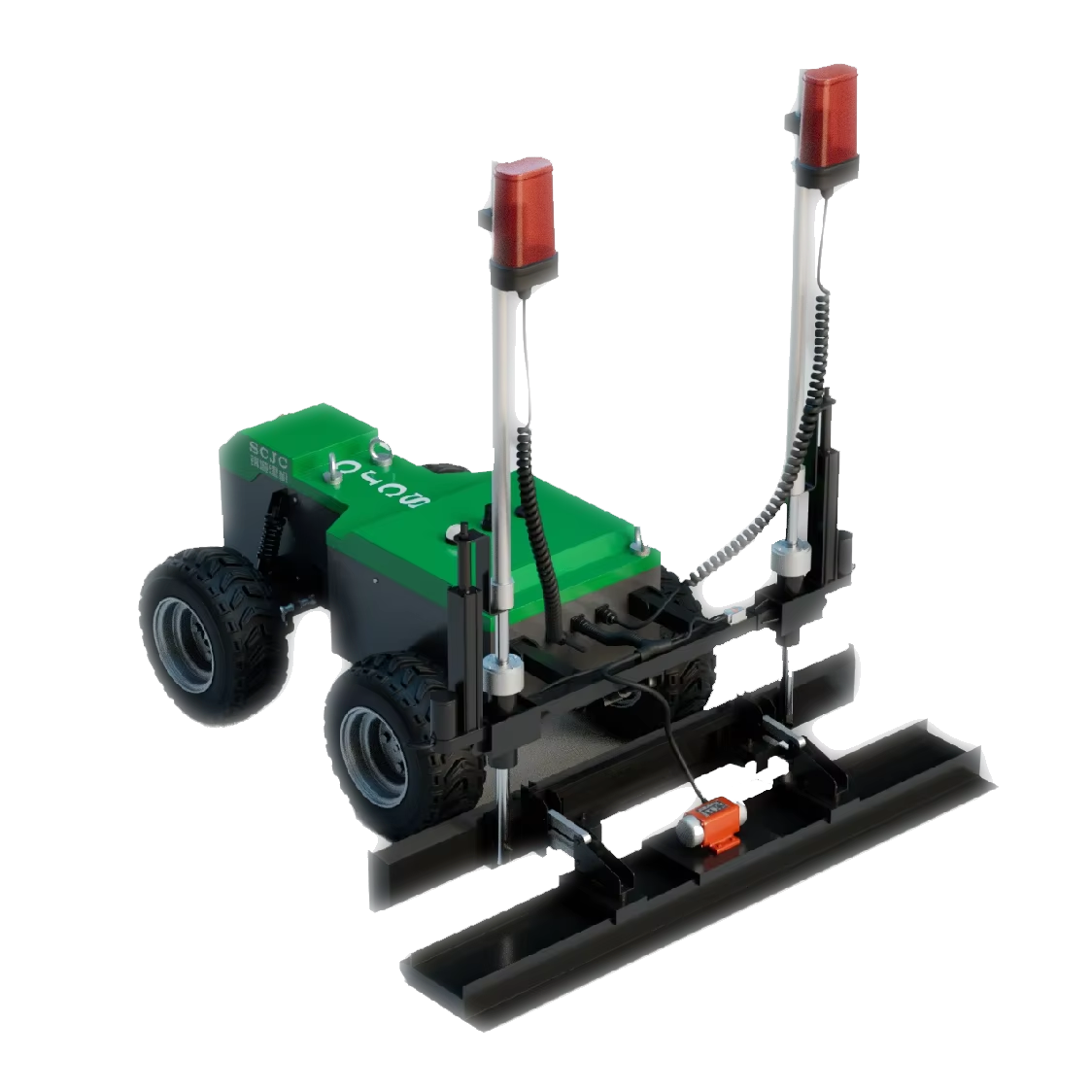
Precision and Consistency: Measuring Flatness, Levelness, and Real-World Performance
FF/FL Metrics: How Robotic Paving Achieves Sub-Millimeter Repeatability
Concrete paving robots bring a whole new level of accuracy to the job site thanks to their ability to make constant adjustments at the millimeter scale. These machines use laser guidance systems along with real time sensor data to keep everything perfectly aligned during construction. The results speak for themselves when it comes to flatness and levelness measurements. Tests show robotic systems can hit FF/FL ratings that are somewhere between 50% and even double what human crews typically achieve according to ASTM standards. Traditional methods often accumulate small errors throughout the process, but robotic paving cuts down on those cumulative mistakes. Industrial concrete slabs now routinely stay within just 1mm of perfect across massive warehouse floors. This kind of precision makes all the difference for facilities needing smooth surfaces for racking systems or AGV operations where even minor bumps can cause problems over time.
Reducing Human Variability: Field Data from NRMCA on Surface Defect Reduction
NRMCA field studies (2023) show robotic systems reduce high/low spots by 60–80% compared to traditional crews. Key findings include:
- 72% fewer joint mismatches in tilt-up construction
- 67% reduction in curl-related cracks at slab edges
- Near-elimination of “birdbath” pooling (≈0.3% occurrence vs. 8% with manual methods)
This consistency lowers grinding and patching costs by $4.50–$7.20 per square yard while extending floor service life.
Project Fit: Matching the Right Concrete Paving Method to Site Conditions and End-Use Requirements
High-Performance Industrial Floors: Where Robotic Paving Delivers Clear ROI
Industrial facilities needing those super flat surfaces FF50/FL45 or better simply cannot do without robotic paving anymore. These automated systems take away all the guesswork from manual screeding work, delivering measurements down to fractions of a millimeter on big warehouse and factory floors. The payoff? Much less wear and tear over time. Forklifts don't beat up joints as badly, there's less peeling off of surfaces, and automated guided vehicles keep running smoothly year after year. Projects get finished faster too sometimes shaving off 20 to 30 percent off the original timeline which means factories stay online generating income instead of sitting idle. For operations where absolute flatness matters most, companies usually see their investment in robotic concrete paving pay for itself within around a year and a half when they factor in all the money saved from not having to fix problems later plus longer lasting floors overall.
Challenging or Low-Volume Sites: When Traditional Screeding Remains the Pragmatic Choice
When robots hit their limits due to space issues or budget concerns, traditional screeding just makes more sense for many jobs. Think about those tricky projects with lots of corners, all those pipes sticking through floors, or when the floor level changes every 30 to 50 feet. Skilled workers handle these situations much better than waiting around for robot reprogramming or messing with sensors again. And let's be honest, nobody wants to spend big bucks bringing in robotic gear for something small like under 1,000 square feet. Manual screeds with laser guides still get pretty good results meeting FF35/FL30 standards needed for stores or home driveways, all while saving money upfront. This is especially true in complicated city environments or when working on things like utility vaults where people simply adapt faster and cheaper than trying to make automation fit awkward spaces.
FAQ
- What is FF/FL measurement in concrete paving?FF/FL is a measurement system used to quantify the flatness (FF) and levelness (FL) of concrete surfaces.
- How do robotic paving systems improve concrete surface quality?Robotic paving systems improve quality by providing real-time adjustments and data, ensuring precise alignment and greater consistency in surface flatness and levelness.
- In what cases is traditional screeding preferred over robotic paving?Traditional screeding is preferred in small or complex sites with numerous obstructions or changes in floor levels where robotic systems may face limitations.
- How do robotic paving systems benefit industrial facilities?Robotic systems enhance surface durability, reduce maintenance costs, and increase operational efficiencies in facilities requiring high-precision surfaces, like warehouses and manufacturing plants.