 EN
EN

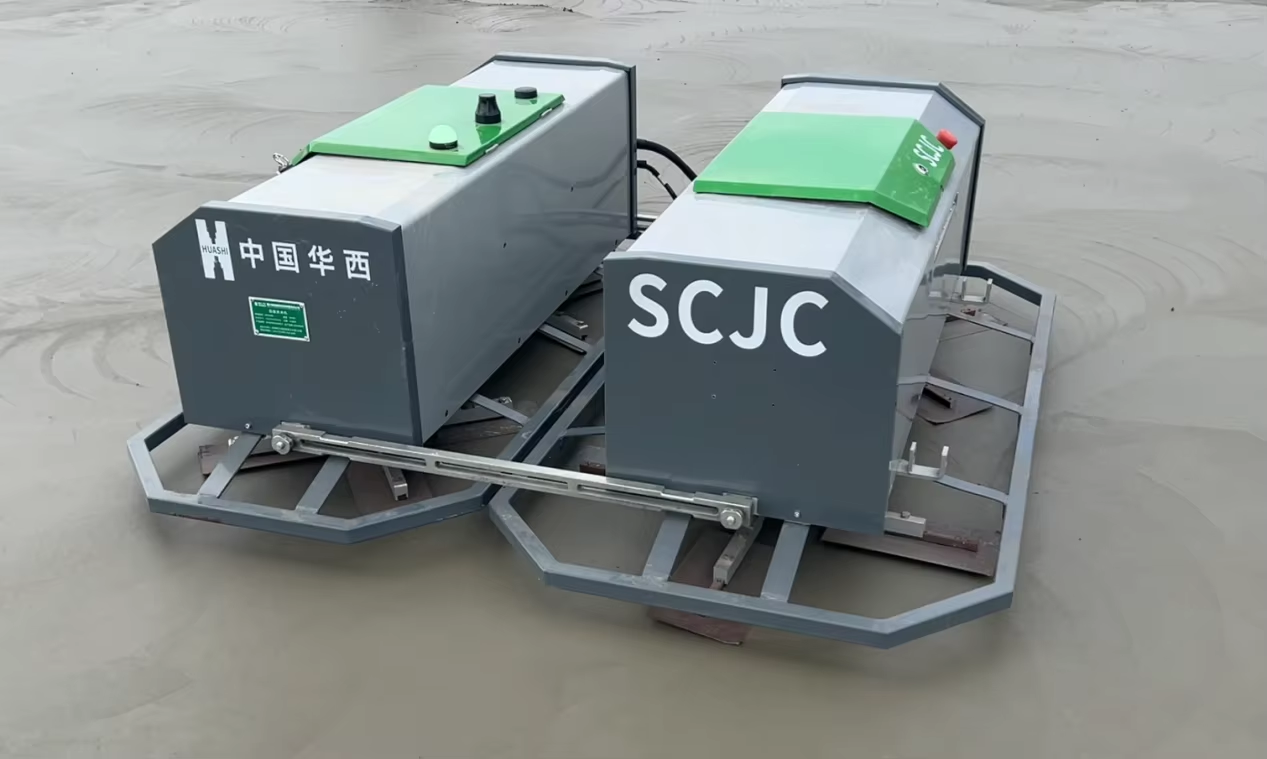
Concrete Paving Robot: Definition, Core Purpose, and Operational Principle
What qualifies as a concrete paving robot?
Concrete paving robots represent a major shift away from manual labor in creating slabs, combining the steps of extruding, compacting, and finishing all in one go. These machines are designed primarily to get concrete down with near-perfect accuracy at the millimeter level, which matters a lot for how long roads and other structures last. According to some recent studies, they cut down on the need for human workers by around 60 percent. What sets them apart from older methods is their ability to sense what's happening as they work through built-in sensors and smart control systems that automatically fix issues while pouring happens. This means fewer mistakes that would otherwise require expensive fixes later on. Projects tend to wrap up about 30% quicker when using these robots, plus the finished surfaces meet those tough ASTM C94 requirements without fail.
How GPS, LiDAR, and closed-loop hydraulic systems enable autonomous grade control
Three technologies synchronize to deliver sub-millimeter accuracy:
- GPS (Global Positioning System) provides real-time location mapping within 2mm tolerance
- LiDAR (Light Detection and Ranging) scans surface topography 100 times per second to detect voids or deviations
- Closed-loop hydraulic systems instantly adjust screed height based on sensor feedback
This integration creates a self-regulating workflow: the system continuously compares design blueprints against actual conditions, adjusting extrusion pressure and vibratory frequency to maintain ±1.2mm flatness—a fivefold improvement over manual methods.
| Control System | Manual Operation | Robotic Operation |
|---|---|---|
| Grade Tolerance | ±6.5mm | ±1.2mm |
| Adjustment Frequency | Every 10 minutes | Real-time (200Hz) |
| Labor Monitoring Needs | 3–4 workers | Remote supervision |
By eliminating manual measurement and mechanical adjustments, projects achieve 40% material efficiency through optimal concrete distribution—directly addressing the $740k annual rework costs plaguing conventional paving (Ponemon 2023).
How Concrete Paving Robots Transform On-Site Workflows and Labor Efficiency
From manual screeding to real-time, sensor-driven slab leveling
The new generation of concrete paving robots is changing the game when it comes to getting rid of all that backbreaking manual work involved in screeding. These machines use advanced technology like GPS and LiDAR systems to constantly check what's going on beneath the surface, allowing for incredibly precise adjustments down to the millimeter as the concrete gets laid down. The system works by sending real time information to hydraulic controls which then adjust nozzle angles and control how fast the machine moves across the job site. No more guessing games or having to go back multiple times to fix things after the fact. Contractors report seeing around a 60% reduction in the number of people needed for leveling tasks, plus they end up with much flatter slabs than anyone could achieve using traditional hand tools. This kind of consistency makes a huge difference in quality control for construction projects big and small.
Case evidence: 40% faster slab completion with leading systems on highway projects
Highway construction trials demonstrate transformative efficiency gains: robotic paving systems completed lane sections 40% faster than conventional methods (2023 field analysis). This acceleration stems from three interrelated advantages:
- Continuous operation without fatigue-related downtime
- Elimination of post-pour rework via real-time grade correction
- Concurrent finishing integrated into the placement process
The resulting labor reduction—averaging 3.5 crew-hours per 100m²—delivers ROI within 18 months by minimizing both payroll expenses and schedule overruns.
Key Technical Components Enabling Precision Concrete Paving
Integrated subsystems: grade-sensing arrays, adaptive extrusion, and autonomous steering
Getting things right depends on three main parts working together. The grade sensing system mixes GPS data with LiDAR scans to create detailed maps of the ground surface down to the millimeter level. These maps generate live elevation models that actually help operators make adjustments as they work. When it comes to laying concrete, the extrusion mechanism adjusts how much material gets placed based on what the sensors detect. This helps maintain even thickness across the surface even when there are bumps or dips underneath. And then there's the steering system. It automatically keeps the paving machine going straight using those hydraulic systems we all know about. Most modern machines stay aligned within about 2mm of where they should be according to plans, and this happens completely on its own without anyone needing to steer manually.
This orchestrated system replaces guesswork with data-driven execution, enabling tolerances unachievable manually while reducing material waste by up to 15%. Crucially, the subsystems adapt collectively to environmental variables—such as temperature-induced changes in concrete viscosity—ensuring stable performance across varying site conditions.
Performance and ROI: Concrete Paving Robots vs. Conventional Methods
Accuracy, consistency, and tolerance data: ±1.2mm vs. ±6.5mm in NIST field trials
The latest concrete paving robots achieve amazing levels of slab flatness thanks to their built-in sensor networks. Traditional hand-laid methods often suffer from inconsistencies caused by human error, but these automated systems can maintain tolerances around 1.2mm according to tests conducted by NIST. That's actually five times better than the usual 6.5mm variance seen with standard techniques. The improved consistency means fewer fixes after the fact, faster project completion times, and longer lasting structures since there's less stress buildup in the material. With GPS for grading and LiDAR scanning the ground ahead, these machines create surfaces so smooth they look professionally finished even when operated by crews with varying skill levels.
Cost-benefit analysis: Achieving ROI in 12–18 months through labor reduction and rework elimination
When it comes to return on investment in concrete paving automation, there are really just two main factors at play: getting better use out of labor and reducing mistakes. Contractors who automate their screeding and leveling processes can actually shift about 40% of their field crew members to work on more important jobs, all while shaving down paving time by roughly a third. And let's not forget about fixing errors that used to eat up around 15% of every project budget back in the day. That kind of waste elimination adds serious dollars to the bottom line. Most companies spend around 740 thousand bucks on these systems according to recent studies, but they typically get their money back within 12 to 18 months because of all these efficiency gains.
- 65% reduction in leveling labor hours
- 90% decrease in surface remediation costs
- 30% less material waste via precision extrusion control
This financial model positions robotic paving not as experimental technology—but as a mainstream productivity imperative for forward-looking contractors.
FAQ
What are the main advantages of using concrete paving robots?
Concrete paving robots offer numerous advantages including increased accuracy, reduced manual labor, faster project completion, and better quality control. They also reduce the need for post-pour rework and improve material efficiency significantly.
How reliable are the measurements made by the sensors in concrete paving robots?
The sensors in concrete paving robots provide highly reliable measurements with sub-millimeter accuracy, ensuring that the slab flatness is maintained to a very high standard.
What is the typical ROI period for investing in concrete paving robots?
The return on investment period for concrete paving robots is typically between 12 to 18 months, thanks to labor reduction, increased efficiency, and minimized rework costs.