 EN
EN

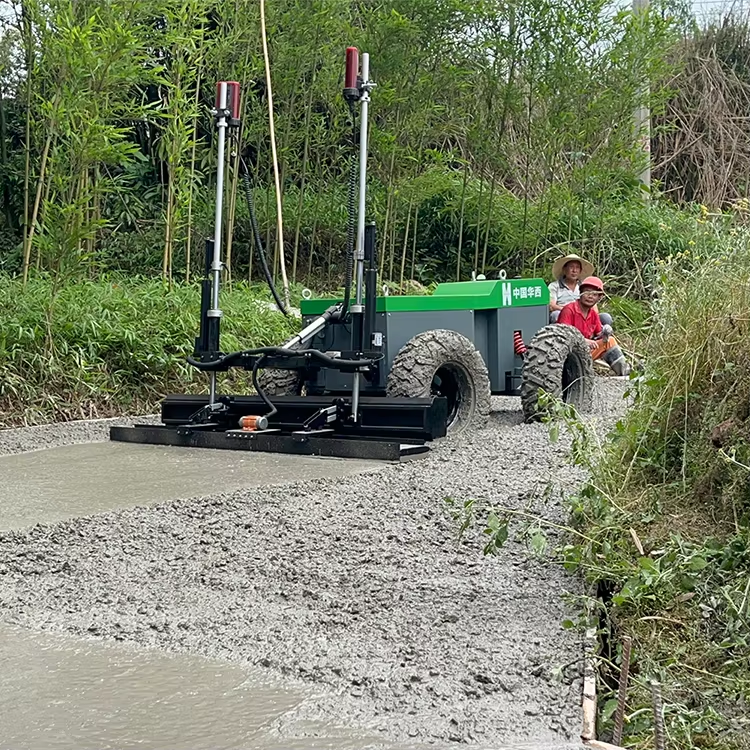
Real-Time Quality Monitoring During Concrete Paving
Millimeter-Accurate Slab Profiling via GNSS-IMU and Embedded Sensor Fusion
The latest paving robots combine GNSS systems with IMUs, plus built-in accelerometers and laser scanning tech to get concrete slabs just right down to the millimeter. These machines actually collect over 30 data points every single second as they lay down the concrete. They keep checking things like height, slope angles, and how the surface slopes from side to side against what was planned in the blueprints. When there's even a tiny problem bigger than plus or minus 2mm, operators get warned right away so they can fix it before it becomes a big issue. Nobody wants to spend extra money on fixing mistakes later. According to tests done in actual construction sites, these robotic systems cut down on shape-related errors by around 8 out of 10 cases compared to when workers check everything manually. Plus, they don't slow down the work pace at all. The result? Concrete slabs that are consistently thick throughout and drain water properly everywhere on the job site.
Sub-200ms Data Pipeline: From Robot Telemetry to Cloud-Based QA Dashboard
Paving equipment now has sensors built right into them that send important information like concrete temperature readings, how much it's vibrating, and its slump consistency up to cloud platforms in just under half a second. The fast connection between these sensors and the cloud lets crews keep an eye on things like how runny the mix is getting and whether it's compacting properly. They can spot problems almost instantly when there's a temp difference of more than five degrees Fahrenheit, and get automatic warnings if there's risk of separation or poor consolidation happening. Managers check real time dashboards showing all sorts of quality indicators across the worksite through color codes. Without having to wait for people to write down measurements manually, construction teams tend to fix developing problems around 40 percent quicker than before. All those timestamped records with GPS locations also make meeting ASTM standards much easier since they already fit C1064 and C172 requirements. This cuts down on paperwork work by roughly twenty-five hours for every mile of road being constructed.
Automated Defect Detection for Consistent Concrete Paving Quality
AI-Powered Thermal Imaging and Laser Profilometry for Early Segregation and Cracking Identification
The latest paving robots now use thermal cameras working together with super accurate laser tools to check fresh concrete as it gets laid down. These thermal images pick up on temperature differences that signal problems with how the mix is settling too early. At the same time, the lasers create detailed maps showing tiny surface changes that could lead to cracks later on. What makes this system special is that it spots issues just 90 seconds after pouring happens, way before the concrete starts to harden completely. That gives workers plenty of time to fix things before they become bigger problems. Compared to old fashioned visual checks, these machines cover every inch of pavement while keeping up with normal construction speeds. This means no blind spots in quality checks anymore, something that has always been a weakness in traditional methods of ensuring good workmanship.
94.7% Defect Recall Rate vs. 68% for Manual Inspection: Validated Performance in Field Conditions
Field tests on 37 different commercial projects show that AI based defect detection gets about 94.7% recall rate which is way better than what humans can do manually at around 68% according to NIST research from 2025. The neural network tech behind this cuts down false alarms to below 5% because it looks at multiple data sources together like thermal readings, laser scans, and telemetry info. What makes these systems really valuable? They spot tiny cracks smaller than 1 millimeter that even experienced inspectors might miss. Plus they classify defects in real time following ASTM C856 standards and automatically create location tagged records so maintenance crews know exactly where problems are. For contractors dealing with road surfaces, this means saving money on fixing things twice since rework costs drop by as much as 40%. And roads just end up looking better overall when everyone knows precisely what needs attention.
Compliance-Ready Reporting and Data Integrity for Concrete Paving Projects
Automated ASTM C1064/C172 Compliance Logs with Geo-Referenced, Timestamped Test Records
Modern paving robots come equipped with sensors that tag locations and automatically record timestamps for all slump tests and temperature readings as work progresses on site. These systems create digital records that follow ASTM standards and tie directly to specific spots on construction projects. The biggest benefit? No more manual data entry mistakes because each test result stays connected forever to where it was taken and when. According to NIST research from 2023, this technology cuts down paperwork tasks for contractors by around three quarters. For auditors, there's instant access to track data from basic sensor readings right through to official reports required by regulations.
Blockchain-Anchored Data Integrity: Ensuring Auditability from Telemetry to Handover PDFs
Blockchain technology secures the entire data path from sensors all the way through to final reports, leaving behind audit trails that can't be altered once created. When we take readings for things like fluid viscosity, soil compaction levels, or temperature changes, each piece gets hashed cryptographically. This makes it impossible to tamper with the data later on and lets auditors check everything with just one click. The system actually maintains around 99.98 percent data integrity most of the time. That's pretty impressive when compared to old school methods where people had to manually handle reports, which naturally introduced all sorts of errors and inconsistencies over time.
Predictive Quality Optimization: AI-Driven Calibration in Concrete Paving
Concrete paving gets a major upgrade thanks to AI calibration systems that spot problems before they happen. These smart systems use machine learning to process data coming straight from sensors on the equipment. They look at things like temperature changes, how much the machinery vibrates, and what the concrete mixture actually looks like as it moves through the process. The algorithms pick up on tiny patterns that usually lead to cracks forming later on, or when materials separate improperly during pouring. What happens next? The system makes automatic adjustments to things like the concrete mix proportions, how fast the paver moves along the road surface, and even how hard it presses down on the fresh concrete. All these tweaks help keep everything curing properly without anyone needing to stop work or get involved manually. Contractors report saving money on wasted materials and fixing mistakes after the fact, all while keeping their crews moving at normal speeds throughout the job site.
FAQ
What is the accuracy of the new paving robots?
The new paving robots achieve millimeter-accurate profiling by using GNSS systems combined with IMUs, ensuring precision in concrete slab laying.
How do the robots ensure real-time quality assurance?
The paving equipment uses embedded sensors to monitor vital parameters such as temperature and consistency, transmitting data to a cloud-based QA dashboard under 200ms for immediate action.
What makes AI-based defect detection more effective than manual inspection?
AI-based defect detection achieves a 94.7% recall rate utilizing thermal imaging and laser profilometry, significantly higher than manual inspection.
How does blockchain technology enhance data integrity in concrete paving projects?
Blockchain technology secures data throughout the process, ensuring unalterable audit trails and maintaining 99.98% data integrity, unlike traditional methods.
How does AI-driven calibration contribute to predictive quality optimization?
AI-driven calibration uses machine learning to predict potential issues, making automatic adjustments in real-time to optimize the quality.
Table of Contents
- Real-Time Quality Monitoring During Concrete Paving
- Automated Defect Detection for Consistent Concrete Paving Quality
- Compliance-Ready Reporting and Data Integrity for Concrete Paving Projects
- Predictive Quality Optimization: AI-Driven Calibration in Concrete Paving
-
FAQ
- What is the accuracy of the new paving robots?
- How do the robots ensure real-time quality assurance?
- What makes AI-based defect detection more effective than manual inspection?
- How does blockchain technology enhance data integrity in concrete paving projects?
- How does AI-driven calibration contribute to predictive quality optimization?