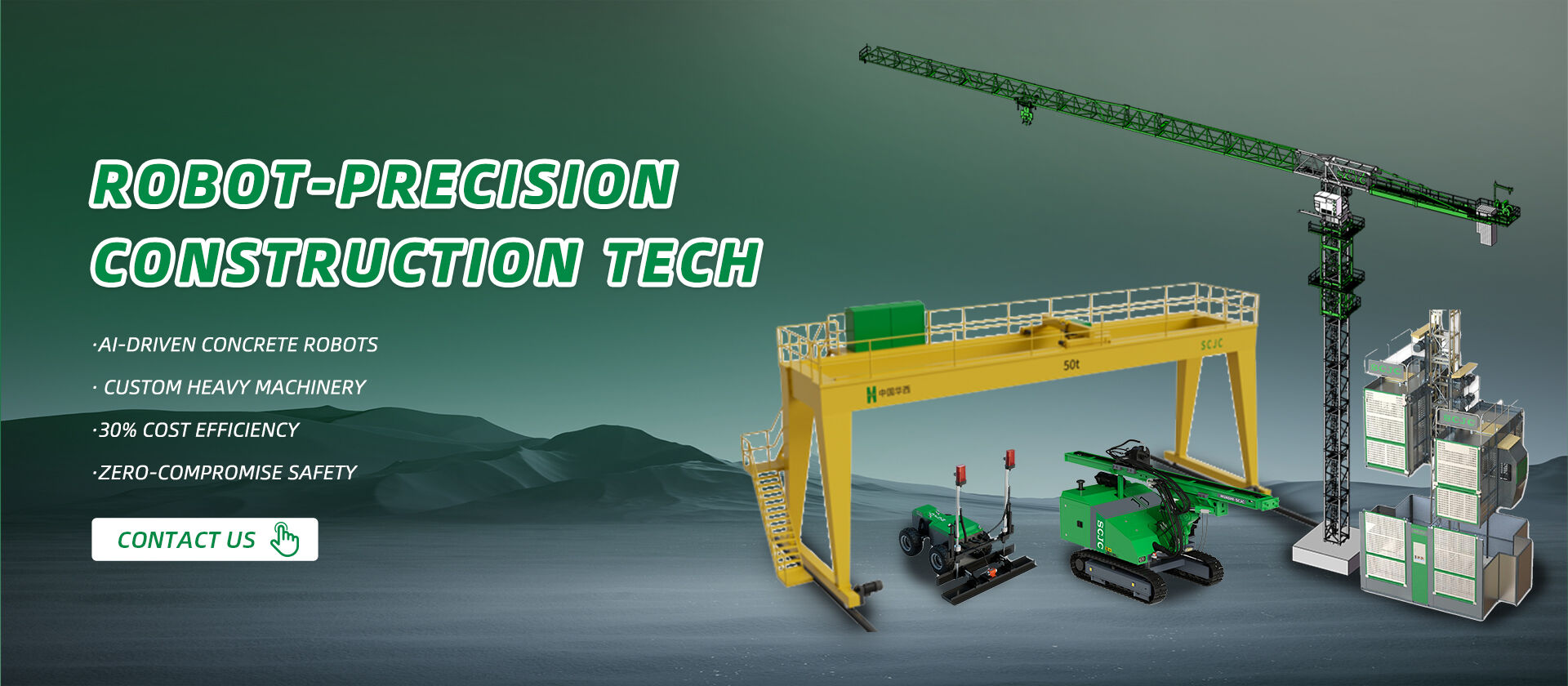
The Significance of the Construction Elevator Market: A Key Enabler for Modern Architecture and Urban Development
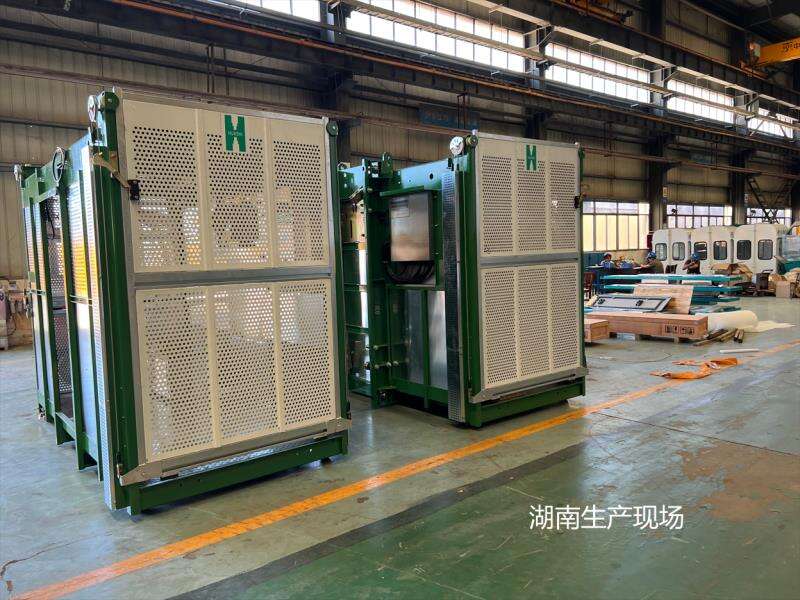
The construction elevator market (also known as construction hoists, material lifts, or tower hoists) plays a pivotal role in today's global construction and infrastructure sectors. With accelerating urbanization driving the proliferation of high-rise buildings, commercial complexes, and large-scale infrastructure projects, construction elevators have become essential equipment for ensuring vertical transportation efficiency, construction safety, and project timelines. Their significance extends beyond technical functionality, profoundly influencing economic development, industry standards, and future urban construction.
1. Core Tool Supporting High-Rise Construction and Vertical Operations
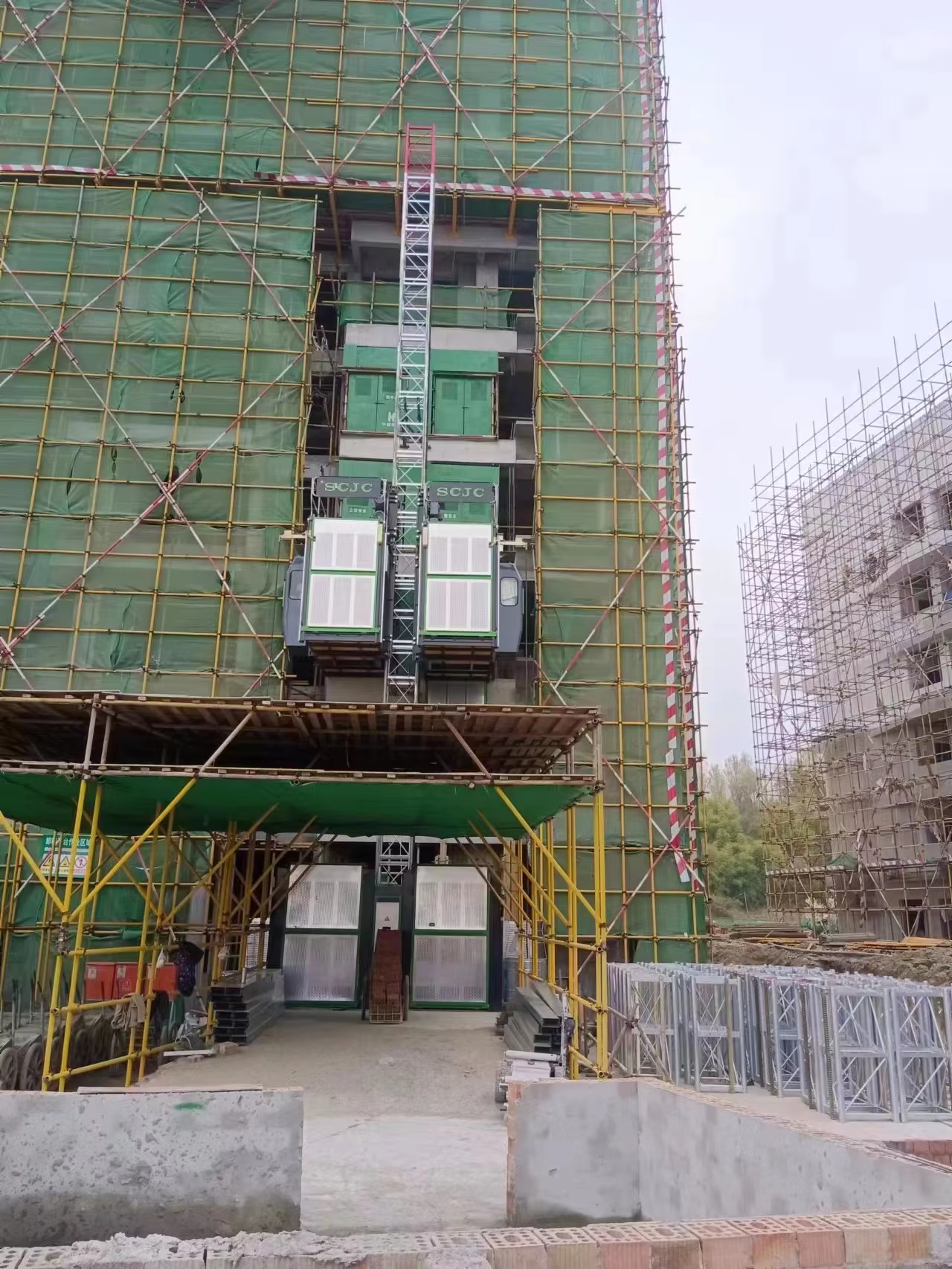
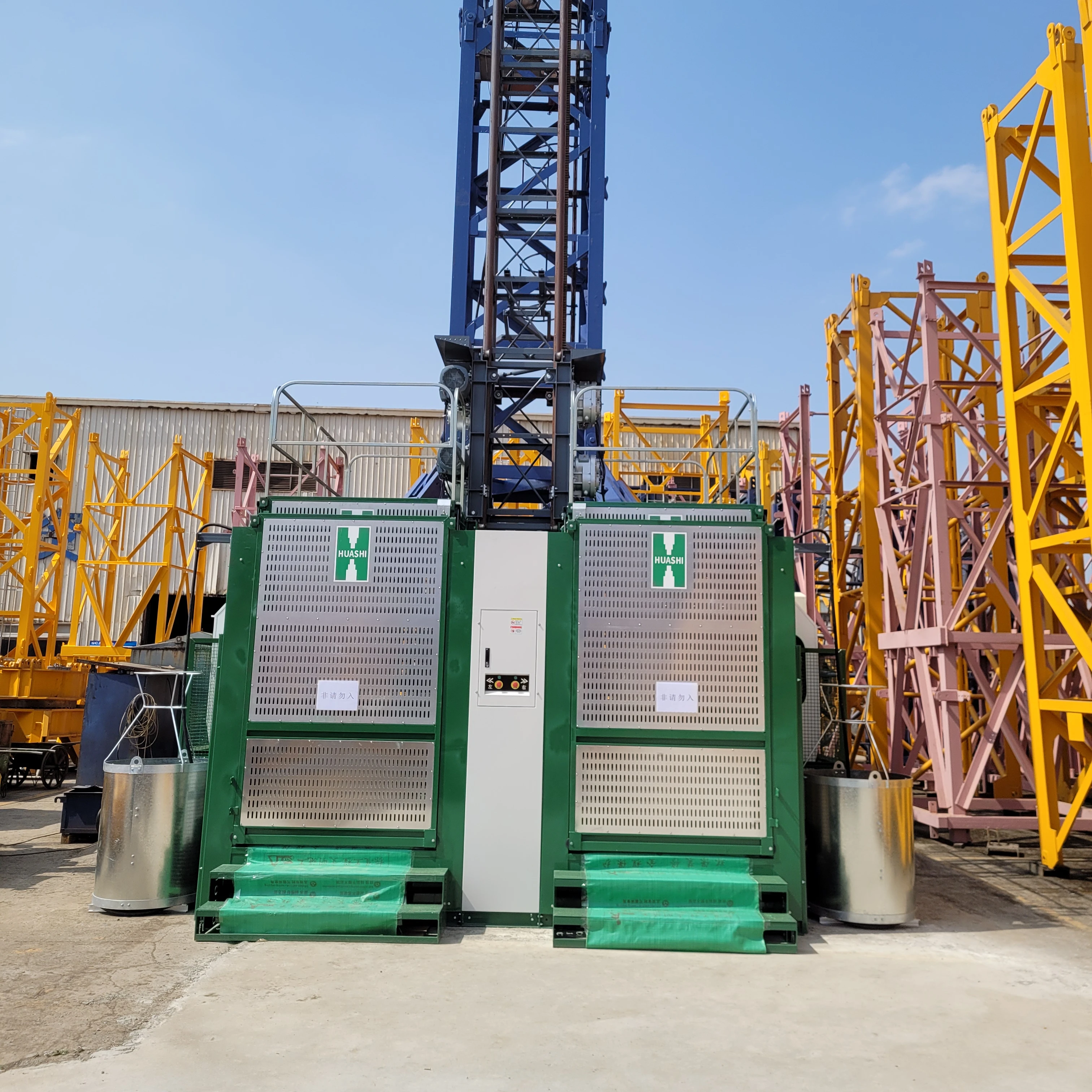
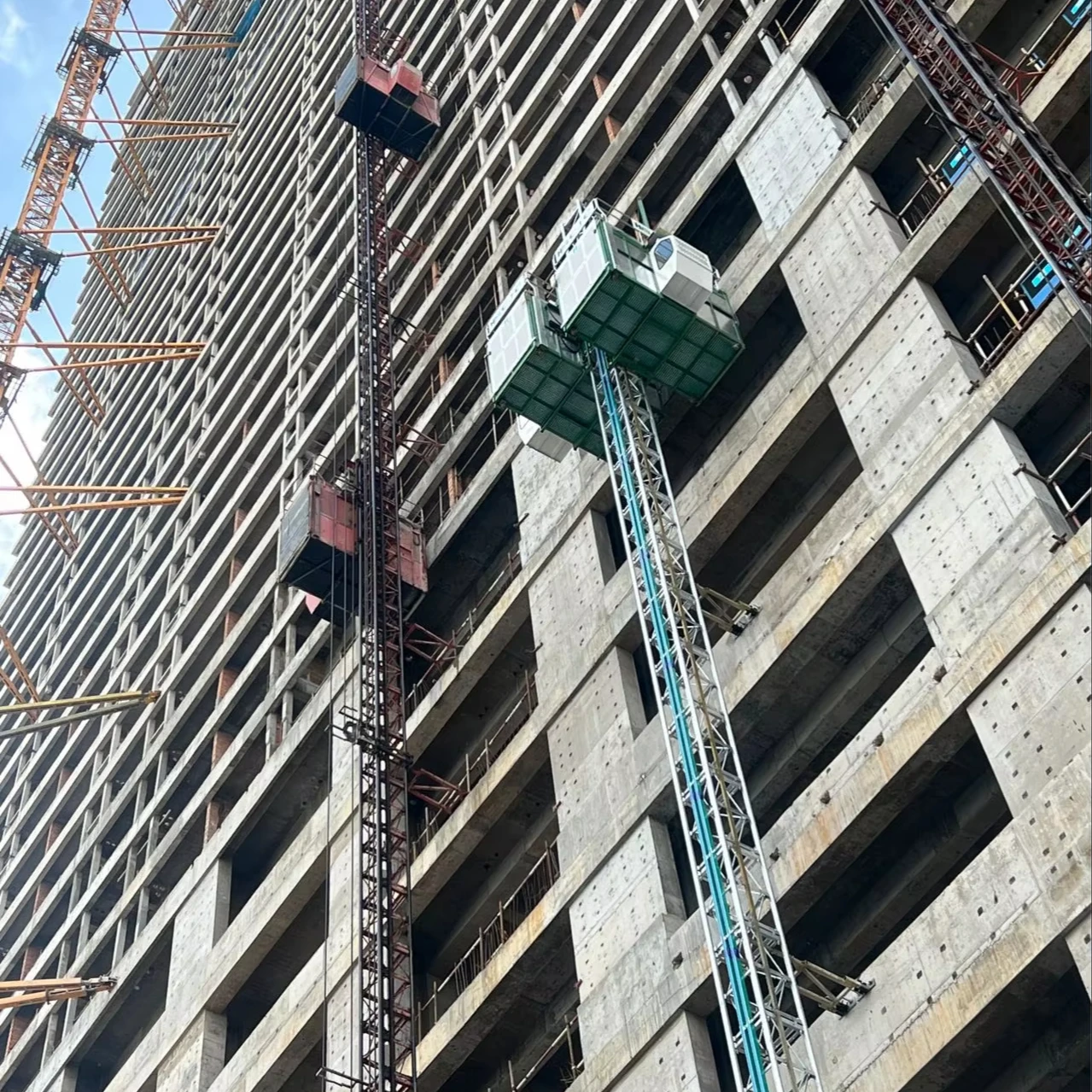
Construction elevators serve as indispensable vertical transportation solutions for high-rise projects, efficiently and safely moving workers, building materials, and equipment between floors. Compared to traditional methods like scaffolding or ladders, modern construction hoists offer distinct advantages: - Substantially enhancing transportation efficiency for personnel and materials, reducing construction time;
- Strictly adhering to international safety standards, minimizing operational risks;
- Optimizing high-altitude workflows, ensuring smooth project progression.
Particularly in the construction of super-tall buildings, commercial towers, and industrial facilities, construction elevators have become foundational equipment for project execution, directly impacting schedule and cost control.
2. A Key Driver of Urban Infrastructure Development
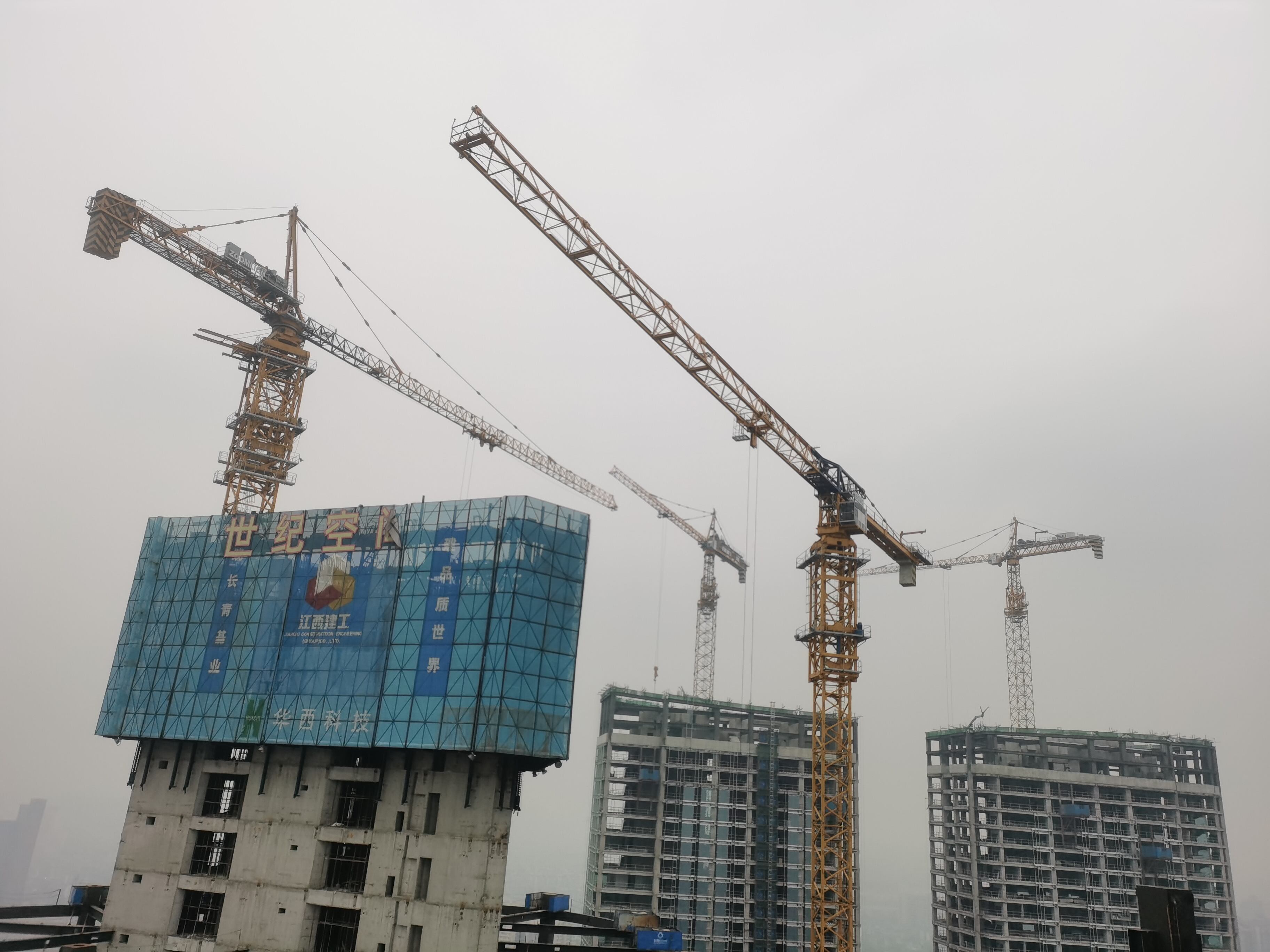
Global urbanization has fueled demand for residential towers, hospitals, hotels, and mixed-use buildings, with construction elevators serving as the core enabler for efficient project delivery. In dense urban environments, construction elevators support urban development by: ensuring efficient scheduling of construction materials and personnel, preventing delays caused by transportation bottlenecks; enhancing worker productivity in elevated environments, shortening overall construction cycles; and meeting stringent safety regulations, reducing accident risks. Consequently, the growth of the construction elevator market is intrinsically linked to global urban expansion and infrastructure investment, serving as a key indicator of the construction industry's modernization level.
3. Technological Innovation Drives Market Advancement
Modern construction elevators have transcended traditional functionality, evolving toward intelligent and eco-friendly solutions. The integration of smart control systems, automated operations, and IoT-enabled remote monitoring empowers elevators with real-time diagnostics, predictive maintenance, and precise scheduling capabilities, significantly enhancing equipment reliability and safety. Simultaneously, the widespread adoption of energy-efficient motors, eco-friendly materials, and modular designs has accelerated elevator adoption in green buildings and prefabricated construction. These innovations not only optimize construction efficiency but also catalyze emerging market demands for smart buildings and low-carbon construction sites, further expanding the commercial value of construction elevators.
 EN
EN