 EN
EN

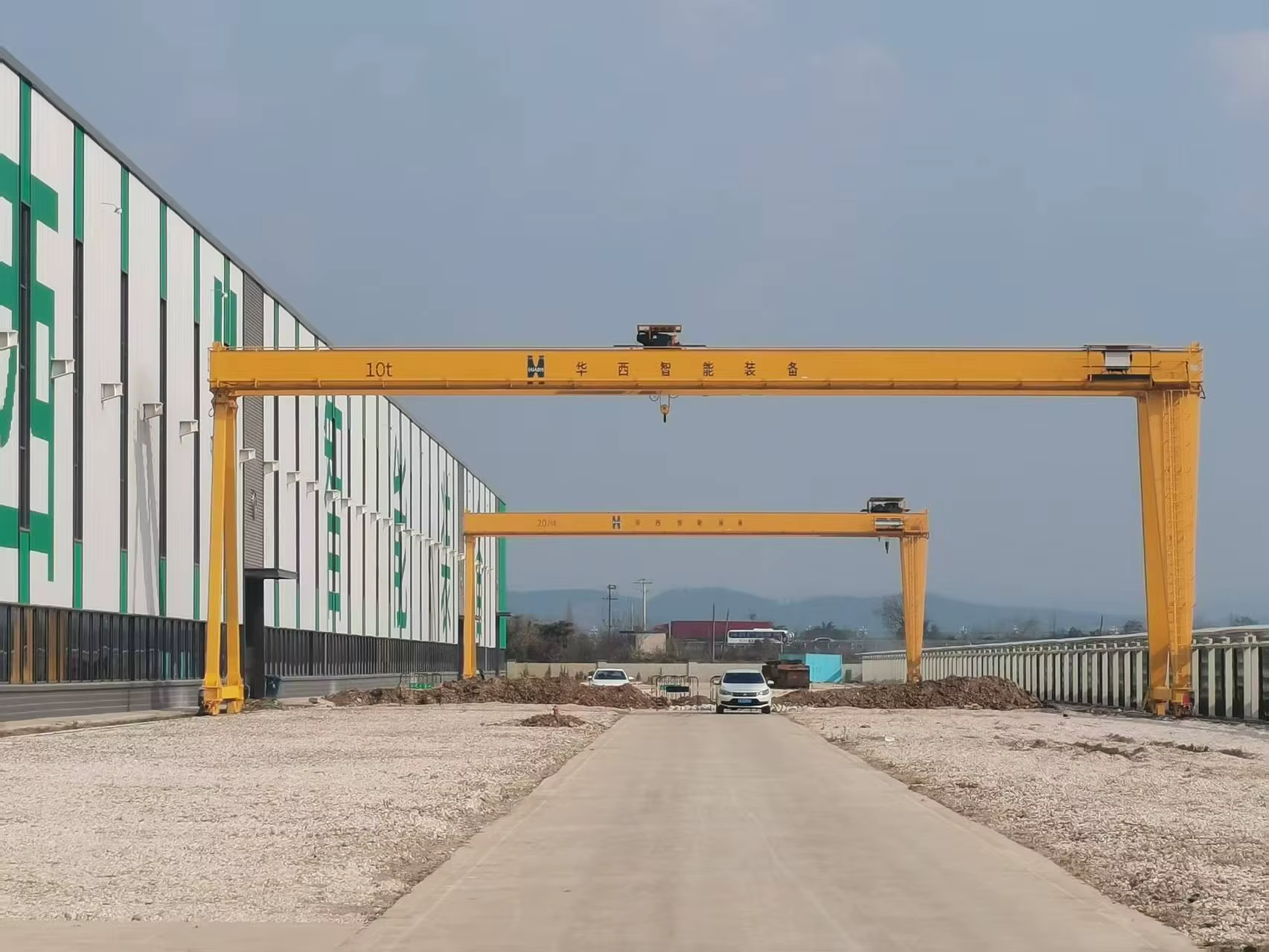
Crane Span Fundamentals: Impact on Bridge and Gantry Crane Performance
What Is Crane Span and How It Determines Bridge Length
The crane span refers to how far apart the centerlines of the runway rails are horizontally, which basically tells us how much area the bridge or gantry crane can cover. The span measurement plays a big role in figuring out how long the bridge girder needs to be, and this has a real impact on how efficiently materials get moved around. Take a 30 meter span for instance. That kind of setup demands a pretty sturdy bridge structure that can hold up both the trolley system and whatever weight it's carrying throughout the entire working space while still performing reliably day after day.
Span Length and Its Effect on Load Deflection and Structural Integrity
When bridges have longer spans, they tend to bend more when weight is applied. For instance, putting a 50 ton load on a 25 meter girder can lead to about 15 percent more droop compared to what happens on a shorter 15 meter span according to ASCE research from last year. This extra sagging affects how accurately things are positioned and speeds up the wear and tear on those end trucks. If we're talking about spans over 20 meters long, most engineers will go with either high strength steel options or double web girder designs. These choices need to satisfy the CMAA Class C standards for how hard the equipment has to work over time.
Optimal Span-to-Depth Ratio in Bridge and Gantry Crane Configurations
Most engineers stick to around a 12 to 1 span over depth ratio when designing steel bridge girders because it gives good strength without making things too heavy. When we're talking about gantry cranes that work outside though, many specs call for something stiffer like a 10 to 1 ratio instead. These outdoor models usually need those extra thick flanges to handle all that wind blowing across them day after day. Get these numbers wrong and problems start showing up pretty quickly. The trolleys tend to vibrate in weird ways as they move along the track, particularly when going faster than normal speeds. This kind of vibration makes everything less stable overall and wears down parts much sooner than expected.
Modular Span Designs for Flexible Manufacturing Layouts
Facilities can tweak crane spans every three meters thanks to modular systems that feature pinned connections, which gives them much better flexibility in how they arrange their spaces. Take one automotive plant that recently upgraded its operations - the switch to modular gantry cranes cut down on reconfiguration time by around 40% when they needed to expand their production area. What makes these systems work so well? They come with standard splice plates and those special shims that have been engineered ahead of time. This helps keep everything aligned properly according to OSHA standards while making changes, which means fewer safety issues and less waiting around for installations to complete.
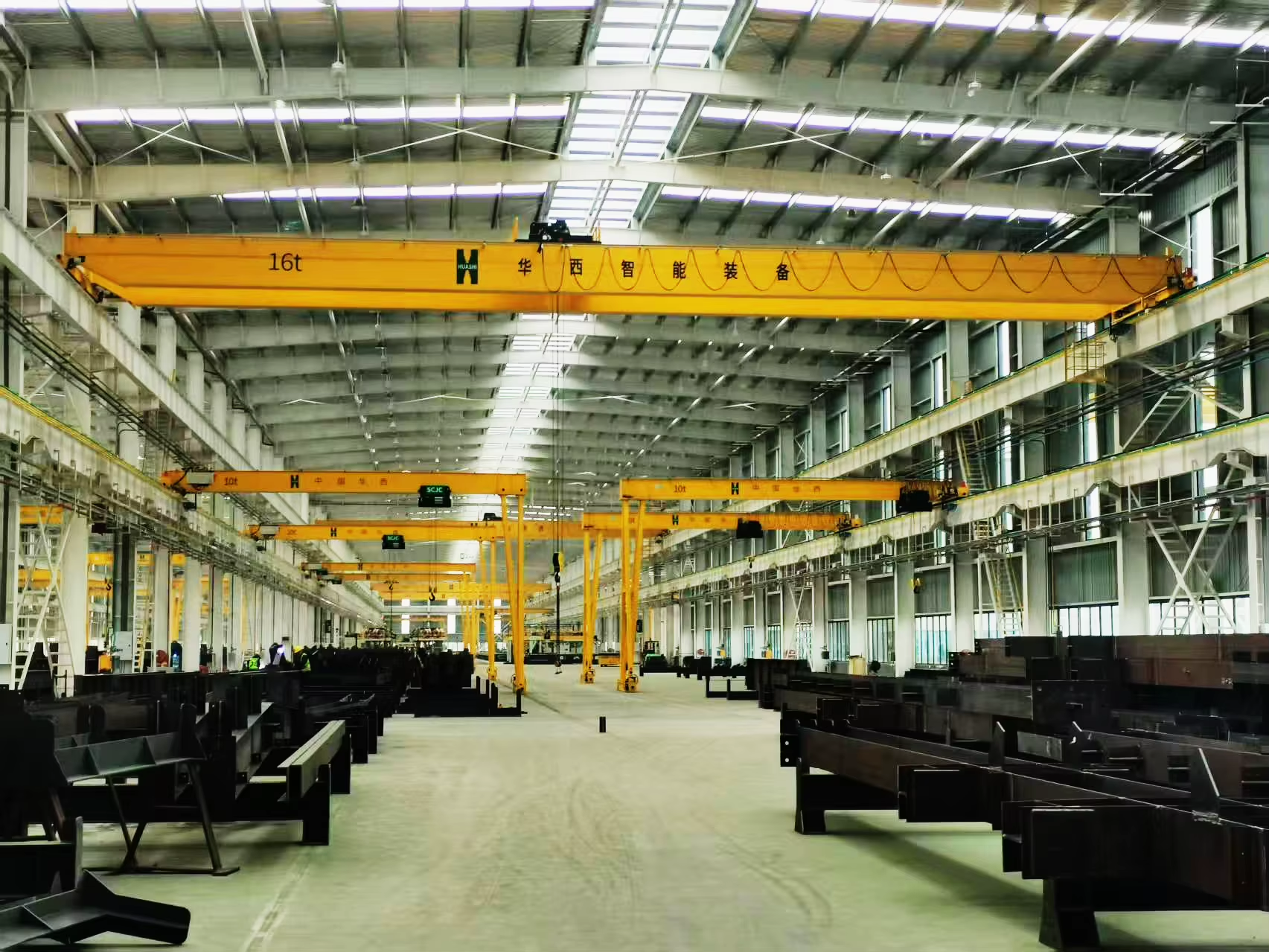
Load Capacity and Duty Cycle: Aligning Crane Performance with Operational Needs
Understanding Weight-Bearing Capacity in Relation to Lift Requirements
The load capacity of cranes really needs to match what's happening now plus what might happen down the road. When dealing with heavy stuff such as steel coils, it's generally wise to plan for around 125% of whatever the highest load might be. This extra margin helps deal with those unexpected forces when things speed up or slow down suddenly, according to Plant Engineering from last year. Getting this wrong can lead to serious problems. If a crane isn't strong enough, there are obvious safety risks. But going too big on specs just wastes money. A recent study showed something interesting here too: about 37% of manufacturing plants actually spec their equipment way beyond what they really need, sometimes by as much as half again what's necessary. That's according to Ponemon Institute research back in 2022.
Duty Cycle Classifications (CMAA Standards) and Service Life Planning
CMAA classifications define usage intensity: Class D (High-Severity Duty) and Class E (Severe Duty) indicate frequent near-capacity lifts. A Class E crane operating 16 cycles per hour typically requires wire rope replacements 30% more often than a Class C unit, significantly impacting long-term maintenance costs over a 15-year service life.
Balancing High Load Capacity with Frequent Use in Industrial Applications
Critical industries optimize this balance through strategic design:
- Foundries using 80-ton cranes for molten metal limit lifts to 60% capacity but employ Class F (Continuous Severe Duty) components
- Automotive stamping lines run 20-ton cranes at 95% capacity with Class D ratings for intermittent burst lifting
This targeted approach reduces fatigue failures by 42% compared to mismatched configurations.
Using Historical Load Data to Optimize Crane Selection and Avoid Over-Specification
Analyzing 35 years of lift data reveals actual usage patterns. One case study found that 68% of lifts utilized less than half of available crane capacity. By implementing modular, right-sized solutions based on real data, facilities cut initial investment by $290k while preserving scalability and operational agility.
FAQ
What is crane span?
Crane span is the horizontal distance between the centerlines of runway rails, determining the area a bridge or gantry crane can cover.
How does span length affect structural integrity?
Longer spans tend to bend more under weight, affecting load deflection, accuracy in positioning, and increasing wear on end trucks.
What are the optimal span-to-depth ratios for cranes?
For steel bridge girders, a 12:1 span-to-depth ratio is typically optimal, while outdoor gantry cranes often utilize a stiffer 10:1 ratio.