 EN
EN

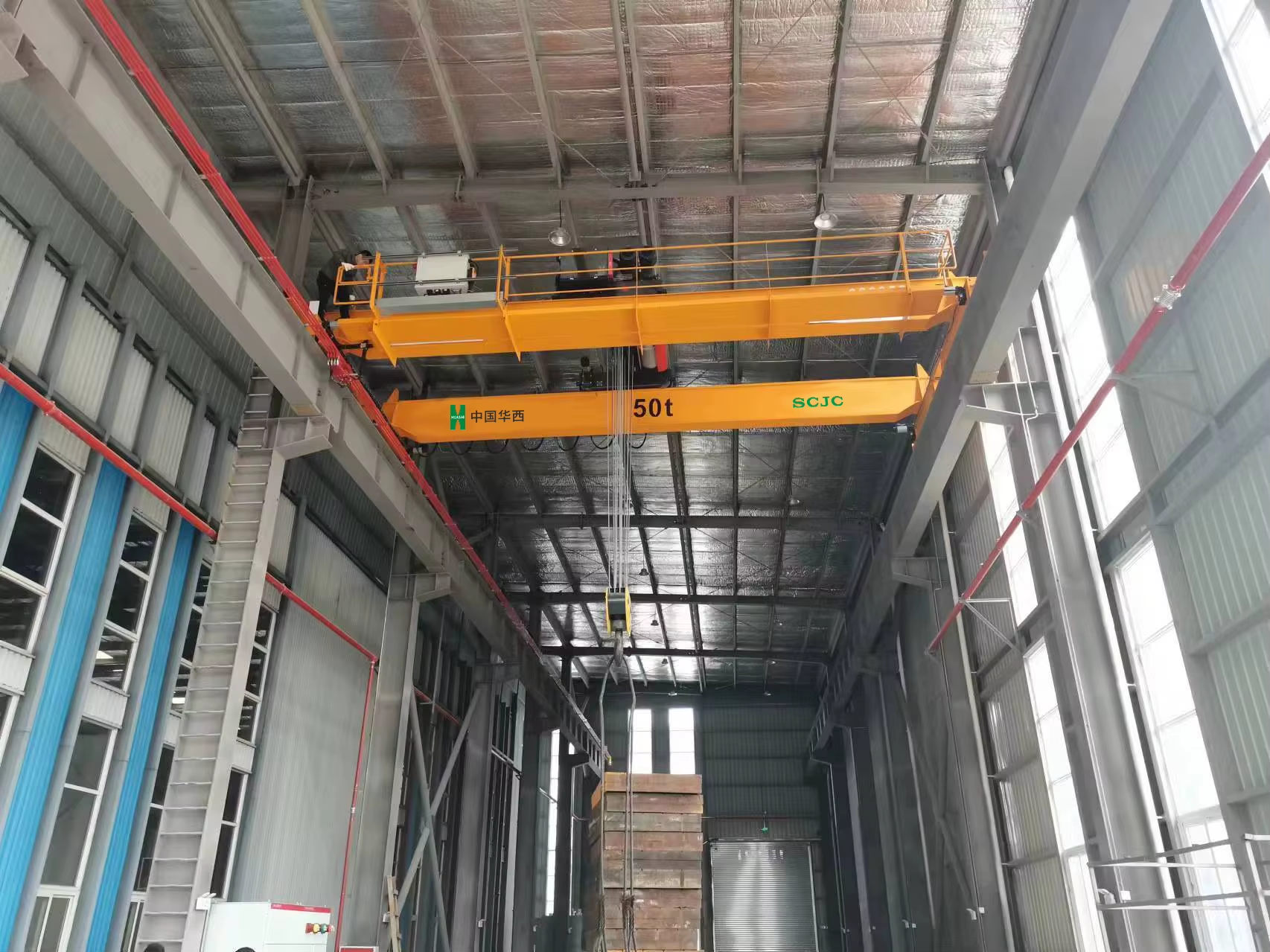
Load Monitoring and Overload Prevention Systems
Modern bridge and gantry cranes come equipped with load sensors that monitor the weight being lifted continuously. If the load approaches 95% of the crane's safe capacity, the system automatically stops operation, preventing structural stress and equipment damage. Warning lights and sounds alert operators to overload conditions, and logs record events for maintenance review, ensuring adherence to safety standards. Industry reports from 2023 indicate a significant reduction in overload-related issues among companies using intelligent monitoring systems.
Anti-Sway Technology for Improved Load Stability
Advanced anti-sway systems use controlled hoist motors and inertial measurement units (IMUs) to minimize pendulum effects during load transport, reducing swinging by approximately 80% compared to manual operation. This precision is crucial for safely moving delicate or irregularly shaped items, improving accuracy in busy work environments.
Collision Avoidance Systems in Modern Crane Design
Laser-based 3D mapping systems create dynamic safety zones around crane paths, autonomously adjusting speed or stopping if objects are detected within 1.5 meters. These systems, enhanced by ultrasonic sensors, significantly reduce collision incidents, enhancing worker safety and operational efficiency.
Emergency Stop Functions and Operational Safety Protocols
Safety-rated cranes feature robust emergency stop (E-stop) systems with dual-channel control circuits for fail-proof operation. Mandatory pre-shift checklists confirm:
- Emergency power cutoff responsiveness
- Backup battery functionality
- Clearance of obstacle detection zones
These protocols ensure cranes are ready and compliant before each shift starts.
Compliance with Industry Standards (e.g., ANSI/ASME B30.2)
Crane systems with third-party certification exceed ANSI/ASME B30.2 requirements, incorporating advanced engineering and maintenance practices. They perform monthly diagnostic tests, maintain encrypted logs, and utilize durable parts, with annual inspections to verify proper functioning and adherence to current safety expectations.
Remote Operation and Wireless Control Advancements for Overhead Cranes
Wireless remote controls enhance operator safety by replacing physical pendant stations, reducing entanglement risks. Radio-frequency systems provide unobstructed sightlines and integrate emergency stop functions for immediate hazard response.
Safety Benefits of Wireless Remote Controls in Bridge and Gantry Cranes
Removing cables mitigates a major overhead crane incident cause, with operators enjoying improved mobility, addressing visibility-related accidents.
Radio Control Systems vs. Traditional Pendant Stations: Safety and Efficiency
Radio controls reduce risks associated with fixed stations, enhancing workflow efficiency. They employ encrypted signals to maintain reliable operations in electrically noisy environments.
Enhanced Operator Visibility and Positioning Through Remote Operation
Remote controls allow operators to move around loads, improving visibility and reducing side pull hazards. They provide real-time feedback on load weight, preventing accidents proactively.
Smart Control Technologies and Automation in Crane Systems
Variable Frequency Drives (VFDs) for Precise Motion Control
VFDs enable precise load positioning, reducing mechanical stress on components and lowering repair needs. Studies suggest these drives can cut energy consumption by up to 40%, offering cost efficiency.
Semi-Automated and Automated Operations in Modern Bridge and Gantry Cranes
Automation streamlines repetitive tasks, enhancing efficiency and reducing error rates. Fully automated cranes integrated with inventory systems accelerate operations and minimize human intervention.
Integrated Smart Monitoring and Predictive Maintenance Diagnostics
Embedded sensors monitor critical hoist, trolley, and rail parameters, with analytics predicting failures weeks in advance, reducing unscheduled downtime significantly.
Future Trends: IoT and Data-Driven Crane Management
IoT and machine learning integrations improve crane operations, with virtual modeling and blockchain tracking enhancing efficiency. Predictions suggest AI-powered cranes will dominate in upcoming years, driving smarter automation.
FAQ
What is a load monitoring system in bridge and gantry cranes?
A load monitoring system continuously tracks the weight lifted by cranes to prevent overload, automatically halting operations near maximum safe capacity.
How does anti-sway technology improve load stability?
Anti-sway technology uses controlled hoist motors and IMUs to minimize swinging, improving safety and precision during load transport.
What are the safety protocols for crane operation?
Cranes require pre-shift checks on emergency power and obstacle detection systems to ensure readiness and compliance.
Table of Contents
- Load Monitoring and Overload Prevention Systems
- Anti-Sway Technology for Improved Load Stability
- Collision Avoidance Systems in Modern Crane Design
- Emergency Stop Functions and Operational Safety Protocols
- Compliance with Industry Standards (e.g., ANSI/ASME B30.2)
- Remote Operation and Wireless Control Advancements for Overhead Cranes
- Smart Control Technologies and Automation in Crane Systems
- FAQ