 EN
EN

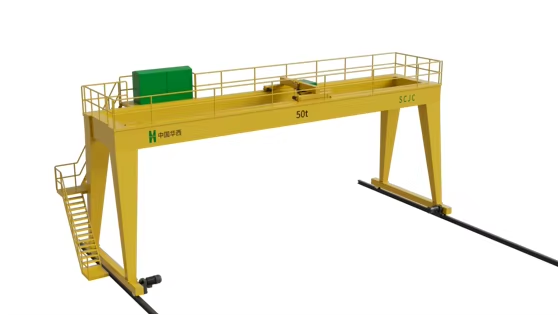
Crane Automation Technology and Its Benefits for Terminal Operations
Bridge gantry cranes that are automated rely on sensors, artificial intelligence programs, and live data analysis to boost how well ports run. According to Port Operations Journal from last year, these kinds of systems slash mistakes during loading and unloading by about 35%. They work around the clock without getting tired, which regular equipment just can't do. Plus they save energy because they move along optimized routes rather than wasting power. When it comes to stacking containers, these machines hit their marks pretty accurately too - usually within plus or minus 5 centimeters. That kind of precision cuts down on the need to rearrange things later, sometimes cutting those delays in half at major port facilities where business is constantly moving fast.
Automation in Material Handling and Workflow Integration
When automated cranes connect to terminal operating systems (TOS), they can time their movements better with when trucks show up, ships arrive, and warehouses need stuff moved around. With smart sensors tracking cargo locations across terminals, these machines actually position containers ahead of time so nothing sits idle waiting for transport. Some ports report cutting down on wasted time during transfers by roughly 20 percent thanks to this setup. The benefits really stand out at busy terminals processing millions of containers each year. At such scale, small improvements in timing make all the difference between smooth operations and massive delays piling up throughout the supply chain.
Trends in Autonomous Crane Navigation and Load Path Optimization
Modern port facilities are starting to install cranes fitted with LiDAR technology and GPS navigation systems so they can work safely even when conditions change rapidly. The onboard computers figure out safe routes without collisions within fractions of a second, adjusting on the fly for things like strong winds or bumpy ground surfaces. Smart software looks at how different vehicles move around the area, constantly tweaking crane paths to make operations smoother. Some companies report around a 10 to 15 percent boost in productivity every three months after implementing these smart systems, though results vary depending on site specifics and maintenance schedules.
Remote-Controlled Crane Systems: Improving Safety and Operational Precision
Remote Crane Operations and Operator Experience in Control Rooms
Bridge gantry crane operators are increasingly working from comfortable control rooms these days instead of traditional cabs. These modern spaces come equipped with ergonomically designed workstations and crystal clear monitoring screens that make everything visible at a glance. According to Material Handling Journal research from last year, having all this information centralized cuts down mental fatigue by around 34% when compared to old school methods where operators had to physically be near each crane. The layout of these control areas is also pretty flexible, allowing teams to keep an eye on several cranes simultaneously without sacrificing what OSHA considers acceptable visibility standards for workplace safety.
Wireless Crane Technology and Real-Time Signal Reliability
Industrial-grade wireless networks use frequency-hopping spread spectrum (FHSS) technology to ensure sub-50ms response times between controllers and cranes. Dual-channel redundancy and automatic failover protocols maintain 99.98% signal stability, even in electromagnetically noisy environments with heavy machinery or welding equipment.
Use of Camera Systems and Digital Interfaces in Crane Operation
The 360 degree CCTV systems equipped with digital zoom capabilities help get rid of those pesky blind spots when moving heavy loads around. Operators can check what's happening all around the machine while it's in motion. The HMI panels give instant feedback on important stuff like how hot the motors are getting and whether the brakes are working properly. Some of the newer systems go even further by adding AR overlays to the camera feed. These show virtual lines around where the load should be placed, which makes positioning things much easier especially in tight spaces. Warehouse managers report that this tech has improved accuracy rates by about a quarter in crowded storage environments.
Operator Wellbeing, Safety, and Efficiency Improvements Through Remote Control
Working remotely takes workers out of dangerous situations like being up high or close to moving equipment. No more climbing ladders or getting into those operator cabs means we're tackling about a quarter of all injuries from material handling that happen because people have to access these areas. Some companies are now using voice prompts for safety checks and sensors that watch for tired operators throughout their shifts. And there are also these smart systems built right into cranes that stop them dead in their tracks whenever someone steps into restricted areas. Makes sense really, since nobody wants accidents caused by simple mistakes after a long day on the job.
Integrating PLCs, VFDs, and Custom Controls for Optimal Crane Performance
Bridge gantry cranes today rely heavily on programmable logic controllers (PLCs), variable frequency drives (VFDs), and specialized control systems to deliver their best performance. Custom control panels at each facility let operators set up workflows exactly how they need them, while PLCs handle all the real time management for hoists, trolleys, and those critical safety interlocks. What makes these systems stand out is how they can actually change torque settings and motion patterns on the fly. This helps keep things stable even when moving loads over 50 tons, which is no small feat in industrial environments where stability matters most.
Custom HMIs reduce operator workload via intuitive touchscreen dashboards displaying hook position, motor health, and operational alerts. When paired with VFDs, they enable millimeter-level positioning precision—critical in industries like aerospace and steel fabrication, where a 1.5% placement error can lead to $740,000 in rework costs (CraneTech 2024).
Energy savings arise from PLC-VFD synergy: regenerative braking recovers up to 30% of energy during lowering cycles. Automated control retrofits have been shown to reduce annual crane energy consumption by 18–22%, while smoother acceleration curves extend mechanical component life.
Retrofitting Existing Bridge Gantry Cranes with Modern Technology
Retrofitting Existing Crane Systems with Automation: Cost and Compatibility Factors
Retrofitting legacy cranes involves assessing structural capacity (must support ≥25% above current loads), electrical compatibility, and control system integration. According to a 2023 retrofitting survey, 68% of facilities achieved ROI within 18 months by upgrading sensors and PLCs while retaining existing infrastructure. Key investment tiers include:
- Partial Automation: $45k–$120k for collision avoidance and path optimization
- Full Automation: $220k–$500k for autonomous navigation and AI-powered load management
Existing motor drives and power systems must comply with ISO 12485-2022 standards for automated operation. For cranes older than 15 years, steel fatigue analysis—costing $8k–$25k—is essential and prevents 92% of retrofit-related failures (Lifting Equipment Engineers Association, 2024).
Specialized Lifters and Adaptive Attachments for Diverse Handling Needs
Customization of Crane Functions Through Specialized Lifting Gear
The versatility of bridge gantry cranes comes from their modular attachments built for different materials and work conditions. Take industries such as steel fabrication or food logistics where delicate, awkward shaped items need moving around safely. Specialized equipment tackles these challenges head on. When dealing with things like wind turbine blades, adjustable spreaders help minimize unwanted movement during transport. For those massive steel coils sitting around warehouses, reinforced alloy hooks provide that extra security needed. According to research published last year in the field of logistics automation, companies saw about a quarter fewer mistakes when workers used these adaptable attachments instead of regular setups. Makes sense really - getting the right tool for the job just works better most times.
Table of Contents
- Crane Automation Technology and Its Benefits for Terminal Operations
- Automation in Material Handling and Workflow Integration
- Trends in Autonomous Crane Navigation and Load Path Optimization
- Remote-Controlled Crane Systems: Improving Safety and Operational Precision
- Integrating PLCs, VFDs, and Custom Controls for Optimal Crane Performance
- Retrofitting Existing Bridge Gantry Cranes with Modern Technology
- Specialized Lifters and Adaptive Attachments for Diverse Handling Needs