 EN
EN

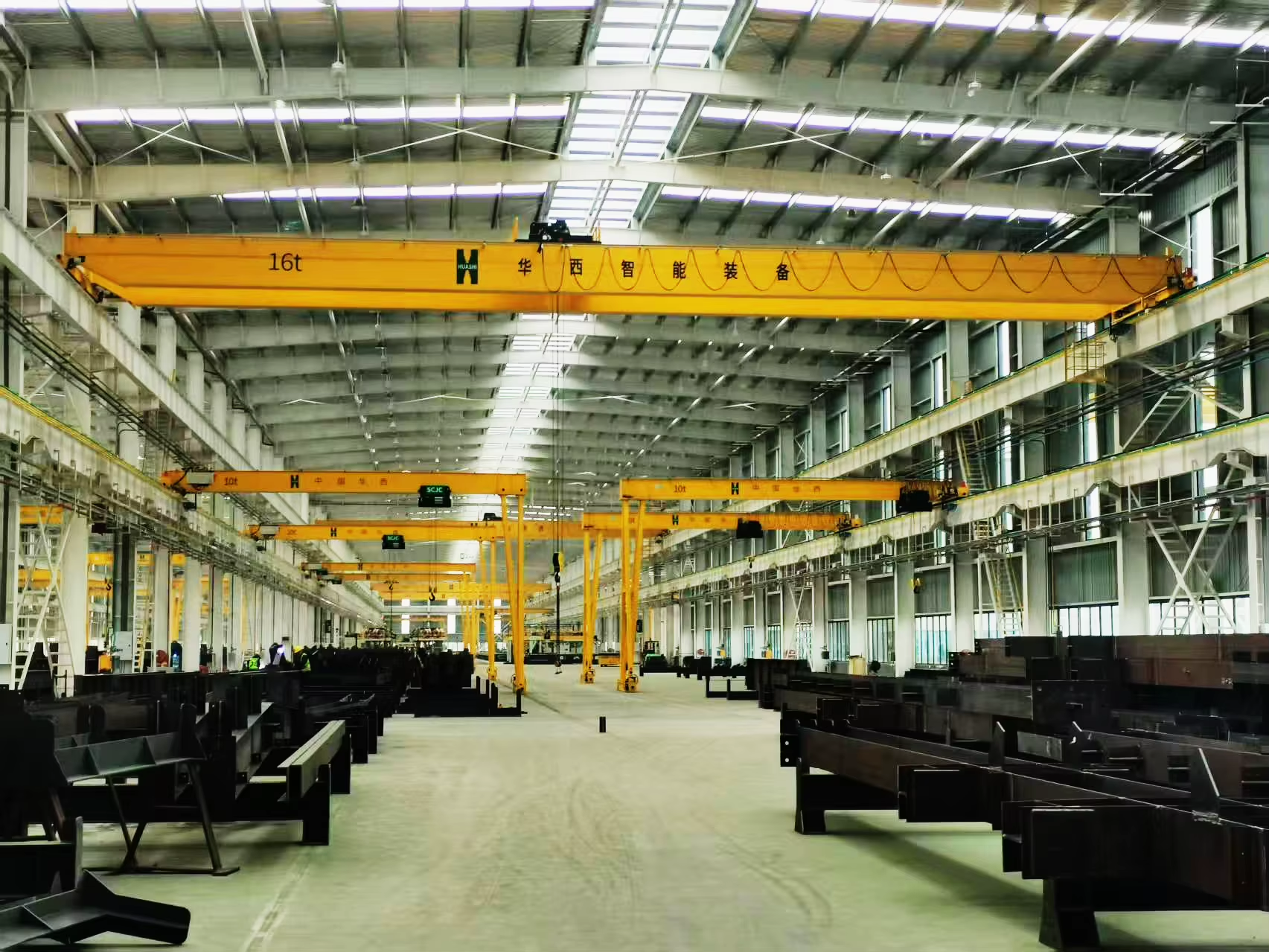
Understanding Bridge and Gantry Cranes: Definition and Core Function
Definition and Function of Gantry Cranes: Core Concepts Explained
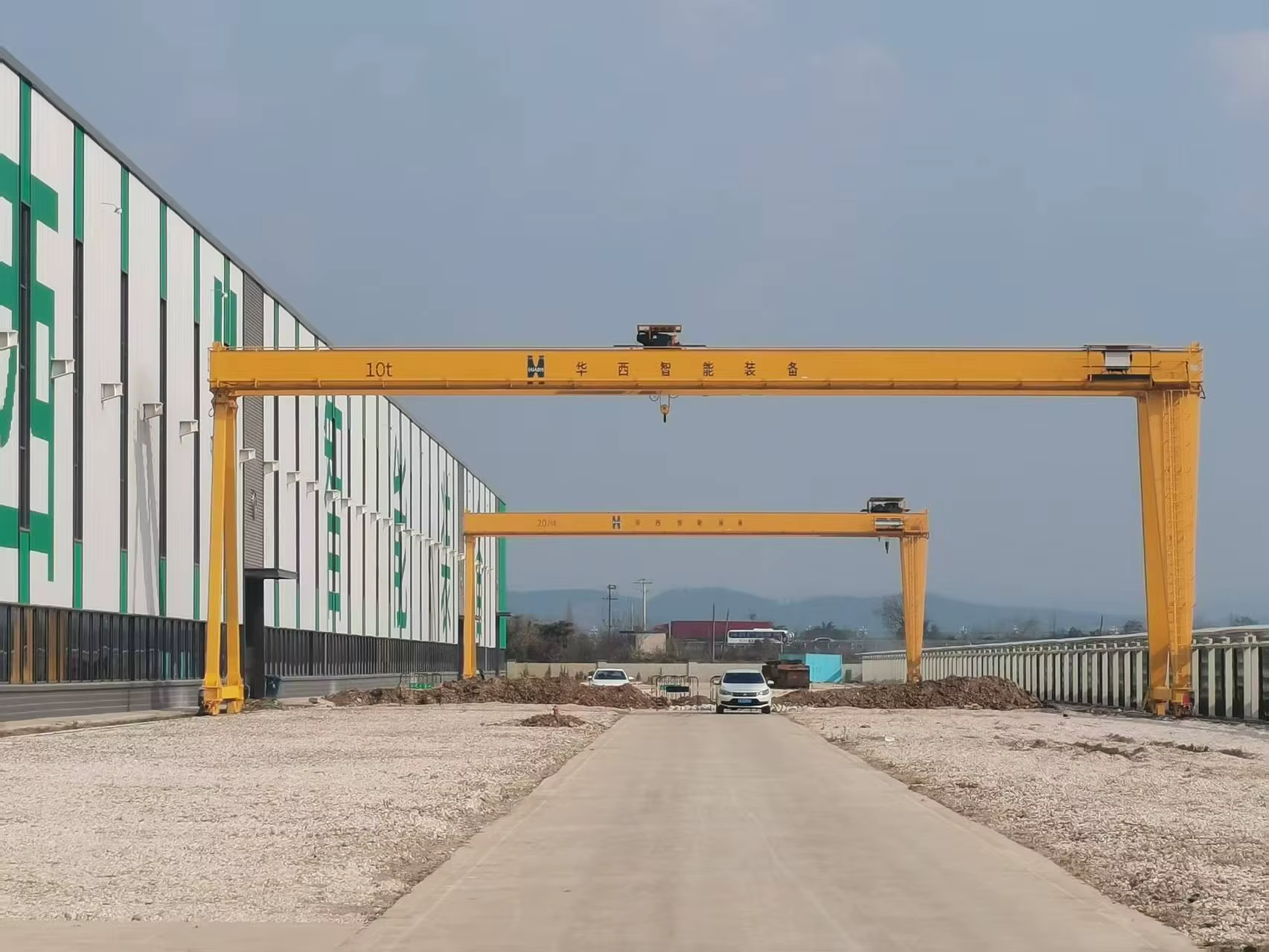
Gantry cranes are basically big lifting machines with legs that roll on tracks mounted to the ground. Because they don't need to attach to buildings, these cranes can handle really heavy weights while moving around horizontally. That's why we see them all over places like shipping ports, train yards, and big construction projects where things get moved constantly. Compared to those fixed overhead hoists or smaller jib cranes, gantry models do something different. They lift stuff straight up while also being able to move back and forth along their entire length. This combination lets workers position loads exactly where needed, sometimes even carrying weights as massive as 500 tons in factories and manufacturing plants.
How Bridge and Gantry Cranes Differ from Other Lifting Systems
Bridge and gantry cranes differ from overhead models mainly because of those two supporting legs and how they move along rails. Overhead cranes need special tracks built into buildings, but gantries can just stand on their own without being bolted to anything permanent. That makes them perfect for places where there's no existing infrastructure or when operations are only needed temporarily. When looking at jib cranes instead, gantry systems handle much heavier loads and cover bigger areas too. Construction sites and manufacturing plants often prefer these types since they can move materials across wide spaces without needing constant repositioning. The flexibility really matters when dealing with big projects that involve moving heavy items around different parts of a facility.
Main Gantry Frame: Structural Backbone of Lifting Operations
The main gantry frame provides the crane’s primary structural support, distributing weight evenly through its legs and into the ground. Key components include:
- Box girders: Reinforced steel beams that resist deflection under heavy loads
- Portal legs: Vertical supports, often height-adjustable, to accommodate uneven terrain
- Cross ties: Horizontal bracing that enhances lateral stability during movement
This configuration ensures durability and precision even in dynamic outdoor conditions, including high wind loads.
Key Components of a Bridge Gantry Crane: Structure and Configuration
Bridge, Trolley, and Hoist: Primary Structural Elements and Roles
At the heart of every bridge gantry crane sits three main components: the bridge itself, the trolley, and the hoist mechanism. Most bridges are built as either single or double steel girders stretching across whatever workspace needs coverage while supporting the trolley's movement. As the trolley glides back and forth on top of the bridge, it positions the hoist where actual lifting happens through those familiar motor drums and wire ropes we see on construction sites daily. When all these parts work together, they allow for pretty precise movements in multiple directions, with some industrial grade models capable of lifting an impressive 500 tons worth of cargo. Manufacturers often choose between box-girder designs or truss styles depending on what kind of balance they want between structural integrity and overall weight considerations for their specific application needs.
Gantry Legs, Girders, and Runways: Supporting Framework and Load Distribution
A stable gantry starts with its base structure. The legs of the gantry take care of moving both vertical weight and sideways forces from the main bridge section all the way down to whatever foundation or rail system it sits on. When attached to these legs we find the girders, which can be either single or double configurations, forming what amounts to a strong closed loop structure that really helps keep things from bending or warping under load. For the actual movement part, there's the runway system constructed using quality carbon steel alloy. This component does two main jobs at once: it keeps the crane moving along its path and spreads out the pressure across the ground surface somewhere around 15 to 30 pounds per square inch. Getting this pressure right matters quite a bit because otherwise we risk damaging concrete floors or other compacted surfaces where these systems operate regularly.
Single vs. Double Girder Systems: Design Differences and Use Cases
How girders are set up really affects how well a crane performs and what kind of work it can handle. Single girder models have just one main beam and tend to be cheaper options when dealing with lighter stuff, say anything below about 20 tons. These are often seen in places like workshops and on factory assembly lines where workers need to move things around quite a bit during production runs. Then there's the double girder setup which has two beams running parallel to each other, usually somewhere between six and twelve feet apart. This design gives much better resistance against twisting forces, making them ideal for moving extremely heavy items over 100 tons. Looking at recent industry data from the 2024 Industrial Lifting Survey shows that ports rely heavily on these dual beam systems for handling containers, with around 87 percent using them regularly. Meanwhile most auto manufacturers stick with single girder setups for transporting parts across their facilities, accounting for roughly 62 percent market share according to the same report.
Future Innovations in Bridge and Gantry Crane Technology
Automation and remote operation: Enhancing safety and precision
Cranes are getting smarter thanks to automation tech that includes AI for avoiding collisions and letting operators work remotely. Workers no longer need to stand right next to heavy machinery during lifts they can do it all from safer spots inside control rooms instead. This makes a big difference where accidents used to happen often, especially around hot metal shops or crowded shipping terminals. The new systems keep things aligned within fractions of a centimeter accuracy when moving weights that could be several tons each. Safety improves obviously, but so does how consistently jobs get done day after day without those random errors that used to plague manual operations.
Smart sensors and IoT: Enabling predictive maintenance and monitoring
IoT-enabled sensors continuously monitor critical parameters such as structural strain, motor temperature, and cable tension. This real-time data feeds into predictive analytics platforms that detect wear patterns 3–4 weeks before potential failures. Facilities using these systems report a 27% reduction in unplanned downtime compared to traditional inspection schedules.
FAQ
What is the main difference between gantry cranes and bridge cranes?
Gantry cranes have legs that roll on tracks mounted to the ground, allowing them to handle heavier weights without needing to attach to buildings. Bridge cranes rely on special tracks built into buildings.
Why are double girder cranes preferred in port logistics?
Double girder cranes have high load capacity and efficiency, making them ideal for large areas and heavy loads, such as those found in shipping ports.
How do smart sensors aid in crane maintenance?
Smart sensors monitor structural strain, temperature, and tension, providing real-time data for predictive analytics that detect wear before failures occur, reducing unplanned downtime.
What are the advantages of using lightweight materials in crane design?
Lightweight materials, like aluminum alloys, reduce the crane's overall weight while maintaining load capacity, making them easier to move and more energy-efficient.