 EN
EN

Why Concrete Paving Robots Are Critical for Modern Highway and Airport Infrastructure
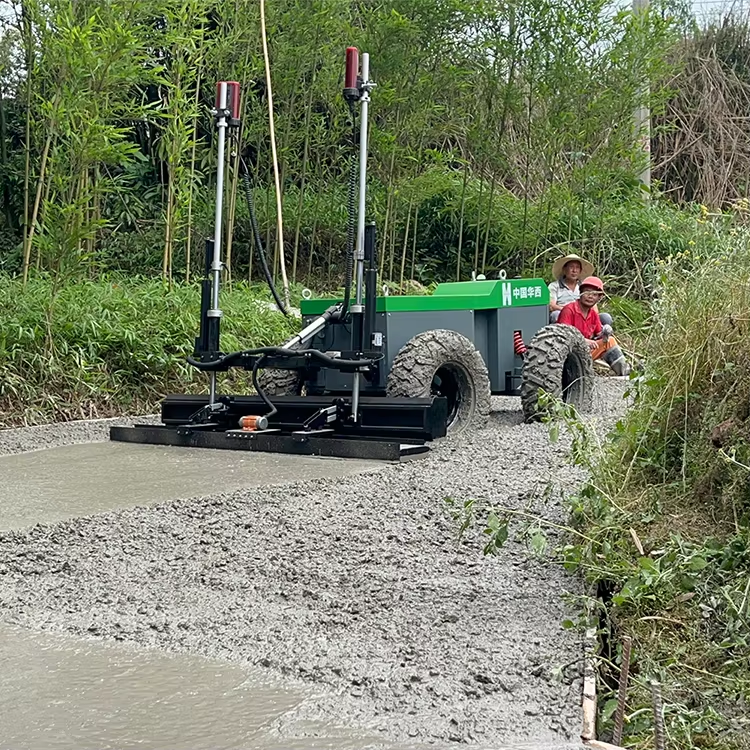
Our roads and runways are getting older fast, and projects keep getting bigger, so we need something completely different to fix things. Concrete paving robots are stepping in where traditional methods fall short because they work with incredible accuracy and speed, making them pretty much essential now for building infrastructure. Think about highways and airports - they need surfaces accurate down to the millimeter just to stay safe over time. Manual work simply can't hit those standards consistently. These robot systems cut down on mistakes people make, which means flatter slabs that matter a lot when cars zoom past at high speeds or planes touch down safely. Plus, there's not enough skilled workers around anymore, so this tech really shines. With robots handling most of the work, crews shrink by about half and projects finish faster than before. On highways being redone, robots can pour concrete nonstop day and night, cutting road closures dramatically. At airports, they create those tight joints that hold up against powerful jet engines and tons of weight landing every day. According to the Federal Highway folks, using robots actually saves money in the long run too, reducing maintenance needs by roughly 22% thanks to better concrete quality. As countries spend more on fixing up infrastructure worldwide, these robotic systems are changing what's possible, turning wild engineering ideas into actual roads and runways that last and don't break the bank.
How GPS- and Laser-Guided Robotic Systems Achieve Millimeter-Precision Concrete Paving
Real-time positioning systems enabling sub-centimeter grade and alignment control
The latest robotic pavers now combine GNSS systems with laser tech to ditch those old stringlines forever. What does this mean? Super accurate results down to fractions of a centimeter for both height and straightness, which matters a lot when building roads that last decades. The satellite stuff gets corrected in real time so we can track where the paver is going within just 5mm sideways. Meanwhile, those spinning lasers set up vertical markers all over the job site. Together they let workers tweak the screed constantly as it moves along, keeping the concrete slabs perfectly even throughout. No more stopping every few feet to check grades manually. Contractors who've switched to these systems are seeing their setup times cut nearly in half because there's no need for all those physical reference points anymore. And despite cutting corners on setup, the precision stays rock solid under 0.4 inches even through tricky curved sections of road.
Integration of AI-driven slab profiling and automatic correction during concrete placement
Smart machine learning systems look at live sensor information from construction sites, checking things like how wet the concrete mix is, how fast materials are flowing, and what the air temperature and humidity levels are doing. These systems then compare all that data with detailed computer models of what the finished pavement should look like. When there's a problem bigger than 2mm difference, special hydraulics kick in almost instantly (within half a second) to tweak the screed height, change the slope angle, and modify the vibration settings as needed. This automatic fixing process cuts down on those annoying little bumps and ridges that used to need workers constantly adjusting things by hand. Some tests at major airports showed amazing results too - they found around 92 fewer instances where someone had to grind down mistakes after pouring, which means projects get done faster and saves roughly 17% worth of wasted concrete materials overall.
Concrete Paving Robot Applications: From Highway Resurfacing to Airport Runway Construction
Adapting autonomous slipform pavers for high-speed, continuous pour in new-build highways
Highway construction these days is making big use of robotic slipform pavers that boost productivity in ways we haven't seen before. These machines work non-stop throughout the day, which means no cold joints form in the concrete as it gets laid down at around 15 meters per minute or more. Contractors who've switched to this tech often see their timelines cut by nearly a third compared to old school methods. The systems come equipped with GPS grade control that keeps everything flat within just a few millimeters across several lanes at once. During the pouring process, sensors constantly check things like slurry consistency and adjust vibrations accordingly so the road surface will hold up under all those heavy trucks passing through daily. Less need for manual labor definitely cuts down on expenses too, plus these setups still manage to hit those tough DOT requirements for pavement thickness specifications.
Specialized robotic solutions for jointless, high-strength concrete pavements in airport environments
Building airport runways requires something pretty special when it comes to precision, especially given how much weight they have to handle. Modern engineers now use these fancy jointless concrete paving robots equipped with laser scanning tech to get surfaces within just 3 mm tolerance. What makes these systems stand out is their ability to pour high performance concrete mixes mixed with those tiny polypropylene fibers right into the forms. The continuous extrusion method means no pesky joints that can weaken the whole structure over time. When dealing with really thick pavement sections going up to 450 mm, the machines automatically tweak their vibration settings so there aren't any air pockets left behind. This matters because aircraft need at least 40 MPa compressive strength in their landing areas. Thermal sensors keep tabs on everything during curing too, watching for cracks caused by temperature changes. All this tech ultimately meets those strict FAA AC 150/5320-6 guidelines that airports must follow for safety reasons.
Overcoming Adoption Barriers: ROI, Training, and Integration for Concrete Paving Robotics
Concrete paving robots offer incredible precision and boost efficiency, but there are still three main hurdles holding back widespread adoption across the industry. First comes justifying those big upfront costs, which typically run around $740,000 per unit. Contractors need to do serious ROI calculations looking at things like labor savings that can hit between 30% and 40%, less rework because of those super accurate pours, and faster project completion times overall. Most find the payback period drops under two years if they handle enough volume work. Training operators presents another challenge since these machines require specific skills in areas like path planning, troubleshooting systems in real time, and working with grade control software. Good training programs usually mix vendor certifications with hands-on mentoring at actual job sites. Then there's getting these robots to play nice with existing equipment and workflows. Companies must spend time figuring out how machines communicate with each other, set up proper telemetry for fleet management, and ensure everything works smoothly with BIM models. Starting small with pilot projects helps avoid major disruptions during this transition phase. The smartest companies bring together people from finance, operations, and IT right from the beginning when evaluating new technologies like these paving robots.
FAQ Section
What are concrete paving robots?
Concrete paving robots are automated machines designed to apply concrete with high precision and efficiency, especially useful in building projects like highways and airports.
How do GPS- and laser-guided systems work in concrete paving?
These systems use GNSS and laser technologies to track and adjust the positioning of paving equipment in real-time, ensuring accuracy within sub-centimeter levels.
What kind of savings can be realized by using concrete paving robots?
Using concrete paving robots can lead to approximately 22% savings in maintenance needs and up to 40% savings in labor costs due to increased precision and efficiency.
What are the challenges in adopting concrete paving robots?
The primary challenges include justifying the high initial costs, training operators with specific skills, and integrating the robots with existing workflows and equipment.
Table of Contents
- Why Concrete Paving Robots Are Critical for Modern Highway and Airport Infrastructure
- How GPS- and Laser-Guided Robotic Systems Achieve Millimeter-Precision Concrete Paving
- Concrete Paving Robot Applications: From Highway Resurfacing to Airport Runway Construction
- Overcoming Adoption Barriers: ROI, Training, and Integration for Concrete Paving Robotics
- FAQ Section