 EN
EN

Upfront Investment and Equipment Cost Structure for Concrete Paving Robots
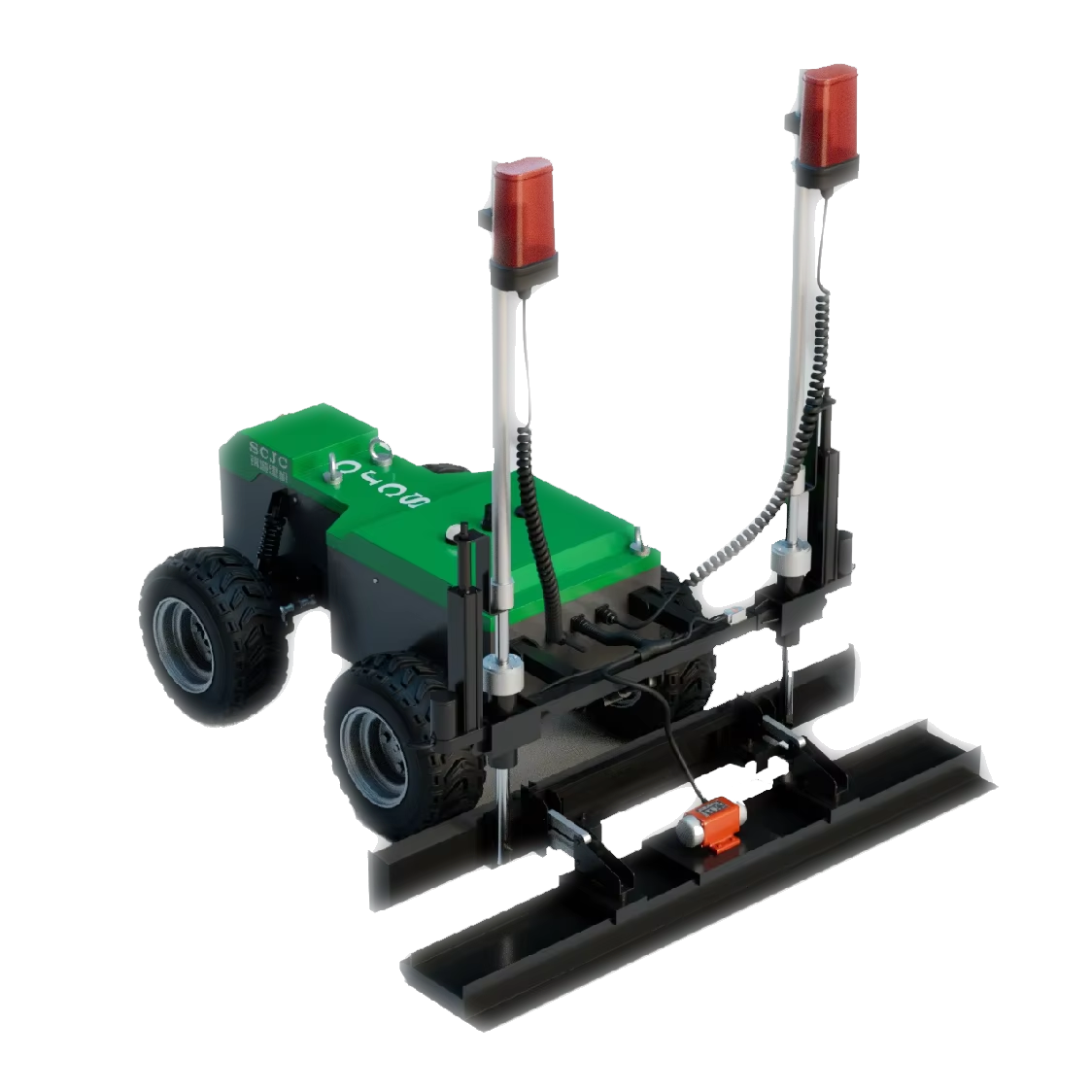
Hardware, software licensing, and site-specific integration costs
Getting started with concrete paving robots means putting down a pretty hefty chunk of change upfront. The hardware alone takes up most of the budget, around 60 to 70 percent. We're talking about things like robotic arms, those fancy grade control systems, and all the compaction modules. Prices usually land somewhere between $200k and $500k per robot unit. Then there's the software too. Companies need to buy proprietary licenses which can tack on another 15 to 25 percent to what they already spent on hardware. And don't forget about those annual fees for updates and tech support either. When it comes to actually getting these machines working on site, adapting them to different terrains, underground conditions, and specific project requirements often needs special engineering work. That kind of customization typically runs anywhere from $50k to $100k extra. According to a recent survey in construction automation back in 2023, almost a quarter of all deployment delays happened because contractors didn't properly budget for this integration phase. So smart planning right from the start is really important if companies want to keep their projects moving smoothly without hitting unexpected roadblocks later on.
Vendor financing, leasing, and ownership models
Many suppliers have started offering different ways to get around the upfront costs problem. For instance, operating leases typically cost somewhere between $3k and $8k per month, letting companies use equipment without actually owning it. There's also lease-to-own options where businesses slowly build equity over time. Some manufacturers back their own financing programs too, usually providing loans with interest rates around 5 to 7 percent spread out over three to five years. These often come with some flexibility for delayed payments when setting things up initially. Another approach gaining popularity is joint ownership groups where multiple contractors team up to split the cost of expensive machinery. According to recent market research, these various financing strategies can cut down overall ownership expenses by about 15 to 20 percent over five years thanks to better tax treatment and shared risks. Still worth noting though, anyone considering leasing should really look closely at those fine print details about maximum usage limits, who handles maintenance costs, and what happens if they want to buy the equipment later on.
Labor and Operational Cost Savings from Concrete Paving Automation
Reduction in skilled labor dependency and per-square-meter paving cost
The introduction of concrete paving robots has really cut down on labor expenses because they handle those tough jobs that normally require skilled hands, such as getting the grade right, screeding the mix, and finishing surfaces properly. According to recent studies from Construction Robotics Review back in 2023, construction sites that adopt this technology need about 45 percent fewer skilled workers for each square meter compared to when everything is done manually. That translates roughly into saving between eight and twelve dollars per square meter across most infrastructure projects these days. What's even more impressive is how one single technician can oversee what used to take three or four seasoned paving experts plus several quality checkers and separate measurement crews working together. This means operations can run nonstop without needing constant supervision, which makes a big difference in project timelines and budgets.
Hidden overhead analysis: training, supervision, and workflow adaptation costs
Automation definitely cuts down on direct labor costs, but there are some upfront costs when putting it all in place. Most companies find they need to spend around 40 to maybe even 60 hours training their staff on how these robotic systems work. And let's face it, that kind of specialized instruction doesn't come cheap either, usually running somewhere between five grand and seven grand per tech. After about three months getting used to things, supervision requirements drop by roughly 30 percent. Still, operators can't just sit back and relax. They still have to keep an eye on system performance in real time, handle tricky problems as they pop up, and coordinate with whoever manages materials coming in and going out. All these added responsibilities tend to bump up initial budgets by about 7 to 12 percent. But here's the good news: most businesses start seeing actual money saved once they complete their first full production cycle with the new setup.
Long-Term Economic Performance: TCO and ROI of Concrete Paving Robots
Five-year total cost of ownership vs. conventional slipform crews
When looking at costs over five years, concrete paving robots actually come out ahead when compared to old school slipform techniques. Studies indicate these machines cut down on overall expenses by around 25 to 30%, mainly because they need less manpower, use materials more efficiently, and result in roughly half as many mistakes needing correction. Traditional work crews typically spend about $1.2 million just on wages for medium sized projects, whereas the robotic systems get similar results while requiring almost two thirds fewer workers on site. The precision these machines bring to the job also means there's significantly less wasted concrete during pouring operations. We're talking about cutting excess material usage by nearly 20%, which translates into real money saved. Industry reports from early 2024 point to savings upwards of $240,000 per year just from avoiding all that extra concrete going to waste.
Quantified ROI on infrastructure-scale projects: break-even timelines and scalability benefits
Most large scale implementations start showing return on investment somewhere between 18 to 24 months as efficiencies build over time. Take the recent Interstate Highway expansion in 2025 as an example - they saved around $2.1 million by their third year there. And the system can handle about 30% more road surface each day compared to traditional manual techniques. What really stands out is how flexible these systems are. Projects get finished roughly 22% faster than usual while still keeping error rates below half a percent. The way these systems are built lets companies grow their capabilities bit by bit without having to spend exponentially more money each time. For major infrastructure projects costing hundreds of millions, this kind of precision combined with speed makes automated solutions not just nice to have, but absolutely essential when every dollar counts and mistakes simply aren't affordable.
FAQ
What are the main upfront costs associated with concrete paving robots?
The main upfront costs include hardware, which typically account for 60-70% of the budget, software licensing, and site-specific integration costs. Hardware can range between $200k and $500k per robot unit.
How do vendors help in reducing the initial investment for concrete paving robots?
Vendors offer financing options such as operating leases and lease-to-own models, which help reduce upfront costs. These financing strategies can reduce overall ownership expenses by 15-20% over five years.
How does automation impact labor costs in concrete paving?
Automation significantly reduces labor costs by decreasing dependency on skilled workers, saving between $8 and $12 per square meter. This results in fewer required workers on-site.
What is the typical ROI timeline for large-scale concrete paving automation projects?
Large-scale projects tend to show ROI between 18 and 24 months, as efficiencies build over time. The systems enable quicker completion with fewer errors, contributing to cost savings.