 EN
EN

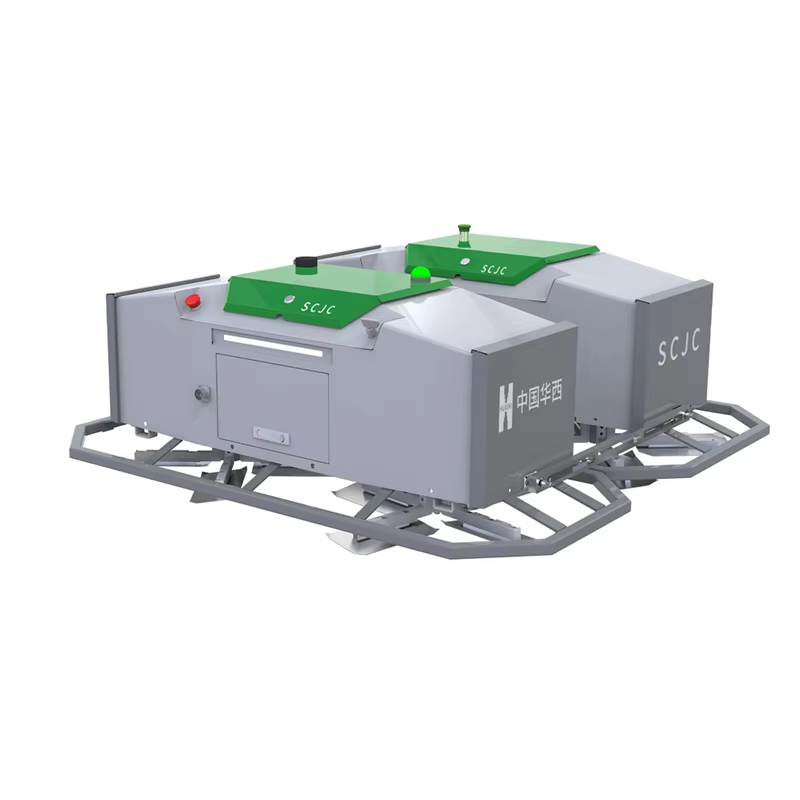
How AI-Powered Concrete Paving Robots Achieve Unprecedented Precision
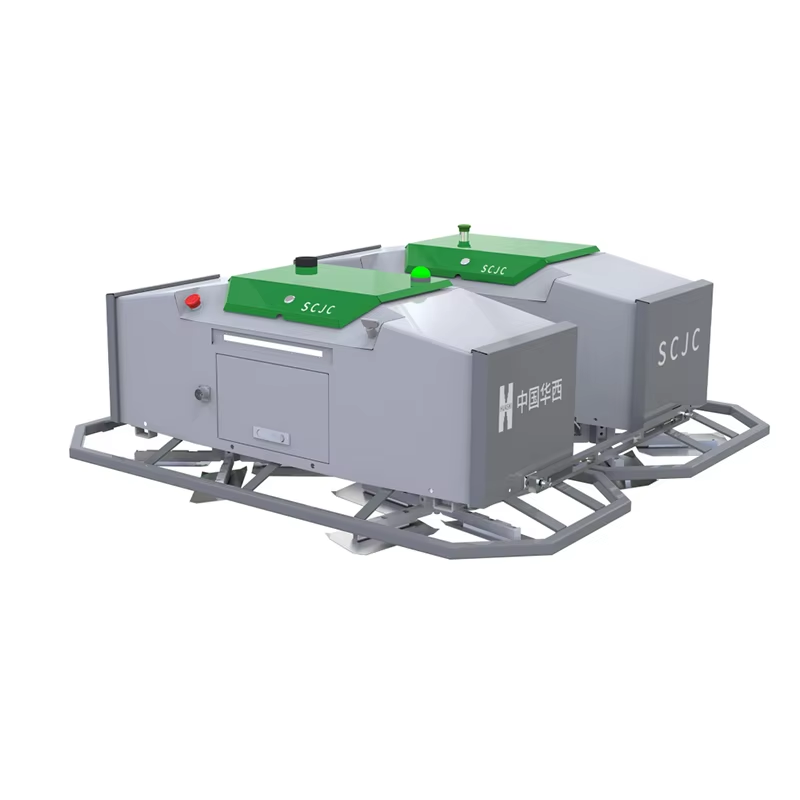
Real-Time Sensor Fusion and Adaptive Path Planning for Dynamic Sites
Concrete paving robots powered by artificial intelligence combine LiDAR technology, GPS systems, and those little devices called IMUs to create detailed maps of construction sites as they work. The robot's sensors keep track of everything from how the ground looks underfoot to whether the wet concrete has the right consistency, plus all sorts of environmental factors like changes in temperature and even subtle vibrations caused by wind blowing across the site. Behind the scenes, machine learning algorithms crunch through all this mixed data to adjust where the robot lays down pavement almost instantly. This lets them correct for things like settling soil, sudden roadblocks, or when the concrete flows differently than expected. What we get at the end is control so precise it measures down to millimeters for things like slab thickness, slope angles, and straight lines - even when working on rough or tilted surfaces - and none of this requires workers to step in and fix things manually. Tests run by NIST showed these smart paving systems cut down on shape problems by around 40% compared to what traditional methods produce, which means better looking roads and highways stretching across large areas. These systems also feature something called closed-loop feedback that allows them to fine tune themselves while working, cutting down on expensive mistakes and making sure finished surfaces meet those strict ACI 302.1R standards for flatness.
Case Study: Hadrian X and Other Autonomous Concrete Paving Systems in Action
During a recent highway test run, the Hadrian X robot showed remarkable capabilities, finishing a 500 meter road segment with nearly perfect geometry at around 98% accuracy while running non-stop. The machine uses computer vision to spot edges as it goes along, adjusting its movements accordingly. When placing those precast concrete blocks, it gets them positioned within half a millimeter of where they need to be - better than what most seasoned workers can manage consistently. Tests revealed these smart placement techniques cut down on wasted materials by about 30%, something confirmed by experts at the American Concrete Institute after reviewing their findings. Other companies like Fastbrick Robotics and Built Robotics have similar machines out there too. Their robots typically finish projects 45% faster than traditional methods, maintain surfaces flat within 1.5mm according to industry standards, and keep working reliably no matter if it rains, gets hot, or dusty outside. All this points toward a big change happening in construction practices, moving away from fixing problems as they happen toward anticipating issues before they arise through smarter planning based on actual physical principles.
Concrete Paving Robots vs. Traditional Methods: Efficiency, Quality, and Cost Impact
Quantifying Time Savings, Material Waste Reduction, and Surface Consistency
Concrete paving done with robots brings real benefits in three main areas: how fast work gets done, how efficiently materials are used, and the quality of the finished product. These machines can skip all the time-consuming steps like setting up forms and rotating workers, so they run around 8 to 10 cubic meters per hour. That's about twice what regular crews manage at their usual 3 to 5 m³/hour pace. Studies put out together by AGC and Stanford's engineering center back this up, showing projects finish up to half as fast when using these systems. Waste drops by roughly 15 to 20 percent thanks to those laser guides and computer models that track exactly how much material goes where, which means saving money on raw materials and cutting down on what ends up in landfills. The surfaces also turn out much smoother, staying within 3mm of perfect flatness most of the time. Manual work usually varies between plus or minus 6 to 10mm, which doesn't meet industry standards very well. Better surfaces last longer and need less fixing over time, something research in transportation journals shows saves about 25% on maintenance costs eventually. Traditional approaches just can't compete with all these factors since they're so affected by bad weather, varying worker skills, and mistakes that build up day after day. Robots handle all these problems automatically because they follow precise instructions every single time.
Workforce Transformation: From Labor Displacement to Skilled Robotics Oversight
Concrete paving robots aren't replacing workers entirely—they're changing what kinds of jobs exist in the industry. As fewer people need to do the old school work like raking, floating, and troweling concrete manually, new roles are popping up instead. Contractors such as Bechtel and Skanska have started training programs for their existing crews, teaching them how to diagnose sensors, work with path planning software, and interpret live telemetry data from construction sites. Many workers who complete these training sessions end up working from central operation centers, where they monitor several robotic units at once. They tweak settings for slump compensation or adjust curing schedules through online dashboards while watching everything unfold remotely. This shift helps tackle long-standing labor problems in the construction sector and actually makes certain jobs more valuable. According to recent data, those certified in robotics tech typically make between 35% to 50% more money than regular finishers. Plus, mistakes happen about 60% less often when these trained technicians are overseeing operations on site. The industry seems to be building something pretty interesting here—a workforce that knows both the physical side of concrete work and can navigate digital systems too, which should help innovations grow without causing major disruptions across the board.
FAQ
How do AI-powered concrete paving robots improve precision?
AI-powered concrete paving robots use advanced technologies like LiDAR and GPS to create detailed maps and employ machine learning algorithms to adjust paving operations in real-time, achieving precision down to millimeters.
What are the benefits of using concrete paving robots compared to traditional methods?
Concrete paving robots enhance efficiency, reduce material waste, and maintain surface consistency better than traditional methods. They complete projects faster and more reliably, adhering to industry standards.
How do concrete paving robots impact the workforce?
While they change traditional roles, concrete paving robots create new careers focused on robotics oversight and sensor diagnosis, often offering higher pay and reducing on-site errors.