 EN
EN

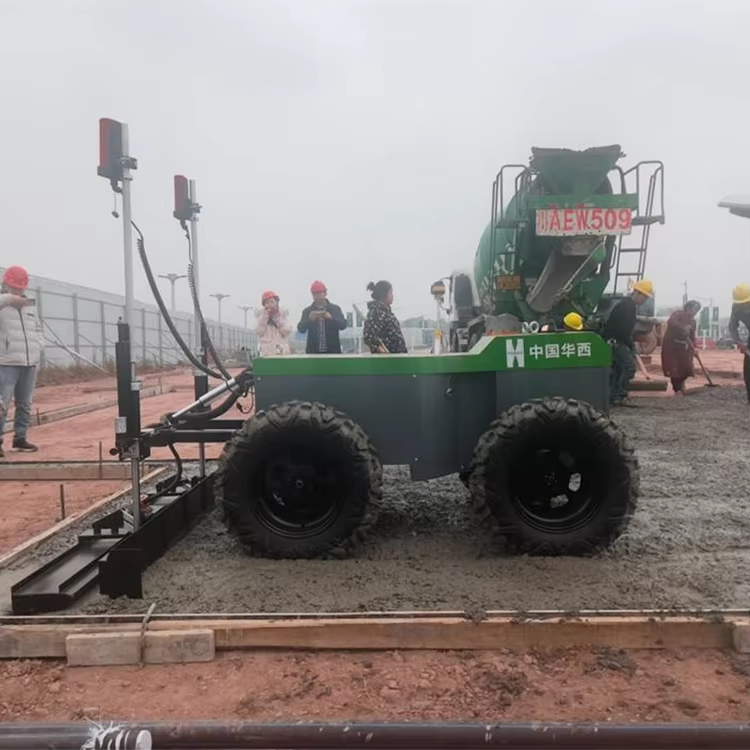
Inconsistent Concrete Paving Quality: Sensor Degradation and Calibration Failures
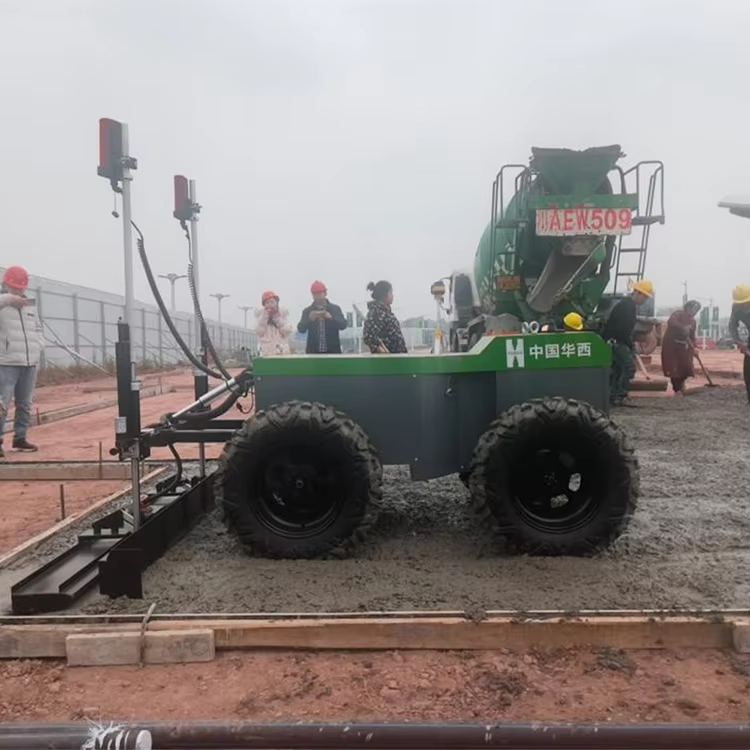
How dust, moisture, and vibration compromise IMU and laser sensor accuracy in concrete paving robots
The concrete paving bots rely heavily on those fancy Inertial Measurement Units (IMUs) along with laser sensors to get that super precise millimeter level work done. But let's face it, these systems don't last long when Mother Nature throws her weight around. Dust builds up all over those optical surfaces and starts scattering those laser beams everywhere, which messes with the distance measurements and throws off how thick the slabs end up being. Then there's the moisture issue too bad weather or just regular humidity gets into the electronics and eats away at contacts while messing up the gyros in those IMUs. And don't even get me started on the vibrations from those nearby compactors shaking everything loose day after day. A tiny half degree angle shift somewhere can throw whole sections of pavement way off course sometimes by as much as three inches! When this happens without proper fixes, what we see are those annoying wavy roads that nobody wants to drive on. To fight back against all this, most companies now install sealed housing for their sensors plus run regular air purge systems to keep dust out. Daily cleaning routines have become standard practice too, though honestly nobody really looks forward to scrubbing those lenses every morning before starting work.
Field-proven recalibration protocols for real-time grade and alignment control on job sites
Combat sensor drift through scheduled field recalibration triggered by operational conditions—not just time intervals. At shift start, benchmark against physical markers using this three-step sequence:
- Laser validation: Project beams against fixed targets at 50-ft intervals to detect angular deviation
- IMU reset: Place robot on a certified leveled steel plate to recalibrate gyroscopes and accelerometers
- Ground truthing: Cross-verify positioning against GNSS waypoints with ≤2 mm tolerance
Hourly recalibration during high-vibration tasks reduces misalignment incidents by 78%. For rapid corrections, deploy automated routines where robots self-adjust via embedded algorithms upon detecting abnormal vibration frequencies—sustaining continuous slab flatness within the industry-standard 3 mm/10 ft tolerance despite dynamic site conditions.
Weather and Terrain Challenges Affecting Concrete Paving Reliability
GPS Drift and Traction Loss on Wet or Uneven Subgrades — Impacts on Concrete Paving Continuity
When it rains or the ground gets rocky, paving just doesn't go as smoothly. The problem gets worse when the ground is soaked because GPS signals can drift off course by around 15 centimeters according to a study from Geospatial World last year. This leads to those frustrating situations where concrete ends up out of alignment or creates cold joints between sections. At the same time, there's also a bigger chance of hydroplaning on any slope steeper than five degrees, which means equipment operators have to stop unexpectedly all the time. All these interruptions create bumpy surfaces that need fixing later. Fortunately, newer technology helps fight back against these problems through instant feedback about how well the ground is being compacted, plus special treads designed for rough terrain that maintain almost full grip even when conditions are really bad.
Hybrid SLAM-GNSS Navigation: Why Becoming Essential for Precision Concrete Paving Automation
Regular GPS systems tend to struggle when satellite signals get blocked, which happens all the time beneath bridges, around skyscrapers, or deep inside city streets. The new approach combines SLAM technology with GNSS through local LiDAR maps and global positioning data, cutting down on position errors to less than two centimeters. What does this mean? Machines can keep running smoothly even when they lose satellite connection, and they adjust automatically when the ground changes unexpectedly. Think about construction sites where sudden soil erosion occurs – the system can figure out a new route within half a second flat. With industries now requiring measurements accurate down to millimeters across constantly changing conditions, these hybrid navigation systems aren't just nice to have anymore. They've become essential equipment for anyone working in real world environments where perfection matters.
Preventing Operational Downtime in Concrete Paving Robotics
Early-warning indicators (e.g., cycle time creep, harmonic vibrations) and predictive maintenance triggers
Spotting problems early on like unusual vibration patterns or when cycle times stay up 5 to 10 percent longer than normal helps avoid major breakdowns down the line. The numbers back this up too industrial data indicates that predictive maintenance approaches reduce unexpected stoppages anywhere between 30 and 50 percent compared to waiting until something breaks. When factories monitor motor current levels and temperature readings across joints regularly, they build what amounts to a performance reference point. Any significant changes past those established limits automatically send out warning signals to operators. Take gearboxes for instance spectral analysis techniques can actually pick up signs of worn bearings hundreds of operating hours before actual failure occurs. This gives technicians time to replace parts during routine maintenance periods instead of having to scramble in the middle of production runs when everything goes south unexpectedly.
Critical spare parts strategy: Prioritizing sensors, cables, and gearboxes to minimize concrete paving interruptions
Prioritizing these parts allows immediate replacements—reducing downtime significantly. Pair this with condition-based replenishment: automatically reorder laser sensors when vibration signatures indicate early degradation, preventing delays before failures occur.
Bridging the Adoption Gap: Training, ROI, and Real-World Concrete Paving Efficiency Gains
Getting past the roadblocks in concrete paving automation means matching what machines can do with what workers know how to handle, plus showing there's real money to be saved. Many contractors run into trouble where their fancy new gear just sits idle because nobody knows how to operate it properly. Training isn't optional anymore these days. Workers need hands-on instruction in things like setting up robots correctly, navigating different ground conditions, and figuring out why something went wrong when it breaks down. The numbers back this up too. Contractors who invest in simulated training for operators typically see their teams get comfortable with new tech about 20% quicker and make better use of their expensive equipment around 15% more often according to industry reports.
Real return on investment goes way past just what something costs to buy upfront. Research shows that good automation can cut down how long projects take by about 18 percent and slash those costly fixes later on by around 25%. This happens when experienced workers spot paving problems early and fix them before they become bigger issues. Top performing crews actually bring together data from paving robots right into their staffing plans. They adjust where people work based on things like how consistent the materials are coming out and whether surfaces meet required tolerances. When companies combine solid technical know-how with hands-on field experience, they get real results. Less waiting around for crews? Check. Fewer last minute changes to contracts? Yep. And quality stays consistently high enough to pass DOT standards no matter where the job is located.
FAQ
What causes sensor degradation in concrete paving robots?
Sensor degradation is primarily caused by environmental factors such as dust accumulation, moisture infiltration, and vibrations, which affect the accuracy and reliability of IMU and laser sensors.
How can concrete paving robots achieve precise alignment?
Implementing field-proven recalibration protocols, such as laser validation, IMU reset, ground truthing, and deploying automated routines for rapid corrections, help maintain precise concrete paving alignment.
What are hybrid SLAM-GNSS navigation systems and why are they important?
Hybrid SLAM-GNSS navigation systems combine SLAM technology with GNSS to enhance precision and reliability in environments where GPS signals are obstructed, ensuring continuous paving automation.
How is downtime minimized in concrete paving robots?
Early-warning indicators and predictive maintenance strategies that focus on critical spare parts help minimize downtime by addressing potential issues before they lead to unplanned stoppages.
Why is training crucial for concrete paving automation?
Training equips workers with necessary skills to operate complex paving equipment effectively, thereby reducing idle time and ensuring that automated systems are maximally efficient.
Table of Contents
- Inconsistent Concrete Paving Quality: Sensor Degradation and Calibration Failures
- Weather and Terrain Challenges Affecting Concrete Paving Reliability
- Preventing Operational Downtime in Concrete Paving Robotics
- Bridging the Adoption Gap: Training, ROI, and Real-World Concrete Paving Efficiency Gains
- FAQ