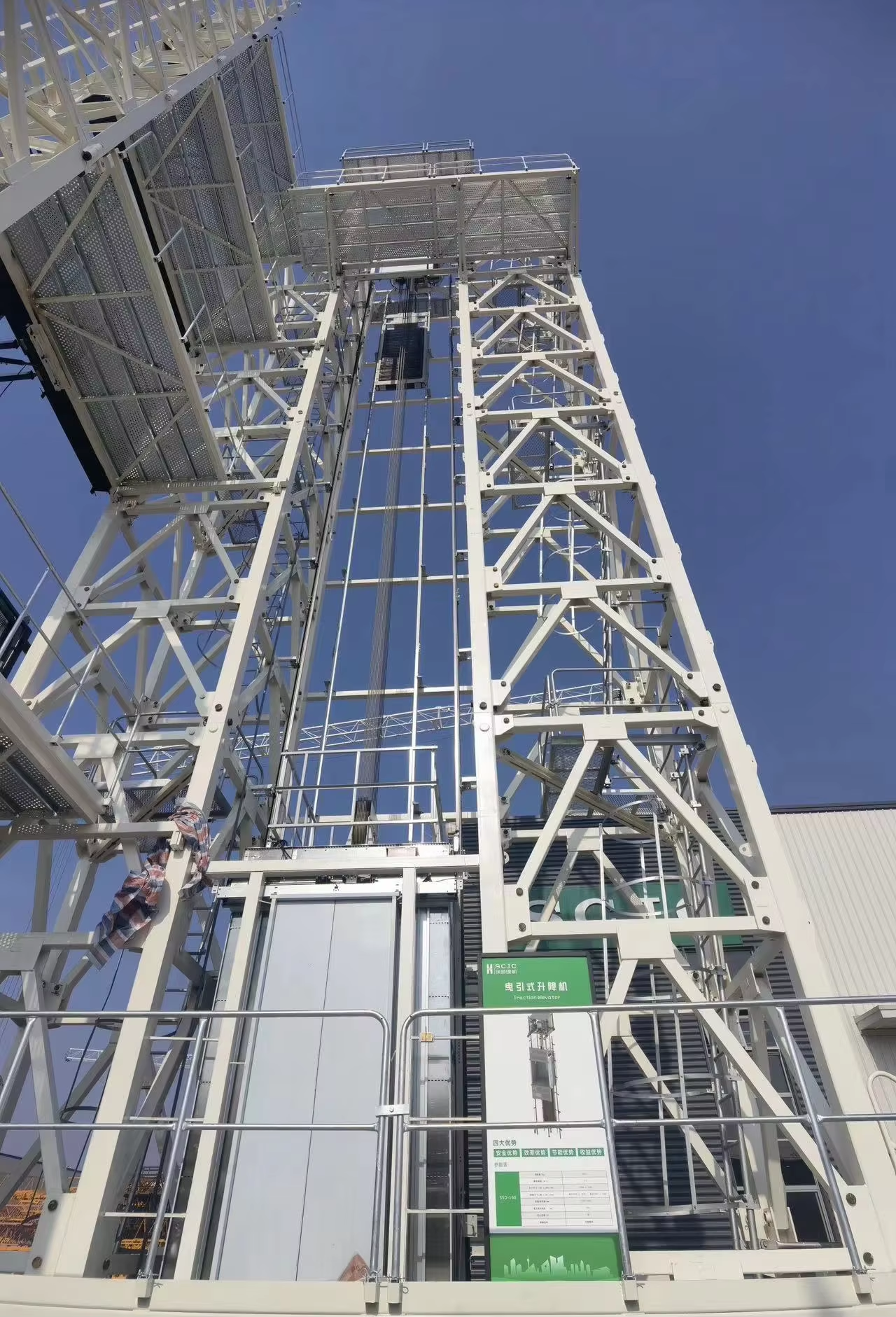
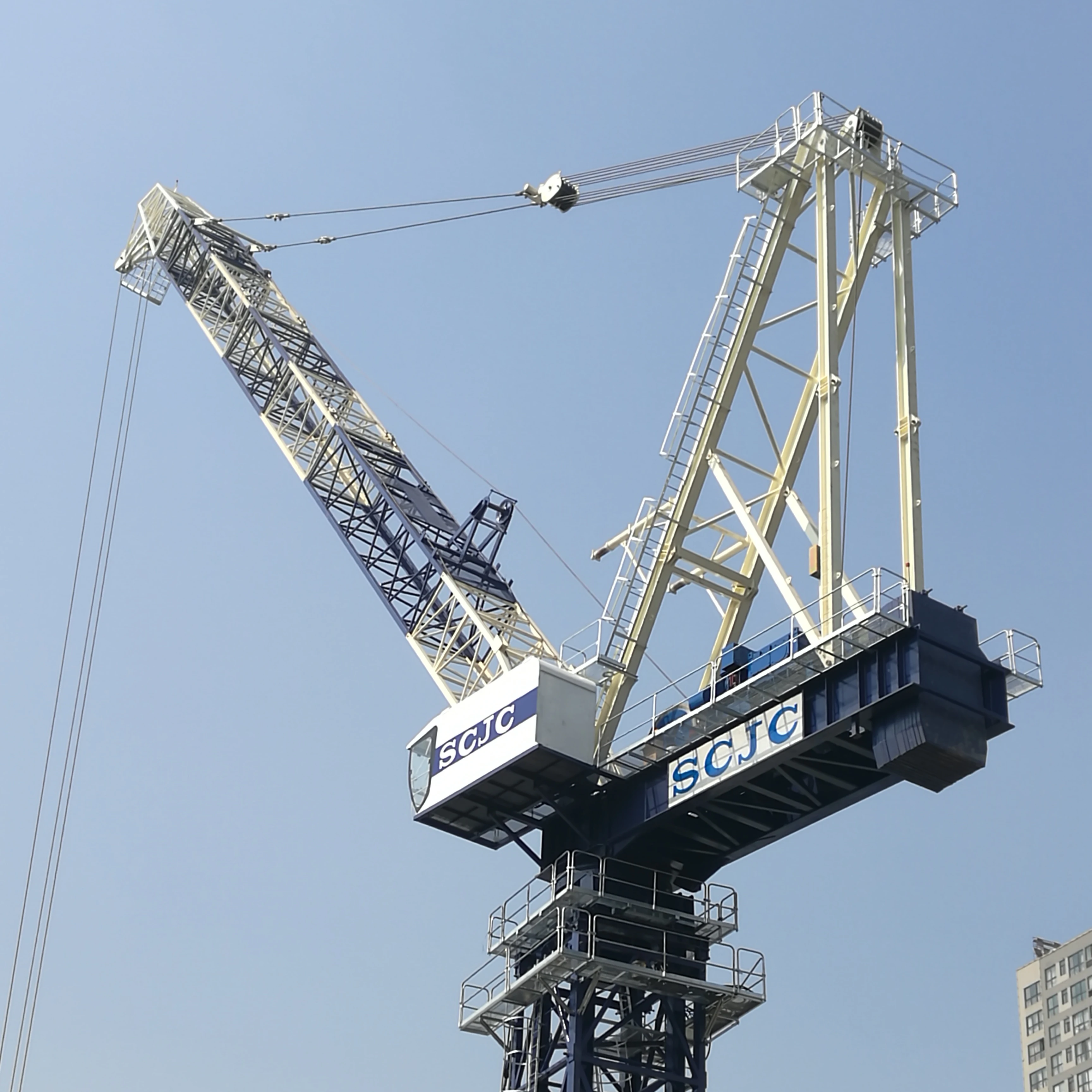
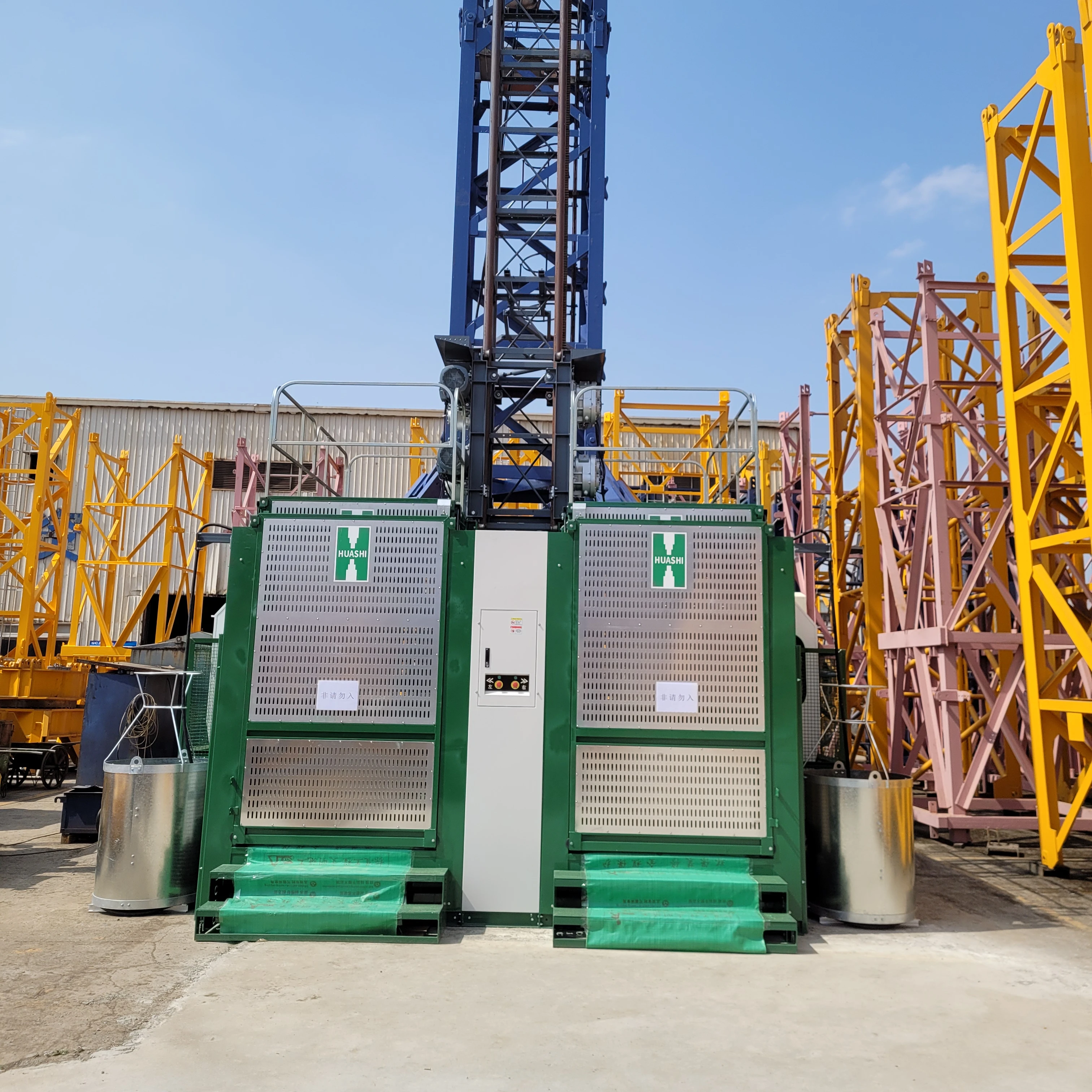
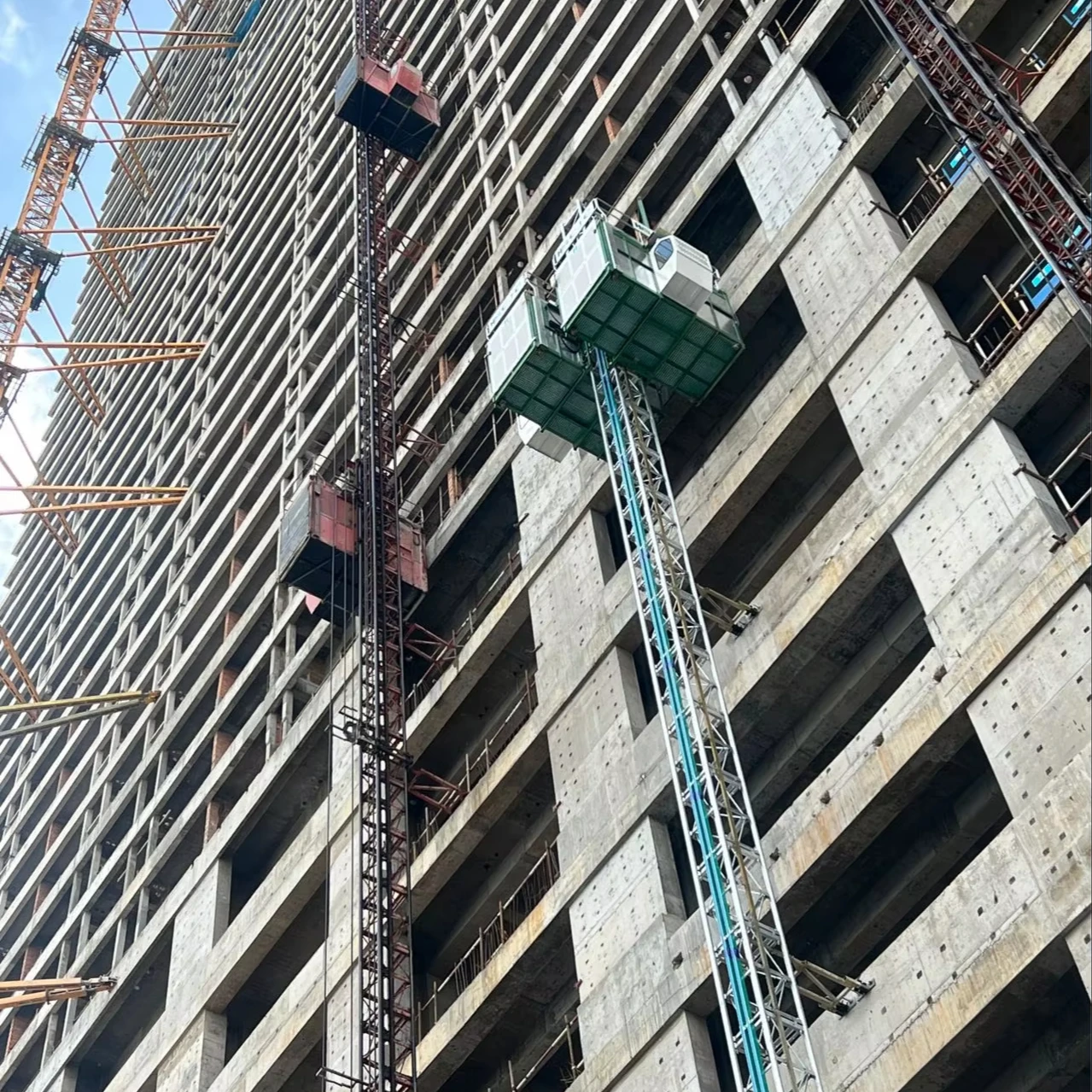
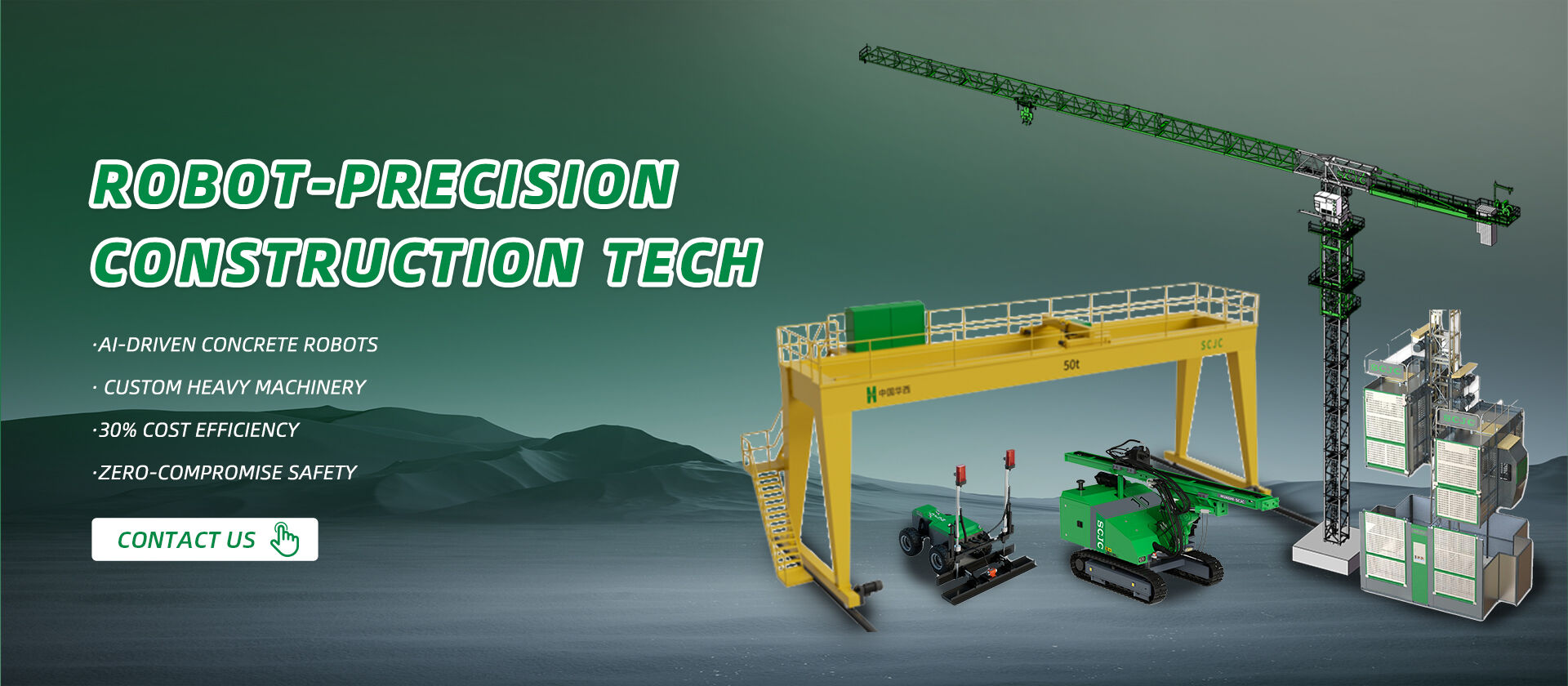
In the field of modern construction engineering, the construction skip hoist, as a critical piece of equipment for vertical transportation, has seen its importance grow significantly alongside the increasing height and scale of buildings. This mechanized device, specifically designed for the efficient transport of construction materials and equipment, has fundamentally transformed the inefficient traditional methods reliant on manual labor or multiple crane lifts. Moreover, through its unique mechanized operation, it has become a core technological asset for ensuring construction safety and controlling project costs.
From the perspective of construction efficiency, the most significant value of construction skip hoists lies in their ability to accelerate material transport while ensuring process safety and controllability. In scenarios requiring frequent vertical transportation—such as high-rise buildings, large bridges, or hydraulic engineering projects—traditional methods often necessitate substantial manual labor alongside crane equipment. This approach not only prolongs transport cycles but also carries risks of material spillage. Modern hoist systems, however, feature enclosed bucket designs powered by electric or hydraulic systems. They deliver heavy construction materials like concrete, rebar, and aggregates directly to designated floors at stable speeds, handling loads of several tons per trip. This continuous operation mode drastically reduces construction wait times per floor. Statistics show that in projects exceeding 30 stories, using tower hoists accelerates overall construction progress by approximately 15%-20%. Simultaneously, their fall protection devices and automatic braking systems reduce accident rates in material transport by nearly 60%.
Economically, this equipment delivers significant cost optimization for construction projects. For super-high-rise buildings or deep foundation pit projects, using tower cranes or construction elevators for material transfer not only requires additional specialized operators but also incurs high equipment rental costs due to frequent relocation and hoisting preparations. In contrast, permanently installed hoist towers offer low long-term operating costs—their electric-powered versions consume only one-third the energy per unit of transport compared to diesel cranes, with maintenance intervals exceeding 2,000 hours. Actual application data from a subway hub project shows that over an 18-month construction cycle, the comprehensive operating cost of the tower hoist saved approximately 420,000 yuan compared to traditional solutions, equivalent to a reduction of about 8 yuan per square meter of floor area. This cost advantage is particularly significant in large-scale infrastructure projects with tight schedules, helping contractors effectively control budgets while ensuring progress.
Enhanced safety represents another irreplaceable core value of the shaft hoist. Approximately 35% of high-altitude work accidents in the construction industry involve material falls or transport equipment failures. Professionally designed construction shafts fundamentally transform this situation through multiple safety mechanisms. Their steel-structured shafts feature seismic reinforcement capable of withstanding earthquakes up to magnitude 8 and winds up to force 12; Buckets incorporate anti-disengagement hooks and overload sensors that automatically trigger alarms and halt operations when exceeding rated capacity. Premium models further integrate real-time monitoring systems, synchronizing operational data to ground control centers via IoT technology. These innovations enabled tower hoists to safely deliver over 200 tons of construction materials daily to supertall landmarks like Dubai's Burj Khalifa without disrupting other workflows.
 EN
EN