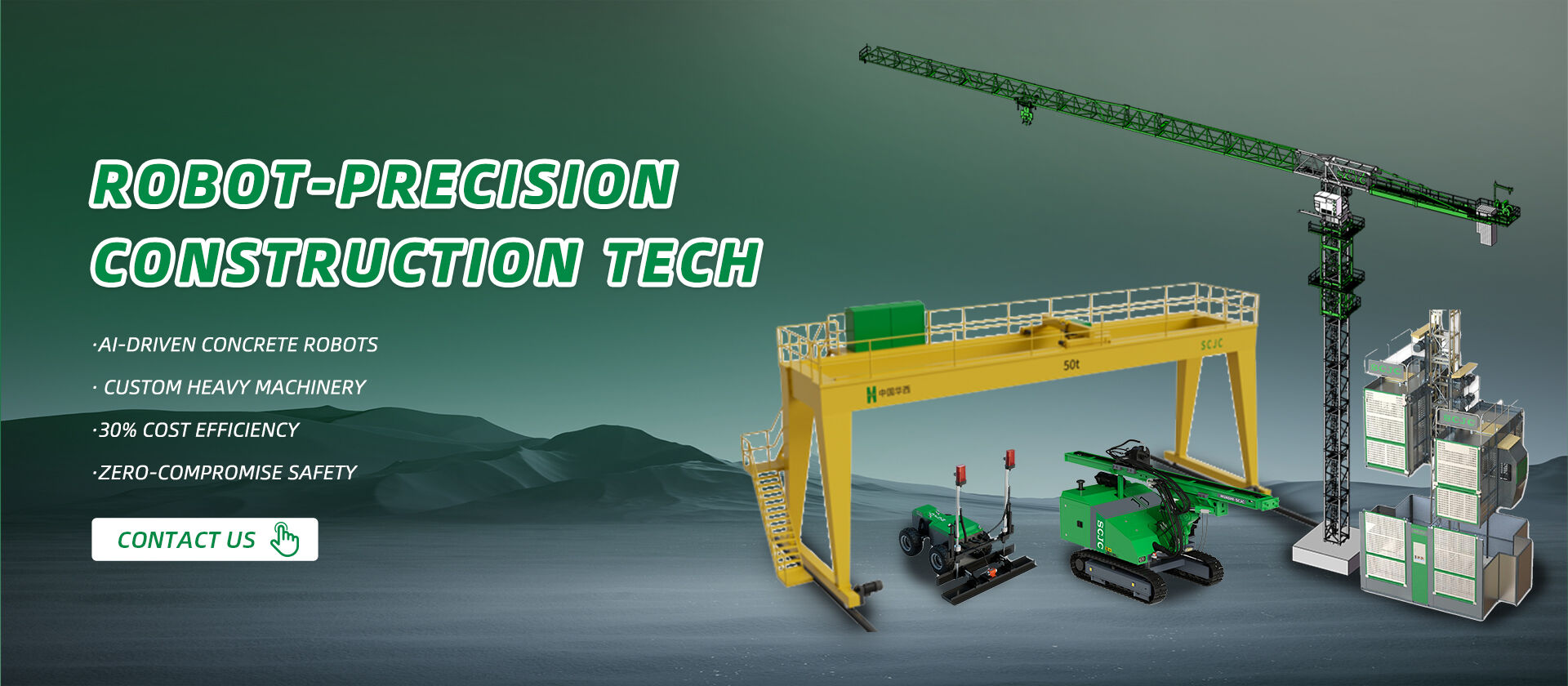
Construction Material Elevators, as critical equipment for vertical transportation, play an irreplaceable role across multiple sectors including construction, industrial manufacturing, and infrastructure development. Their high load capacity, stability, and adaptability to complex working conditions enable applications ranging from high-rise buildings to outdoor mining sites. These elevators effectively address the need for efficient vertical transport of heavy materials, equipment, and personnel, significantly enhancing project efficiency and safety.
1. High-Rise Construction (Residential and Commercial Projects)
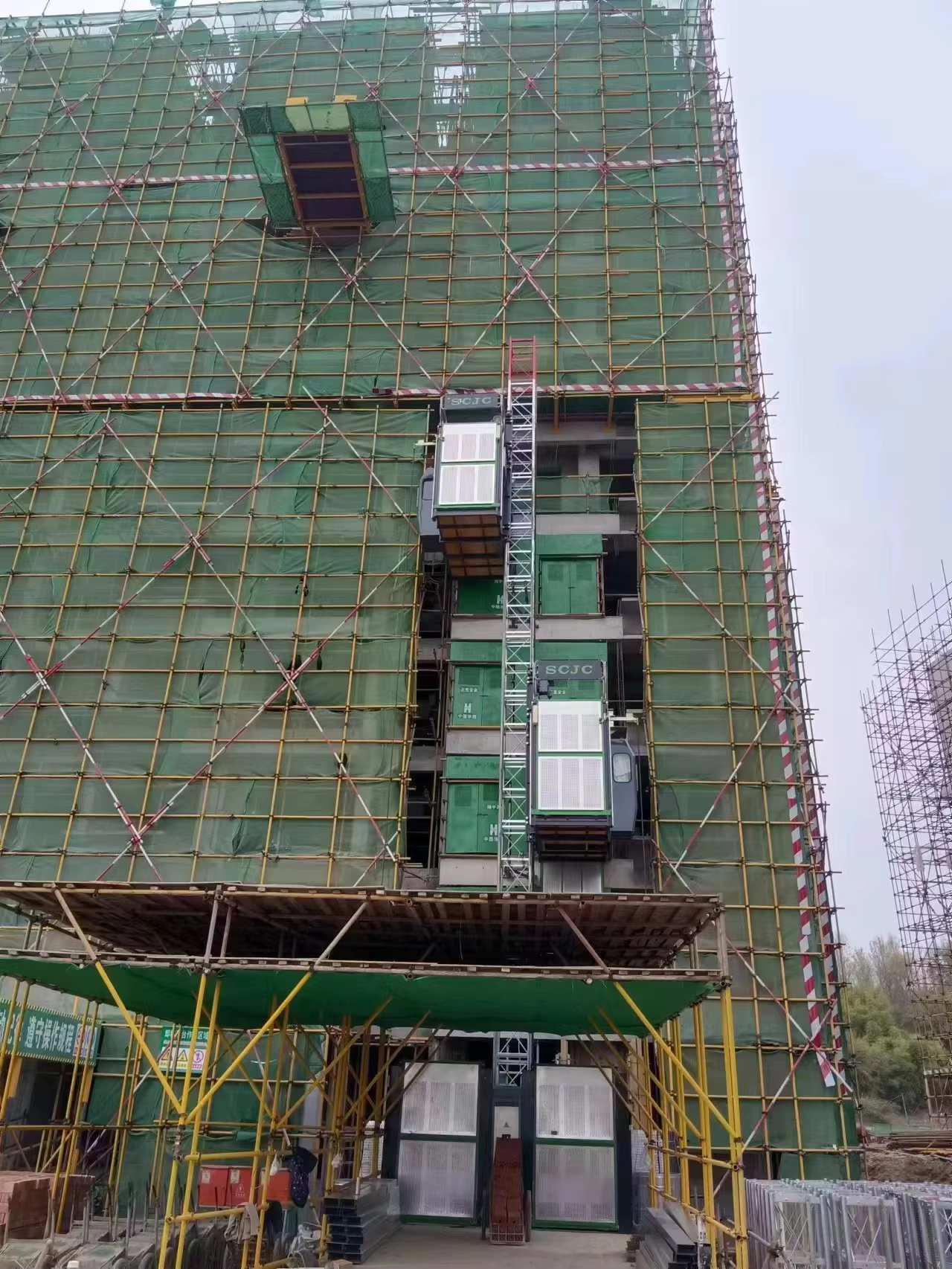
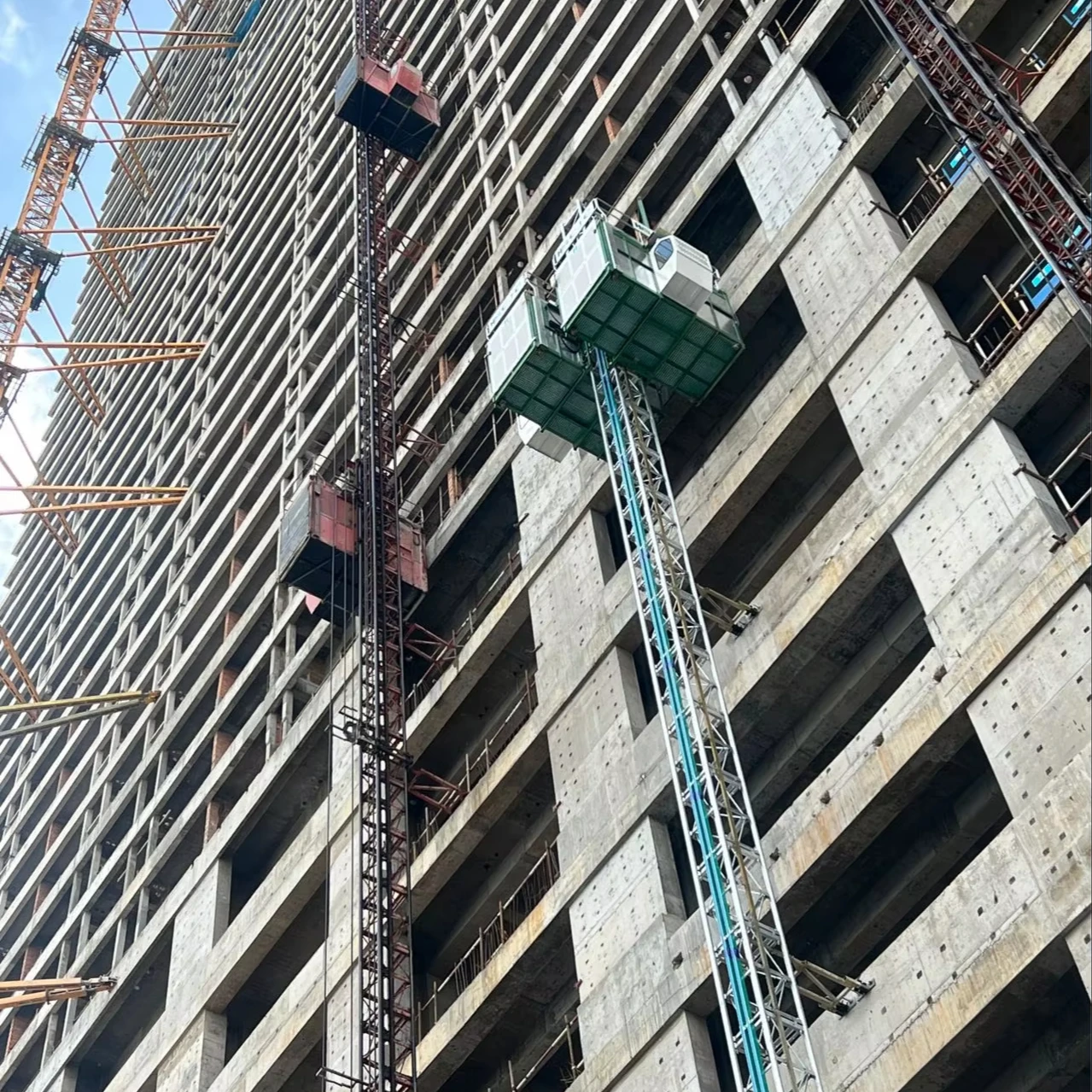
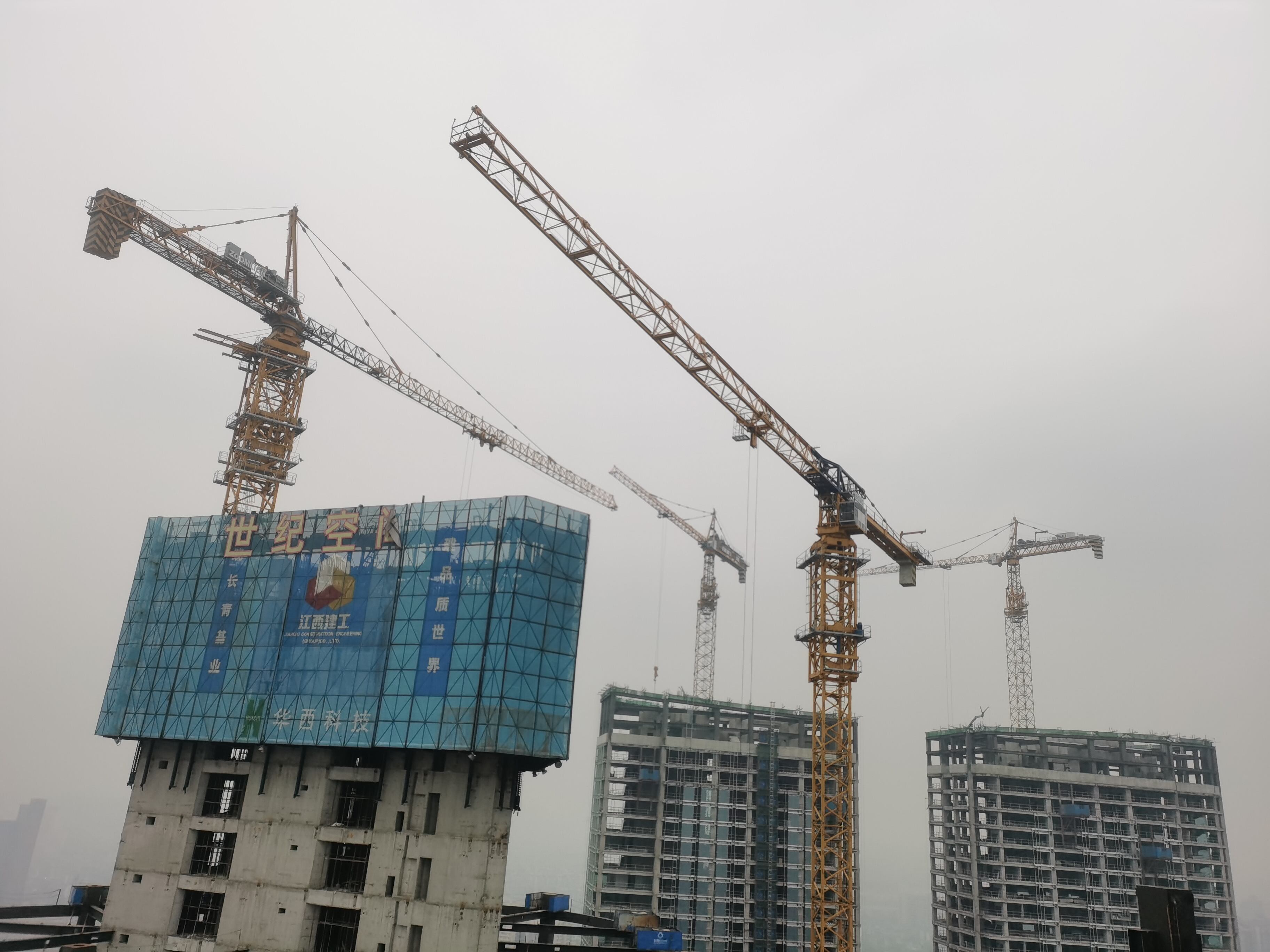
In the construction of high-rise residential buildings, office towers, shopping malls, and hotels, construction material elevators serve as the primary vertical transport solution. They are primarily used to deliver bulk building materials—such as cement, rebar, concrete, bricks, and prefabricated components—to work platforms dozens of stories high. For instance, in a 30-story residential building, a standard hoist can carry 2 tons of rebar per trip. This rapidly delivers materials to target floors—tasks previously reliant on manual labor or tower cranes—drastically reducing material turnaround time while minimizing the risk of falling objects. Its continuous operation ensures the continuity of processes like concrete pouring and wall masonry, making it a critical enabler of efficiency in modern high-rise construction.
2. Bridge and Infrastructure Engineering
Large-scale infrastructure projects like bridges, tunnels, and subway tracks demand exceptional load-bearing capacity and stability for material transport. In such scenarios, construction hoists handle the transportation of heavy equipment including steel beams, precast concrete slabs, and excavation machinery. For instance, during bridge deck installation for river-spanning bridges, construction teams often employ 10-ton hoists to precisely lift precast concrete deck panels to positions dozens of meters above ground. In subway tunnel construction, hoists vertically transport shield machine components or excavated soil to the surface. Their design for harsh outdoor environments—including wind, rain, and dust—ensures reliable operation on open-air construction sites.
3. Industrial Manufacturing and Warehouse Logistics
Factory workshops, steel mills, and logistics warehouses rely on hoists for efficient multi-level transportation of raw materials (e.g., steel plates, plastic pellets), production equipment (e.g., machine tools, compressors), and finished goods. In steel mills, for instance, a 3-ton hoist can transport hot-rolled steel coils directly from ground-level production lines to upper-level processing areas, eliminating congestion and safety risks associated with ground-level forklift transfers. Within automated warehouses, hoists coordinate with conveyor systems to precisely deliver goods to storage tiers at varying heights, significantly enhancing space utilization and sorting efficiency.
4. Mining and Quarry Operations
In mining, hoists serve as the “lifeline” connecting underground shafts to surface processing areas. They must withstand extreme conditions—such as high dust concentrations, humid environments, and continuous full-load operation—while safely transporting bulk materials like coal, ore, sand, and gravel. For instance, in a coal mine producing millions of tons annually, specialized hoists perform hundreds of lifts daily, each carrying several tons of coal. Their wear-resistant steel cables and explosion-proof motor designs ensure long-term stable operation. Quarries utilize similar equipment to rapidly transport crushed stone to processing lines, reducing truck transportation costs and carbon emissions.
5. Wind Power and New Energy Projects
As global renewable energy expands, wind farm construction demands higher vertical transport capabilities. Construction material hoists are deployed during installation and maintenance phases to lift massive components—including wind turbine blades (over 80 meters long) and nacelles (weighing tens of tons)—to the tops of 80-100-meter-tall towers. For these specialized scenarios, manufacturers offer outdoor models resistant to wind and corrosion, equipped with anti-slip rails and redundant braking systems to ensure precise positioning even in high-wind conditions. Additionally, lightweight hoists facilitate inter-floor transport of support structures for solar power plants.
6. Temporary Construction and Demolition Operations
Mobile hoists offer flexible deployment for temporary construction sites (e.g., exhibition halls, sports event grandstands) and old building demolition projects. Typically mounted on truck chassis, these units can be rapidly relocated and adapt to varying heights via telescopic booms or guide rails. For instance, during stage construction for a large music festival, mobile hoists lift sound equipment and lighting rigs from the ground to a 20-meter-high steel framework. In old building demolition, they safely transport broken concrete blocks from upper levels to ground-level crushing zones, reducing the hazards of manual handling.
 EN
EN