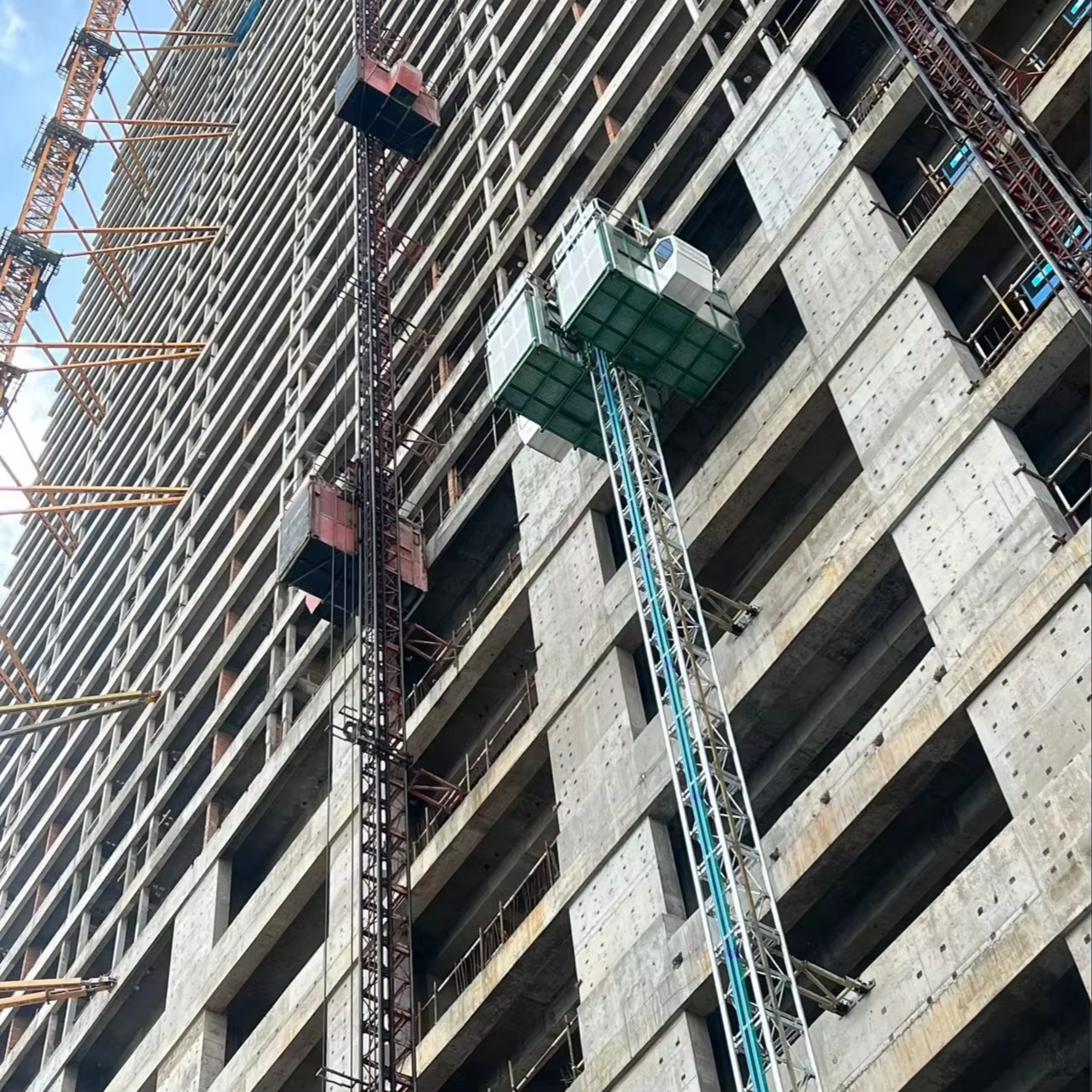
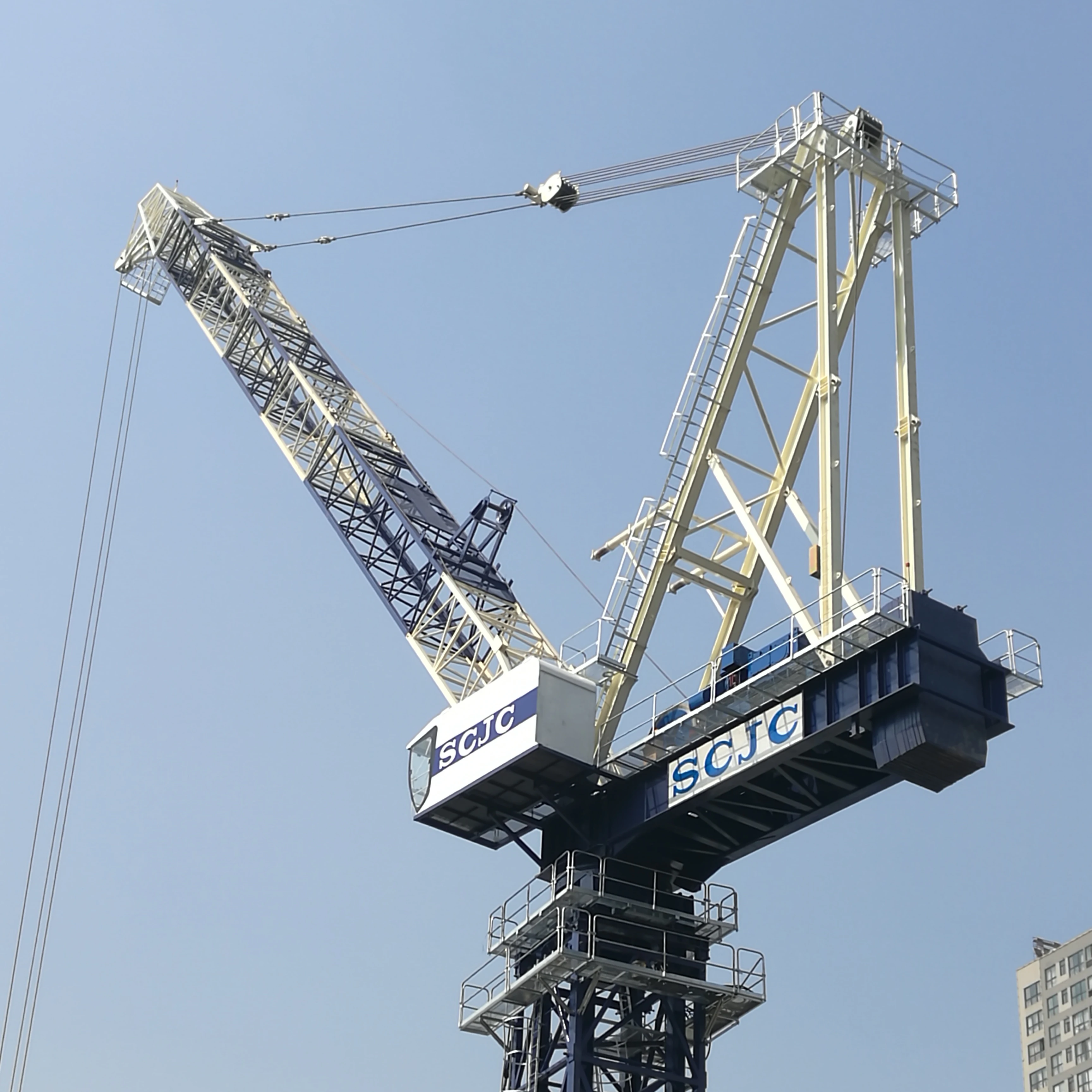
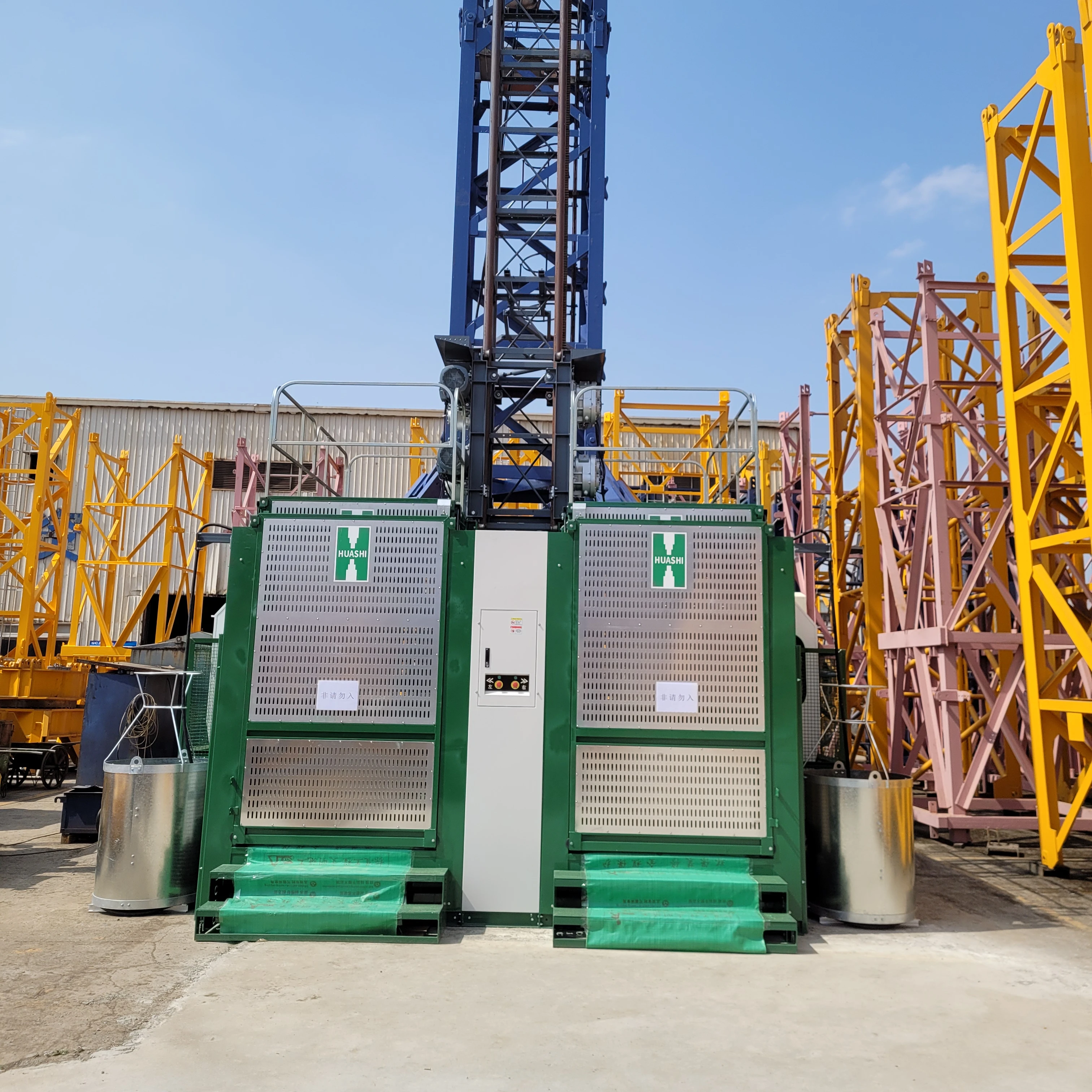
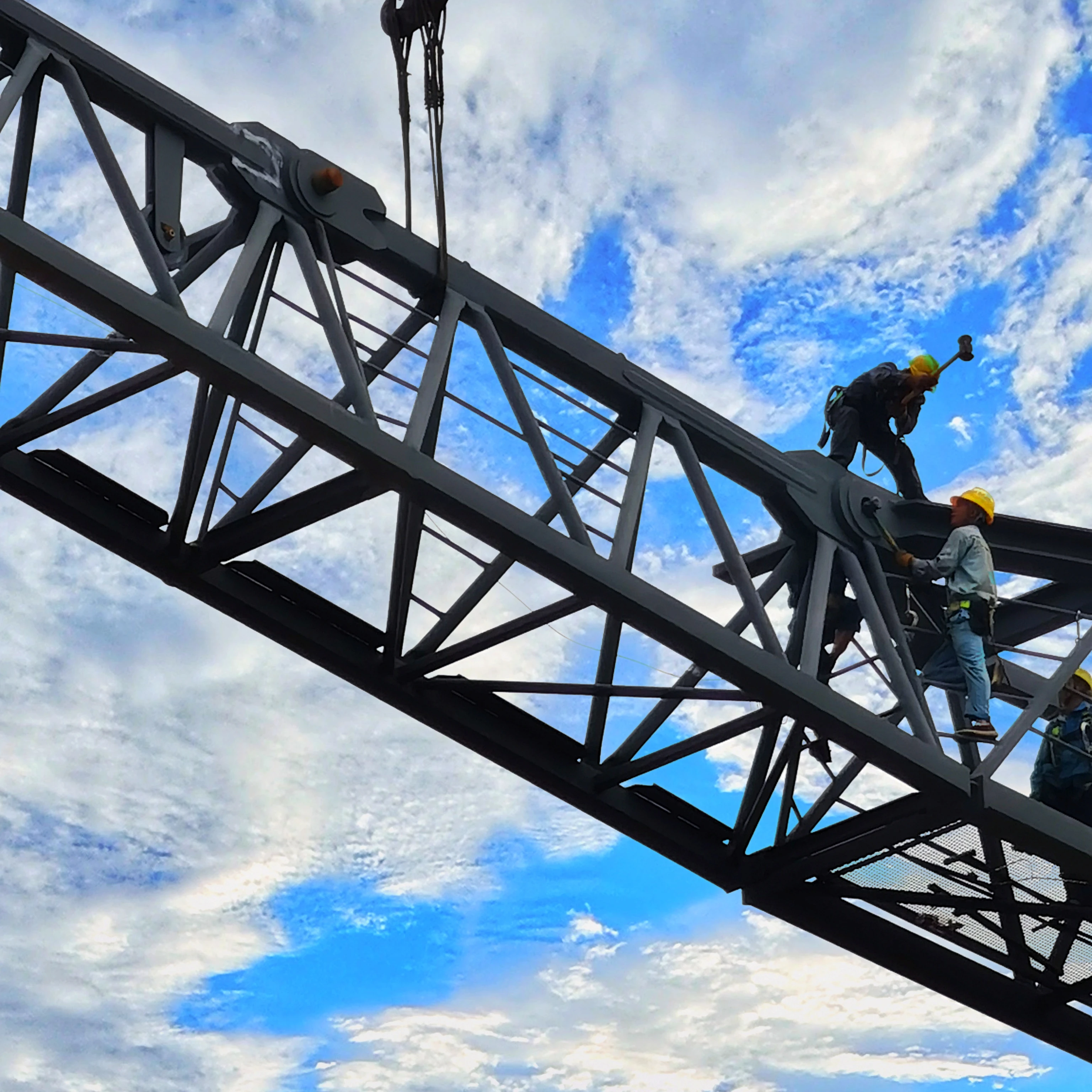
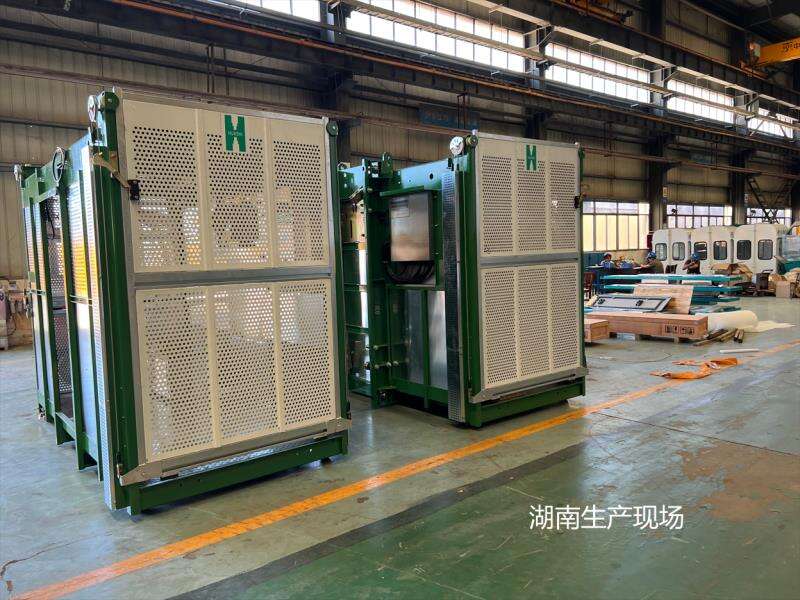
In the modern construction engineering field, personnel lifts (also known as “construction elevators” or “engineering hoisting equipment”) have become core machinery for vertical transportation. Their importance spans the entire construction process of various projects, including high-rise buildings, bridges, dams, and industrial plants. From ensuring safety to boosting efficiency, from controlling costs to adapting to complex environments, this equipment serves not only as an ‘accelerator’ for construction efficiency but also as a “guardian” of on-site safety. The most significant value of construction personnel lifts lies in their robust protection of workers' lives. Traditional methods like climbing scaffolding or using makeshift ladders have long posed high risks of falls and tool drops—statistics show nearly 30% of high-altitude accidents in construction are directly linked to improper vertical transportation. Professional personnel lifts, however, place personnel transportation within a controlled safety framework through features like fully enclosed cabins, fall arrest devices, overload alarms, and emergency braking systems. For instance, cabins typically feature high-strength steel structures with anti-pinch designs, complemented by automatic leveling functions and mechanical locking mechanisms to prevent unintended movement during operation. Some high-end models further integrate sensor monitoring, providing real-time feedback on load capacity, door lock status, and operating speed. Upon detecting anomalies, the system automatically halts operation, eliminating accidents at their source. This dual mechanism of “active protection + passive safeguards” not only significantly reduces injury risks on construction sites but also helps contractors comply with OSHA (Occupational Safety and Health Administration), ISO (International Organization for Standardization), and localized building safety regulations worldwide. This minimizes legal disputes and downtime losses caused by non-compliant operations.
Beyond safety advantages, construction personnel lifts are also key tools for boosting overall project efficiency. In high-rise construction projects spanning dozens of floors, relying on manual material transport or inefficient traditional vertical transportation methods (such as temporary staircases or external hoists) can consume 20%-30% of workers' daily operational time in floor-to-floor travel, severely impacting construction progress. A standard personnel hoist achieves vertical transport speeds of 30-60 meters per minute (equivalent to ascending 1-2 floors per minute). Its cabin design typically accommodates 8-12 workers alongside appropriate construction tools (with some heavy-duty models supporting loads exceeding 2,000 kilograms), enabling simultaneous transport of personnel and materials. This efficient transport capability directly shortens the construction cycle per floor. Especially during accelerated construction phases, it ensures rapid access to work areas for various trades (such as rebar workers, formwork carpenters, and concrete finishers), eliminating downtime caused by waiting for transportation. Furthermore, modern construction hoists often feature modular designs with simplified installation and dismantling processes. Guide rail frames can be flexibly extended as building height increases, eliminating frequent equipment adjustments for floor changes and further ensuring stable continuous operation.
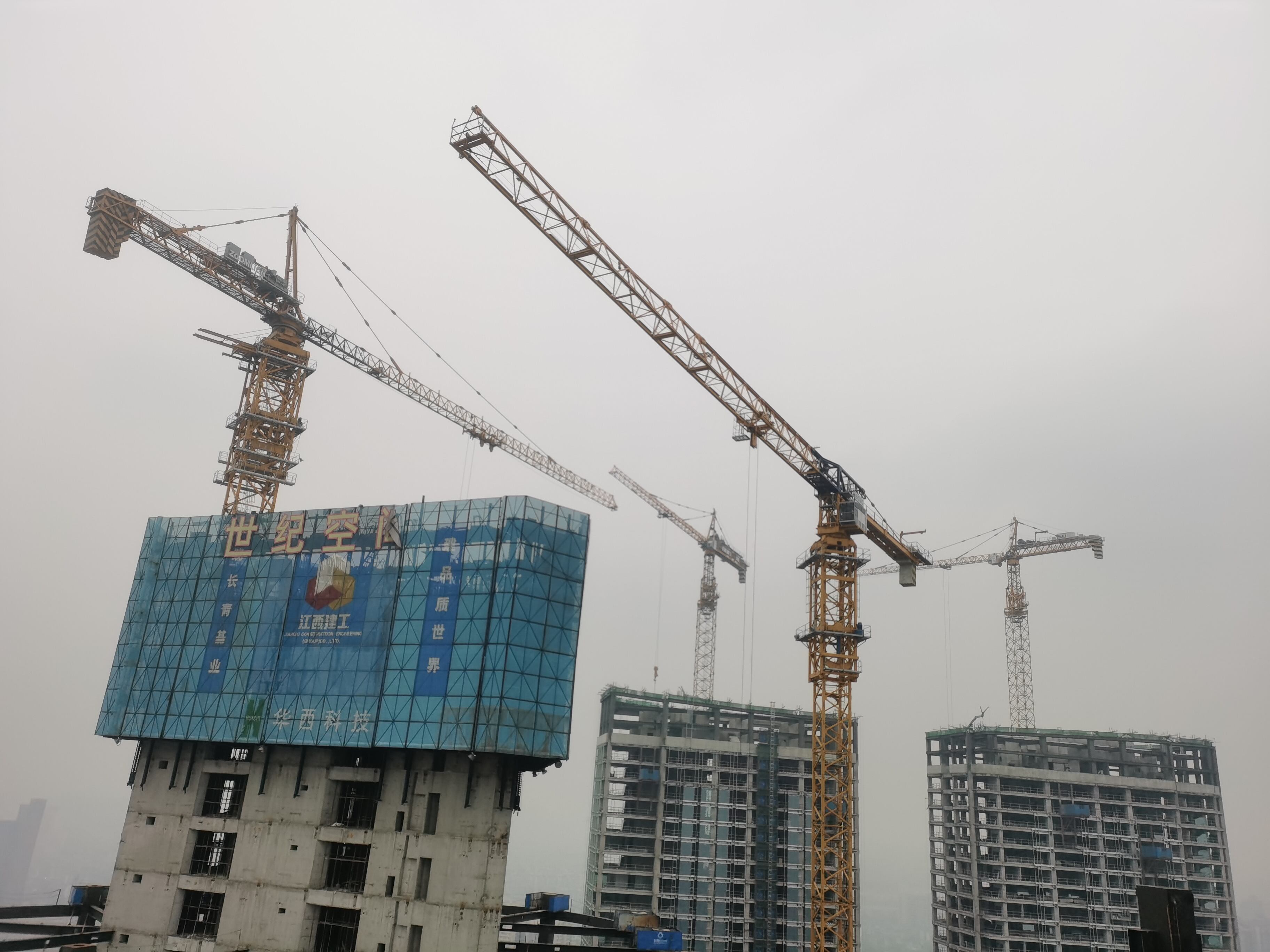
From an economic perspective, construction personnel lifts represent a long-term investment in reducing overall costs. While initial purchase or rental requires an upfront investment, the “one-time setup, multiple-use” model proves more cost-effective than repeatedly erecting temporary staircases, installing suspended platforms, or relying on tower cranes for auxiliary transport (the latter being costly per lift and limited by lifting frequency). Take a 30-story residential building as an example: using a construction hoist can boost vertical transport efficiency by over 40%, indirectly shortening the overall construction period by approximately 1-2 months. The resulting savings in material rental fees, idle labor costs, and management expenses often offset the equipment investment. Moreover, its applicability is exceptionally broad—whether for dense commercial-residential complexes in urban cores, bridge pier construction across rivers, or wind turbine tower installation in mountainous regions. By adjusting the guide rail length and cabin configuration according to project requirements, it can adapt to vertical transportation needs across diverse scenarios.
 EN
EN