Room 1905, Block D, Jinniu Wanda SOHO, Jinniu District, Chengdu City, Sichuan Province +86-18884139528 [email protected]
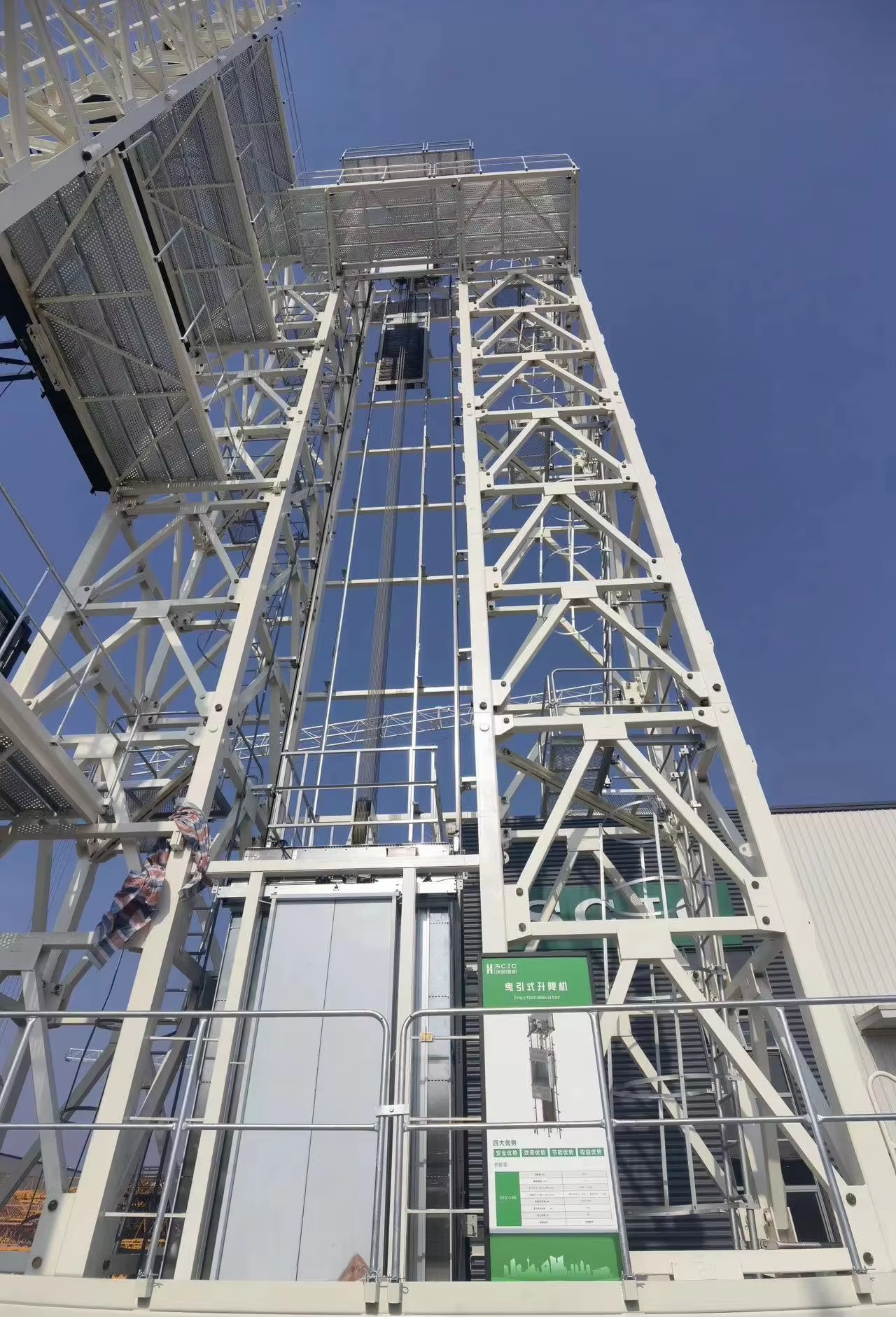
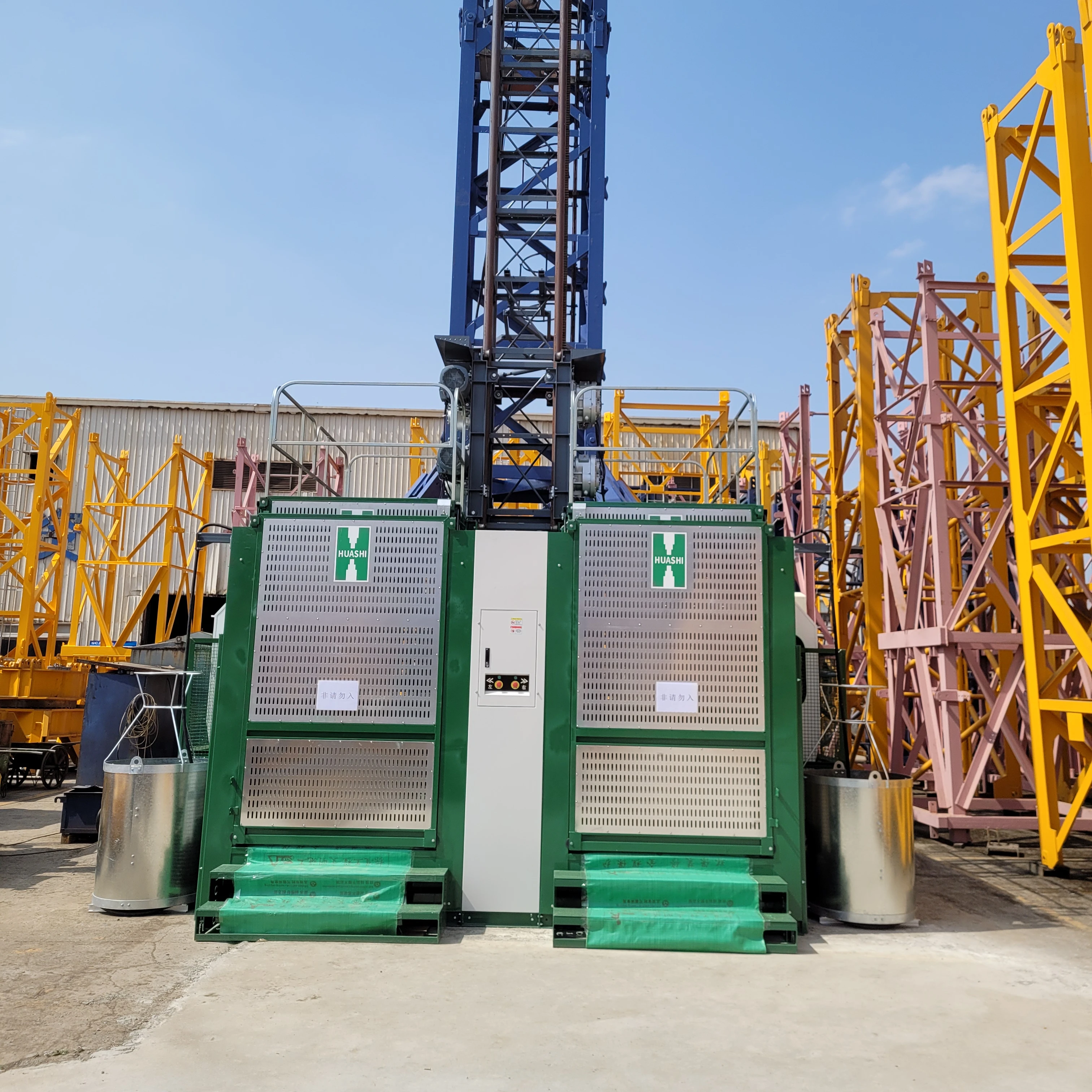
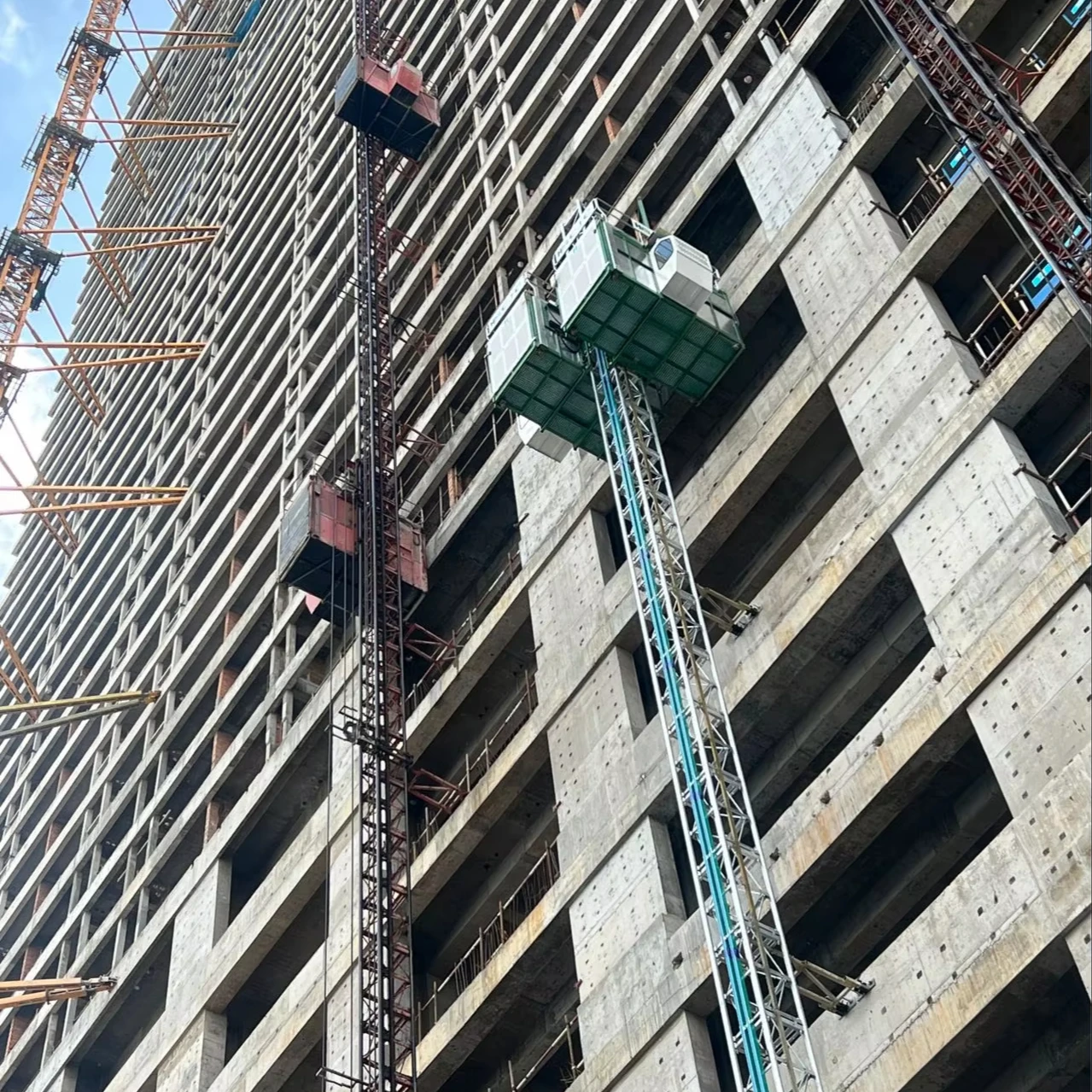
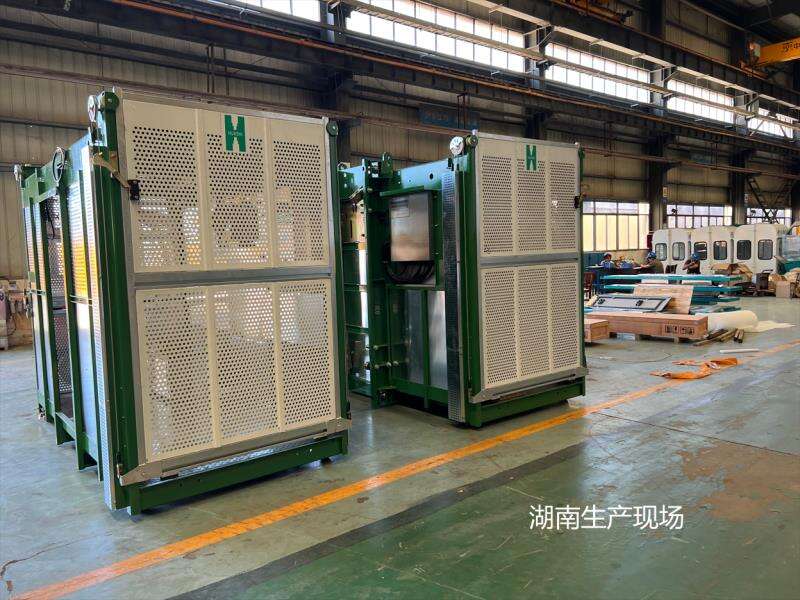
The dimensions of construction hoists—particularly the load-bearing area of the cage and its rated load capacity—constitute the primary safety barrier for operational security. Forcing overcrowding or excessive loading into an undersized cage leads to personnel congestion and unstable material stacking, significantly increasing risks of falls, collisions, and other accidents. When a hoist's dimensions and load capacity are mismatched, exceeding its design load can trigger mechanical failures—such as wire rope breakage or guide rail deformation—potentially causing major safety incidents. Furthermore, global safety regulations—such as China's “Safety Regulations for Construction Hoists,” the U.S. OSHA standards, and the international ANSI code—all stipulate explicit requirements for maximum load capacity, cage dimensions, and safety clearances. For instance, standard passenger hoists mandate a minimum personal space of ≥0.15 m² per occupant, and mixed loading of materials and personnel must be strictly segregated by zones. These regulations fundamentally ensure operational safety through dimensional control. In short, compliant dimensional design is the foundational prerequisite for avoiding legal risks and personnel casualties.
Copyright © Sichuan Huaxi Trading Co., LTD — Privacy Policy