The Vital Role of Bridge Construction Elevators in Modern Infrastructure Projects
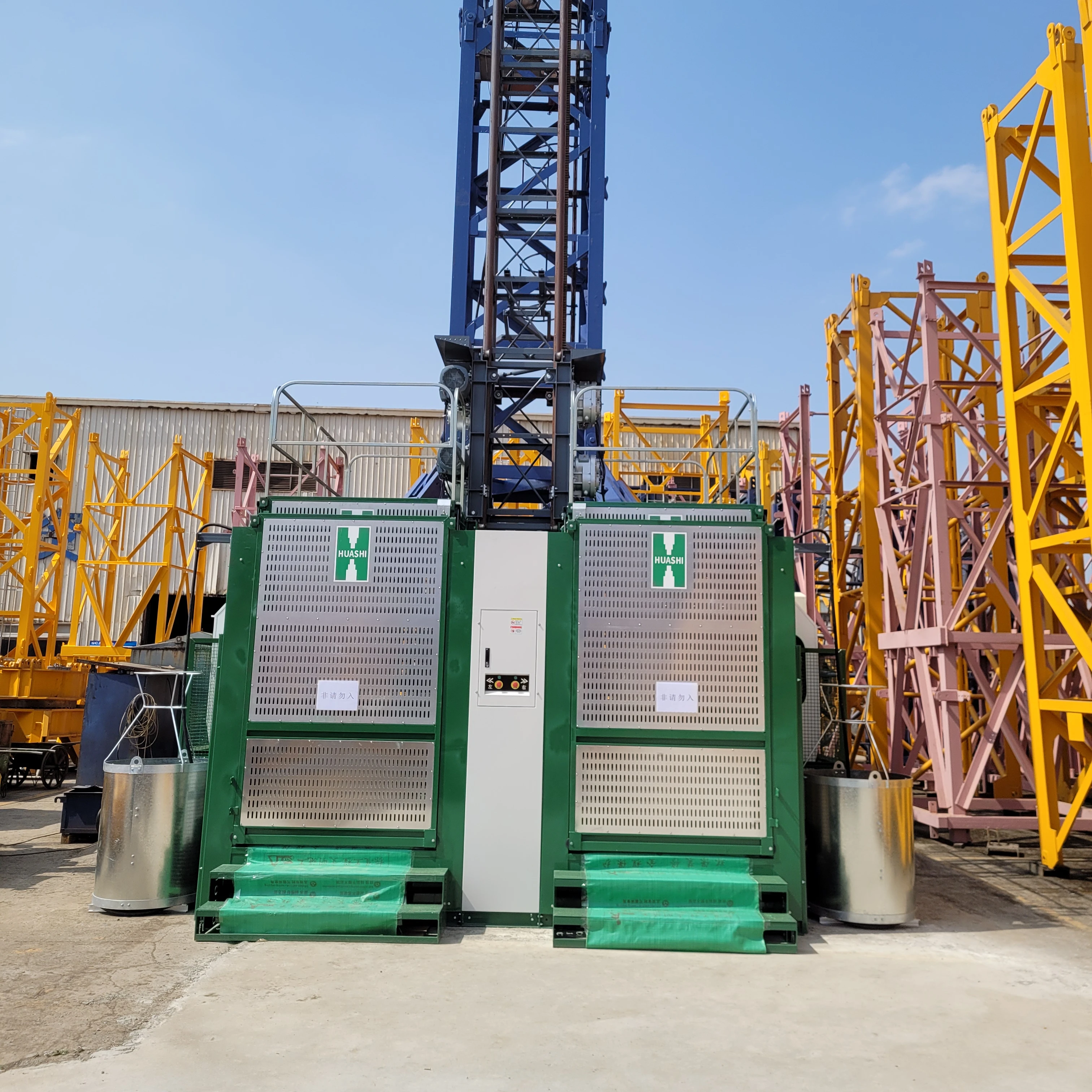
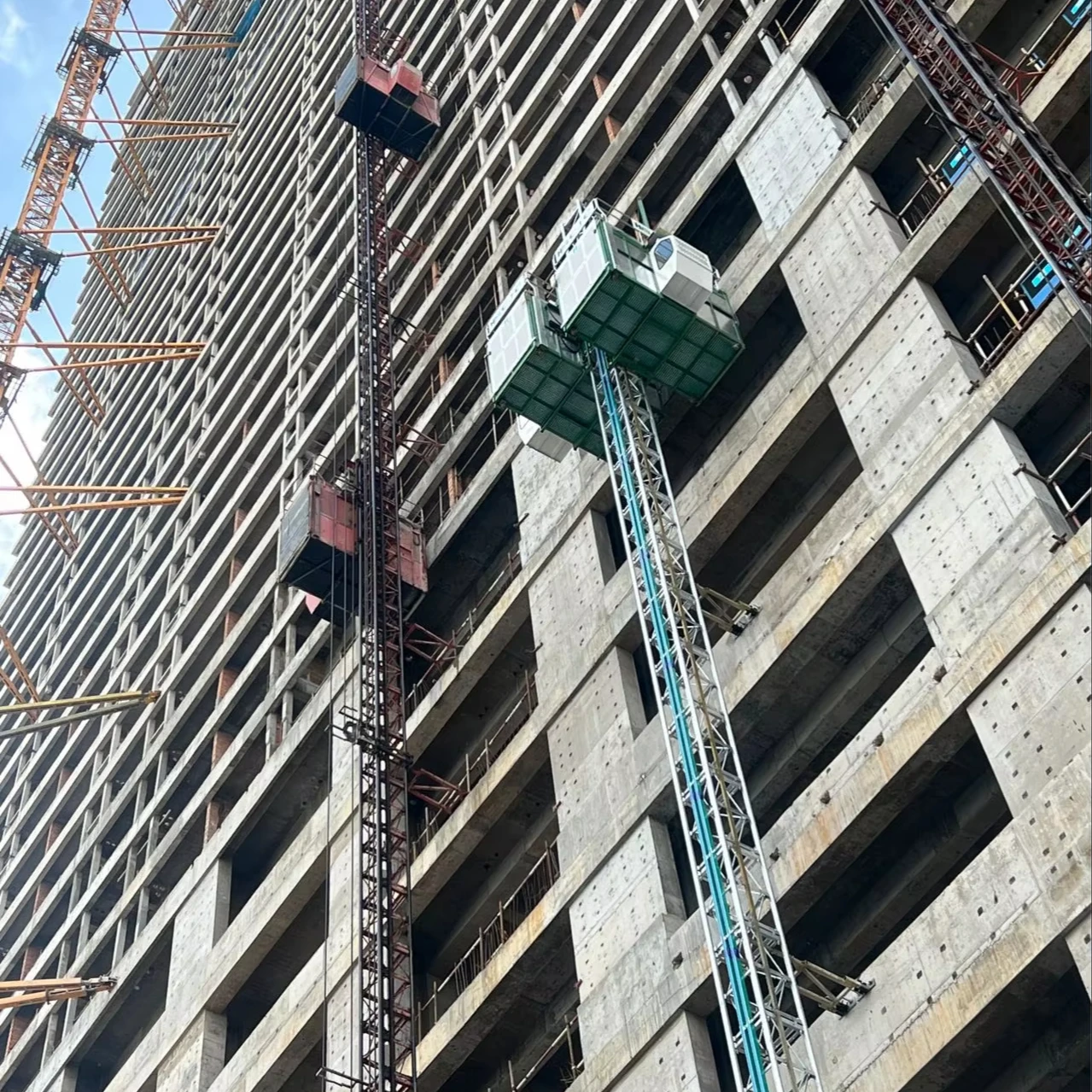
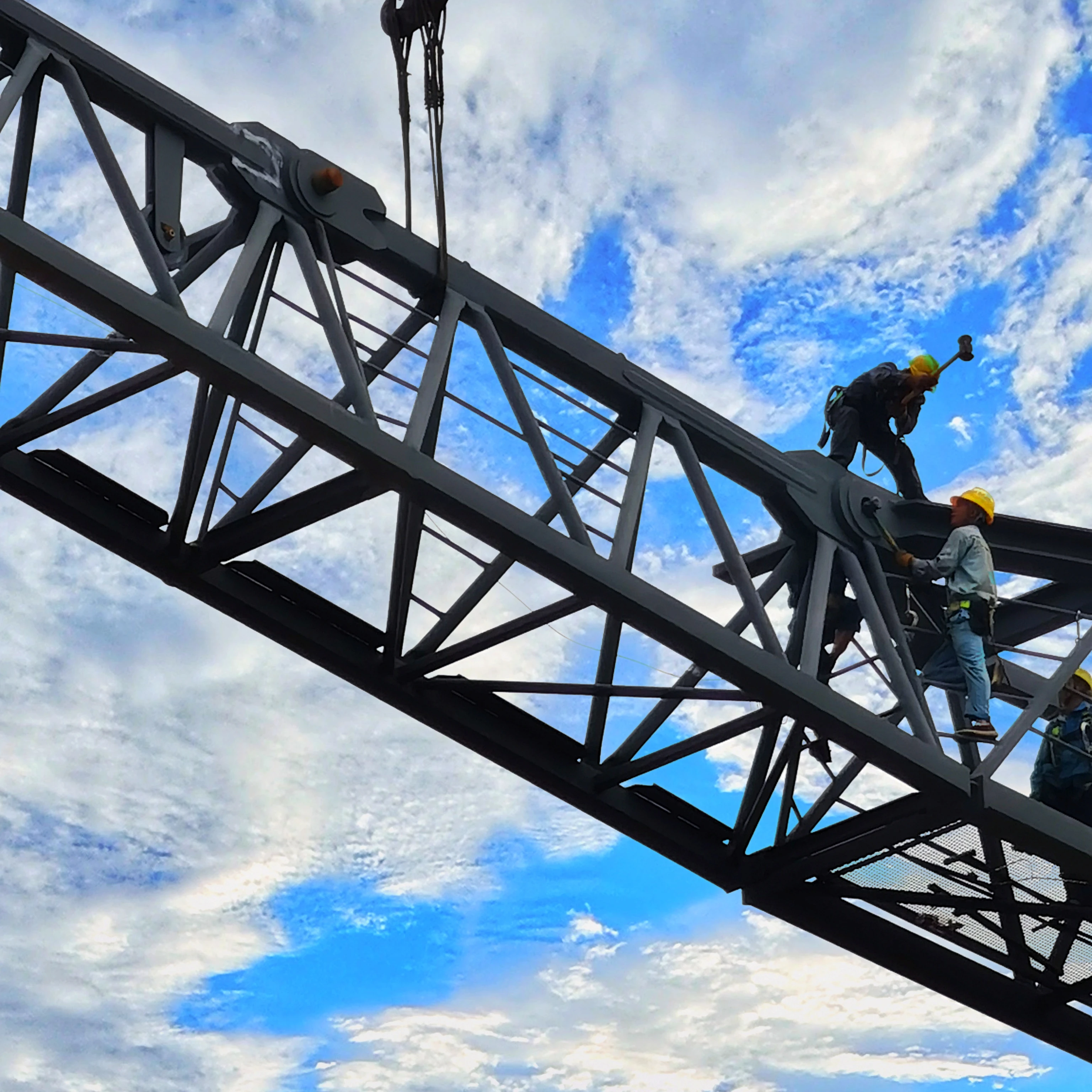
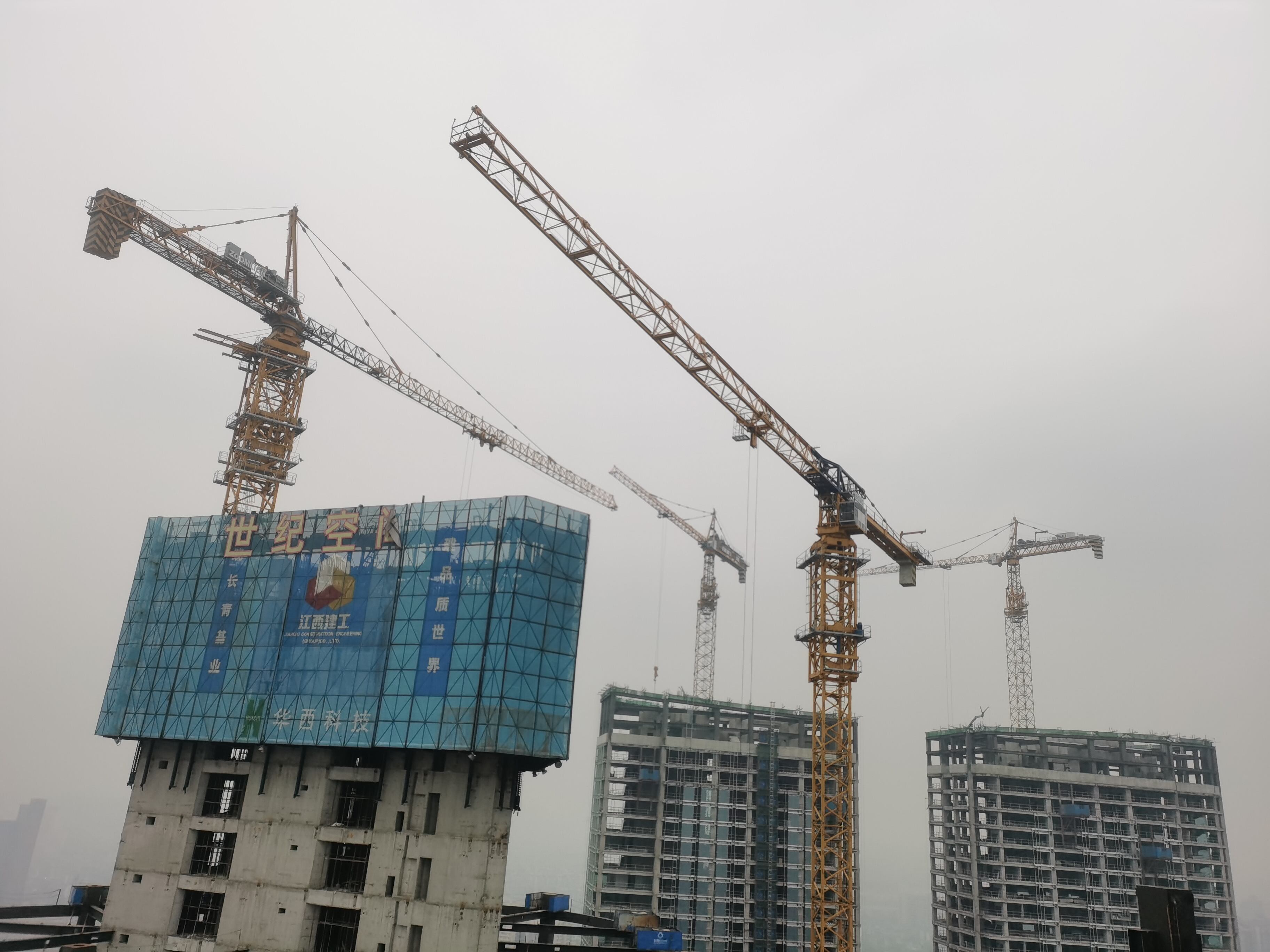
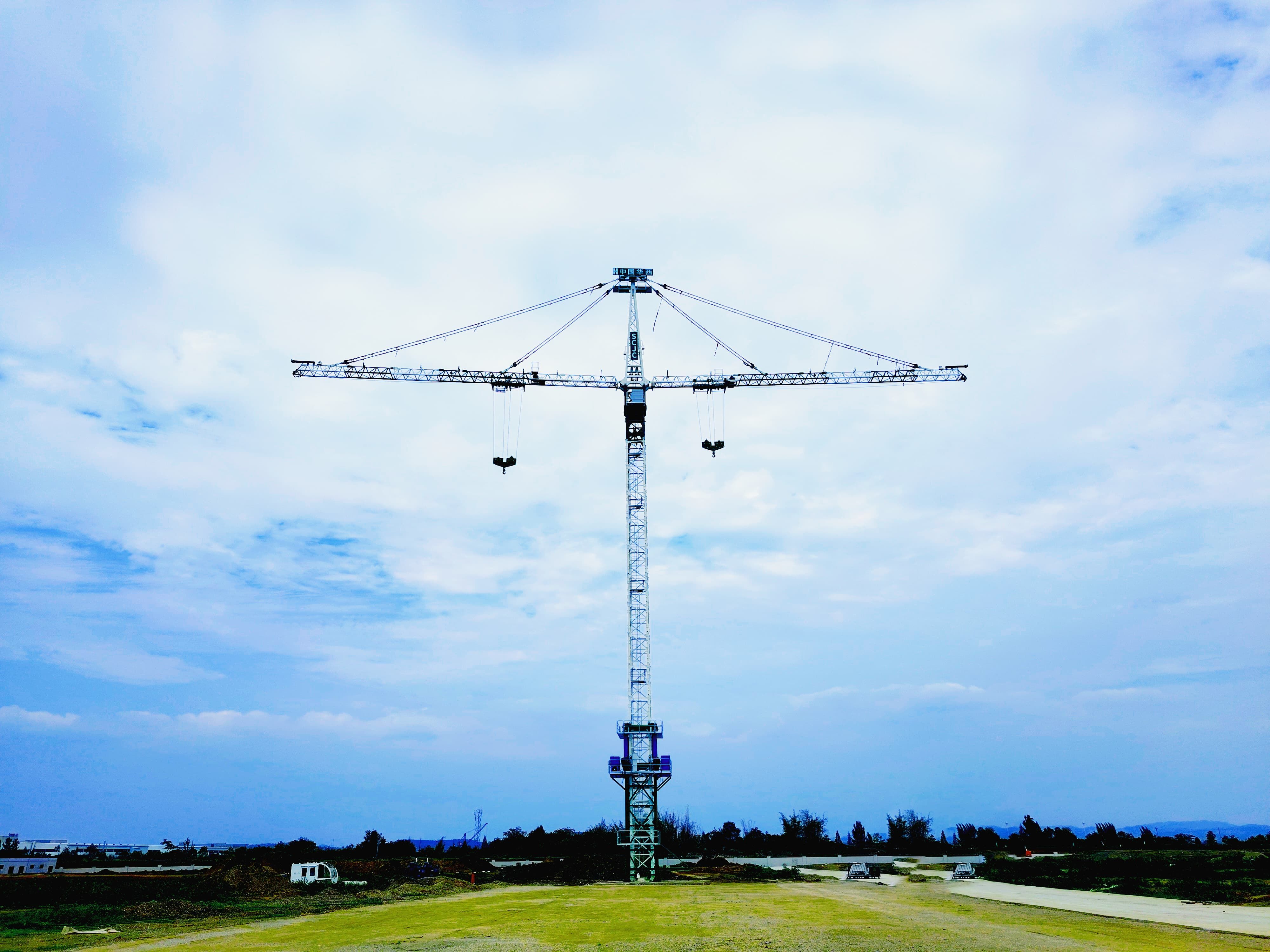
Bridge construction elevators play an irreplaceable key role in ensuring safety, enhancing construction efficiency, and controlling costs for large-scale infrastructure projects. These specialized lifting devices, designed for vertical transportation, are primarily used in high-altitude work scenarios such as bridge piers and tower columns. They efficiently transport personnel, construction materials, and equipment vertically, effectively overcoming the limitations of traditional methods like scaffolding climbing or external crane transportation. They play a central role in the construction of modern bridges and tall structures.
Safety Assurance: The Core Barrier Against Risk
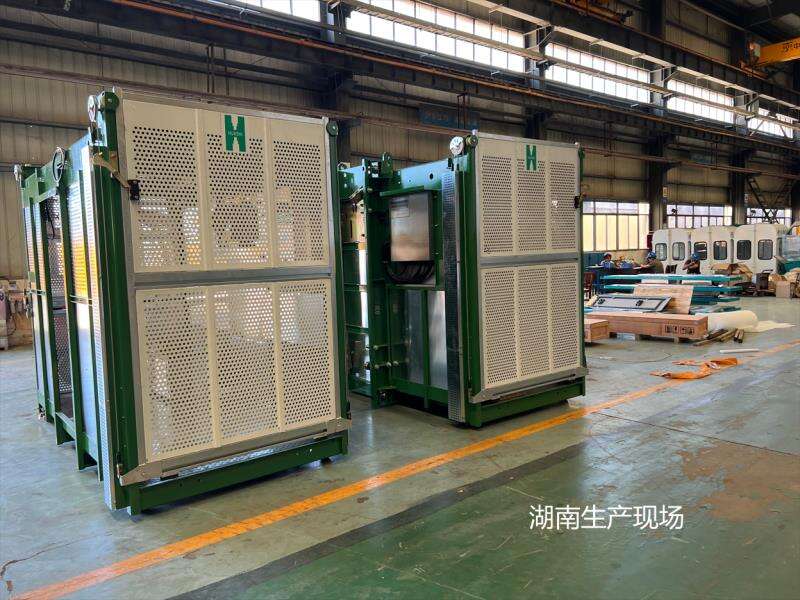
Traditional methods for transporting materials and personnel at heights—such as climbing scaffolding or using temporary hoisting equipment—carry significant safety hazards, including falls and material slippage, which can easily lead to severe accidents. Bridge construction elevators, equipped with enclosed safety cabins and multiple fall protection devices (such as hydraulic brakes, overload limiters, and emergency stop functions), provide operators with a physically isolated, stable transport environment, significantly reducing high-altitude work risks. Furthermore, their structural design prioritizes extreme weather resilience—maintaining stable operation through strong winds, heavy rain, or sub-zero temperatures to ensure construction safety in harsh conditions, fundamentally eliminating environmental-related hazards inherent in traditional methods.
Efficiency Enhancement: A Key Catalyst for Accelerating Project Progress
In bridge construction, time is one of the most critical cost factors. Bridge construction elevators significantly reduce construction delays caused by manual handling or inefficient hoisting through their rapid, stable vertical transport capability. Operators can swiftly reach elevated work surfaces like pier tops via the elevator, eliminating time spent climbing scaffolding and directly boosting on-site efficiency. Additionally, heavy-duty construction elevators can carry loads of 2-3 tons per trip (e.g., the common SC series), enabling bulk transportation of concrete, steel, or machinery. This ensures continuous material supply to elevated work areas, preventing schedule delays caused by shortages. This synchronized, efficient transport of both personnel and materials tightens the overall construction schedule, making it a vital tool for shortening bridge construction cycles.
Cost Optimization: A Reliable Choice for Long-Term Benefits
From an economic perspective, bridge construction elevators offer a more significant overall cost advantage compared to traditional cranes or temporary suspended platforms. Their stable transport process effectively prevents material damage from collisions (such as to precision prestressed components or fragile building materials), reducing rework or material waste caused by improper handling. Their modular design allows flexible disassembly and relocation to different pier locations as construction progresses, eliminating repeated high installation costs. Furthermore, their optimized mechanical structure requires minimal maintenance and boasts a long service life (typically decades), resulting in significantly lower long-term costs compared to frequent rentals or replacements of temporary equipment. These characteristics collectively establish bridge construction elevators as economically sound “long-term investment tools.”
 EN
EN