 EN
EN

What is a tower crane and how does it function on construction sites?
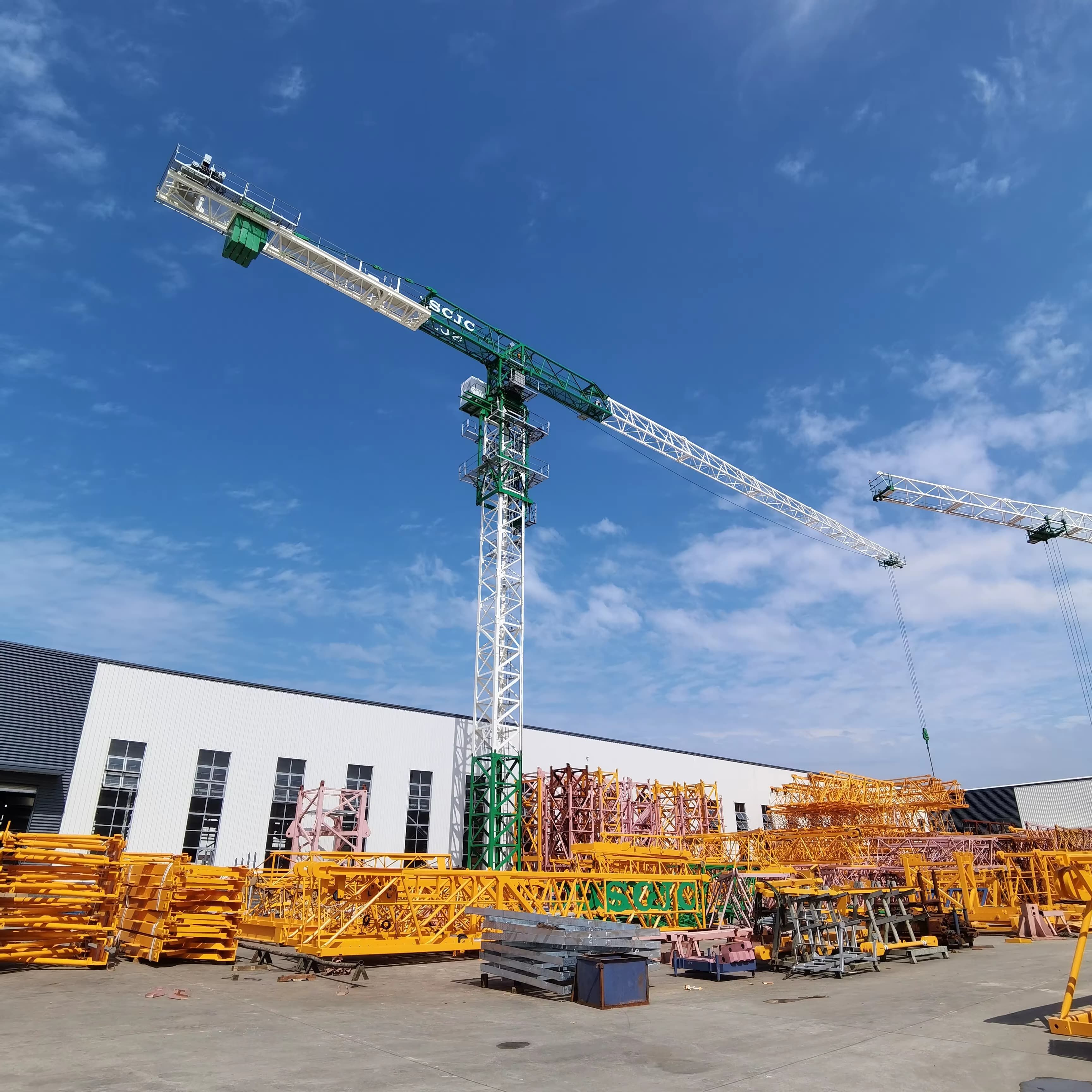
Tower cranes stand tall as fixed height lifting systems made up mainly of three parts: a vertical mast, a long horizontal boom arm, plus those big counterweights that balance things out. These machines are built specifically for moving around heavy stuff like steel beams, concrete panels, and all sorts of pre-made building modules. The way they work involves several moving parts working together. Electric motors power the lifting cables when something needs to go up, and special trolleys slide back and forth along the boom to position loads exactly where needed. According to Construction Tech Review from last year, newer tower cranes can handle weights around 20 tons and stretch way beyond 1,000 feet high, which explains why they're pretty much mandatory on any major city skyline project these days. People who operate these massive machines typically sit inside comfortable control rooms equipped with joysticks and monitors showing live weight data so they know what's happening at all times during complicated lifts.
The critical role of tower cranes in high-rise and urban building projects
In crowded cities where space is at a premium, tower cranes have become essential construction tools thanks to how little ground space they need while still reaching impressive heights. These massive machines can service whole blocks from just one spot, making them incredibly efficient for urban projects. When materials get lifted straight from ground level to upper floors, it cuts down on the need for trucks and other ground transportation. The Urban Construction Journal reported last year that this approach can actually shave around 30% off construction time for tall buildings. Most engineers will tell anyone who asks that tower cranes are the way to go when building anything over ten stories high. They handle wind much better than other options and work great with those special climbing systems that literally grow along with the building as it rises floor by floor.
Core Components of a Tower Crane: Base, Mast, Boom, and Operating Systems
Structural Foundation and Stability: Base and Mast Design
The base holds the crane down on a solid concrete pad, spreading out all those heavy forces over about 400 square feet so it doesn't tip over during operation. Most cranes have masts made from steel lattices that snap together section by section as they go up. These masts are pretty amazing actually they can handle weights exceeding 20 tons and still stand firm even when wind speeds reach around 45 miles per hour. That kind of durability makes them reliable workhorses for skyscraper building projects where stability matters most.
Key Mechanical Elements: Boom, Cables, Counterweights, and Power Systems
Boom arms extend out from the main mast horizontally, allowing operators to reach further using pulleys and cables. The steel cables are galvanized for durability and have what's called a 12 to 1 safety margin, meaning they can handle much more weight than needed. For balance, big concrete blocks act as counterweights, capable of handling weights around 30 tons or so. Most modern cranes use hydraulic systems for smooth movement when rotating or lifting heavy objects. According to recent industry reports, about 7 out of 10 new crane installations now come with energy saving AC motors instead of the older DC versions that were common before.
Operator Cab and Control Systems for Precision Handling
The pressurized operator cabin sits right at the top of the mast, blending comfort with cutting edge tech inside. Crew members control everything through joysticks that give them tactile responses, while watching live updates on big LCD screens. Smart sensors built into the system keep tabs on wind conditions, how much weight is being lifted, and tension levels in cables too. When things get out of whack, the safety systems kick in automatically to stop problems before they happen. According to recent reports from OSHA looking at crane safety stats, this kind of technology has helped cut down on lifting accidents by around 42 percent since 2018 across the industry.
Flat Top Tower Crane: Design Innovations and Advantages in Dense Urban Environments
How flat top tower cranes differ from traditional hammerhead models
The flat top design of modern tower cranes gets rid of those bulky counter-jibs and cat-heads we see on older hammerhead models, which cuts down their overall height by around 15 to 20 percent according to industry reports from 2023. What does this mean practically? Well, construction crews can fit several cranes into the same area without worrying about booms colliding with each other something that becomes really important when working on crowded city construction sites where every inch counts. Traditional crane setups need about 25% extra space for operation, but these newer flat top versions manage complete 360 degree movement even within spaces measuring just 30 square meters or so. Makes sense why contractors are increasingly opting for them in tight urban environments.
Structural integration and load distribution in flat top configurations
Flat tops feature a triangulated connection between mast and boom that spreads out stress better than traditional designs. This structural advantage means they can handle roughly 18 to 22 percent more weight at the same height level. The modular parts fit together with incredible accuracy thanks to laser guidance during assembly, which saves contractors around 40% of their setup time when compared with regular crane setups. For areas prone to earthquakes, these benefits become even more important. Most construction firms in such regions have started specifying flat top models for tall buildings, with about eight out of ten contractors making this choice nowadays for their high rise work.
Benefits of flat top tower cranes in congested urban construction sites
Three primary benefits drive adoption in cities:
- Space optimization: Requires 35% less site area than luffing jib cranes
- Airspace management: Avoids conflicts with helicopter corridors and drone inspection routes
- Collision prevention: Proximity sensors adjust boom trajectories automatically
A 2024 study of 12 Asian megaprojects found flat top cranes reduced material delivery delays by 62% in high-density zones compared to traditional models.
Growing industry adoption of flat top tower cranes in high-density developments
The construction industry has seen flat top cranes become standard equipment on most high-rise projects these days. About three out of four buildings over 40 stories now use this crane type, and we've been seeing around 14% growth each year since the beginning of the decade. What's behind this shift? Well, cities are getting crowded fast. The United Nations predicts nearly seven out of ten people worldwide will be living in urban areas by 2030 according to their latest habitat report. That kind of population density creates real estate challenges that only vertical expansion can solve. Flat top cranes offer advantages for tall structures because they don't require as much overhead clearance as traditional models, making them ideal for tight city spaces where every inch counts during construction phases.
Lifting Mechanics and Operational Systems: Hoist, Trolley, and Slewing Functions
Hoisting and Trolley Systems for Vertical and Horizontal Load Movement
Tower cranes rely on both hoisting equipment and trolley systems to handle materials efficiently during construction projects. An electric hoist does most of the heavy lifting, pulling loads straight up using thick wire ropes wrapped around a spinning drum. These hoists can typically manage weights around 20 tons, which is pretty impressive considering what gets lifted on building sites. Meanwhile, the trolley component slides back and forth along the long horizontal beam (called a jib), allowing workers to position materials exactly where they need them down to almost perfect measurements. When working together, this combination lets operators place items accurately within about a 3 meter area, even when operating from heights exceeding 200 meters above ground level. Construction crews really depend on this precision for complex urban developments where space is limited.
Slewing Unit Dynamics and 360-Degree Rotational Control
The slewing unit sits on top of the mast and allows complete 360 degree movement thanks to gears driven by a 15 kilowatt motor that spins at around 0.8 revolutions per minute. Higher end versions come equipped with special software that fights against swaying caused by city winds which typically blow at about 28 kilometers per hour according to NOAA data from last year. People who operate these systems use joysticks to turn things around, getting instant updates so they can line everything up pretty accurately most of the time, usually within half a degree from where they want it to be positioned.
Load Management, Safety Protocols, and Real-Time Operational Monitoring
Today's cranes come packed with all sorts of safety features these days. Take those load moment limiters for instance they actually stop the crane from working if it goes over 90% capacity. Pretty smart design really. The wireless telemetry stuff sends information about where the hook is, how far out the load is, and even what the wind speed is doing right now. This info gets sent straight to the operator's console and also reaches site managers on their tablets or phones. Some flat top crane designs take things one step further with central monitoring panels that help prevent accidents. Construction sites report around a third fewer collisions in crowded areas thanks to these newer models according to a study published last year in the Construction Safety Journal. And let's not forget about those backup brakes and emergency stop buttons either. These components are pretty much required nowadays to meet those ISO 12485 standards most construction companies have to follow.
Tower Crane Climbing Mechanism and On-Site Height Extension Process
How tower cranes are assembled and raised with the building structure
Most tower cranes begin their setup with what's called a base mast that gets fixed into a strong concrete foundation. The initial installation usually requires help from mobile cranes to get everything positioned properly. When construction moves upward, the tower crane itself grows taller too. This happens during what's known as the climbing phase. Around the main mast sits a special climbing frame. With this frame in place, powerful hydraulic jacks can lift the top parts of the crane including things like the rotating mechanism, operator cabin, and long arm section. All these components move up together as the building continues to rise vertically.
FAQ
What are the main components of a tower crane?
A tower crane mainly consists of a base, mast, boom, and operating systems. Each part contributes to the stabilization and functionality needed for lifting heavy construction materials.
How does the flat top tower crane differ from traditional models?
Flat top tower cranes lack the bulky counter-jibs and cat-heads found on traditional hammerhead models, allowing them to operate efficiently in crowded spaces with reduced height requirements and improved load distribution.
Why are flat top tower cranes preferred in urban environments?
Flat top tower cranes are preferred in urban environments because they optimize space, manage airspace effectively, and prevent collisions with proximity sensors that automatically adjust boom trajectories.
Table of Contents
- What is a tower crane and how does it function on construction sites?
- The critical role of tower cranes in high-rise and urban building projects
- Core Components of a Tower Crane: Base, Mast, Boom, and Operating Systems
- Structural Foundation and Stability: Base and Mast Design
- Key Mechanical Elements: Boom, Cables, Counterweights, and Power Systems
- Operator Cab and Control Systems for Precision Handling
- Flat Top Tower Crane: Design Innovations and Advantages in Dense Urban Environments
- Lifting Mechanics and Operational Systems: Hoist, Trolley, and Slewing Functions
- Tower Crane Climbing Mechanism and On-Site Height Extension Process
- FAQ