 EN
EN

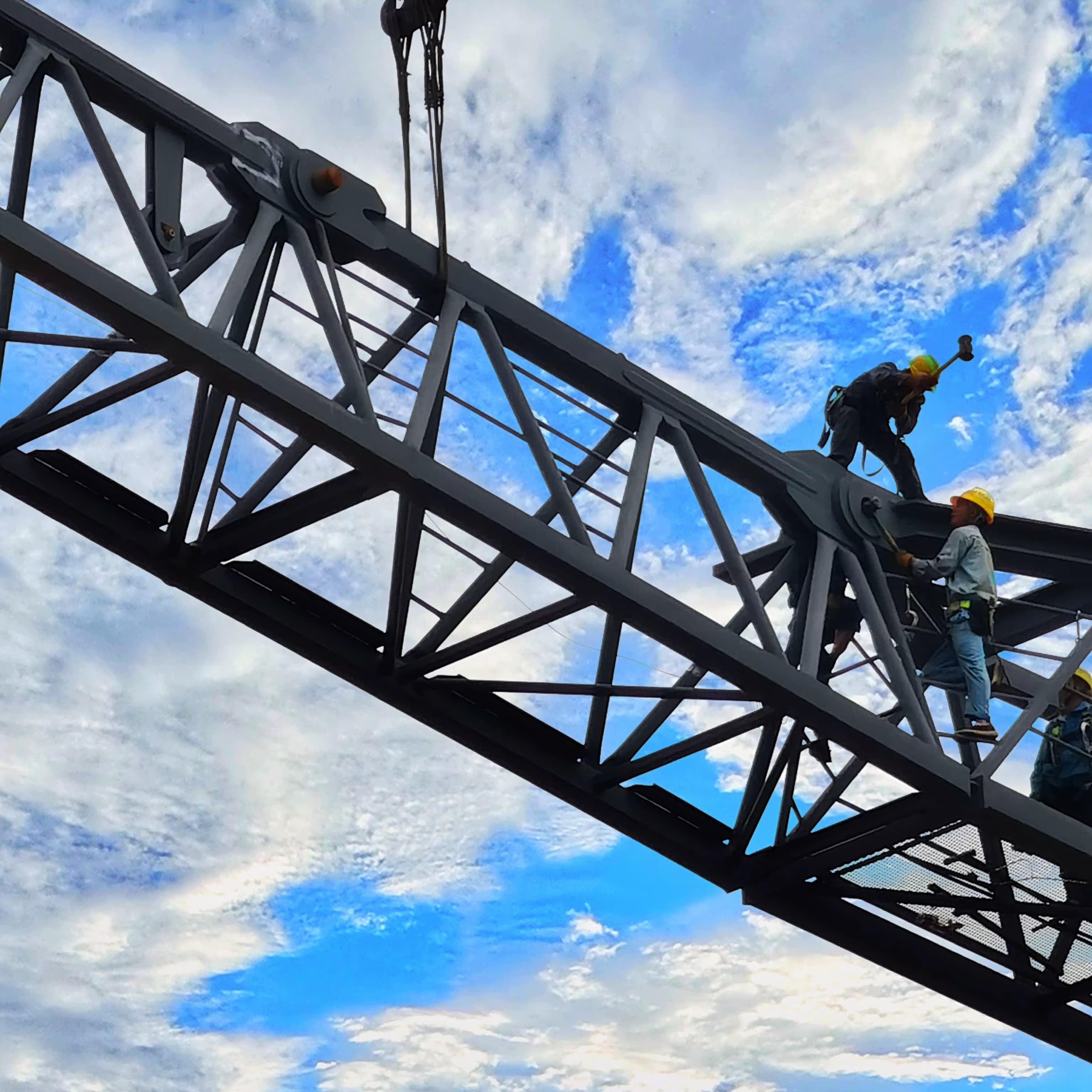
Cost Analysis: Upfront Investment and Long-Term Financial Impact of Flat Top Tower Crane Ownership vs. Rental
Upfront Costs: Capital Investment in Ownership vs. Lower Initial Rental Fees
Purchasing a flat top tower crane requires a capital investment of $500k–$1.2M (Construction Financial Management Association 2023), while daily rental rates typically range from $800–$1,200 for standard configurations. This creates an immediate financial advantage for short-term projects: renting avoids the liquidity strain of ownership while granting instant access to equipment.
Long-Term Financial Implications: Depreciation and Resale Value of Owned Cranes
Cranes that companies own tend to lose about 12 to 18 percent in value each year, so after five years they're worth only around 30 to 40 percent of what was paid originally according to the Crane Market Report from 2024. But there's something interesting happening when owners time their sales right during those periods when demand suddenly jumps up. They can actually get back between 20 and 25 percent of what they initially spent, which renters simply don't have access to. For businesses that run their cranes over 150 days a year on average, buying instead of renting starts making financial sense after about ten years because all those rental fees start adding up faster than the total cost of owning plus maintenance and everything else involved with being an owner.
Project Requirements: How Duration, Frequency, and Scale Influence Flat Top Tower Crane Acquisition
Short-Term vs. Long-Term Project Considerations for Crane Usage
Renting flat top tower cranes typically saves around 35 to 50 percent compared to buying them outright for construction jobs lasting less than a year, based on what the industry saw in 2023. For shorter projects such as building six story apartment complexes or fixing bridges, companies save money by not tying up cash and letting suppliers handle all the logistics instead. The math changes though for big infrastructure projects that go on for over three years. Owning equipment actually becomes cheaper in these cases, cutting overall costs somewhere between 18 and 22 percent throughout the project lifespan because the machines get used so much. This was noted in a recent report from ASCE back in 2024.
Equipment Utilization Analysis Across Multiple Construction Cycles
Ownership becomes financially viable when crane utilization exceeds 70% annual uptime across multiple projects:
| Utilization Rate | Ownership Viability | Rental Preference Scenario |
|---|---|---|
| < 50% | High Financial Risk | Single-site urban high-rises |
| 50–70% | Break-Even Zone | Regional warehouse projects |
| > 70% | Cost Advantage | National infrastructure programs |
Contractors managing 15+ concurrent sites achieve 92% faster ROI on purchased cranes through cross-project deployment (McKinsey 2022).
Project Frequency and Its Influence on Rental vs. Purchase Decisions
Companies that handle around four big vertical construction jobs each year tend to get their money back on owning cranes much quicker compared to those who only do occasional work. But according to some data from the ICCR in 2023, most contractors actually go for renting when their projects are spread out more than nine months between them because storing equipment and moving it around becomes such a headache. Looking at the numbers, it seems the sweet spot comes around when a business completes about twelve projects within five years. At this point, what they save through depreciation plus whatever they can get back selling used equipment starts balancing out all those rental costs they would otherwise keep paying.
Maintenance and Operational Responsibilities in Flat Top Tower Crane Rentals vs. Ownership
Flat top tower crane operators face stark contrasts in maintenance obligations depending on whether they rent or own equipment. Understanding these responsibilities ensures optimal project efficiency and cost management.
Operational and Maintenance Burdens of Owning a Tower Crane
Buying equipment instead of renting typically means budgeting around 30 to 40 percent more each year. The extra costs include things like regular maintenance (around $18k to $35k annually), storage expenses ($7k to $12k per year on average), plus unexpected repair bills when something breaks down. Crane owners have to deal with downtime too, and every day the machine sits idle can eat into project schedules costing roughly $2,400 per day lost. Looking at recent industry data from 2023, most crane operators were caught off guard regarding their actual insurance costs and certificate renewal fees. Nearly two thirds ended up spending about 25% more than they originally anticipated for these ongoing compliance matters.
How Rental Agreements Shift Maintenance and Repair Liabilities to Vendors
Top equipment rental companies take care of regular maintenance work, replace worn parts when needed, and fix breakdowns right away according to what's included in their standard agreements. This means the mechanical headaches get passed on to the vendors, which matters a lot these days since many flat top cranes come with sophisticated load monitoring tech and automatic safety mechanisms. The operators still need to do their walk around checks before each day's work starts though, and they absolutely have to let someone know about any problems fast if they want to stay out of trouble with insurance claims later on.
Controversy Analysis: Hidden Maintenance Costs in 'Low-Cost' Rental Contracts
While advertised rates may appear economical, 41% of contractors report unexpected charges for:
- Ancillary repair labor ($95–$145/hour) not covered under base agreements
- Reimbursement demands for wear exceeding "normal operation" thresholds
- Mandatory post-rental refurbishment fees averaging $3,750
A 2024 EquipmentWatch study found 63% of "all-inclusive" crane rentals contained at least three exclusion clauses related to hydraulic or electrical system repairs. Scrutinizing maintenance addendums remains essential for accurate cost forecasting.
FAQ
What are the upfront costs between owning and renting a flat top tower crane?
The upfront costs for owning a flat top tower crane include a capital investment ranging from $500k to $1.2M, while rental costs are much lower, typically ranging from $800 to $1,200 daily.
How does crane utilization affect ownership vs. rental decision?
Ownership becomes financially viable when crane utilization exceeds 70% annual uptime across multiple projects. Below this utilization rate, rental models provide stronger ROI.
What hidden costs are associated with renting cranes?
Renting cranes can involve hidden costs such as ancillary repair labor, reimbursement demands for excessive wear, and post-rental refurbishment fees, which may not be covered in the base agreements.
Table of Contents
- Cost Analysis: Upfront Investment and Long-Term Financial Impact of Flat Top Tower Crane Ownership vs. Rental
- Project Requirements: How Duration, Frequency, and Scale Influence Flat Top Tower Crane Acquisition
- Maintenance and Operational Responsibilities in Flat Top Tower Crane Rentals vs. Ownership
- FAQ