 EN
EN

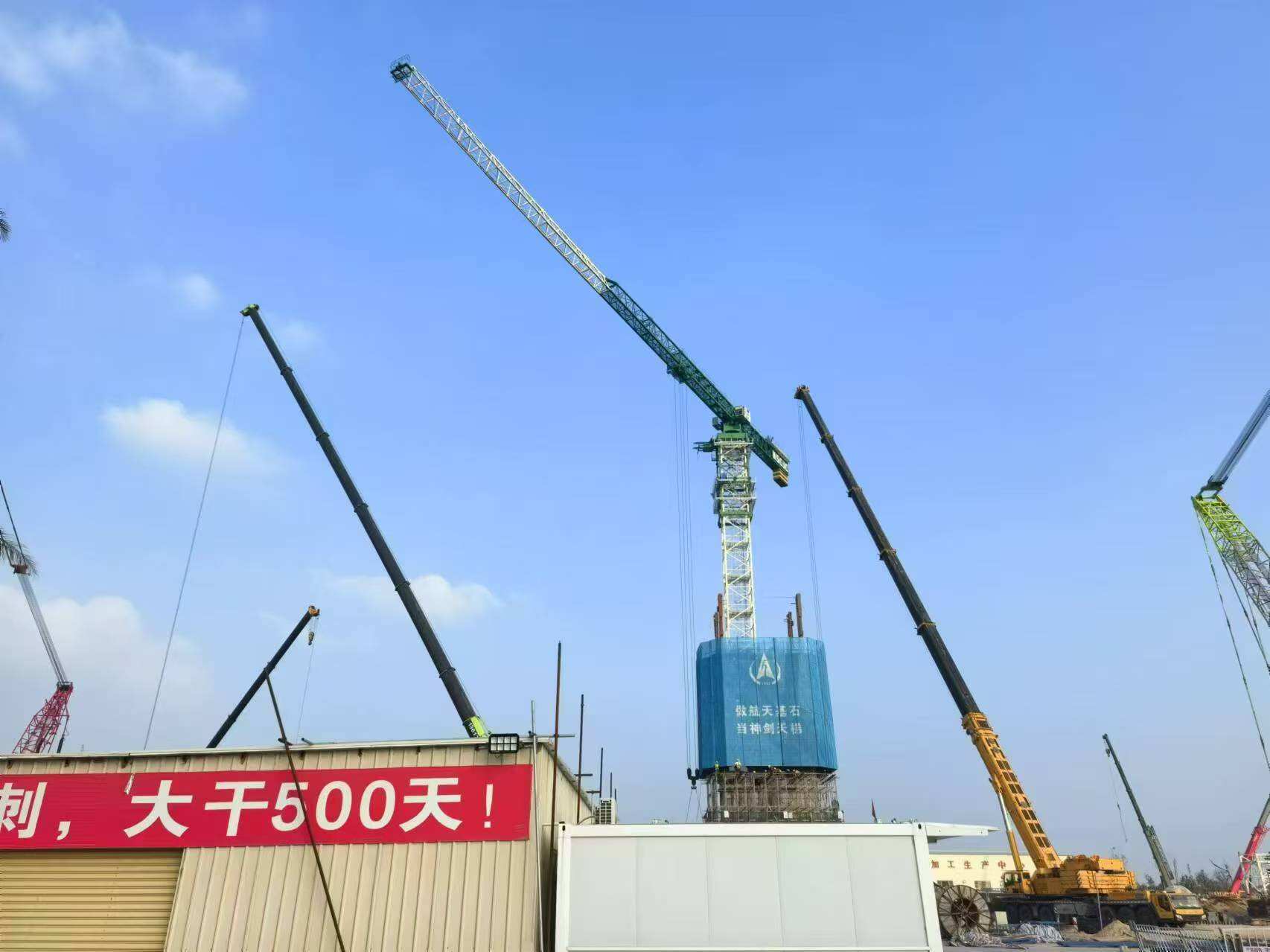
The Strategic Role of Tower Cranes in Large-Scale Construction Efficiency
Understanding the benefits of using tower cranes in construction for large-scale operations
Tower cranes play a major role in getting big construction jobs done faster by lifting heavy stuff like steel and concrete straight up to where it needs to go. These machines cut down on the need for workers to haul materials manually and speed things up when moving stuff vertically between floors. On sites building multiple stories at once, this makes all the difference. The ability to move massive loads means steel beams, concrete slabs, and even whole prefabricated sections can be placed exactly where needed without interrupting work progress. According to recent studies from construction trade groups, projects utilizing tower cranes typically place materials about 40 percent quicker compared to older methods involving smaller equipment. Faster placement translates into less crowding around the site and fewer accidents, which explains why most high rise buildings and major infrastructure projects simply wouldn't get completed on time without these towering workhorses.
Key applications of tower cranes in high-rise building construction and infrastructure projects
Tower cranes have become essential tools in high rise construction work, helping builders put together structural frames, fit out facades, and get all those mechanical, electrical and plumbing systems up to the higher floors. These big machines can reach much higher than most other lifting gear around, which is why we see them everywhere on skyscraper sites. They aren't just limited to buildings either. Bridge construction crews rely heavily on them too, along with dam builders and folks working at power plants who need to move huge parts like steel girders and turbine components. When it comes to city transit projects, these towering giants make sure precast concrete pieces go into place exactly right. The fact that tower cranes can handle so many different kinds of construction jobs shows why they remain so important for tackling complicated engineering challenges and keeping things running smoothly on site despite all sorts of logistical headaches.
Case study: Efficiency gains in a 50-story commercial build using integrated tower crane logistics
The recent construction of a 50 story office building showed real gains in efficiency when they used better organized tower crane operations. The team put two cranes on site but made sure their schedules worked together perfectly. They placed each one so it could reach different parts of the building without getting in each other's way, which cut down wasted time and those frustrating delays we all know happen on construction sites. With GPS tracking systems running in real time plus good communication between everyone involved, materials got where they needed to go much faster than originally planned. Material handling dropped by around 32 percent according to what they measured during the project. And guess what? The whole thing finished 15% quicker than expected timelines. So this example shows just how much difference proper planning for crane placement and using modern technology can make when building tall structures these days.
Flat Top Tower Crane Advantages in Urban and Space-Constrained Sites
Core components of flat top tower crane systems that support uninterrupted workflow
What makes flat top tower cranes so effective in tight spaces? Their simple design is basically the answer. Traditional cranes come with these big counter-jibs and A-frame structures, but flat tops get rid of all that upper stuff completely. The result? A much smaller footprint both physically and in terms of wind resistance, which matters a lot when operating close to buildings or other cranes on site. Let's look at what goes into making this work: there's the sturdy mast section built to handle heavy loads without bending, connections that can be adjusted mid-air without taking everything apart, and lifting gear specifically made for precise vertical movements in cramped conditions. All these design choices mean faster setup times and fewer spots where things might bump into each other. Contractors love this because materials keep moving smoothly even when space gets really limited on construction sites.
Comparative analysis: Flat top vs. luffing tower cranes in dense urban environments
The decision to go with either flat top or luffing jib tower cranes really comes down to what's happening on site. Luffing cranes have these hinged arms that swing up, which makes them great for cramped spaces where there are lots of things stuck around. Think about construction next to existing buildings or under power lines. But there's a tradeoff here. These cranes tend to take longer to complete their cycles and can't lift as much weight when fully extended compared to other types. Flat top models work differently. They've got straight horizontal arms without all that extra machinery above them. This setup means they generally perform better when lifting heavy loads repeatedly over similar distances. Contractors who need to move big materials regularly find these particularly useful. Plus, since they don't have that bulky overhead part, workers can position several cranes closer together without worrying about collisions so much. Makes life easier on busy city construction sites where space is at a premium.
Flat top tower crane advantages in tight urban construction sites
Flat top tower cranes have some real benefits when working in tight urban spaces. The smaller head design lets them go places regular cranes just can't squeeze into, which means construction teams get more room to work with on their sites. Putting these cranes together and taking them apart takes noticeably less time compared to hammerhead models, cutting down both what crews pay for labor and how long projects sit idle waiting for crane work. Operators also see better around the job site because of the simpler design, so there are fewer blind spots. This makes accidents less likely when moving near buildings or other machinery. When we look at all this along with easier setup and better adaptability during operations, flat top cranes become valuable tools for keeping construction schedules on track and getting more done in crowded city environments where every square foot counts.
Flat Top Tower Crane: Optimizing Material Handling and Crane Operations to Boost Productivity
The Impact of Crane Routing and Material Handling on Efficiency in Construction Projects Using Tower Cranes
How cranes move around a construction site and how materials get handled makes all the difference when it comes to getting projects done on time. If someone doesn't plan out where things need to go, workers end up waiting longer than necessary for supplies, which slows everything down. Studies from the construction industry show sites with bad material flow lose about 20% of their potential productivity just because stuff isn't arriving where it needs to be. Tower cranes work best when paired with solid handling procedures. These setups make moving materials up and across the site much smoother, cutting back on the amount of manual lifting required and keeping traffic jams at bay. The benefits go beyond just saving time too. Fewer cranes bumping into each other means safer conditions overall, plus there's less clutter scattered throughout the worksite that could trip someone up or block access to important areas.
Tower Crane Scheduling Optimization Using Real-Time Data and GPS Tracking
Today's construction sites are using live data feeds and GPS tech to get better control over when tower cranes operate, moving away from last minute fixes toward planned coordination. Project managers can now sync up crane work with when materials arrive on site and where workers are stationed throughout the day. Systems automatically adjust schedules if rain delays things or something goes off track unexpectedly. With constant monitoring, cranes only lift loads when absolutely necessary, cutting down those frustrating waiting periods between jobs. Industry stats show that this kind of GPS scheduling cuts down on wasted time by around 30%, which means cranes actually do their job more often. Contractors who have implemented these systems report finishing projects quicker while spending less money overall, making them very happy customers indeed.
Mathematical Modeling for Crane Operations to Minimize Idle Time and Bottlenecks
Mathematical models are changing how tower cranes work on construction sites, helping eliminate waste and boost efficiency in ways traditional methods just cant match. The best models look at all sorts of factors including when loads need moving, how materials flow between different parts of the site, and even weather conditions that might affect lifting operations. Construction managers run simulations ahead of time so they spot problems early on something gets stuck waiting for a lift. Real world data shows construction projects that use these advanced calculations often get their cranes working harder for longer periods than those relying on old fashioned schedules. Contractors who implement this kind of analysis find their entire operation runs smoother because everything from deliveries to worker movements falls into place better with the cranes actual capabilities.
Real-World Flat Top Tower Crane Case Studies: Measuring Efficiency Gains and Lessons Learned
Project turnaround reduction by 32% using synchronized tower crane deployment â€" A Shanghai high-rise case
A massive 50 story commercial building going up in Shanghai managed to cut down construction time by almost a third thanks to some clever coordination between tower cranes. Instead of having each crane work independently, they set up multiple units working together through a central control system that communicated constantly. This allowed materials to get where they needed to go much faster without all the usual delays everyone hates. What really made a difference was avoiding those frustrating stop-and-go situations that happen when only one crane is doing the job. Contractors noticed workers kept moving at steady pace throughout different parts of the project. Looking at what happened there shows just how much better things can run when equipment works as a team rather than fighting for space on crowded city sites.
Sichuan Huaxi Trading Co LTD's role in supplying efficient crane solutions for national infrastructure projects
Sichuan Huaxi Trading Co LTD stands out in boosting construction efficiency for many of China's major infrastructure projects. What sets them apart isn't just selling cranes but offering full package support including tech assistance, hands-on training for operators, plus regular maintenance checks that keep machines running smoothly from start to finish. The company specializes in flat top tower cranes designed specifically for tough jobs like bridge building and railway construction work where traditional models often fall short. Construction crews report saving weeks on schedule thanks to these customized solutions. Looking at the bigger picture, this integrated approach shows how equipment providers aren't just vendors anymore but actual partners in getting big projects done right and on time.
Lessons from failed scheduling: Misaligned crane placement leading to 20% productivity loss
An ongoing downtown redevelopment hit serious roadblocks when cranes were placed all wrong, causing around 20% drop in productivity across the site. The original setup didn't consider where materials would come in or which parts of the building needed access, so workers literally couldn't reach half the job sites. They ended up dragging stuff by hand most days, which messed up the whole workflow schedule and created plenty of safety hazards too. Eventually they had to move those big machines around again, but fixing things took weeks longer than expected and added thousands to the budget. What this teaches everyone involved is that proper planning really matters. Before setting up any heavy equipment, contractors should spend time walking the site, talking to foremen, and mapping out not just what needs done today, but also how tomorrow's work will fit into the bigger picture without creating these kinds of expensive headaches down the line.
Future Trends: Smart Technology and Automation in Tower Crane Efficiency
Integration of IoT and AI in tower crane functionality and components for predictive scheduling
The combination of IoT and AI is changing how tower cranes work on construction sites these days. Tiny sensors now sit inside all sorts of components including hoists, rotating parts, and even those heavy load hooks. They keep an eye on things like vibrations, heat buildup, and structural stress as the machines do their job day after day. What happens next? All this information gets processed through clever AI systems that can spot when something might go wrong before it actually breaks down. That means maintenance crews don't have to wait for problems to appear first. One big construction company over in Europe saw their unexpected downtime drop by almost half once they started using this kind of tech back in 2024. Beyond just fixing issues early, these smart systems help manage crane movements too. They factor in what's happening around the worksite right now, where materials are located, and even check weather reports so flat top tower cranes run smoothly most of the time without needing constant human intervention.
Emerging trends in automation and remote operation enhancing safety and efficiency
Tower cranes are getting smarter thanks to automation technology that's making jobsite safer while dealing with the ongoing shortage of skilled labor. Operators can now work from remote control centers instead of being stuck up high where accidents happen all too often. Collision avoidance systems have become pretty standard these days, using things like laser scanning and satellite positioning to create virtual boundaries around buildings and machinery. Nobody wants to see a steel beam crash into something valuable after all. The real game changer though? Artificial intelligence helping position heavy loads exactly where they need to go every single time. Contractors report cutting down on wasted movement by roughly a quarter when these systems are properly implemented. What does this mean for construction sites? Fewer people needed to handle increasingly complicated lifting operations, which speeds things up considerably without compromising worker safety. Of course there are still challenges with adoption rates across different regions, but the trend toward automated solutions seems unstoppable at this point.
FAQ
What are the key benefits of using tower cranes in large-scale construction?
Tower cranes significantly accelerate construction projects by efficiently lifting heavy materials, reducing manual labor, and ensuring safer work environments.
Why are flat top tower cranes preferred in urban construction sites?
Flat top tower cranes are favored in urban settings due to their smaller footprint, easier setup, and adaptability in space-constrained areas.
How does technology enhance tower crane efficiency?
Technology, including GPS tracking and IoT sensors, improves crane scheduling and operation efficiency by enabling real-time adjustments and predictive maintenance.
Table of Contents
- The Strategic Role of Tower Cranes in Large-Scale Construction Efficiency
- Flat Top Tower Crane Advantages in Urban and Space-Constrained Sites
- Flat Top Tower Crane: Optimizing Material Handling and Crane Operations to Boost Productivity
-
Real-World Flat Top Tower Crane Case Studies: Measuring Efficiency Gains and Lessons Learned
- Project turnaround reduction by 32% using synchronized tower crane deployment â€" A Shanghai high-rise case
- Sichuan Huaxi Trading Co LTD's role in supplying efficient crane solutions for national infrastructure projects
- Lessons from failed scheduling: Misaligned crane placement leading to 20% productivity loss
- Future Trends: Smart Technology and Automation in Tower Crane Efficiency
- FAQ