 EN
EN

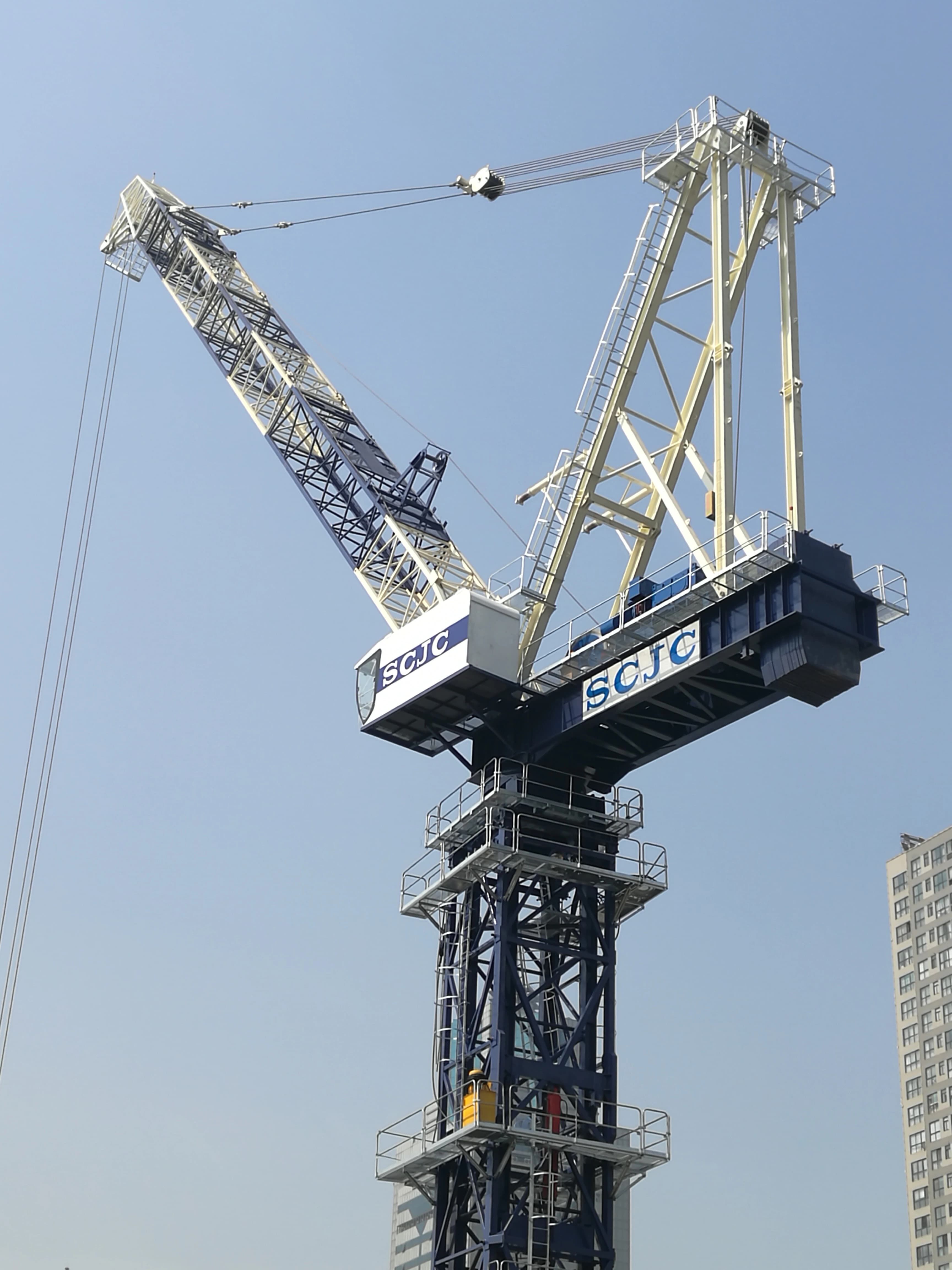
Understanding Bridge Construction Challenges with Flat Top Tower Crane Requirements
The critical role of tower cranes in bridge construction
Tower cranes form the core of most modern bridge building projects, allowing workers to place massive parts where they need to go over difficult distances. These big machines tackle important jobs including putting up steel girders, installing concrete decks, and assembling segments with incredible precision down to the millimeter level. Bridge cranes differ from regular ones because they need to handle changing weights and deal with things like strong winds and possible earthquakes that can shake things up during construction. Choosing the right crane isn't just about getting something lifted it affects how fast a project moves forward, whether everyone stays safe on site, and if the finished structure will hold together properly. This makes picking out the correct equipment one of those decisions that engineers just cant afford to get wrong when planning bridges.
How project scope, terrain, and environmental conditions impact crane selection
Bridge construction spans such a range of conditions that no two crane setups are exactly alike. When building over mountains, contractors need cranes that can stretch high above rugged landscapes and stand up against fierce gusts. For bridges crossing city rivers, the focus shifts to cranes that extend far across narrow spaces without taking up too much room on crowded construction sites. Weather extremes, constant wind buffeting, and even earthquake risks all play their part in determining what kind of machinery gets deployed. The latest numbers from infrastructure reports show that complicated jobs take about 30 percent more time just to plan out the right equipment combinations because of all these unpredictable elements. Real world experience tells engineers they have to find that sweet spot between how much weight the crane can handle versus how flexible it needs to be for different situations, especially when local regulations come into play.
Spatial constraints on elevated and water-adjacent construction sites
When working on elevated structures or near bodies of water, space becomes a major problem for cranes. The available area for crane footprints and foundations gets severely limited in these situations. Contractors often find themselves needing special mounting solutions or even floating setups to get the job done. Access roads might be too narrow or non-existent altogether, so many projects end up using modular cranes that can be put together right at the worksite. All these restrictions play a big role in deciding between regular tower cranes and more specialized models like flat top towers. Flat tops work particularly well in tight spots because they take up less room overall and have smaller tail swings. This means fewer times when the crane has to be moved around during construction, which keeps everything moving according to schedule rather than constantly getting delayed.
Evaluating Flat Top Tower Crane Load Capacity, Height and Reach Specifications
Matching lifting capacity to load weight and boom length requirements
Choosing the correct tower crane starts by matching what it can lift against the heaviest loads and the longest reach needed for the job site. Important factors to think about are things like the weight of those big precast concrete pieces, heavy steel beams, and entire formwork setups that sometimes go over 100 tons. Without question, having a good load moment indicator system on board makes all the difference when it comes to avoiding dangerous overloads. Crane operators really need to check out the load charts provided by manufacturers because these charts actually show how much lifting power drops off as the boom gets longer. This helps keep everyone working safely while following local regulations during actual construction projects where unexpected challenges often pop up.
Achieving required lifting height for long-span and high-elevation bridges
When building long span bridges that rise above ground level, construction teams frequently face the challenge of lifting materials over 200 meters into the air. The cranes used for such projects need to do more than just reach those dizzying heights they also have to stay steady despite changing wind conditions and variations in air pressure at different altitudes. Two main factors come into play here free standing height of the crane and proper hook clearance. Getting these measurements wrong can cause serious problems down the line, from costly project delays to potential safety hazards. That's why many contractors opt for cranes equipped with extended hook reach and flexible jib setups. These features make all the difference when placing heavy components precisely on complex bridge structures where even small errors could spell disaster.
Using crane load charts to align specifications with real-time operational demands
Load charts for cranes connect what works in theory with what happens at actual job sites by showing how lifting capacity varies based on factors like boom angles, working radius, and setup configurations. When combined with live information from sensors measuring things like wind conditions, ambient temperatures, and soil firmness, operators can make better choices while onsite. Research indicates crews who understand these charts dynamically tend to work about 30% faster overall. Using this kind of data ahead of time means getting more done with fewer cranes sitting idle, cutting down accidents, and keeping lifts going smoothly even when projects change direction unexpectedly during construction phases.
Advantages of Flat Top Tower Cranes in Complex Bridge Environments
Why flat top tower crane designs improve flexibility on congested or restricted sites
Flat top tower cranes are really well suited for tight bridge construction sites because of their smaller footprint and lower height requirements compared to standard models. Without that big tower head sticking up, these cranes take up less space overall, which means contractors can position them much closer to buildings already there or squeeze into those super narrow work areas between structures. The way they're built actually keeps materials moving smoothly even when there's not much room to store things temporarily or when working right next to busy roads. Plus, since most parts come pre-assembled in modules, crews can quickly adjust crane configurations as needed during different stages of bridge building projects where conditions constantly change from day to day.
Comparing horizontal boom and luffing jib configurations for bridge applications
The way booms are set up makes all the difference when it comes to getting things lifted precisely during bridge building work. Horizontal boom setups maintain pretty much the same lifting power throughout the entire jib length, which is why they're often used for placing those repetitive deck segments again and again. When space gets really tight or there's lots of obstacles around, luffing jibs tend to perform better though. These kinds of booms can change angles so workers can move heavy stuff up and down through narrow spots without bumping into anything else on site. Some field reports show that matching the right boom type to the job can cut down cycle times anywhere from 15 to 20 percent in complicated situations where multiple cranes are working at once.
Reducing interference between multiple cranes using flat top configurations
Flat top tower cranes have this low profile design that cuts down on collisions when several cranes need to work nearby each other. Regular cranes need big safety gaps because of those long counter jib arms sticking out, while flat tops can fit closer together safely. Construction sites working on bridges that span multiple sections find this feature particularly useful. Some contractors say they've managed around 30 percent more cranes per area than with traditional equipment, which really helps move materials faster on big construction jobs. The tighter spacing means less wasted space and better workflow management for complex projects.
Case study: Flat top cranes in mountainous Sichuan bridge projects
Flat top tower cranes are showing real benefits in the rugged landscapes of Sichuan Province. Looking at three big bridge construction sites there, workers found that getting the upper structures done took about 22 percent less time when using these special cranes compared to regular ones. The smaller footprint makes all the difference in those tight mountain valleys where space is scarce and getting equipment in is tough. Crane operators actually reported fewer problems with rocks and other structures nearby, which means they can keep working without stopping even when bad weather hits these high altitude areas so commonly.
Selecting Flat Top Tower Crane Installation Methods Based on Site Conditions
The choice of crane installation method profoundly affects efficiency and safety in bridge construction. Two primary approaches dominate: stationary installations and internal climbing systems.
Stationary vs. internal climbing tower crane installation methods
Tower cranes that stay put are installed on solid foundations and work well when the ground is stable and what needs lifting doesn't change much during construction. On the flip side, internal climbing cranes actually move upward as buildings grow taller, which makes sense for things like bridge towers or multi-story structures where height matters most. According to some industry reports, these climbing systems can cut down construction time around 30 percent for really tall projects because there's no need to take the crane apart and put it back together again multiple times throughout the job. Contractors love this efficiency boost especially when working against tight deadlines.
Adapting crane reach and capacity to remote or difficult-to-access terrains
Getting equipment installed in remote or rough terrain is no small task. The folks working these sites need strategies that get things done while still keeping performance intact. When dealing with mountains or waterways specifically, engineers spend time looking at how stable the ground actually is, figuring out what roads or paths exist for transport, and checking how exposed the site will be to weather conditions. From there they decide if standard concrete bases work best, or maybe go with reinforced matting systems, or even opt for barges when near water. For those really far flung projects where nothing standard applies, custom crane configurations become necessary. These setups have to handle heavy lifting but also fit within whatever transportation limitations exist locally. Makes sense why operators want reliability even though putting all this together can be quite complicated sometimes.
Integrating Floating Cranes for Water-Based Bridge Construction
When building bridges across rivers, lakes, or along coastlines where regular construction gear just won't work, floating cranes become absolutely necessary. These massive machines sit on barges or boats and offer the best way to put together bridge parts when working in deep water or shaky underwater conditions. According to recent industry reports from Marine Construction Journal in 2023, switching from temporary wooden supports to floating cranes saves about 40% of the time needed for installation on major water crossings. This makes sense because traditional methods simply aren't practical in many aquatic settings.
When to use floating cranes for river or sea-crossing bridge segments
When building mid-channel piers in waters over 15 meters deep, floating cranes become absolutely necessary since traditional cofferdams just won't work there. These massive machines also play a vital role in positioning prefabricated bridge parts in estuaries where tides constantly change. According to recent data from the Global Bridge Engineering Report published last year, around three out of four large marine bridge construction projects use floating cranes these days for erecting main spans, especially when the components need to go far out into the water where land-based equipment can't reach them. This trend shows how essential these specialized cranes have become in modern maritime infrastructure development.
Balancing mobility and lifting capacity in aquatic environments
Floating cranes face a major problem when it comes to staying stable yet powerful enough to lift heavy loads in water that's constantly moving around them. These days most modern models come equipped with dynamic positioning tech along with active ballast control systems so they can hold their ground even when currents reach speeds of about three knots. Tug boats help move things around the job site but there are plenty of other factors at play too. Engineers need to think through all sorts of variables including waves crashing against the hull, strong winds blowing from different directions, plus how the crane itself moves during operations. Safety is always top priority so usually contractors will pick a crane that has somewhere between twenty to thirty percent extra lifting capability compared to what calculations suggest is needed. This buffer helps deal with those unexpected weather changes or sudden shifts in water movement that nobody could have predicted beforehand.
FAQ
What are tower cranes used for during bridge construction?
Tower cranes are essential for precise placement of heavy components like steel girders and concrete decks in bridge construction projects.
Why are flat top tower cranes preferred on congested sites?
Flat top tower cranes have a smaller footprint, making them ideal for tight or restricted construction sites due to their lower height requirements.
How do floating cranes benefit water-based bridge construction?
Floating cranes are crucial for aquatic environments, enabling construction in deep water and other places where traditional supports are impractical.
What is the advantage of using internal climbing tower cranes?
Internal climbing tower cranes are efficient for projects requiring increased height as they adaptively climb as buildings or structures grow.
How does crane load capacity affect bridge construction?
Selecting a crane with the right load capacity ensures safety and efficiency, preventing dangerous overloads during construction.
Table of Contents
- Evaluating Flat Top Tower Crane Load Capacity, Height and Reach Specifications
-
Advantages of Flat Top Tower Cranes in Complex Bridge Environments
- Why flat top tower crane designs improve flexibility on congested or restricted sites
- Comparing horizontal boom and luffing jib configurations for bridge applications
- Reducing interference between multiple cranes using flat top configurations
- Case study: Flat top cranes in mountainous Sichuan bridge projects
- Selecting Flat Top Tower Crane Installation Methods Based on Site Conditions
- Integrating Floating Cranes for Water-Based Bridge Construction
-
FAQ
- What are tower cranes used for during bridge construction?
- Why are flat top tower cranes preferred on congested sites?
- How do floating cranes benefit water-based bridge construction?
- What is the advantage of using internal climbing tower cranes?
- How does crane load capacity affect bridge construction?