 EN
EN

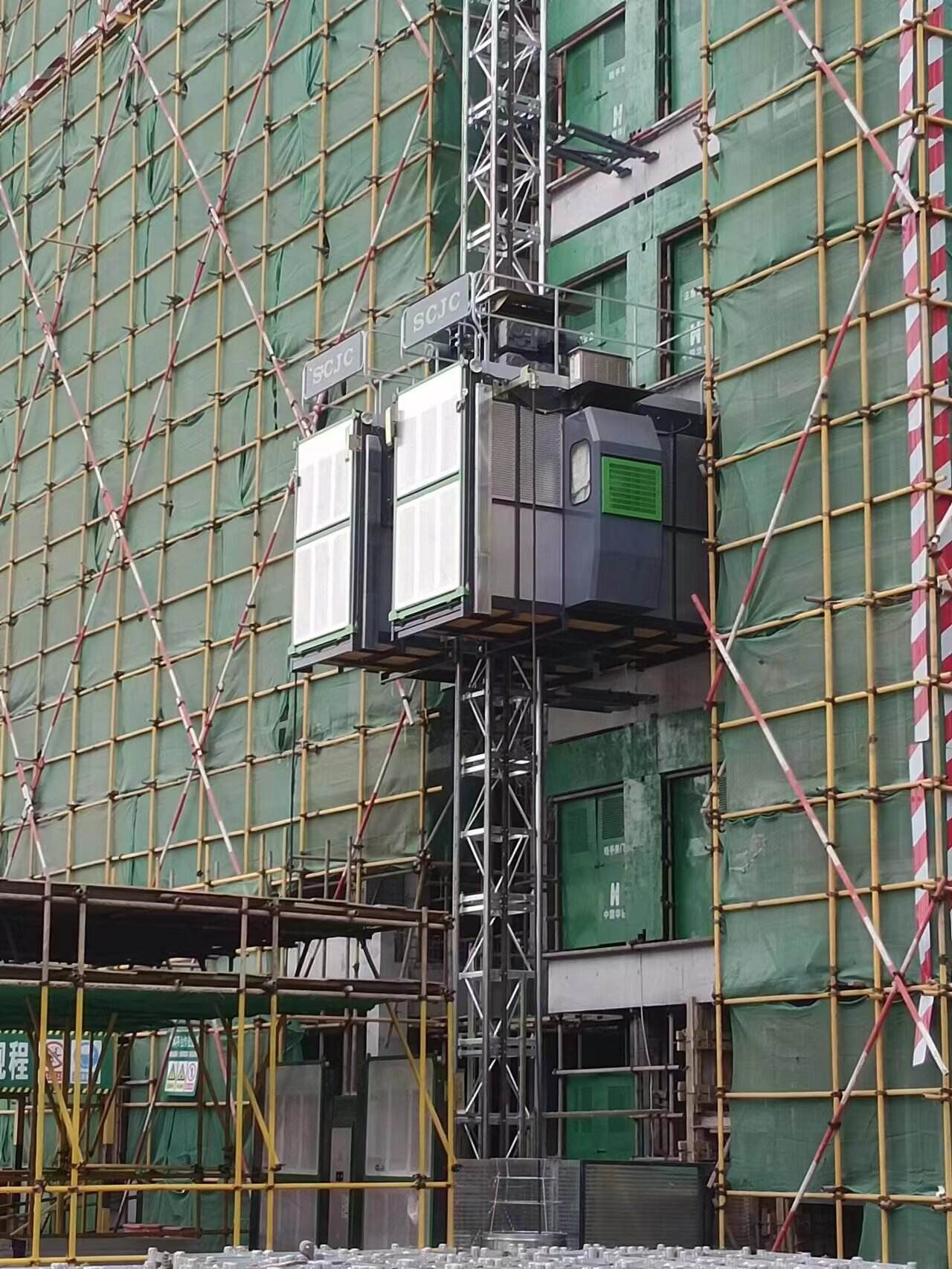
The Role of Construction Hoists in Vertical Transportation Efficiency
Understanding vertical transportation challenges in high-rise construction
Tall buildings present major headaches when it comes to moving stuff around vertically as they get higher off the ground. Getting materials and workers up and down gets harder fast because of the sheer height, cramped spaces for machinery, and keeping operations running smoothly without interruptions. When companies don't sort out good vertical transport systems, things start falling behind schedule. Workers end up carrying loads manually which eats into budgets, and crowded sites create serious safety risks too. The problem really hits home in city centers where every inch counts and deadlines are razor thin, making efficient material movement not just nice to have but absolutely essential for staying competitive.
How construction hoist systems improve material and workforce movement
Hoist systems in construction sites make a big difference when it comes to moving both materials and workers around. Instead of having people drag heavy stuff up dozens of stairs all day long, these machines handle the vertical transport job. Industry data suggests that this can cut down on transport time by somewhere around 70%, which makes sense when thinking about how much concrete, steel beams, and other building materials get moved daily. When materials arrive right where they're needed on different floor levels, workers don't have to waste energy carrying things back and forth. This means construction crews can spend more time actually doing their specialized work instead of acting as delivery people. The steady stream of supplies arriving exactly when needed keeps projects moving forward without those frustrating delays that happen when workers wait for materials to show up.
Reducing site congestion through optimized hoist deployment
When hoists are properly deployed on site, they actually cut down on congestion because materials get moved up and down rather than all over the ground. This means there's more room on the floor for things like storage or workstations, and people don't keep bumping into machinery while moving around. Setting aside specific routes for vertical transport stops stuff from piling up where workers need to walk. And let's face it, nobody wants to trip over boxes when rushing to put out a fire. Sites that organize their layouts this way tend to run smoother overall. Emergencies become easier to handle since paths aren't blocked, and accidents related to clutter happen less frequently too.
Types of Construction Elevator Hoists and Their High-Rise Applications
Personnel Hoists, Material Hoists, and Dual-Purpose Construction Elevator Hoists
When building high rises, contractors typically work with three main kinds of construction elevators, each built for different jobs on site. Personnel lifts focus on getting workers safely from one floor to another. These have enclosed baskets with all sorts of safety features built in, including those interlock systems that stop the lift if something goes wrong. Then there are material hoists which really excel at carrying heavy stuff around. They're made to handle tons of building materials, tools, and equipment without breaking a sweat. Some sites go for dual purpose models instead. These clever machines can switch between transporting people and materials depending on what's needed that day. They save valuable space on crowded job sites where having separate lifts just isn't practical.
Selecting the Right Hoist Type Based on Load, Height, and Project Needs
Picking the right hoist for a job really comes down to three main factors: what kind of weight needs lifting, how tall the building is, and all those little logistical details specific to each project. Most material hoists can handle around 5 to 10 tons worth of cargo, but when people need to go up there themselves, safety becomes way more important than just how much weight the thing can carry. The height of the structure makes a big difference too for choosing between different drive mechanisms. Rack and pinion systems tend to work better for taller buildings compared to those traction based ones that most folks are familiar with. Then there's the whole question of how long the project will run, how many workers will be moving stuff around daily, and how often materials need to come in from outside. For really high rise projects over 40 stories tall, construction companies have found they get about 35 percent better results overall by investing in specialized hoists rather than trying to make do with whatever general purpose equipment happens to be lying around according to recent industry reports from Construction Equipment Analysis in 2023.
Adaptability of Hoisting Systems in Complex Urban High-Rise Environments
Hoist systems today work really well in those tough urban environments where space is limited and getting things moved around can be a nightmare. The modular design means they can fit almost anywhere, even when buildings have weird shapes that don't follow standard plans. Plus, these systems come with controls that let operators position materials exactly where needed, which matters a lot in cramped job sites. Most modern setups connect directly to building management software so materials arrive just when workers need them, cutting down on delays and traffic jams on site. Cities like New York or Chicago often require special features too – think sound dampening and dust control – because local rules get pretty strict about keeping neighborhoods from being overwhelmed during construction projects. These little extras help keep operations running smoothly from day one until the last beam is put in place.
Maximizing Load Capacity and Operational Efficiency with Hoist Optimization
Balancing load capacity for materials and workers in high-rise logistics
Getting hoists to work at their best means finding that sweet spot between moving materials and people around without cutting corners on safety or slowing things down. Weight matters a lot here too much stuff packed in can break equipment, but leaving capacity unused just burns through money unnecessarily. The newer hoist systems come with some pretty smart features these days. They let supervisors schedule lifts when they actually need them and keep tabs on everything happening in real time. What this really does is help sites stay within OSHA guidelines for safety stuff while still getting as much done as possible from ground floor to rooftop operations.
Strategies to reduce operation costs through efficient hoist use
Smart use of hoists really cuts down on running costs. According to a study from Automation in Construction back in 2018, when companies get their deployment right, they see around a 16.6% drop in overall spending plus about 7.9% better efficiency. The main tricks? Timing deliveries for slower periods when possible, grouping materials so each load counts for more, and implementing monitoring tools that spot where things go wrong. This approach means less waiting around for machines, saves power, and keeps equipment going longer than usual. Over time, these small changes add up to serious money saved without compromising productivity.
Case study: Improving transport efficiency on a 60-story urban high-rise
A recently upgraded hoist system installed at a downtown skyscraper with 60 floors showed real improvements in performance. The building team went with a double cage design that could carry 4 tons worth of stuff, which is actually 33 percent more than what most regular 3 ton models handle. This allowed workers and supplies to move up and down together safely without overloading anything. What did this change do? Well, people waiting for the lifts saw their average wait time drop by almost a third (around 28%) and each day they managed to get 22% more materials moved through the site. All told, the whole construction schedule got shortened by about three weeks when compared to older systems still in use elsewhere.
Ensuring Safety and Regulatory Compliance in High-Rise Hoist Operations
Key safety protocols and OSHA compliance for construction hoist use at height
Following OSHA rules makes all the difference when it comes to keeping hoists running safely at height. The main things to watch out for are regular checks on those limit switches, overload sensors, and brake systems too. Don't forget to keep records of these inspections somewhere accessible just in case someone from OSHA shows up unannounced. Hoist operators need proper certification and training covering what loads they can handle, how to respond during emergencies, and spotting potential hazards before they become problems. All this attention to detail helps avoid workplace accidents while meeting those pesky OSHA standards like 1926.1412(f) that spells out exactly what needs checking before starting any operation.
Safe loading and unloading practices for materials via vertical hoists
Getting materials handled safely starts by checking weights and making sure everything is secured right before starting up the hoist. The crew needs to know their rigging stuff inside out and keep talking clearly while moving things around. Good practice means keeping those landing areas free from clutter, sticking to standard hand signals everyone understands, and absolutely no going over capacity limits on anything. When folks stick to this routine day after day, it cuts down dramatically on dropped objects which saves not just money but lives too. We've seen too many accidents happen when someone thinks they can push past what's safe for a quick fix.
Standardized hoist operations to minimize risk on dense construction sites
Having set rules for how things work is really important when dealing with risks in those crowded tall buildings we see everywhere now. Good protocols need to clearly mark off areas where people can go, keep track of all that moving stuff around crane bases, and make sure everyone stays in touch across different floors. We've seen construction sites where they implemented standard crane operation plans and ended up cutting down accidents during vertical movements by almost half sometimes. Makes sense really because when electricians, plumbers, and painters are all trying to get materials up at once without proper coordination, chaos happens fast. The whole point of having these structured methods is so everything moves smoothly and safely despite the tight spaces and overlapping schedules that come with big city building projects.
Hoist Integration in Project Timeline Management and Construction Scheduling
Accelerating build cycles through reliable material transport with hoists
Construction hoists really speed things up during building projects because they handle the vertical movement of both stuff and workers reliably. These machines cut down on those annoying delays we used to get all the time when people had to carry materials manually. Some sites report getting their deliveries done in half the time once they switch to hoists. If construction teams install them right from day one, they don't need to keep calling in cranes just to move things around inside the building, which keeps everything moving smoothly. Nobody wants to wait days for concrete or steel to arrive on higher floors, and hoists prevent exactly that kind of headache. According to various industry reports, buildings that make good use of modern hoist systems tend to finish anywhere between 15 and 20 percent quicker than older projects stuck with traditional transportation methods.
Impact of smart hoisting systems on fast-track high-rise projects
The latest smart hoisting systems are changing how high-rises get built quickly, thanks to their scheduling features and constant monitoring capabilities. These platforms work by matching when materials need lifting with when workers are actually available, cutting down wasted waiting time and making sure everything moves smoothly between floors. The automation aspect really helps cut down on mistakes that happen during planning for material transport. Managers also get detailed reports showing where things might be going wrong or right with transportation across sites. Teams working on tight deadlines find they can tweak their plans ahead of problems arising, keeping important construction tasks moving forward as scheduled. Contractors report around 25 percent improvement in sticking to timelines when using these advanced hoists, plus they save money because fewer people are standing around waiting and machines break down less often throughout the project.
FAQs
What are construction hoists used for at high-rise sites?
Construction hoists are used to efficiently move materials and workers vertically around high-rise construction sites, significantly reducing transport time and improving project efficiency.
How do hoists help reduce congestion on construction sites?
Proper deployment of hoists helps reduce congestion by moving materials vertically instead of on the ground, freeing up workspace for storage and workstations while minimizing accidents related to clutter.
Why is it important to select the right type of construction hoist?
Selecting the right hoist is crucial as it affects the load capacity, safety features, and adaptability to specific project needs, enhancing overall efficiency and safety on the site.
What role does safety play in high-rise hoist operations?
Safety is vital, involving adherence to OSHA protocols, proper training, and safe loading practices to prevent accidents and ensure the smooth operation of hoists.
How do smart hoisting systems impact fast-track high-rise projects?
Smart hoisting systems improve efficiency by optimizing scheduling and providing real-time monitoring, helping teams adhere to timelines and reduce costs.
Table of Contents
- The Role of Construction Hoists in Vertical Transportation Efficiency
- Types of Construction Elevator Hoists and Their High-Rise Applications
- Maximizing Load Capacity and Operational Efficiency with Hoist Optimization
- Ensuring Safety and Regulatory Compliance in High-Rise Hoist Operations
- Hoist Integration in Project Timeline Management and Construction Scheduling
-
FAQs
- What are construction hoists used for at high-rise sites?
- How do hoists help reduce congestion on construction sites?
- Why is it important to select the right type of construction hoist?
- What role does safety play in high-rise hoist operations?
- How do smart hoisting systems impact fast-track high-rise projects?