 EN
EN

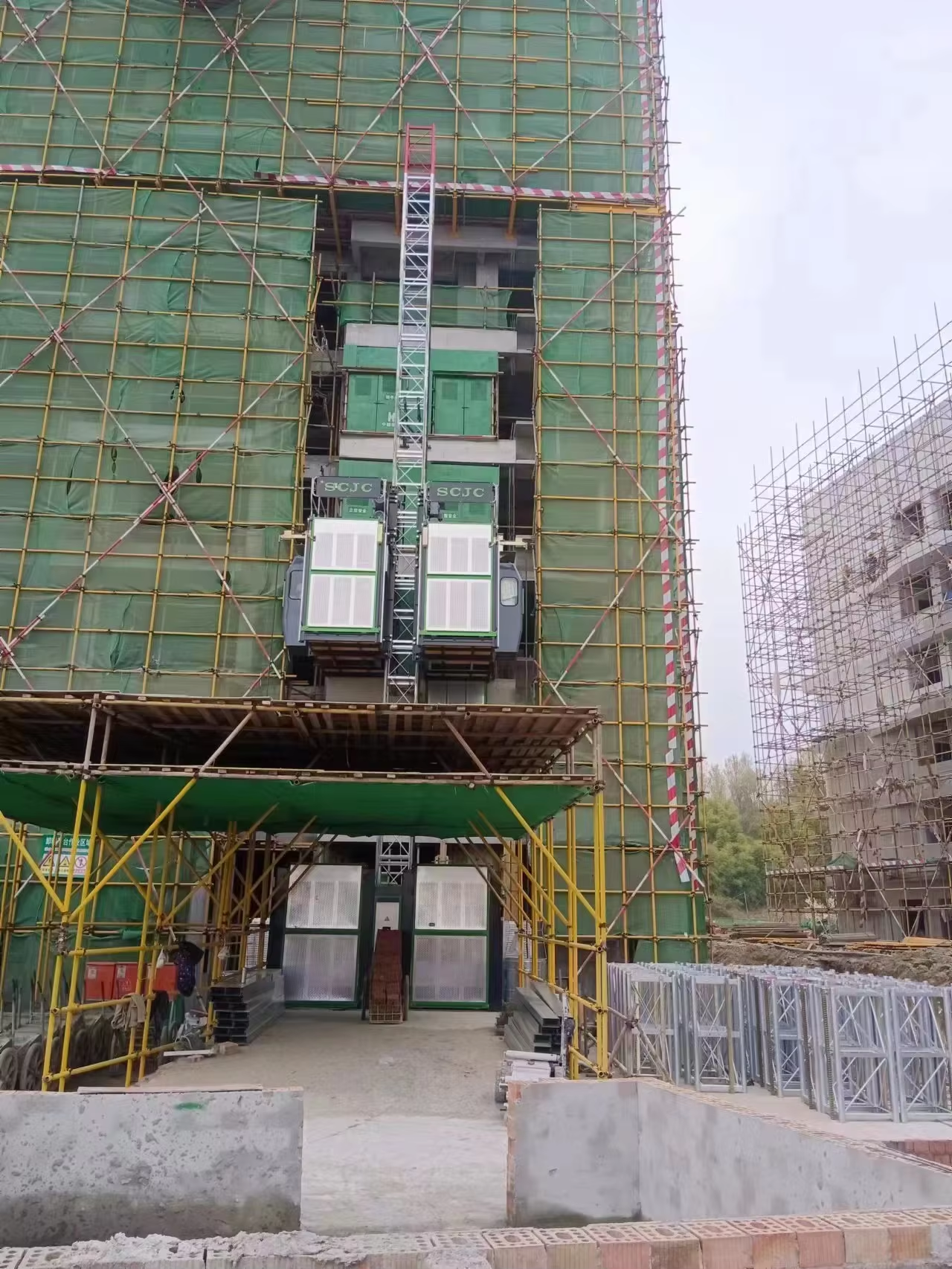
Overload Protection and Emergency Stop in Construction Elevator Hoist Systems
How overload protection prevents accidents in construction elevator hoists
Protection systems against overload play a vital role in stopping structural problems with construction elevator hoists. These systems rely on accurate load sensors to keep track of how weight is distributed throughout the system. When things get close to their maximum capacity, warning signals go off so operators know something needs attention. According to industry reports, good overload protection actually stops around 60-65% of accidents related to hoists by reducing too much pressure before anything breaks down completely. The constant check on what's happening means workers aren't exposed to unnecessary risks while moving people and equipment up and down buildings safely.
Role of emergency stop buttons and sensors in personnel and material hoists
When dangerous situations happen, emergency stop systems let equipment shut down right away. Operators can press these red buttons positioned throughout the facility to manually stop everything if needed. At the same time, there are sensors built into the system that will trigger automatic shutdowns whenever something goes wrong like gates not lining up properly or other mechanical problems occur. For personnel lifts specifically, having quick access to these safety measures makes all the difference between a close call and an actual accident involving falls from height or getting stuck somewhere dangerous. Most newer models actually have several emergency stops located both inside the operator's cabin area as well as right next to each floor platform so workers can reach them no matter where they might be when an emergency occurs.
Real-time weight monitoring and automatic shutdown mechanisms
Modern hoisting equipment incorporates strain gauges along with pressure sensors to provide accurate load readings right away, typically within about 2% margin of error. If something gets too heavy for what was set as safe limits, these machines shut themselves down almost instantly, stopping everything before any serious problems can happen. By combining instant monitoring capabilities with their braking mechanisms, advanced hoists actually stop moving completely when there's an overload situation. This helps protect both the equipment itself and whatever is being lifted, making sure everything stays intact and meets safety standards during each lifting process.
Guardrails, Interlocking Gates and Fall Prevention for Elevator Hoist Safety
Compliance with ANSI/ASSE A10.4-2016 Standards for Safety Railings and Guardrails
For passive fall protection on construction hoists, guardrails play a critical role according to the ANSI/ASSE A10.4-2016 guidelines. The standard calls for a top rail at least 42 inches high, plus a mid-rail somewhere in between, and the whole system needs to hold up against 200 pounds of force coming from any angle. These requirements aren't just numbers on paper they actually work pretty well when properly installed. Studies show these safety measures cut down fall accidents by around 85%, which is no small number considering what can happen otherwise. Site managers should make regular checks part of their routine maintenance schedule. Pay special attention to those toeboards because they stop tools and loose materials from becoming deadly projectiles for workers standing underneath the hoist area.
Interlocking Door Systems and Their Role in Worker Safety During Transit
The interlocking gate system stops the hoist from moving until every access point is completely locked down, which acts as a built-in safety measure to stop people from falling while the equipment is in motion. These safety features work directly with the main control panel so that nothing can operate if even one door or gate remains open. Most setups use either magnetic switches or mechanical contacts to constantly check the status of each access point, giving operators immediate confirmation that everything is secure before starting the loading or unloading process. Maintenance records show that when these interlock systems are kept in good working order, they virtually eliminate fall accidents at installation sites throughout the industry.
Fall Protection Strategies for Open-Platform Construction Hoist Elevators
When working with open platform hoists, workers need multiple layers of fall protection that mix both engineering solutions and good management practices. Guardrails that meet all the standards are essential, but they should be backed up by proper personal fall arrest systems too. These PFAS setups need anchor points capable of holding at least 5,000 pounds just in case something goes wrong while moving materials around. On those taller buildings where work happens above 30 feet, OSHA actually requires extra precautions beyond basic guardrails. Safety nets placed underneath the work platforms become crucial here, acting as that last line of defense when someone might slip or lose their balance on higher floors. Construction sites often forget these details until after an accident occurs, which is why planning ahead matters so much for worker safety.
Anti-Tilt and Auto Levelling for Load Stability in Construction Hoist Lifts
How anti-tilt mechanisms enhance stability under uneven loading conditions
When working equipment has to deal with uneven weight distribution or bumpy ground, anti-tilt systems keep things stable. Most modern machines come equipped with hydraulic outriggers that pop out automatically whenever lifting operations start. These extensions spread out the base area significantly, creating a wider stance against potential tipping hazards. Built into these systems are real time angle detection devices positioned at strategic points around the chassis. They constantly monitor for any imbalance and tweak the hydraulic pressure accordingly, often making corrections so subtle operators might not even notice them happening. On construction sites where soil composition changes from one spot to another, this kind of automatic stabilization makes all the difference between smooth operation and potentially dangerous situations down the road.
Automatic levelling systems for safe docking in material hoists
The automatic leveling system keeps the hoist platform aligned with whatever surface it needs to connect to, which basically gets rid of those dangerous gaps when moving things around. These systems use laser guided sensors that can spot differences down to about 5mm, so they can make tiny adjustments to keep everything lined up just right even if buildings settle over time or materials expand because of heat changes. When dealing with heavy machinery transport, getting this kind of precision really matters since it stops people from tripping on uneven spots and protects expensive equipment from getting damaged during transfers between different levels.
OSHA data: 78% reduction in load-shift incidents with active levelling
Looking at OSHA reports from last year shows something interesting happening on construction sites. Places that installed active leveling systems experienced around 78% fewer instances where loads shifted unexpectedly compared to crews still doing things manually. The numbers get even better when we look at tip-over prevention. These systems stopped approximately 340 potential accidents each year across all the projects being tracked. Most noticeable improvements happened at complex job sites with multiple levels where materials constantly moved between floors. For contractors dealing with tight deadlines and safety regulations, investing in anti-tilt technology isn't just smart business it's practically essential equipment now.
Light Curtain Sensors and Obstruction Detection for Building Hoist Elevators
Function of Light Curtain Sensors in High-Traffic Construction Sites
Light curtain sensors set up an invisible infrared wall around dangerous areas on overhead lifting equipment. These sensors spot anything getting too close before actual contact happens, which is super important for worker safety. In factories where things are constantly moving around, these systems can literally save lives by stopping machinery instantly if someone walks into the danger zone. The newer versions come with smart features that actually learn what's normal versus what's a real threat. They can tell the difference between a person walking by and just random dust particles floating through the air. This means fewer annoying false alarms but still keeps everyone safe. Most manufacturers report about a 30% drop in workplace accidents after installing these kinds of protection systems.
Integration with Emergency Brakes and Response Time Benchmarks
If something gets in the way, light curtains quickly alert the control system and trigger emergency brakes in around 100 milliseconds give or take. Because of this rapid reaction time, the hoist only moves forward a couple inches before stopping, so there's minimal risk of anyone getting hurt from impacts. The way these safety systems work directly with the brakes makes all the difference during those busy moments when stuff is being loaded and unloaded. Workers often find themselves close to the edge of platforms and moving components at these times, making good safety measures absolutely essential for keeping everyone safe on site.
Emergency Communication, Backup Power, and Hoistway Safety Standards
Emergency communication systems during power outages in construction elevator hoists
When the lights go out during a power outage, two way intercom systems equipped with their own batteries and flashing lights plus loud alarms help people stuck underground stay in touch with those working on the surface. Most models will actually work for around four hours straight, which is way beyond what building codes require these days. This extra runtime makes all the difference when crews need to coordinate rescues without wasting precious time waiting for backup generators to kick in. According to recent numbers from construction safety reports released last year, having this kind of reliable contact between trapped workers and emergency personnel cuts down rescue times by somewhere close to two thirds. That kind of improvement can literally mean the difference between life and death in situations where someone gets caught inside a collapsed structure or machinery malfunction.
Backup power for sustained operation of critical safety features
When there's a power cut, uninterruptible power supplies or backup generators keep things running smoothly. Most important systems like emergency braking mechanisms, communications gear, location displays, and control interfaces stay powered for about 90 minutes according to what the industry guidelines require. This gives enough time for a safe stop at the closest floor level instead of letting everything go into a dangerous free fall situation. Safety remains intact throughout these longer periods without electricity, which is why building managers invest so heavily in reliable backup power solutions.
Hoistway enclosures, fire-rating requirements, and compliance with ASME A17.1/CSA B44
The enclosures around elevator shafts need to pass tough fire resistance tests to stop flames from spreading vertically through buildings. For tall structures, most codes demand at least a two hour fire rating. The materials used have to withstand extreme heat conditions exceeding 1000 degrees Celsius during testing. Following the ASME A17.1/CSA B44 guidelines means checking those fire stops where floors meet the shaft regularly, plus making sure there's enough space between moving parts and the enclosure walls. When these systems are kept in good condition, they make a big difference. According to recent 2024 safety data, well maintained hoistway enclosures cut down fire incidents by nearly four out of five cases. That kind of protection saves lives and property in high rise buildings across the country.
FAQ
What is the primary function of overload protection systems in construction elevator hoists?
Overload protection systems play a crucial role in preventing structural issues by monitoring weight distribution and providing warnings to operators when nearing maximum capacity, ultimately reducing accident risks.
How do emergency stop systems work in construction hoist safety?
Emergency stop systems allow for immediate equipment shutdown by pressing red buttons or through sensor-triggered automatic shutdowns in case of dangerous situations.
What role do guardrails play in fall prevention according to ANSI/ASSE A10.4-2016 standards?
Guardrails are essential for passive fall protection, required to hold up against forces and reduce fall accidents by approximately 85%, according to ANSI/ASSE A10.4-2016 standards.
Table of Contents
- Overload Protection and Emergency Stop in Construction Elevator Hoist Systems
- Guardrails, Interlocking Gates and Fall Prevention for Elevator Hoist Safety
- Anti-Tilt and Auto Levelling for Load Stability in Construction Hoist Lifts
- Light Curtain Sensors and Obstruction Detection for Building Hoist Elevators
- Emergency Communication, Backup Power, and Hoistway Safety Standards
- FAQ