 EN
EN

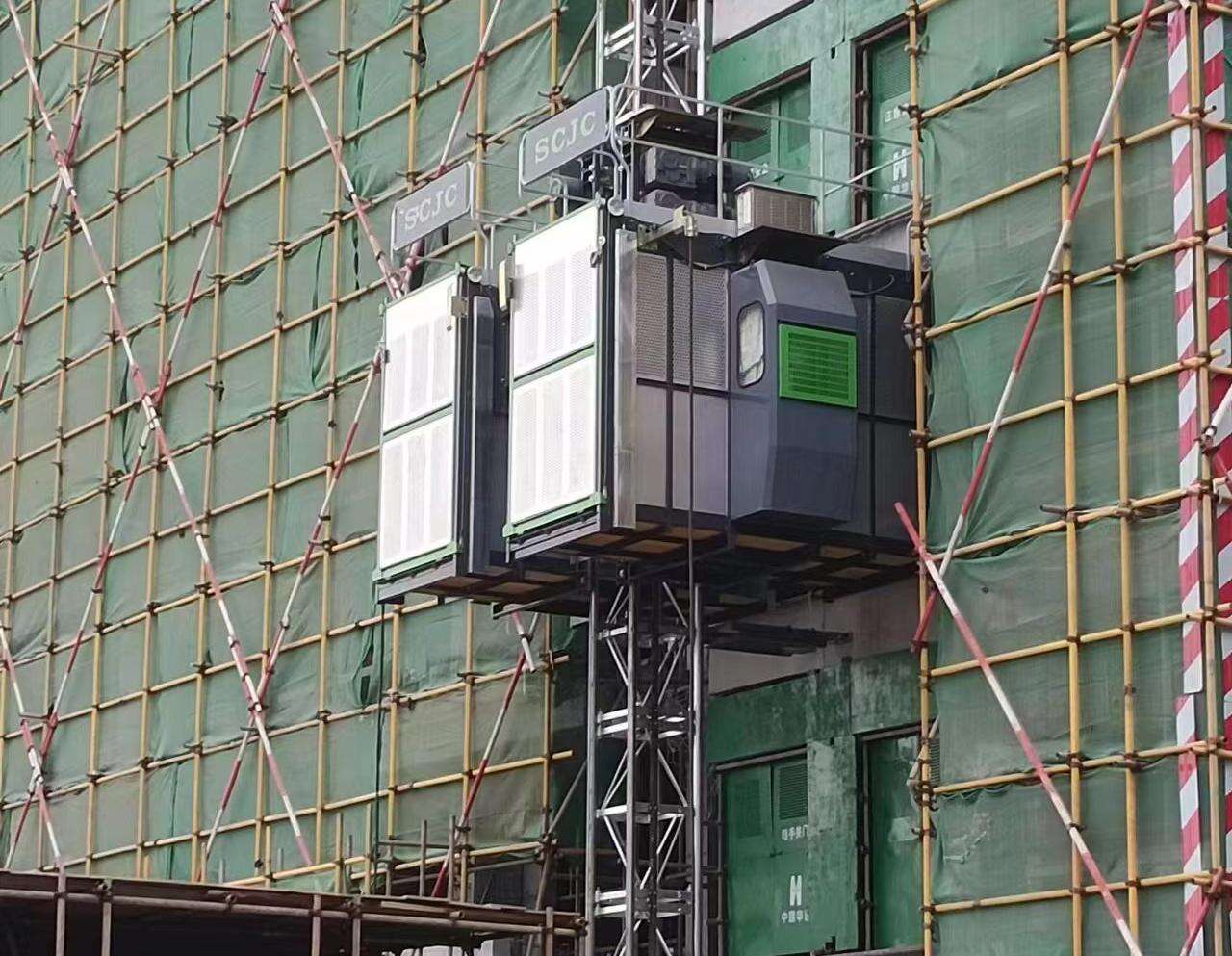
Reducing Labor Costs with Construction Elevator Hoists
How mechanized vertical transport cuts labor demands
Construction sites have seen major changes with the introduction of mechanized vertical transport systems such as elevator hoists. These machines cut down on how much manpower is needed when moving stuff from one floor to another during building projects. Traditional approaches need several people just to lift and carry materials around, but with modern hoisting equipment, one person can handle even very heavy loads without breaking a sweat. What this means practically is fewer workers are tied up doing basic material handling jobs all day long. Instead they get to work on actual construction tasks that really move things forward for the whole project timeline. And there's something else going on here too. When companies aren't stuck needing so many hands just to move supplies around, they can actually allocate their workforce better across different parts of the site. This leads to faster progress overall while also making workers happier because they spend less time doing repetitive grunt work and more time applying their skills where it matters most.
Manual material handling vs. hoist-assisted efficiency: A comparative analysis
When working on buildings with multiple floors, nobody likes seeing how slow things get when materials have to be carried up manually. Climbing stairs all day with heavy loads or dragging stuff along makeshift ramps takes forever and leaves crews exhausted, which naturally slows down everything else. That's where construction elevators really shine though. These hoists zip materials straight up between floors in just minutes flat, no matter what. Some companies report cutting their material moving time by around two thirds after switching to this system. Plus, workers aren't constantly battling back pain or muscle strain anymore. The best part? Hoists keep going rain or shine and don't get tired like people do. Contractors love knowing exactly when materials will arrive at each floor, making project timelines much more reliable compared to guessing games with manual transport.
Quantifying labor cost reduction through efficient material handling
How materials get moved around a job site can really affect what's left in the bank account at month's end. Looking at industry numbers, we find that moving stuff around takes up somewhere between 20 to 30 percent of all labor costs on regular construction sites that don't have automated equipment. When companies install good quality hoists though, they often see their labor bills drop by about 15 to 25 percent. Why? Well, there are just fewer workers needed to carry things around, people aren't working as much overtime since tasks go faster, and there are fewer medical claims when nobody has to lift heavy loads manually anymore. Since labor costs usually eat up a big chunk of any construction budget, getting those hoists installed makes sense as a smart way to keep expenses down while still making money at the end of the day.
Accelerating Construction Timelines with Reliable Material Hoists
Impact of construction elevator hoists on project scheduling and timeline control
Adding a reliable construction elevator hoist makes project schedules much more accurate because it cuts down on those frustrating delays that come from moving materials manually. Old school approaches like using cranes or dragging stuff up stairs just slow everything down and cause traffic jams on site. Modern hoisting systems give workers steady access up and down the building. Contractors who switch to these dedicated material lifts often see their vertical transportation time drop around two thirds, which really tightens up the whole project timeline. With this kind of consistency, site managers can plan where people and equipment go day to day without constantly scrambling when things run late. The savings add up fast too since nobody wants to pay extra for overtime or face penalties from missed deadlines.
Time savings in multi-story construction using optimized hoist systems
The biggest time savings from properly set up hoists happen on multi story buildings. When structures get taller, the amount of time workers spend moving things manually just keeps going up and up, while the time it takes for hoists to complete their cycles stays pretty much the same. Take a standard 20 story office building for instance. Good hoist management can cut around 240 to maybe even 300 man hours each week just from moving materials around. What makes this so valuable is that hoists let stuff arrive on several different floors at once. This keeps construction teams working non stop instead of waiting for materials, which speeds up the whole project timeline without needing extra hands on deck.
Strategic hoist rental for flexibility and faster project delivery
Renting hoists strategically gives construction teams much needed flexibility that speeds things up on site. Contractors don't have to tie up capital buying equipment they might not need all the time. They just grab what they need for each stage of the job. So during busy periods when materials are moving constantly, they bring in extra hoists. When the work slows down towards the end, they cut back without wasting resources. The numbers tell the story too. Jobs that use rented hoists finish about 15 to 22 percent quicker than ones stuck with their own gear. That makes a huge difference when facing strict timelines or when project requirements keep changing midstream. Many site managers swear by this method after seeing how it cuts costs and keeps operations running smoothly through different phases of construction.
Maximizing Lifting Efficiency and Operational Productivity
Enhancing lifting operations with modern construction elevator hoist technology
Construction elevator hoists today are making work sites much more efficient thanks to features such as automatic controls, live monitoring systems, and built-in overload safeguards. What this means in practice is workers spend around 80% less time manually handling materials, plus they can move heavier loads at faster speeds. Industry data shows machines get the job done about 40 percent quicker compared to when people do it all by hand, which cuts down on mistakes and keeps everyone safer from accidents. Contractors report seeing real improvements too: projects finish faster each day, workflow gets smoother without those frustrating delays, and managers feel better about sticking to their schedules because there's less guesswork involved.
From high utilization to peak performance: Addressing the reliability gap
Just because a site is using hoists frequently doesn't mean they're getting good results from them. Many operations actually struggle with reliability issues stemming from bad maintenance practices, old gear still hanging around, or workers who haven't received proper training. When hoists fail unexpectedly, projects get stuck and companies end up losing around fifteen thousand dollars each day just from wasted labor time. Getting ahead of these problems through regular maintenance checks and investing in newer models equipped with smart diagnostics really makes a difference. These upgraded systems help turn high usage rates into actual productivity gains instead of headaches. Industry data shows facilities with dependable lifting equipment see their downtime drop by nearly two thirds, which means faster completion times and better returns on all that expensive machinery sitting on the floor.
Long-Term Cost-Saving Benefits of Dependable Hoist Systems
Upfront investment vs. long-term ROI: Resolving the hoist adoption controversy
The price tag for construction elevator hoists might give some contractors pause at first glance, but looking only at what they cost right now misses the bigger picture of where money goes over time. Good quality hoist systems actually cut down on labor bills because workers don't have to waste so much time waiting around. They also mean fewer days lost when equipment breaks down or accidents happen on site. According to industry reports, construction sites that invest in dependable hoisting equipment see around 23% savings in running costs after just three years of operation. Most contractors find that these machines start paying back their original cost within about a year and a half thanks to all those saved man hours and smoother day to day operations. So instead of seeing them as another line item on the budget sheet, smart builders treat hoists as something that actually adds real value to their bottom line.
Data insight: Average cost reductions in commercial projects using reliable hoists
For commercial high rise buildings, good quality hoist systems can save anywhere between $18 to $25 for every square foot constructed. The money saved comes mostly from needing fewer workers on site since we usually cut down by about 3 or 4 people working manually each shift. There's also less damage to materials while they're being moved around, plus there aren't so many delays holding things back. According to the latest data from the Construction Efficiency Report released in 2024, construction sites that have reliable hoisting equipment finish their work roughly 15 percent quicker compared to old fashioned methods. This speed translates into real cost savings over time. Proper installation makes these hoists pay off repeatedly in multiple areas like workforce costs, project timelines, and managing risks that pop up during construction.
Efficient Material Handling as a Catalyst for Overall Site Performance
Streamlining vertical transport to boost site-wide productivity
Getting materials up and down buildings quickly makes all the difference on busy construction sites. When the vertical transport works right, it cuts down on those frustrating bottlenecks where everything gets stuck. Workers spend less time just hanging around waiting for stuff, and materials actually show up when they're supposed to. Contractors who've sorted out their material handling typically see around 30% fewer delays overall, plus about 25% better use of their labor force according to industry reports. The real win comes from cutting back on all that wasted movement and heavy lifting. Crews aren't constantly stopping work to wait for equipment or move things around, so projects stay on schedule much better. Plus, there's definitely an improvement in workplace safety since people aren't scrambling after misplaced items or trying to carry heavy loads across unstable surfaces.
Linking reliable hoist operations to improved construction workflow
Having reliable hoists on site makes a big difference for the whole construction project. When materials arrive when they should, different crews can coordinate better without running into each other's schedules. Nobody gets stuck waiting for something they need next, so important parts of the job keep moving forward. According to field reports from several construction sites, projects with good hoisting systems see about 20% fewer problems with workflow interruptions and finish tasks around 15% quicker than those struggling with unreliable lifts. Smooth vertical movement means workers can actually get their jobs done without stepping on toes. Less backtracking happens because people aren't fighting over space or waiting for materials. The site becomes safer too since there's not as much clutter and confusion. All these factors combine to deliver projects faster while cutting down on daily operational expenses.
FAQ Section
What are construction elevator hoists?
Construction elevator hoists are mechanized vertical transport systems used on construction sites to move materials efficiently between floors, reducing the need for manual labor.
How do hoists reduce labor costs in construction?
By utilizing hoists, fewer workers are needed for material transportation, reducing labor costs by an average of 15 to 25 percent. This efficiency also minimizes overtime and medical claims due to manual lifting.
What is the ROI on investing in construction elevator hoists?
Investing in quality hoist systems typically results in a 23% reduction in running costs after three years, with many systems paying back their cost within 18 months due to savings in labor and increased efficiency.
Can construction hoists improve project timelines?
Yes, using construction hoists can accelerate project timelines by reducing vertical transport time by up to two-thirds, leading to a more reliable and streamlined scheduling process.
Table of Contents
- Reducing Labor Costs with Construction Elevator Hoists
- Accelerating Construction Timelines with Reliable Material Hoists
- Maximizing Lifting Efficiency and Operational Productivity
- Long-Term Cost-Saving Benefits of Dependable Hoist Systems
- Efficient Material Handling as a Catalyst for Overall Site Performance
- FAQ Section