 EN
EN

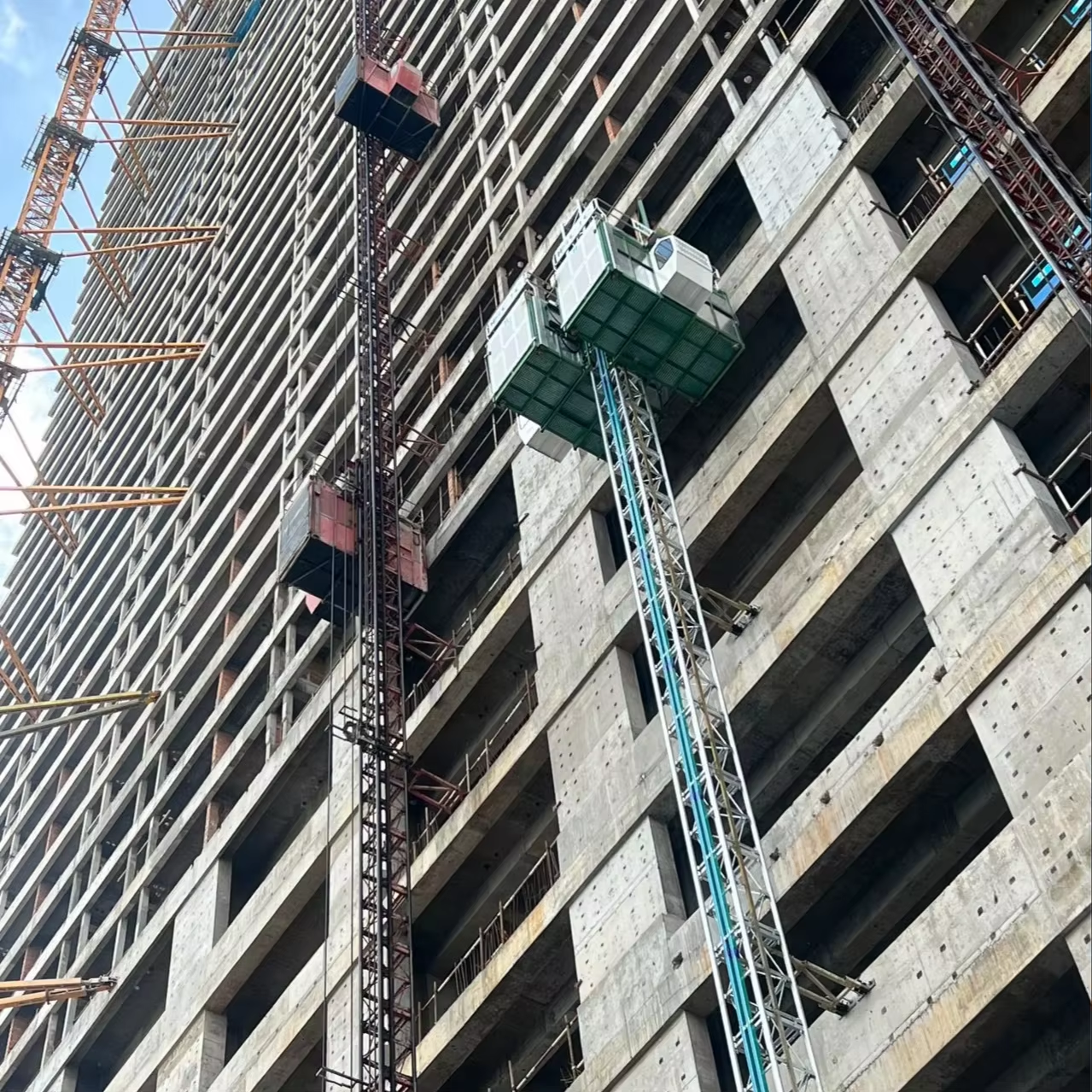
Construction Elevator: Why Vertical Transportation Fails in Super-Tall Construction
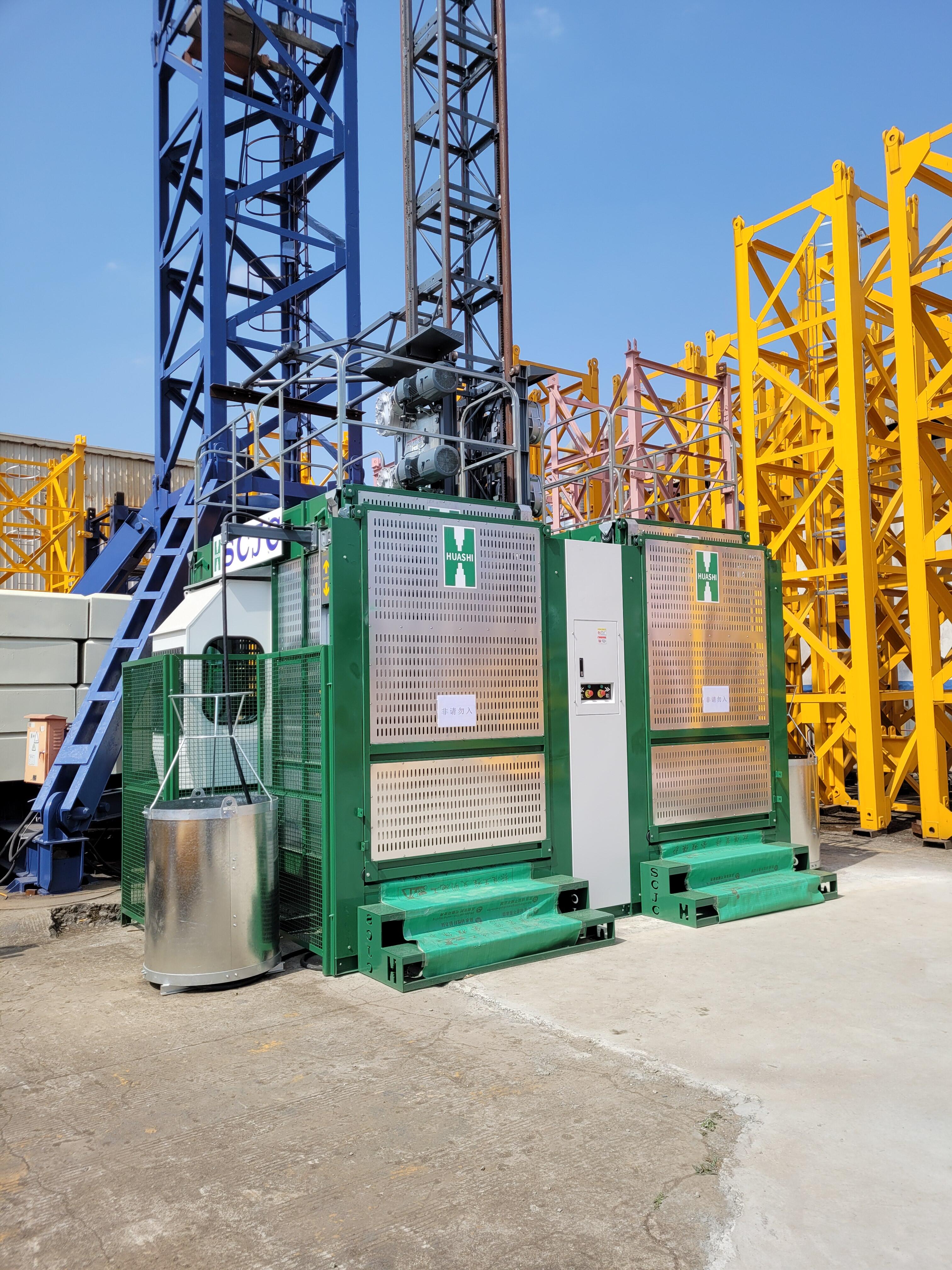
The Cascade Effect: How Elevator Delays Disrupt Scheduling, Labor Flow, and Handover Timelines
A single construction elevator delay triggers systemic bottlenecks. When elevator availability drops by 20%, project timelines extend by 34%, according to a 2023 McKinsey analysis of 50 super-tall projects. Workers remain stranded in lobbies idling up to 90 minutes daily while critical materials stack in staging areas. This backlog cascades into:
- Schedule Compression: Trade contractors overlap in confined zones, raising safety risks.
- Labor Inefficiency: Skilled crews operate at 6070% capacity due to access delays.
- Handover Delays: Late-stage interior fit-out stalls, pushing occupancy dates by 35 months per 100 floors.
The 300-Meter Threshold: Structural, Logistical, and Regulatory Limits of Conventional Construction Elevator Deployment
Standard construction elevators start having serious reliability issues once buildings go past about 300 meters or so (around 984 feet). At those heights, wind causes problems with swaying that gets worse than plus or minus 15 centimeters on upper floors. This forces operators to slow down speeds to just 1 meter per second, which is actually half what these machines are rated for normally. The hoist ropes themselves stretch roughly 0.1 percent for every 100 meters they cover, meaning bigger motors and stronger shaft structures are needed. Regulations from groups like OSHA require extra braking systems when going over 250 meters, adding layers of complexity nobody really wants. Most elevator companies simply can't install systems beyond 400 meters without doing special custom work. Industry insiders report that around 8 out of 10 projects involving buildings taller than 300 meters end up running into delays with their vertical transportation needs, often missing deadlines by six weeks or more.
Strategic Construction Elevator Deployment for Efficiency and Continuity
Dual-Use Integration: Leveraging Permanent Elevator Shafts and Machines as Temporary Construction Elevators
When builders repurpose existing elevator infrastructure during construction, they basically cut out a lot of extra structural work that would otherwise be needed. The trick is to use what will eventually become the permanent shaft and machinery right from the start for moving materials and people around the site. This saves time too installation takes about half as long as it does with traditional temporary systems. Money wise, companies typically save around $250,000 per elevator shaft because they don't have to build those duplicate core structures that just get torn down later. And speaking of safety, important parts like overspeed governors get installed early on in the process. This means buildings meet all the international code requirements right from day one rather than having to retrofit everything at the end.
Modular & Prefab Solutions: Accelerating Shaft Installation and Reducing On-Site Construction Elevator Downtime
The use of prefabricated elevator modules changes how installations happen, moving away from step-by-step processes to ones where multiple parts can be worked on at once. When factories assemble these shaft sections complete with all their wiring already done, installers can get through about 1.5 floors each day, which is roughly three times faster than what was possible before. The Modular Building Institute reported something interesting back in 2023 actually showing that these modular approaches cut down elevator downtime during construction projects by around 37%. Standardized parts make things easier to manage while predictive maintenance helps avoid unexpected delays. Many top manufacturers are starting to put IoT sensors into their systems too. These little devices monitor loads in real time so when there's a risk of overloading, the system adjusts itself automatically during important lifting operations. This kind of smart technology makes a big difference in safety and efficiency on site.
Phased Commissioning and Load-Balanced Operations Across Height Zones
Zone-Based Phasing: Aligning Construction Elevator Handover with Structural Topping-Out Milestones
When it comes to managing construction elevators on skyscrapers, the old ways just don't cut it anymore. Zone-based phasing is changing how we deploy these lifts alongside when different parts of the building actually get finished. Think about breaking down those massive towers into chunks roughly 30 to 40 floors high. Once the concrete in a particular section has cured enough, crews can start using temporary elevators right there. This means workers aren't stuck waiting for handovers anymore. They can be working at several different heights at once while the permanent elevators are being installed further down. According to some field studies, this approach cuts down on material handling problems by around 40 percent during peak construction periods. What makes this system really effective is how it keeps everyone moving. As soon as one segment finishes its structural work, the construction elevators move up to the next level while mechanical, electrical and plumbing teams take over the lower sections. No need for extra cranes or hoists, which saves money and time in the long run.
Dynamic Load Balancing: Real-Time Traffic Modeling to Optimize Construction Elevator Uptime and Payload Utilization
Smart telemetry tech helps balance elevator loads dynamically on construction sites using traffic algorithms that work in real time. The system tracks where each elevator car is, what weight it carries, and how long people are waiting at different shafts, then sends all this info to cloud platforms for processing. When demand shifts throughout the day, these systems can actually redirect cars accordingly. For instance, they'll send more lifts to handle concrete deliveries early in the morning but switch focus later to move finishing materials around. Some machine learning models even forecast busy periods, which has boosted payload efficiency by roughly 30% according to field tests, cutting down wait times to just under a minute in most cases. Another key benefit is automatic weight management between cars, preventing dangerous overloads especially important when moving delicate machinery up to higher floors where space is tight.
Frequently Asked Questions
Why do elevator delays cause such significant project timeline issues?
Elevator delays create bottlenecks that affect worker flow and material delivery, leading to inefficiencies and extended project timelines.
What height issues affect conventional construction elevators?
Elevators over 300 meters face swaying problems and regulatory challenges, forcing operational slowdowns and custom installations.
How does zone-based phasing improve elevator management?
Zone-based phasing allows temporary elevators to be used as structures complete, enabling efficient height management and reduced wait times.