Comprehensive Guide to Heavy Construction Equipment: Types, Functions, and Core Application Value Analysis
Across the vast domains of construction, mining, and infrastructure development, heavy construction equipment serves as an indispensable core force. These machines are not merely steel behemoths but the cornerstone of modern engineering, directly transforming blueprints into the roads, bridges, cities, and homes upon which we rely. Understanding the different types of heavy construction equipment is crucial for project managers, contractors, engineers, and even investors, as it directly impacts project efficiency, cost, safety, and ultimately, success.
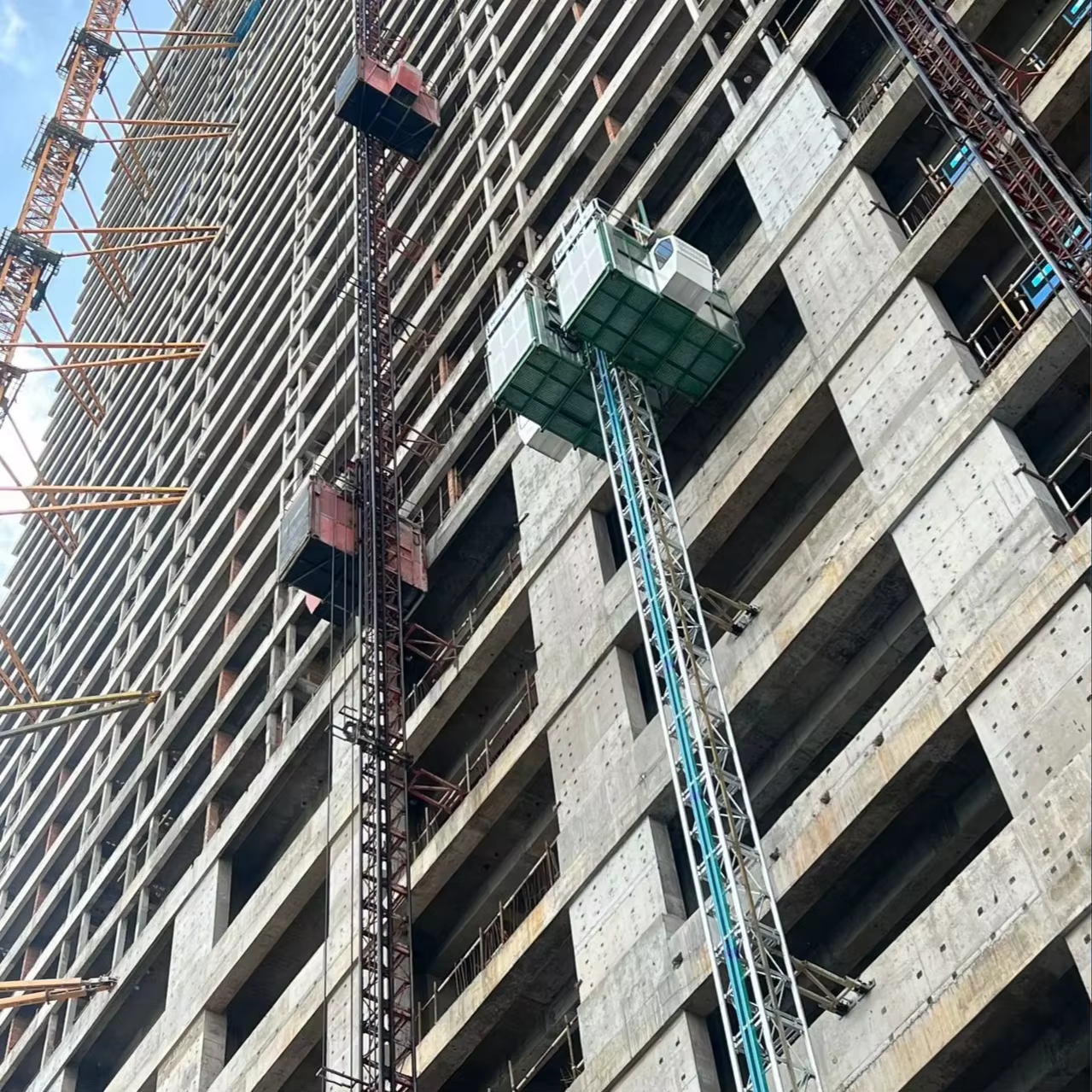
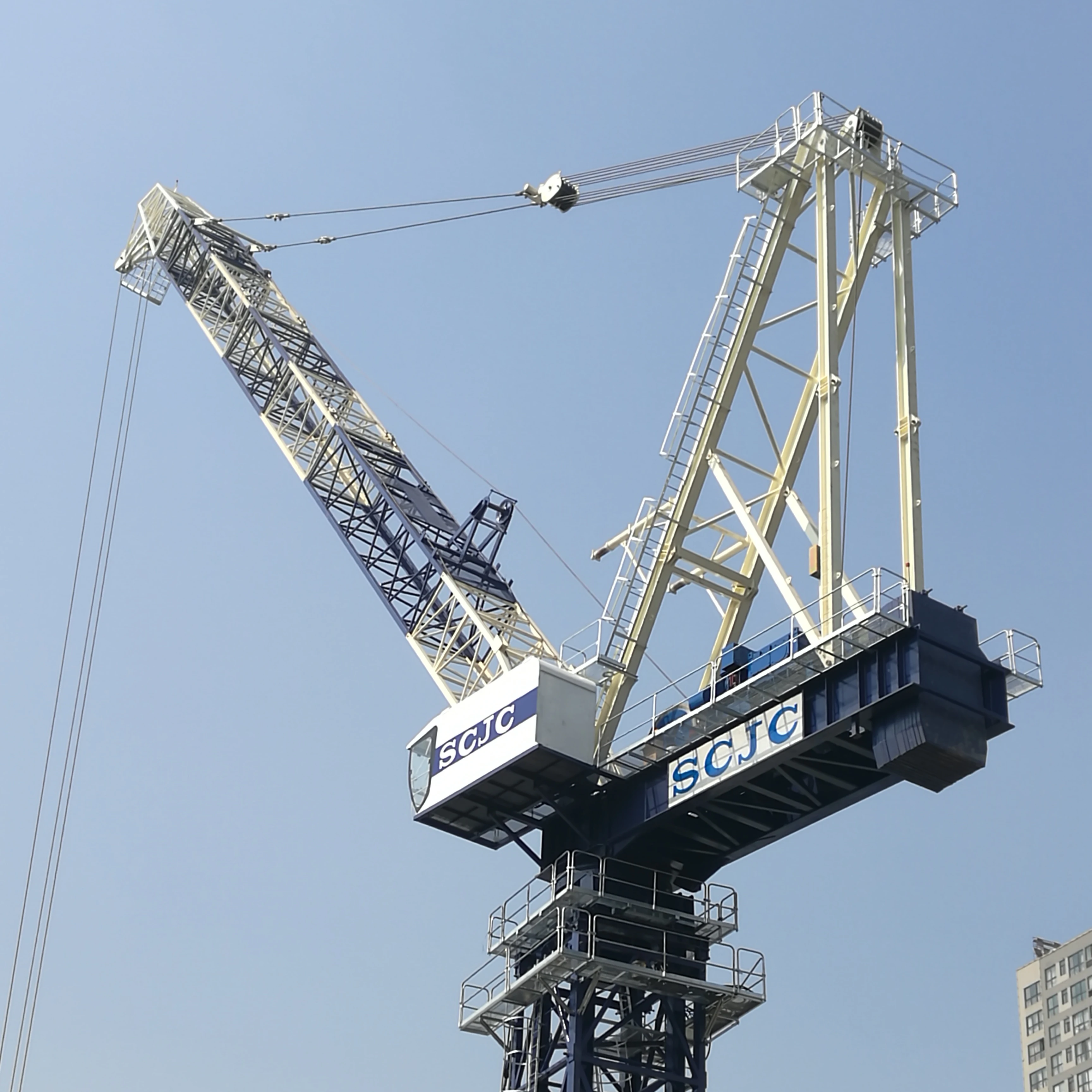
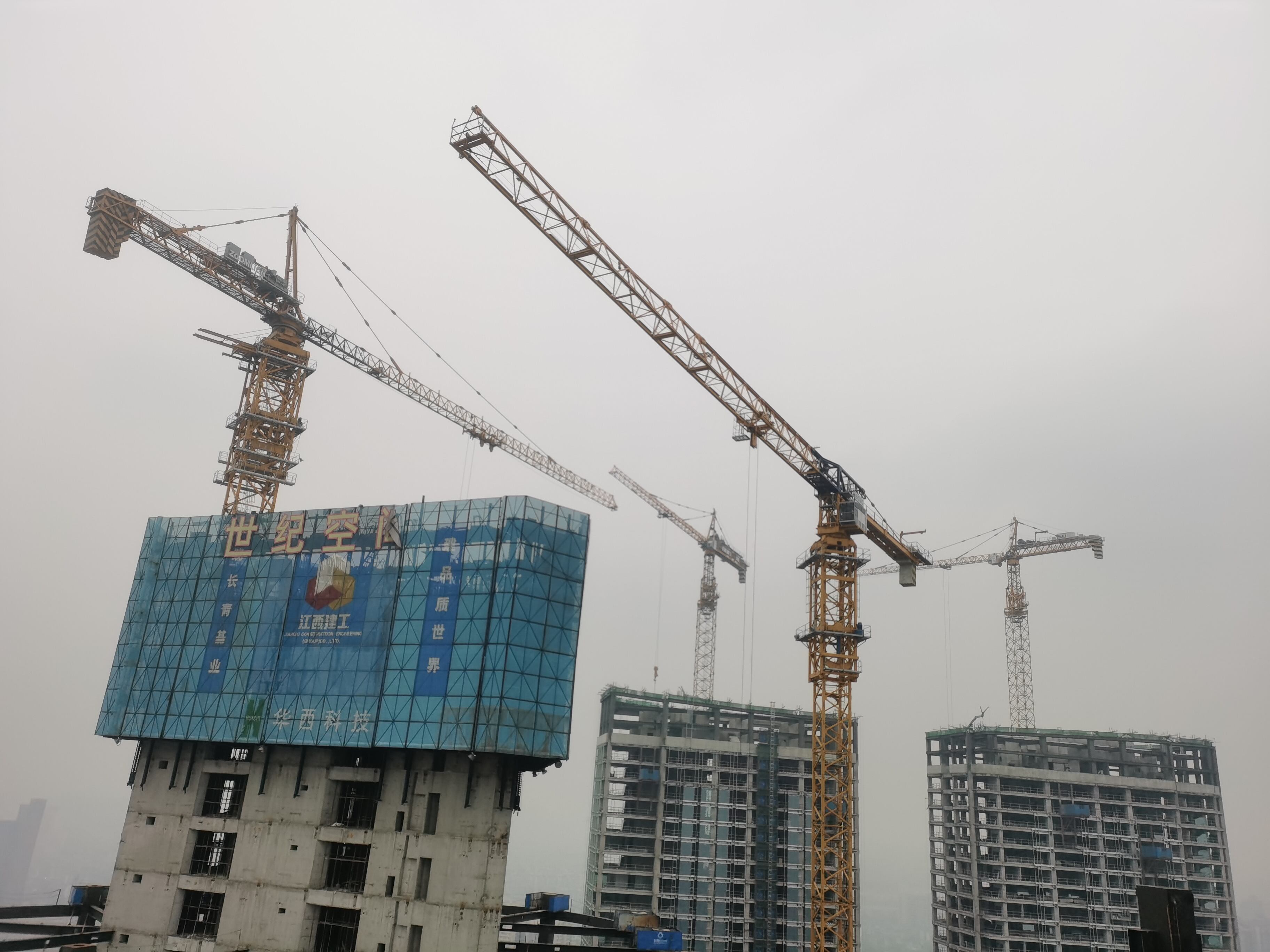
The importance of heavy equipment manifests in three core aspects. First, it delivers unparalleled efficiency and productivity. A modern excavator can complete land grading tasks in hours that would take dozens of workers weeks to finish. This efficiency boost is key to meeting tight project deadlines and controlling costs. Second, heavy equipment makes specialized and complex engineering projects possible. Without tower cranes, skyscrapers couldn't rise; without tunnel boring machines, subway networks couldn't expand. Each piece of equipment is engineered to tackle specific construction challenges, continually pushing the boundaries of what we can build. Finally, and critically, they deliver a significant boost in safety. These machines handle the most hazardous tasks—heavy lifting, deep excavation, and controlled demolition—greatly reducing workers' direct exposure to high-risk environments. Advanced safety features on modern equipment further safeguard lives on construction sites.
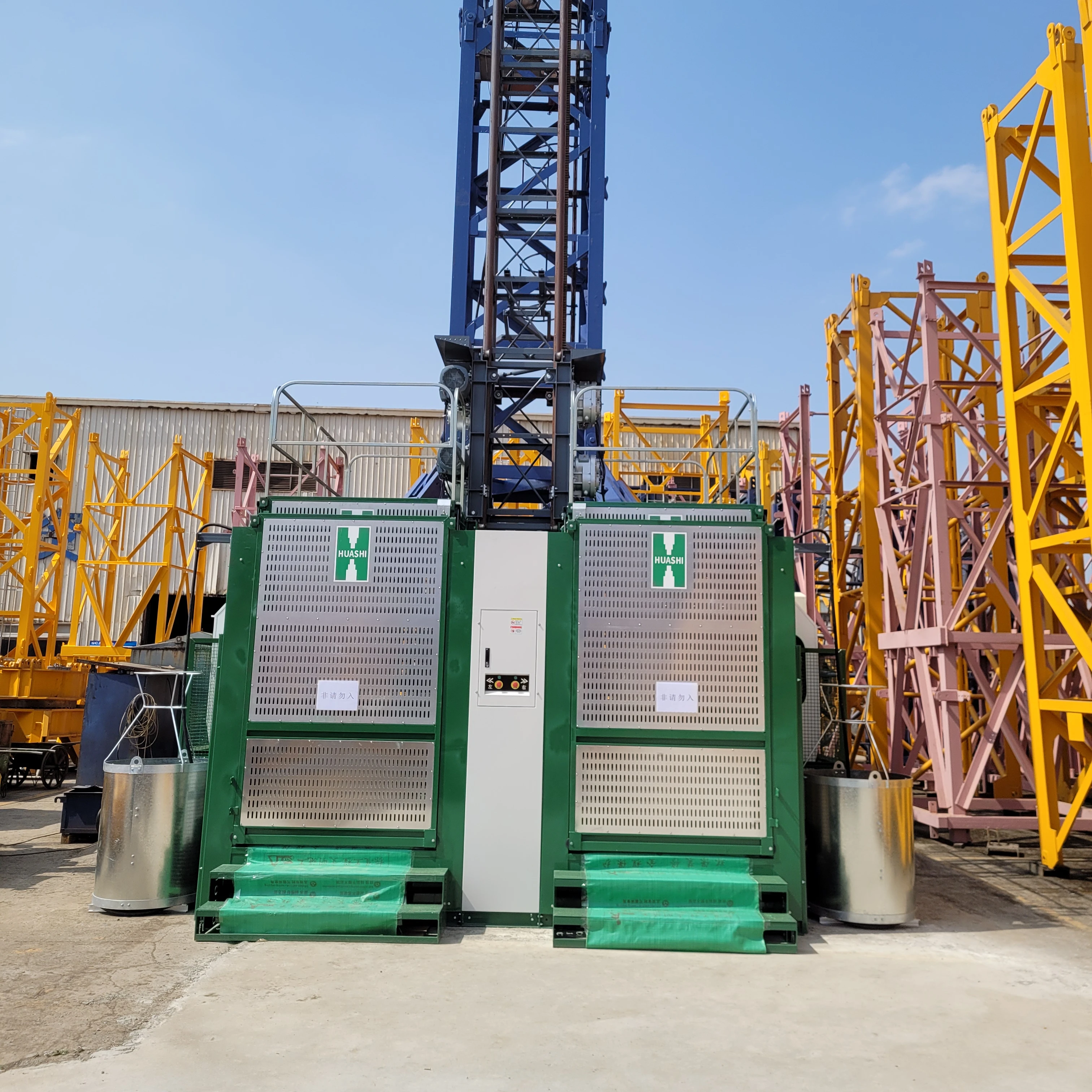
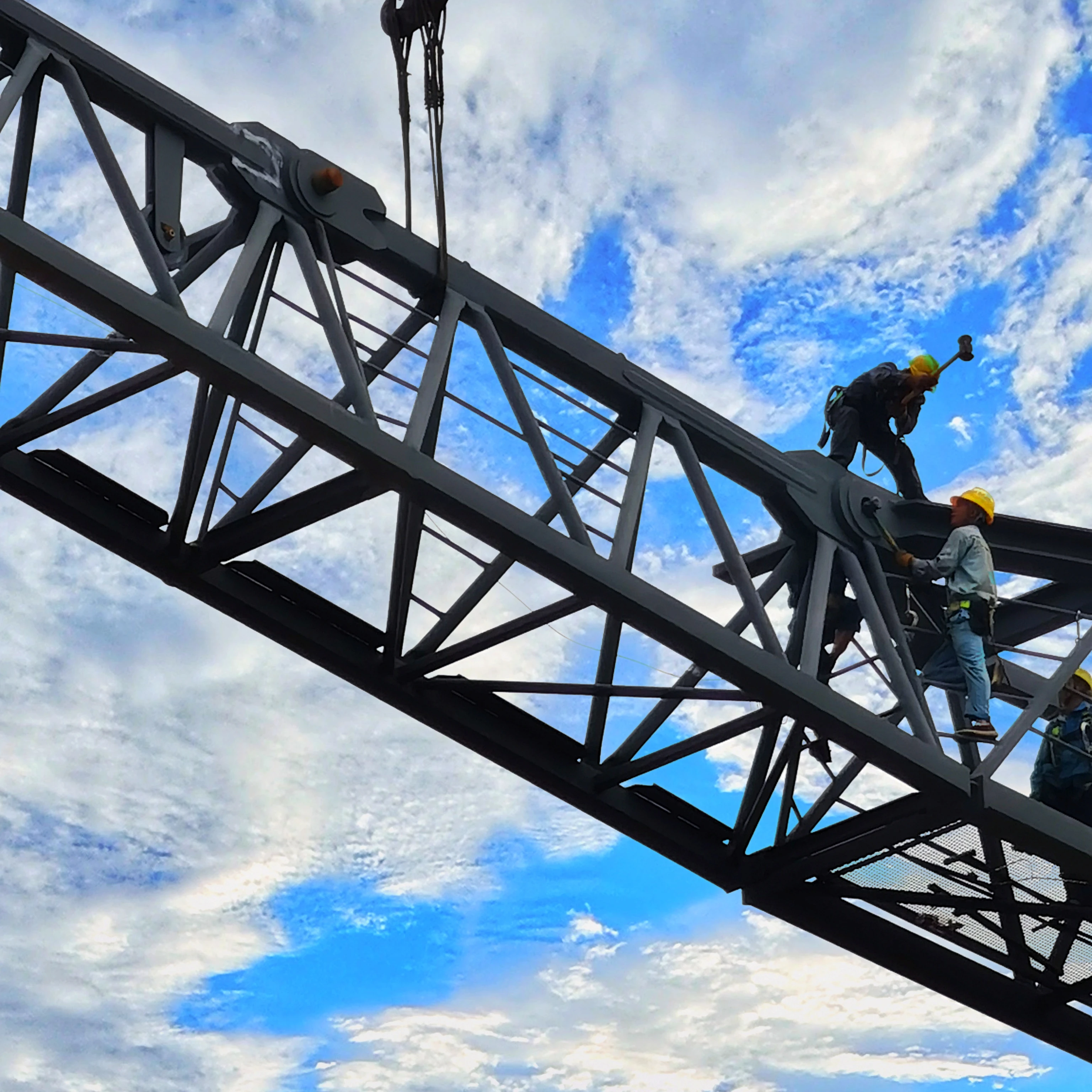
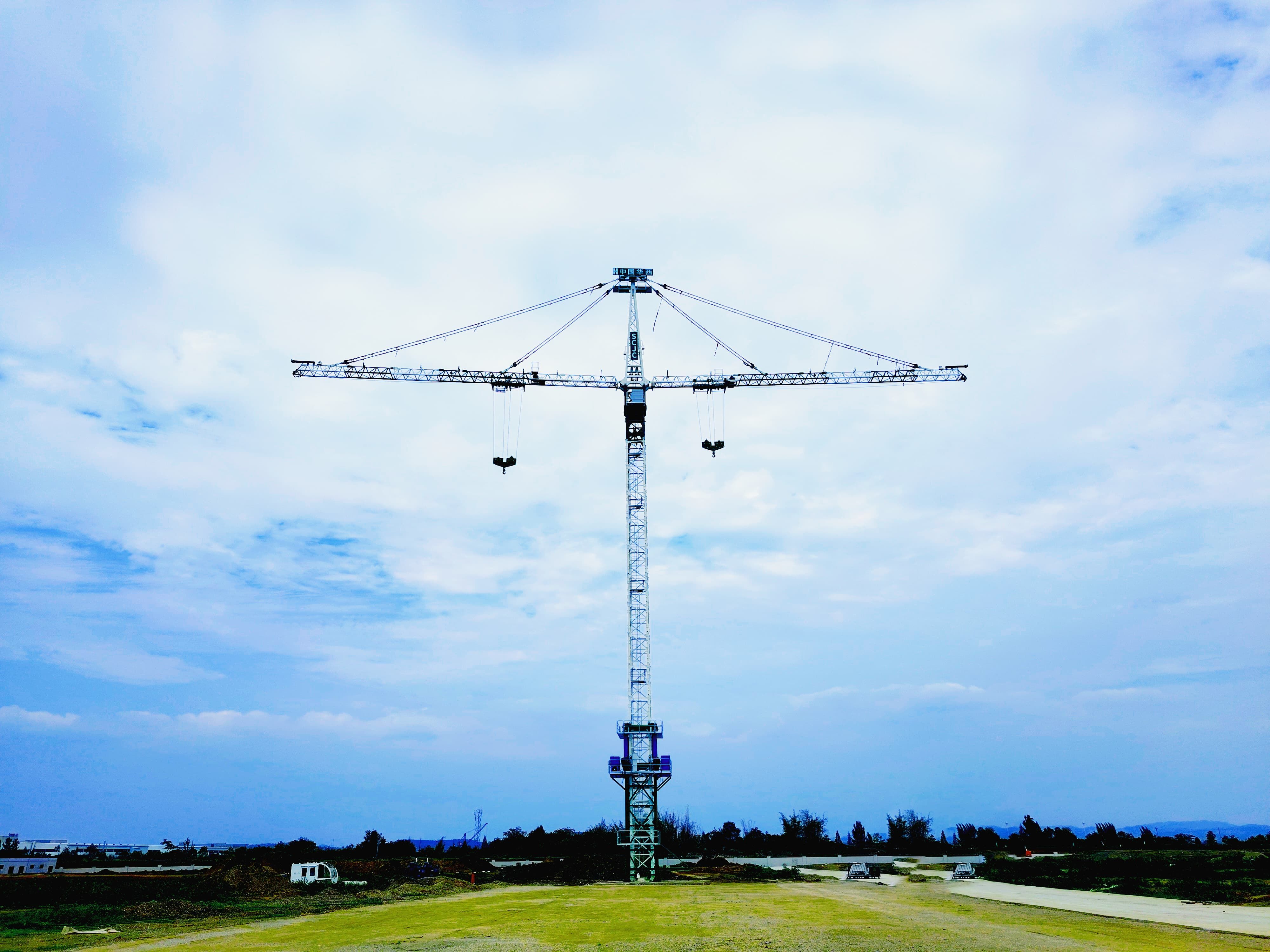
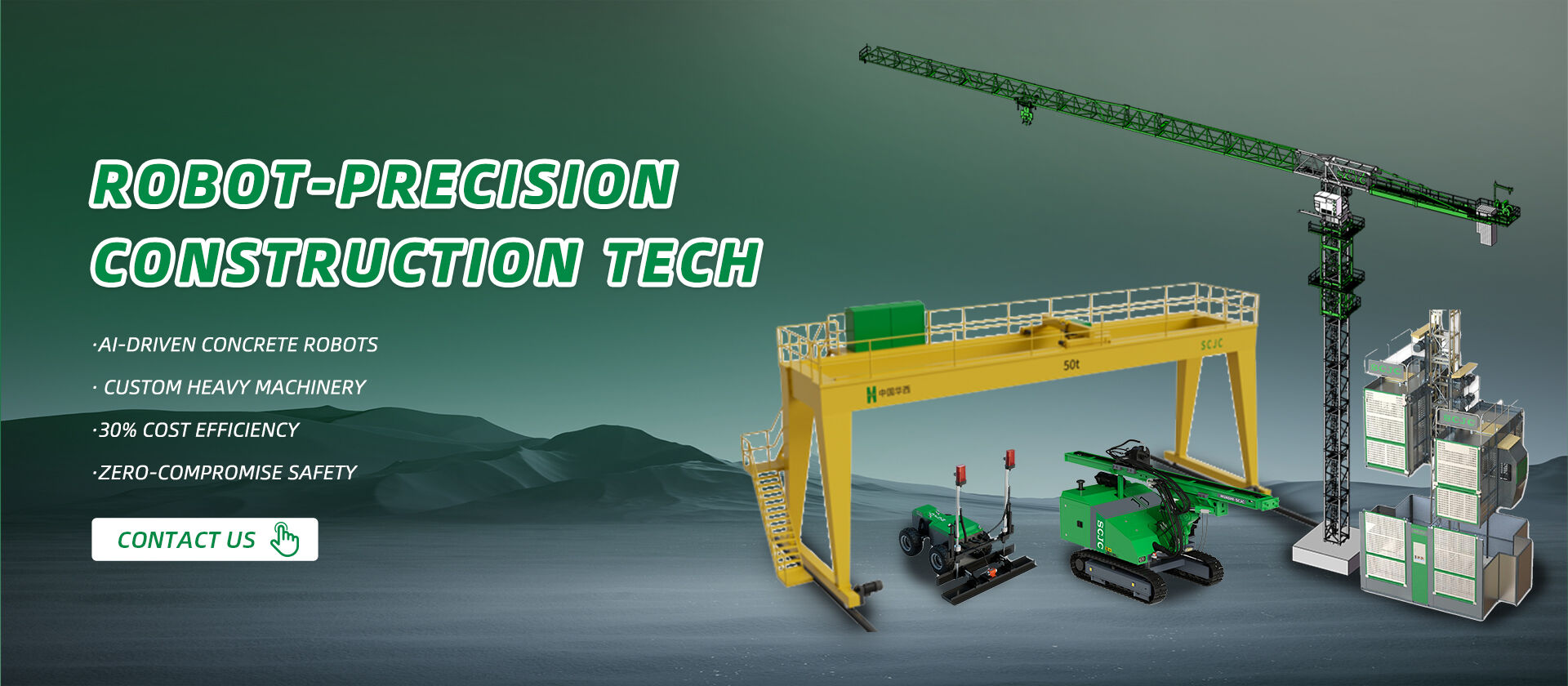
Based on function and application, heavy construction equipment can be broadly categorized into several major types. Earthmoving equipment serves as the vanguard of projects, handling site clearance and grading. This includes excavators, bulldozers, loaders, and graders. Lifting equipment raises heavy loads to great heights and positions them with precision. Tower cranes, mobile truck cranes, and crawler cranes are the backbone of high-rise construction and large-scale structural installations. Compaction equipment, such as various rollers, focuses on providing solid, stable foundations for roads, foundations, and embankments, ensuring long-term structural integrity. Additionally, specialized equipment for material handling (e.g., forklifts, conveyors) and auxiliary equipment (e.g., generators, lighting trucks) collectively form a powerful, synergistic equipment ecosystem.
In summary, understanding the types, functions, and value of diverse heavy construction equipment is the first step toward successfully planning and executing any construction project. Selecting the right equipment means choosing efficiency, safety, and quality.
 EN
EN