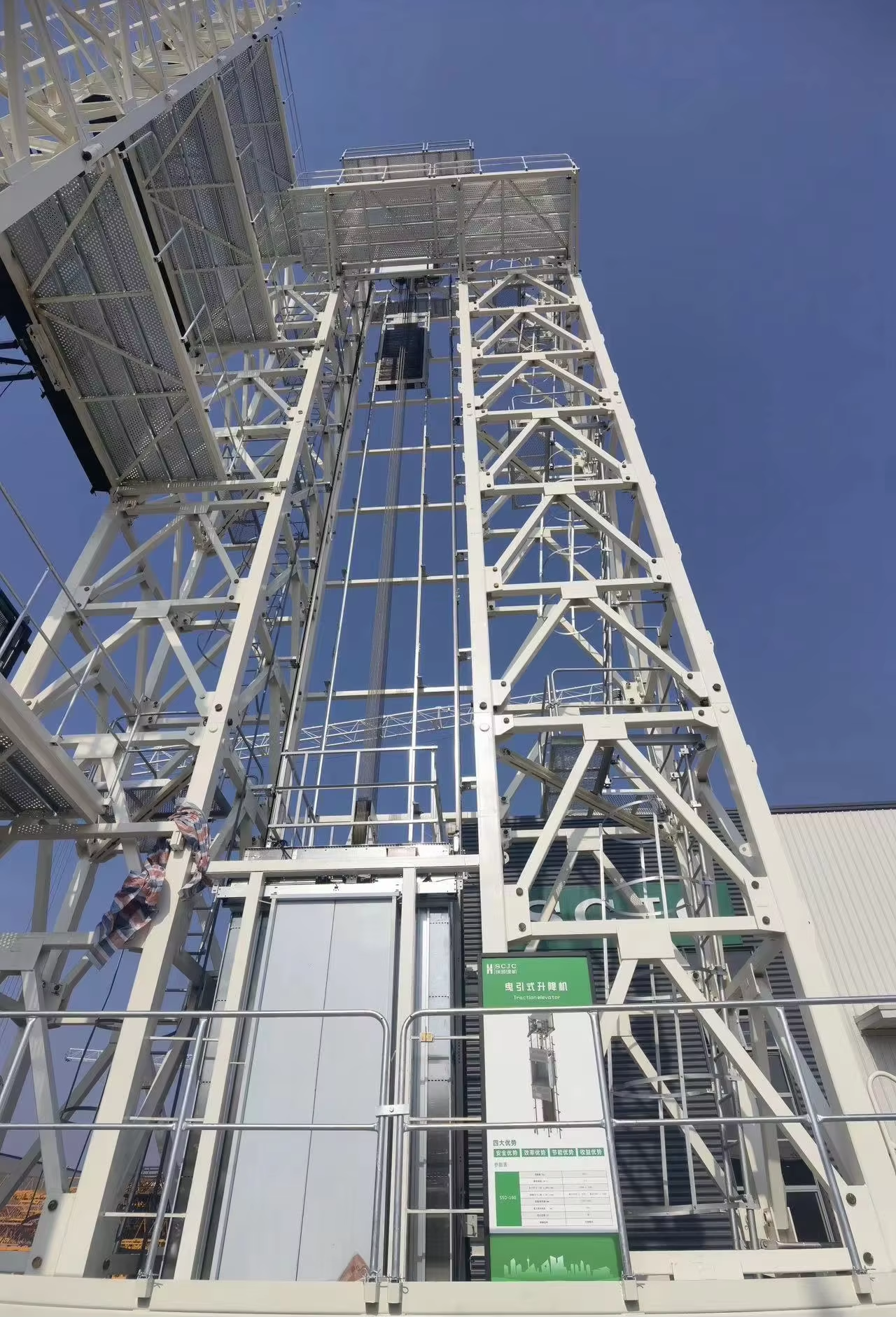
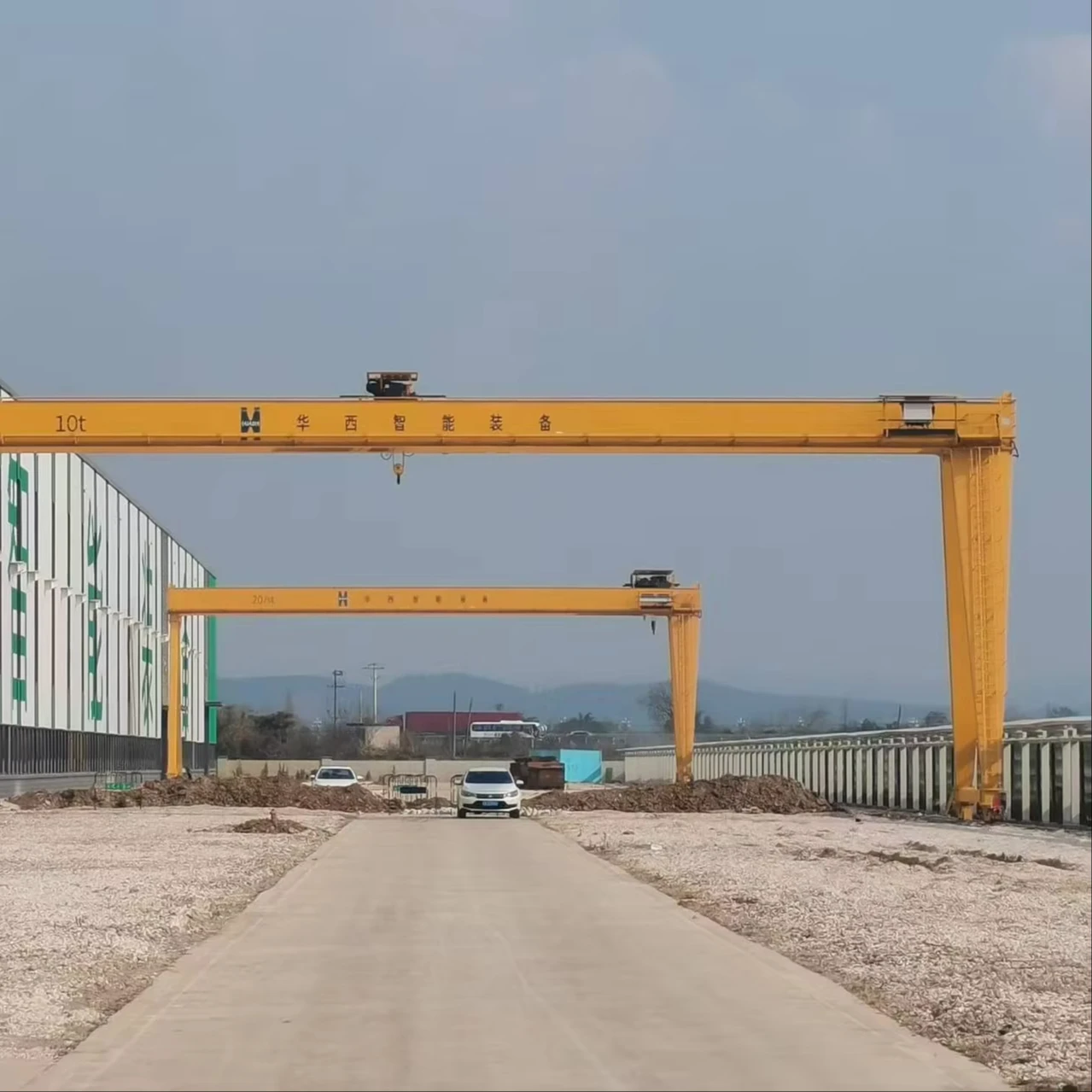
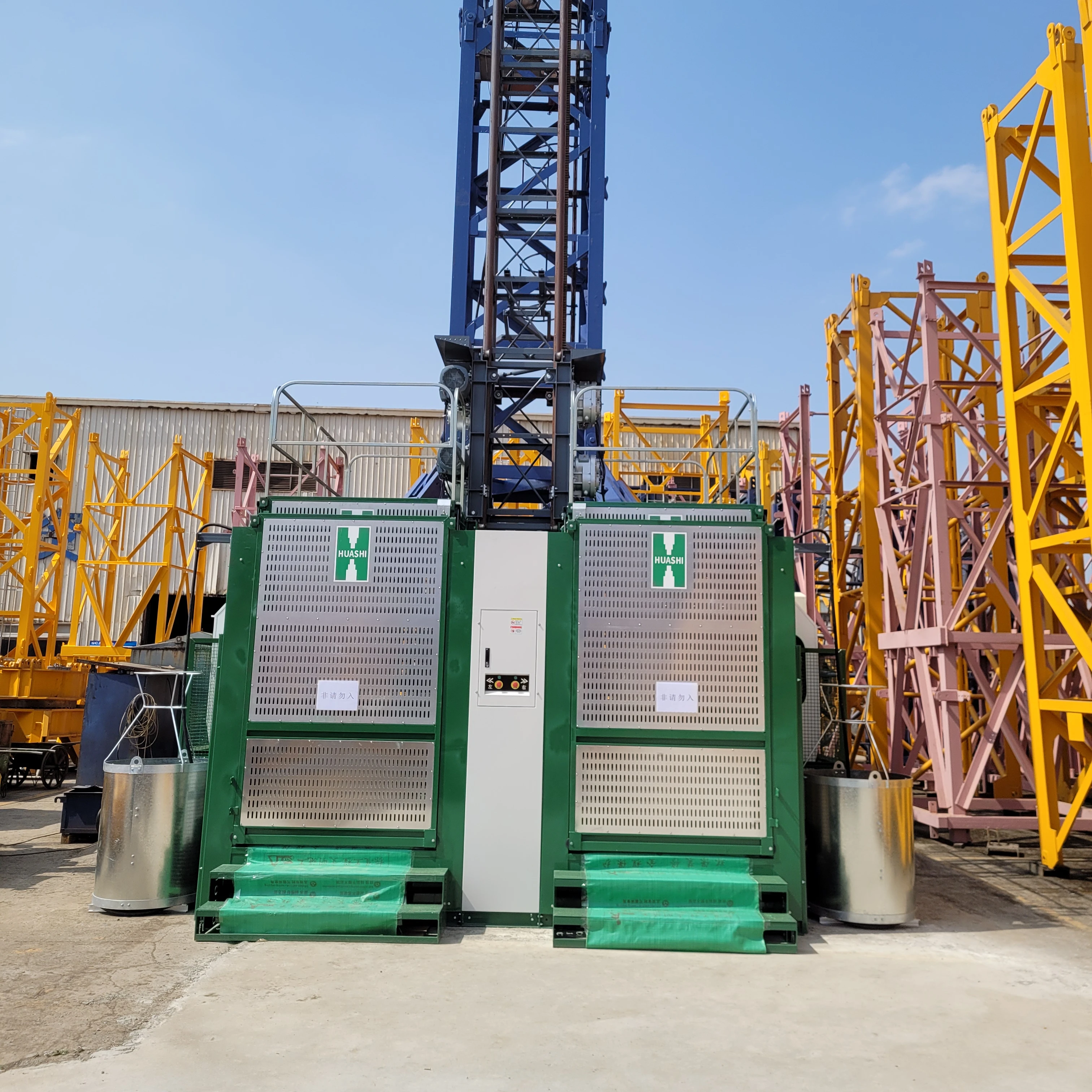
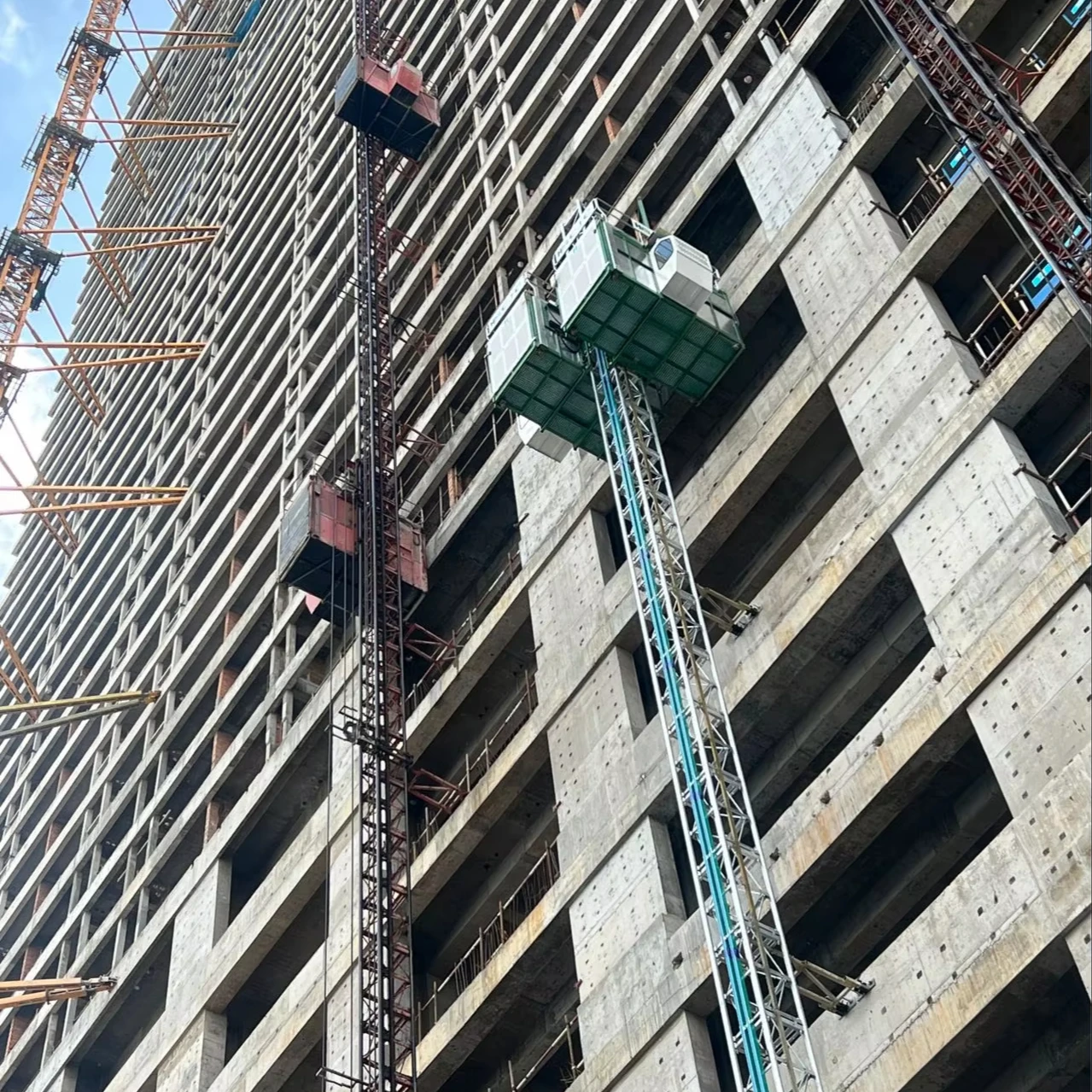
In the modern construction industry, vertical transportation is one of the most critical aspects of a construction site. As the core equipment in this process, the importance of construction hoists is self-evident. Whether for skyscrapers, bridges, industrial plants, or complex projects like deep shafts and cooling towers, construction hoists shoulder the vital task of transporting personnel, tools, equipment, and building materials. They provide a safe and rapid vertical transportation solution, enabling efficient project advancement.
The core value of construction hoists lies primarily in their significant enhancement of safety. These devices are typically equipped with guardrails, safety braking systems, overload sensors, and emergency stop mechanisms, effectively preventing accidents. For instance, speed limiters and fall arrest mechanisms ensure smooth and controlled lifting operations, substantially reducing safety risks associated with traditional scaffolding or non-professional lifting methods, thereby providing reliable protection for workers and material transport. Simultaneously, their efficiency is a key driver of construction progress. Compared to traditional ladders or temporary hoisting methods, construction hoists enable faster vertical transport of personnel and materials, minimizing downtime caused by material delivery delays and ensuring construction schedules stay on track. Many models support round-the-clock operation (with proper maintenance), further guaranteeing the continuity of construction processes.
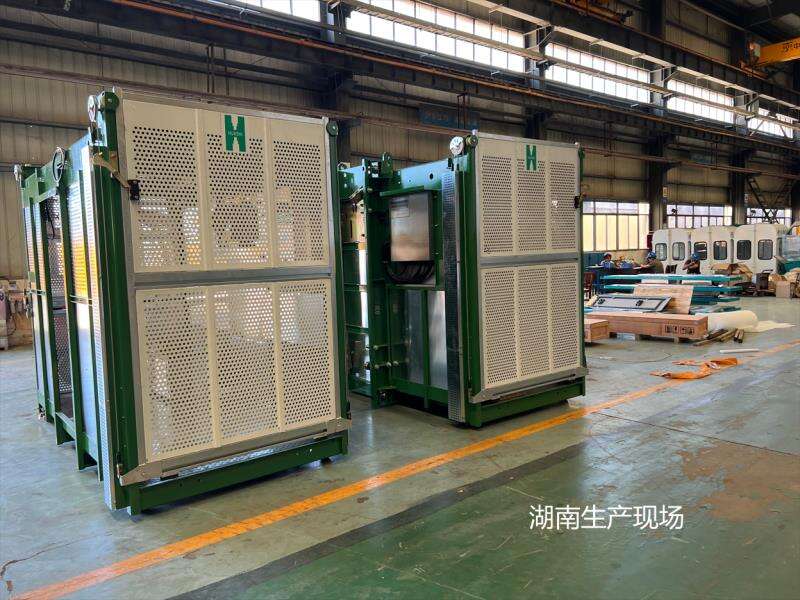
From a cost control perspective, construction hoists also demonstrate significant advantages. In the early stages of building projects, their installation and operational costs are typically lower than permanent elevators, yet they rapidly meet vertical transportation needs. By optimizing material handling processes, they also effectively reduce labor costs associated with manual material transport. Furthermore, these devices offer exceptional adaptability, configurable to meet specific project requirements: they can function as “passenger lifts” dedicated to personnel transport, “freight lifts” focused on heavy materials (such as steel, concrete, or machinery), or “dual-purpose lifts” serving both functions. Common types include electric wire rope lifts (e.g., the SC series, with a maximum lifting height of 300 meters, operating speeds up to 60 meters per minute, and a single-cage maximum load capacity of 2,000 kilograms) and rack-and-pinion lifts. Users can also select single-cage/dual-cage designs, inclined lifts, or high-speed models based on actual site conditions to meet diverse construction requirements.
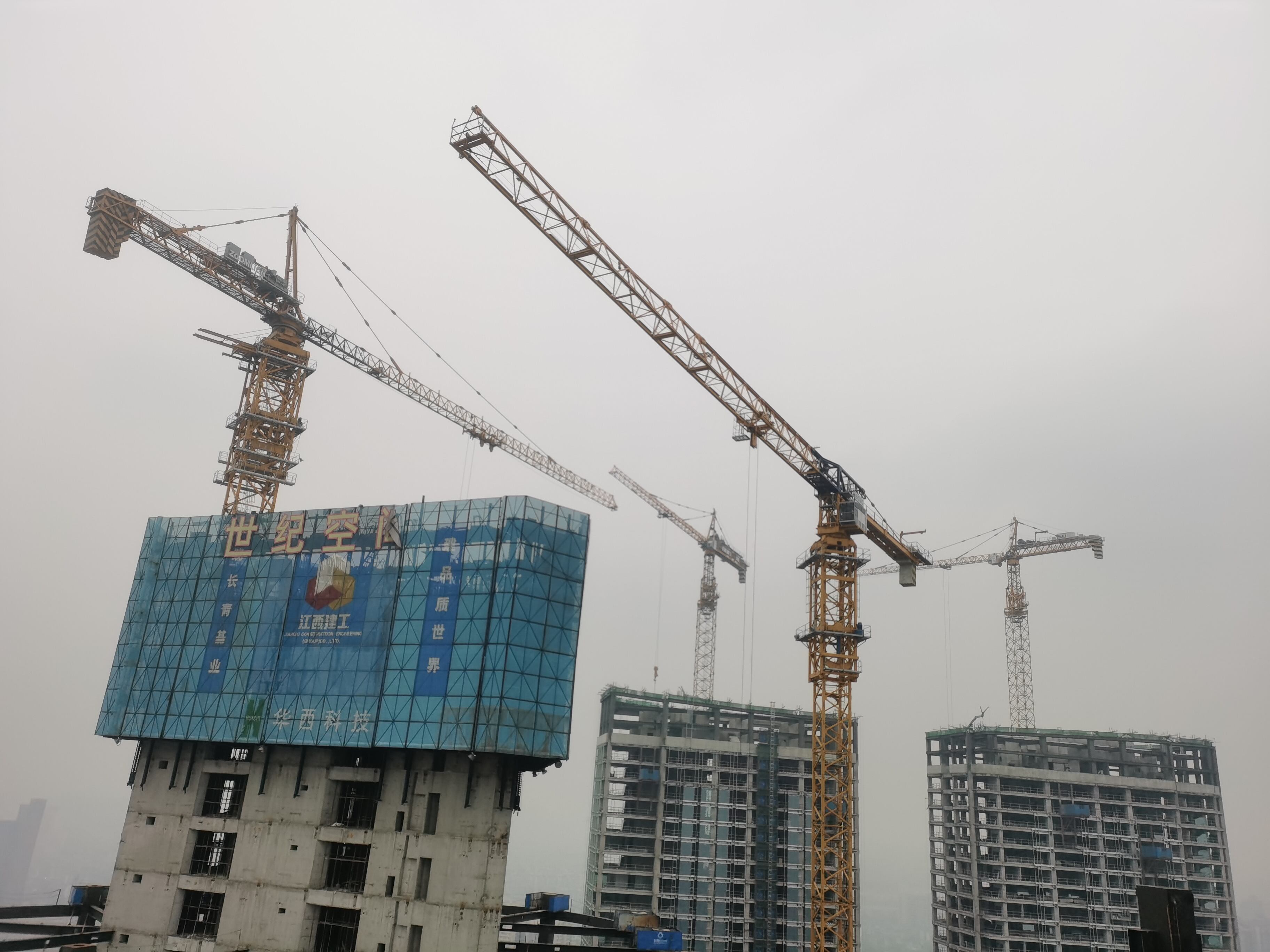
Construction hoists find extensive application across virtually all building projects requiring vertical material transport: from residential and commercial complex construction to infrastructure projects like bridges and tunnels; from industrial plant and power station construction to specialized projects such as cooling towers and deep well excavation. Particularly in high-rise buildings and complex structural projects, these devices are indispensable. Not only can they accommodate extreme height requirements (with some models reaching over 300 meters), but their modular design and customizable configurations also ensure perfect alignment with the unique demands of different projects.
 EN
EN