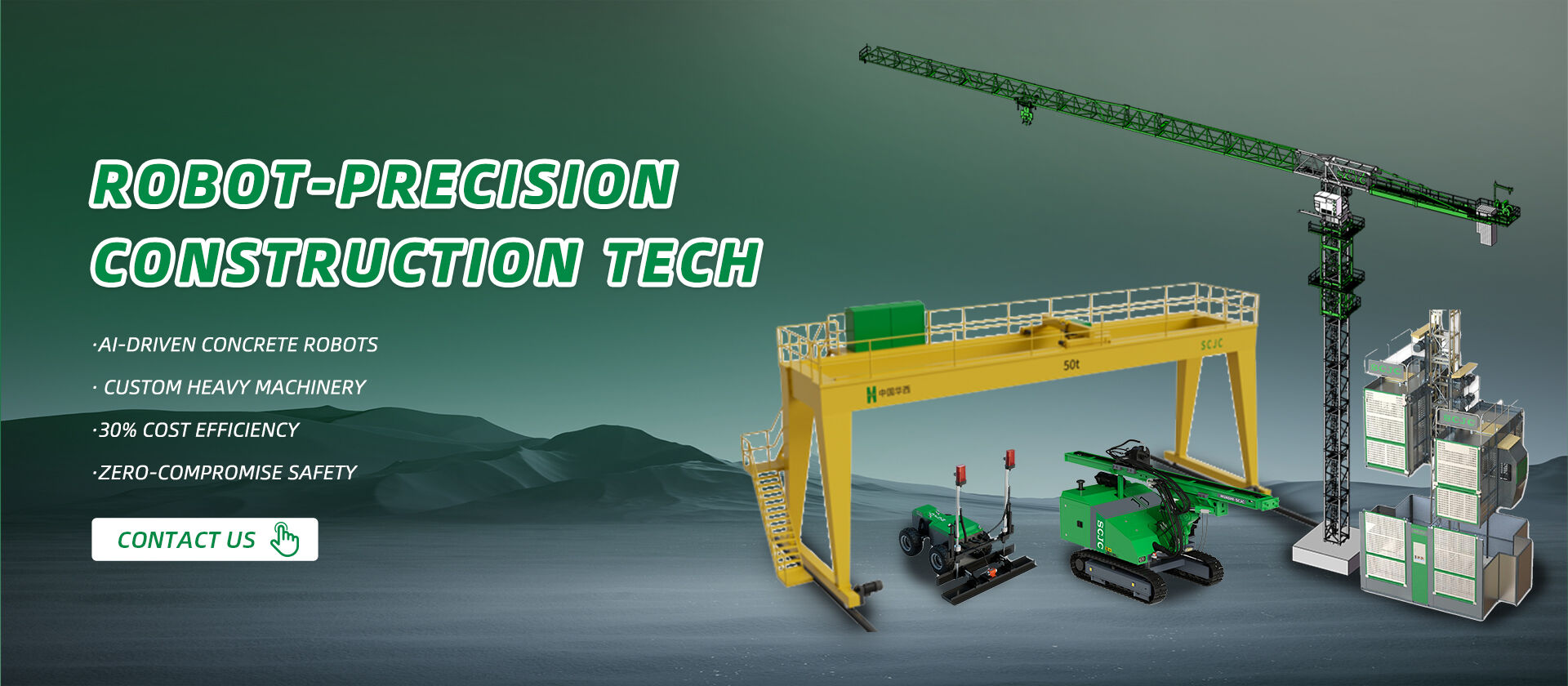
The Importance of Construction Hoisting: Why It's a Critical Element in Modern Construction
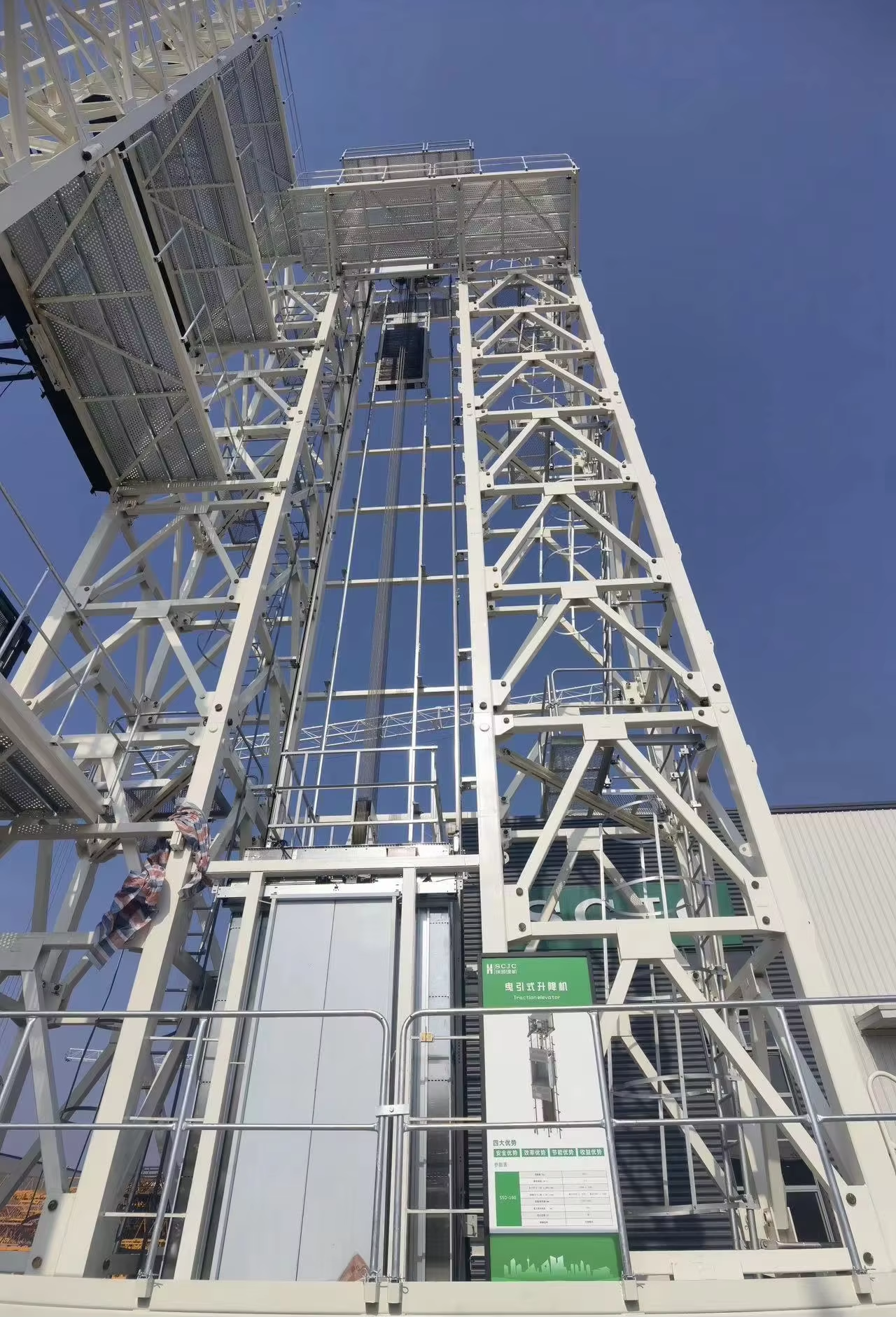
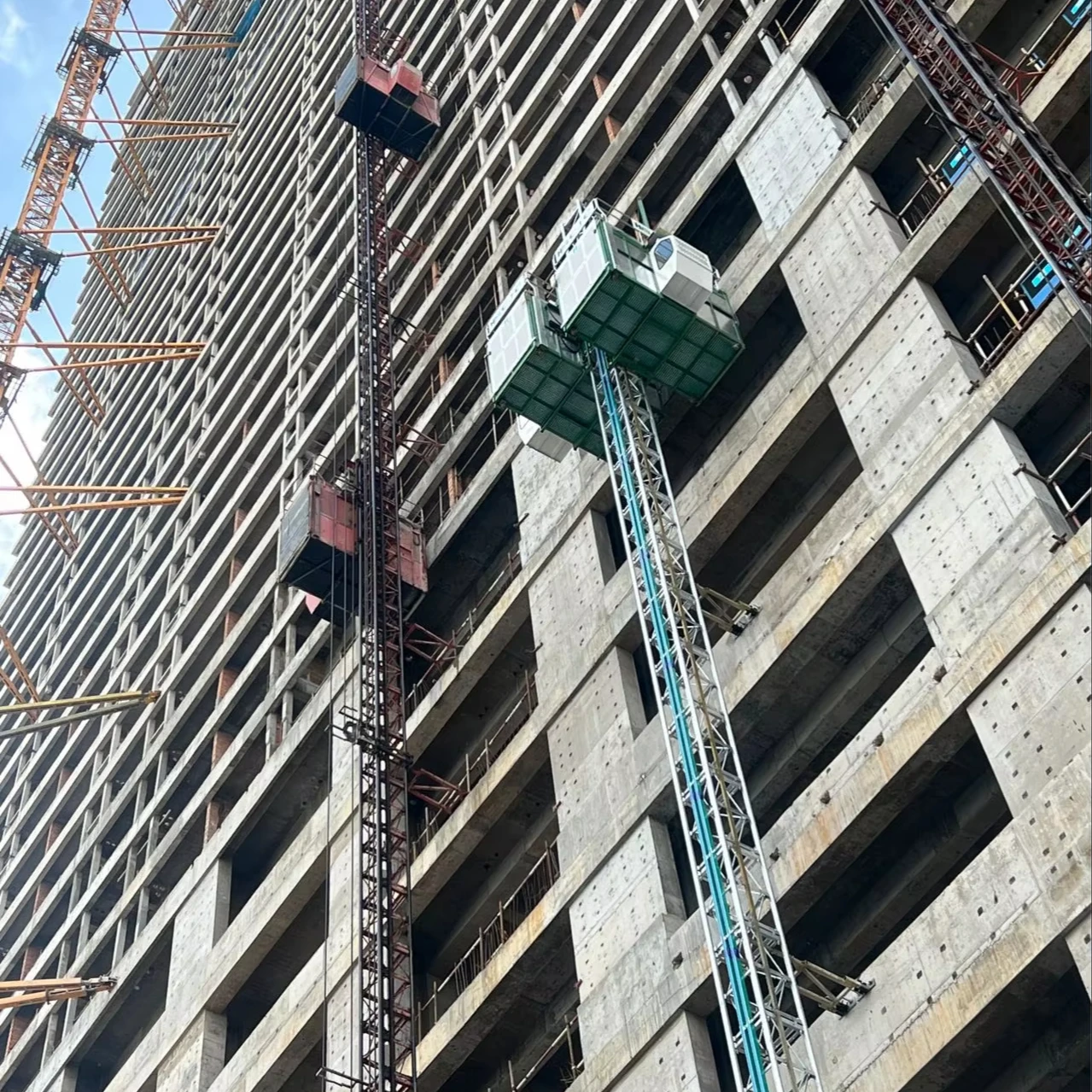
In modern construction projects, hoisting serves as the core technical method for vertical transportation, playing a vital role across all types of projects—from low-rise residential buildings to super-tall commercial complexes. Simply put, construction hoisting refers to the process of safely and efficiently transporting personnel, building materials, and construction equipment vertically to different floors using specialized machinery such as construction elevators, material hoists, and climbing work platforms. Particularly in urban high-rise buildings and complex infrastructure projects, hoisting systems are not only essential for boosting construction efficiency but also critical for ensuring worker safety and controlling project costs.
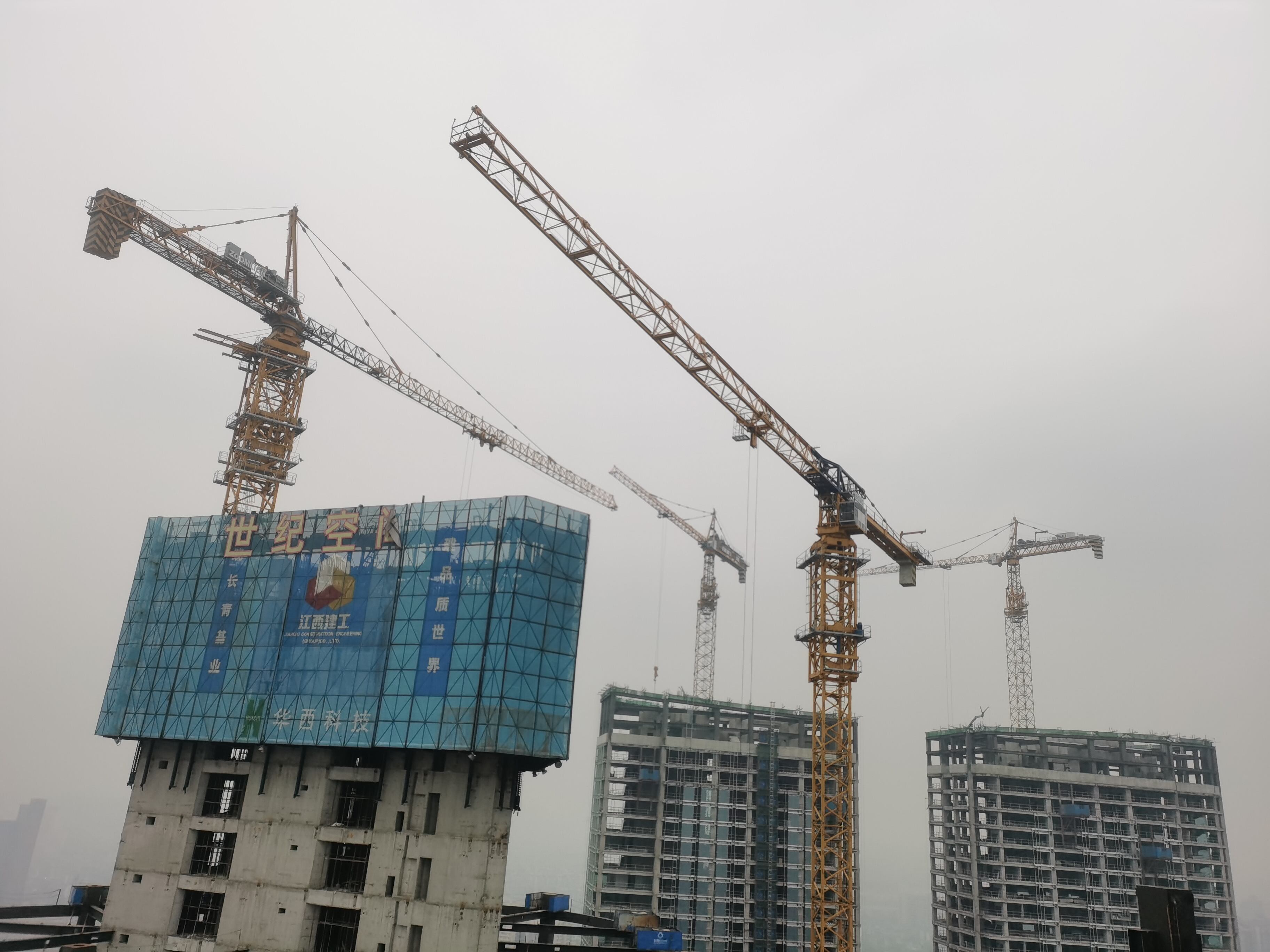
First, construction hoisting significantly advances the development and construction of high-rise and high-density buildings. As urbanization accelerates, more structures are expanding skyward, rendering traditional manual labor or ground-level horizontal transport inadequate for high-altitude operations. Hoisting equipment rapidly and reliably delivers workers and materials to work surfaces dozens or even hundreds of meters above ground, enabling simultaneous construction across multiple floors and effectively accelerating overall project timelines. For super-tall structures, achieving expected construction efficiency and safety standards is virtually impossible without an efficient hoisting system.
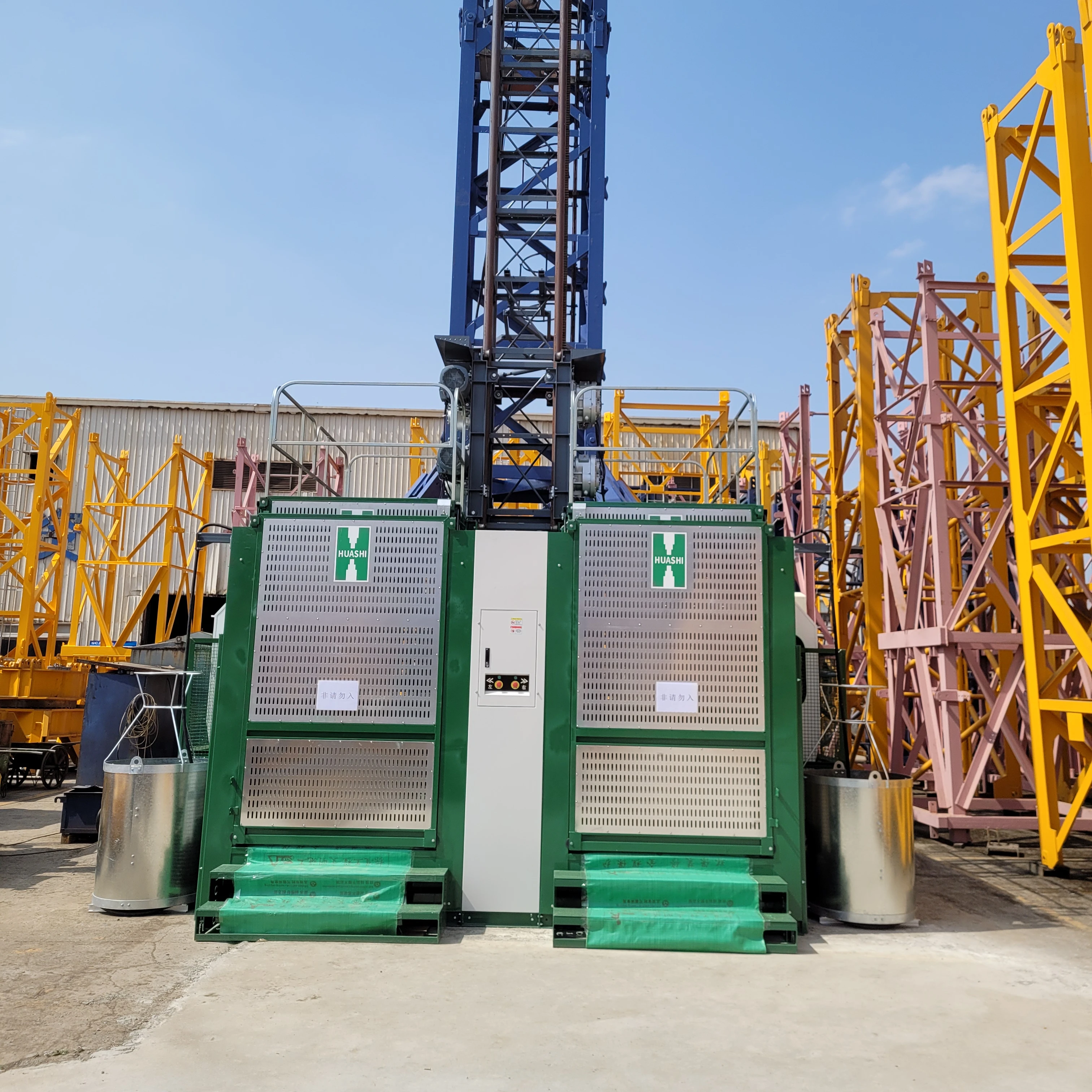
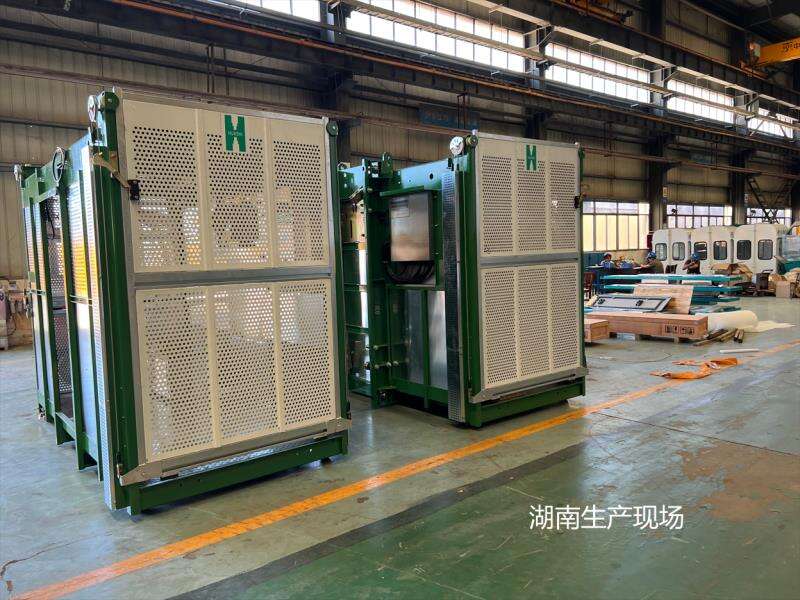
Second, construction hoisting plays an irreplaceable role in enhancing construction safety and operational efficiency. By utilizing enclosed hoisting cages, anti-slip platforms, and electric control systems, hoisting equipment significantly reduces common construction risks like falls from height and heavy object slippage, providing workers with a relatively secure vertical mobility environment. Simultaneously, hoisting systems reduce the need for manual heavy lifting, not only decreasing labor intensity but also preventing work-related injuries caused by improper handling. Furthermore, hoisting operations are typically faster and less susceptible to external factors like weather, helping maintain a steady construction pace and thereby boosting overall operational efficiency.
Moreover, hoisting systems offer significant advantages in boosting construction efficiency and reducing project costs. By swiftly transporting building materials and personnel, hoisting equipment eliminates waiting times, enabling seamless coordination between trades across different floors and shortening project timelines. Simultaneously, mechanized operations reduce reliance on large labor forces, lowering labor costs. Crucially, hoisting systems minimize material damage caused by improper manual handling, further conserving project budgets. Long-term, while initial equipment investment may be substantial, the resulting efficiency gains and risk reduction yield considerable cost savings throughout the project lifecycle.
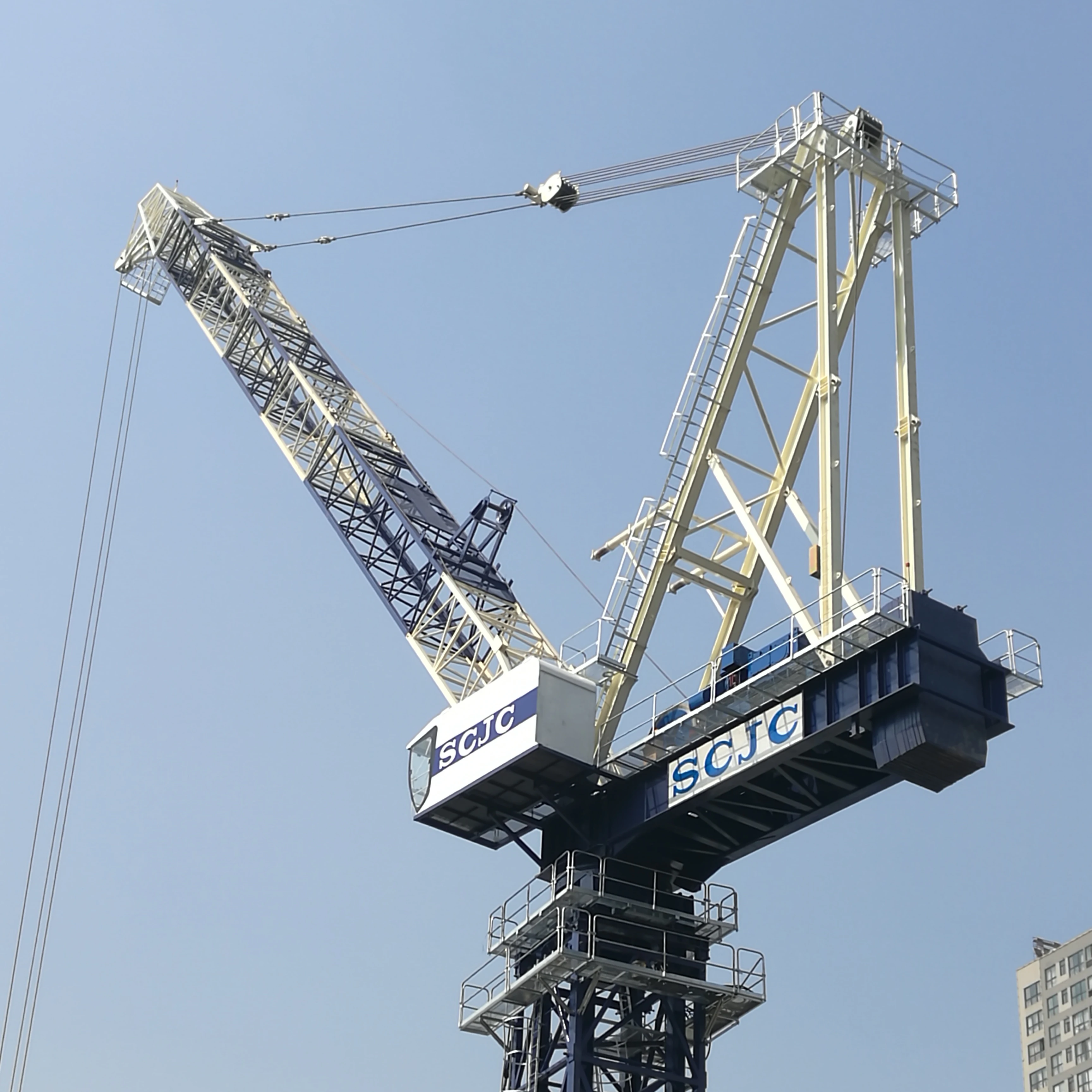
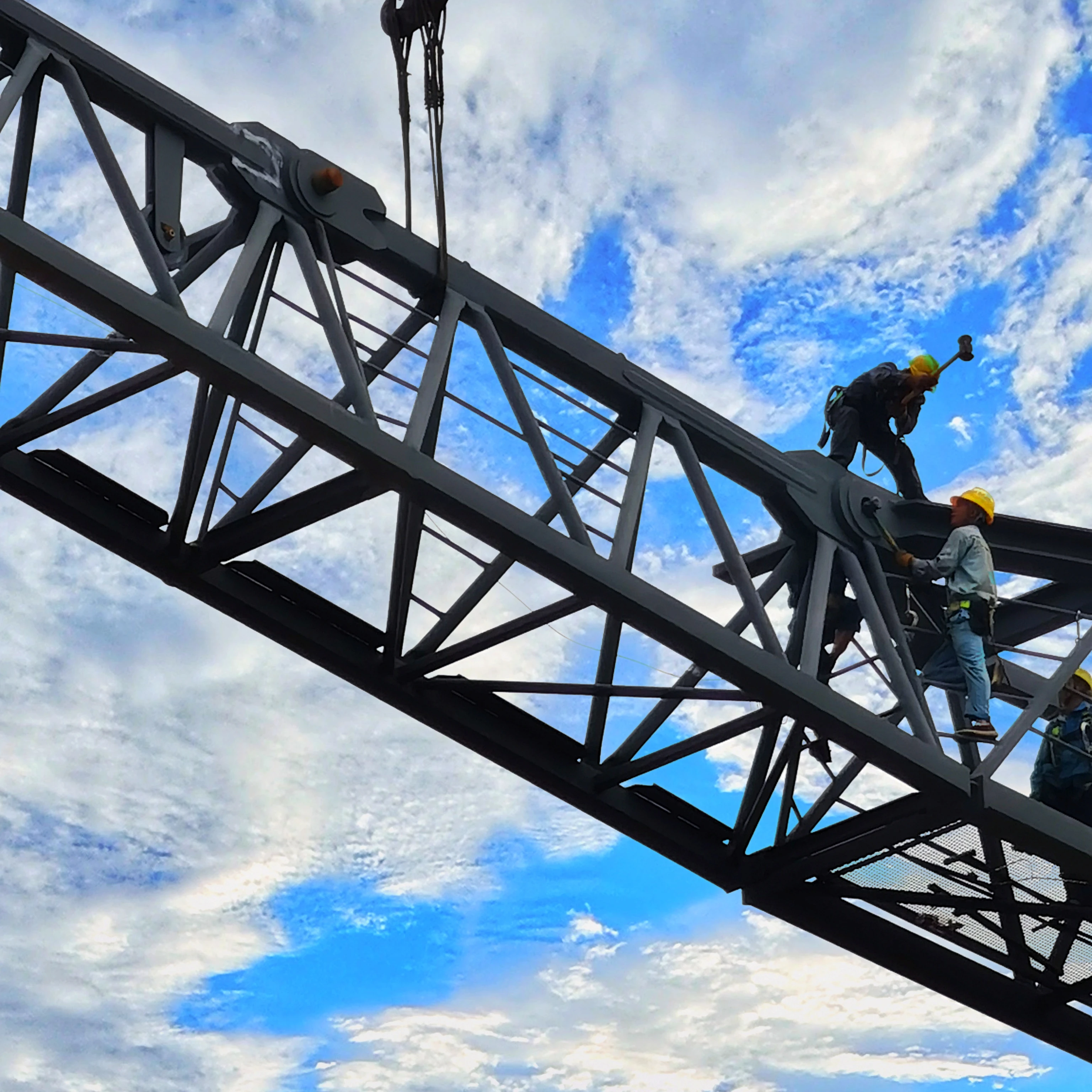
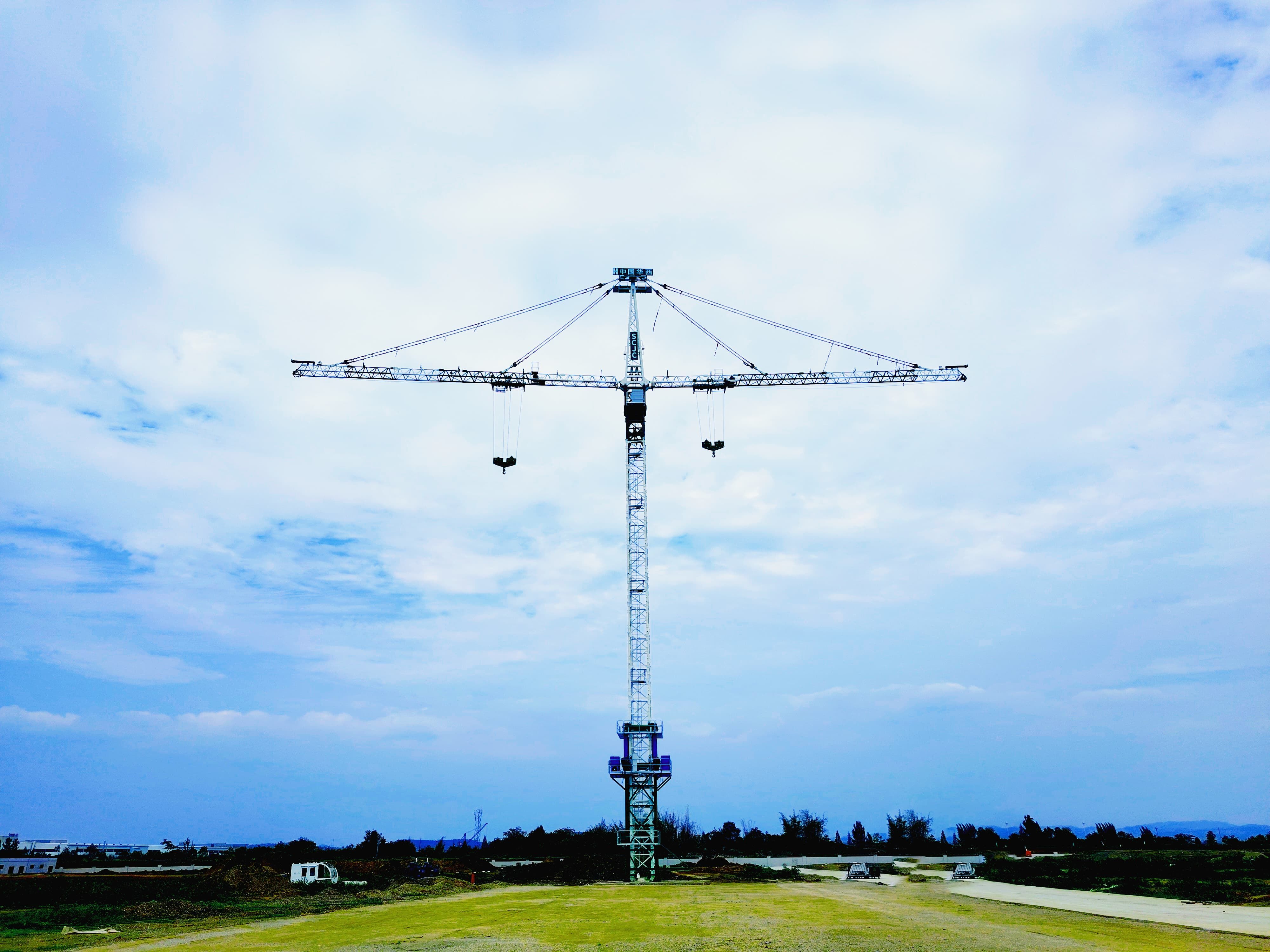
Construction hoisting also offers exceptional adaptability and flexibility, allowing selection of appropriate hoisting types based on project requirements. For instance: material hoists specialize in vertical transport of bulk construction materials; climbing work platforms are widely used for high-altitude operations like curtain wall installation and exterior wall maintenance; while tower cranes with lifting attachments handle heavy-duty tasks involving large-tonnage materials such as steel structures and concrete components. This diversity of lifting solutions makes construction hoisting technology applicable to virtually all types of building projects, including residential, commercial, industrial facilities, bridges, tunnels, and public infrastructure.
 EN
EN