The Vital Role of Cavity Elevators in Construction
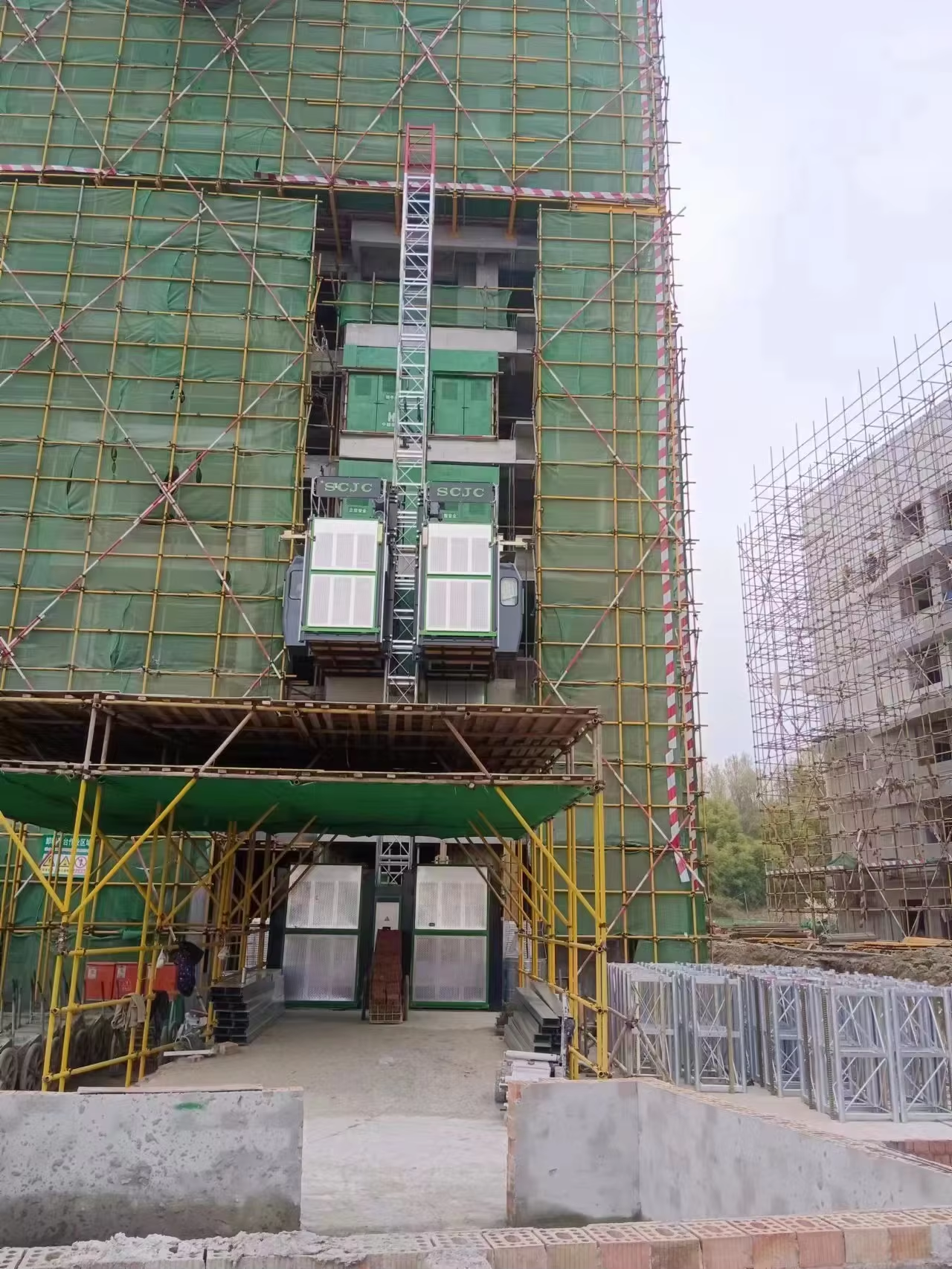
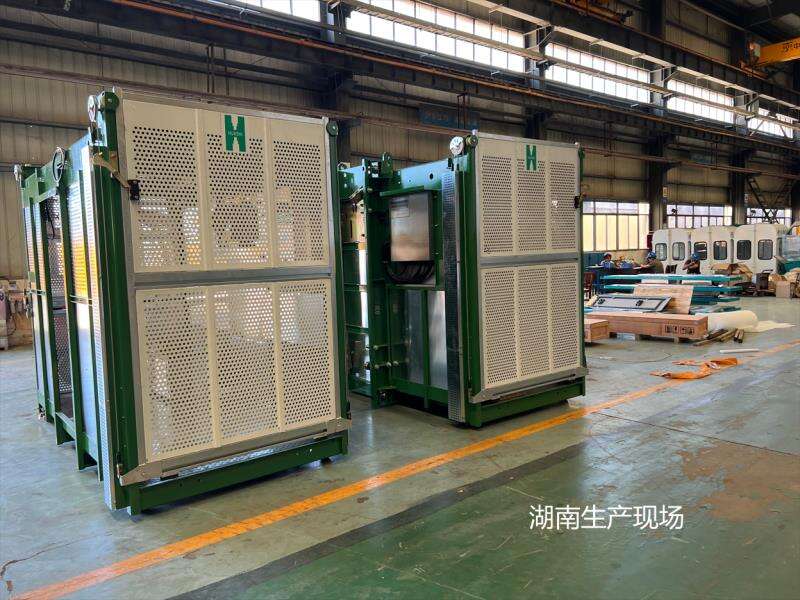
In modern construction engineering, cavity elevators (also known as construction hoists) have become the core vertical transportation equipment supporting efficient and safe operations. Their importance spans the entire construction process of various projects, including skyscrapers, bridges, tunnels, and large industrial plants. Compared to traditional methods relying on scaffolding, manual handling, or rudimentary hoisting, cavity elevators leverage their systematic design to play an irreplaceable role in enhancing construction efficiency, ensuring personnel and material safety, optimizing cost control, and adapting to complex engineering demands.
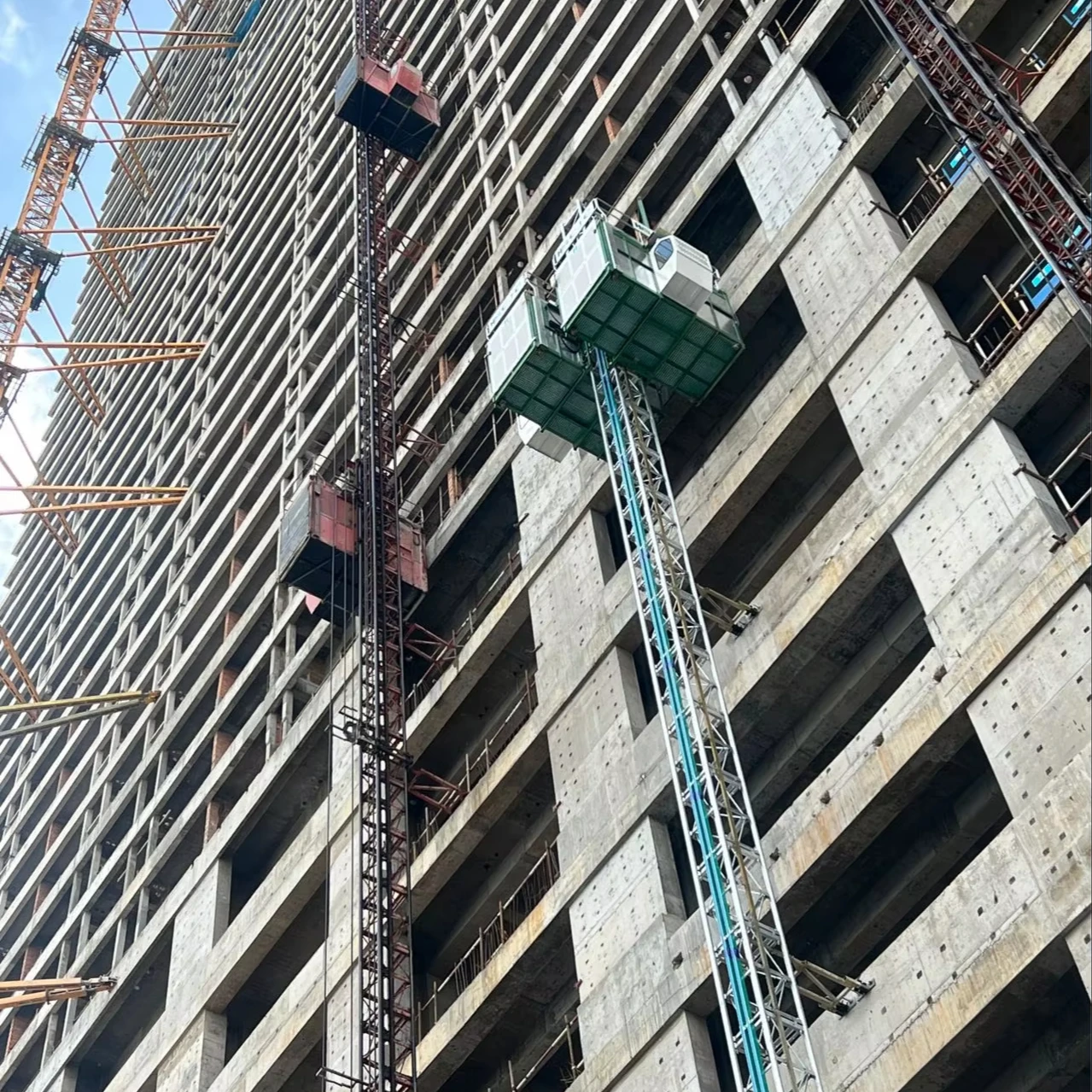
In terms of vertical transportation efficiency, cavity elevators are the key solution to the vertical transport challenges of materials and personnel in high-rise buildings. In projects spanning dozens of floors, traditional methods require significant time to transport materials like rebar, concrete components, and machinery via staircases or temporary transport channels. Cavity elevators, however, utilize an electrically powered standardized car system to rapidly deliver workers and materials directly to designated floors—typically operating at speeds ranging from 36 to 96 meters per minute (depending on model). with each trip handling loads ranging from hundreds of kilograms to several tons, drastically shortening material turnover cycles. For instance, during the core筒 construction phase of super-tall buildings, shaftless elevators ensure uninterrupted material supply for continuous operations like concrete pouring and steel structure installation, directly boosting overall construction progress by 20%-30%.
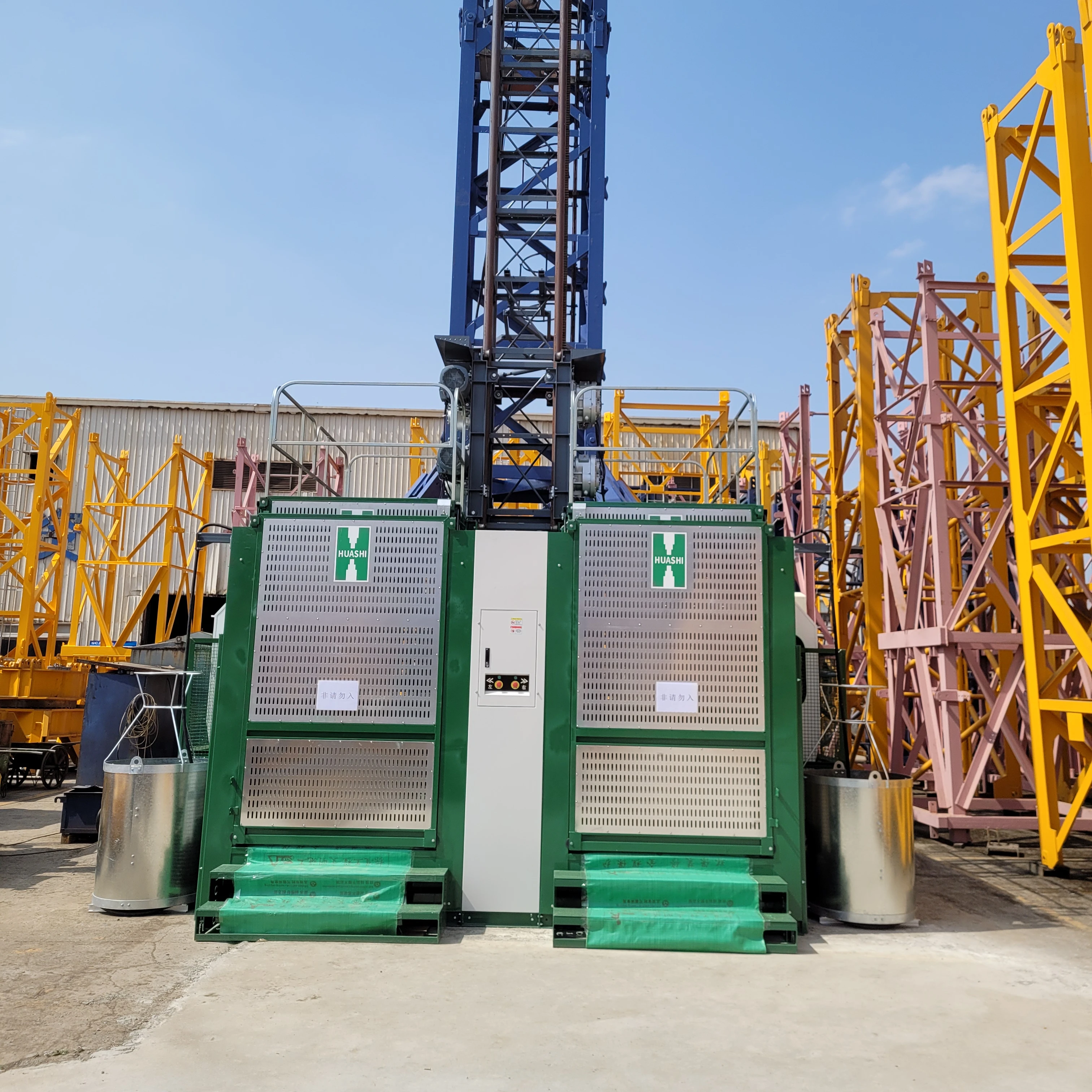
Safety performance represents another core value of cavity elevators. Accidents like falls from heights and material slippage account for a high proportion of construction site incidents. Cavity elevators minimize these risks through multiple protective mechanisms: Standard configurations include fall arresters (automatically braking upon wire rope failure), overload detection devices (preventing operation beyond rated capacity), enclosed steel cabins (shielding personnel and materials from external exposure), emergency stop buttons, and lightning protection grounding systems. Premium models further incorporate tilt sensors, real-time operational monitoring modules, and even remote fault diagnosis capabilities. This layered technology significantly reduces accident probabilities caused by human error or environmental changes, providing workers with safety comparable to enclosed elevators. Statistics show that projects using cavity elevators as specified can reduce vertical transport accident rates by over 60%.
From an economic perspective, while cavity elevators require upfront equipment investment, they effectively control overall costs in the long term. On one hand, their automated transport capability reduces manual handling requirements by at least 30% (e.g., materials previously requiring five workers to coordinate can now be transported in a single elevator trip), lowering labor expenses. On the other hand, their efficient transport rhythm prevents work stoppages caused by material delays (e.g., concrete must reach pouring points before initial setting), reducing hidden costs from project delays. For super-tall projects (such as landmark buildings over 300 meters), cavity elevators represent the only economical solution that balances efficiency and safety. Relying on tower cranes for auxiliary transport not only limits single-lift capacity (typically just a few tons) but also requires coordinating schedules with other hoisting tasks. Cavity elevators, however, can operate independently around the clock, ultimately delivering lower overall costs.
 EN
EN