Room 1905, Block D, Jinniu Wanda SOHO, Jinniu District, Chengdu City, Sichuan Province +86-18884139528 [email protected]
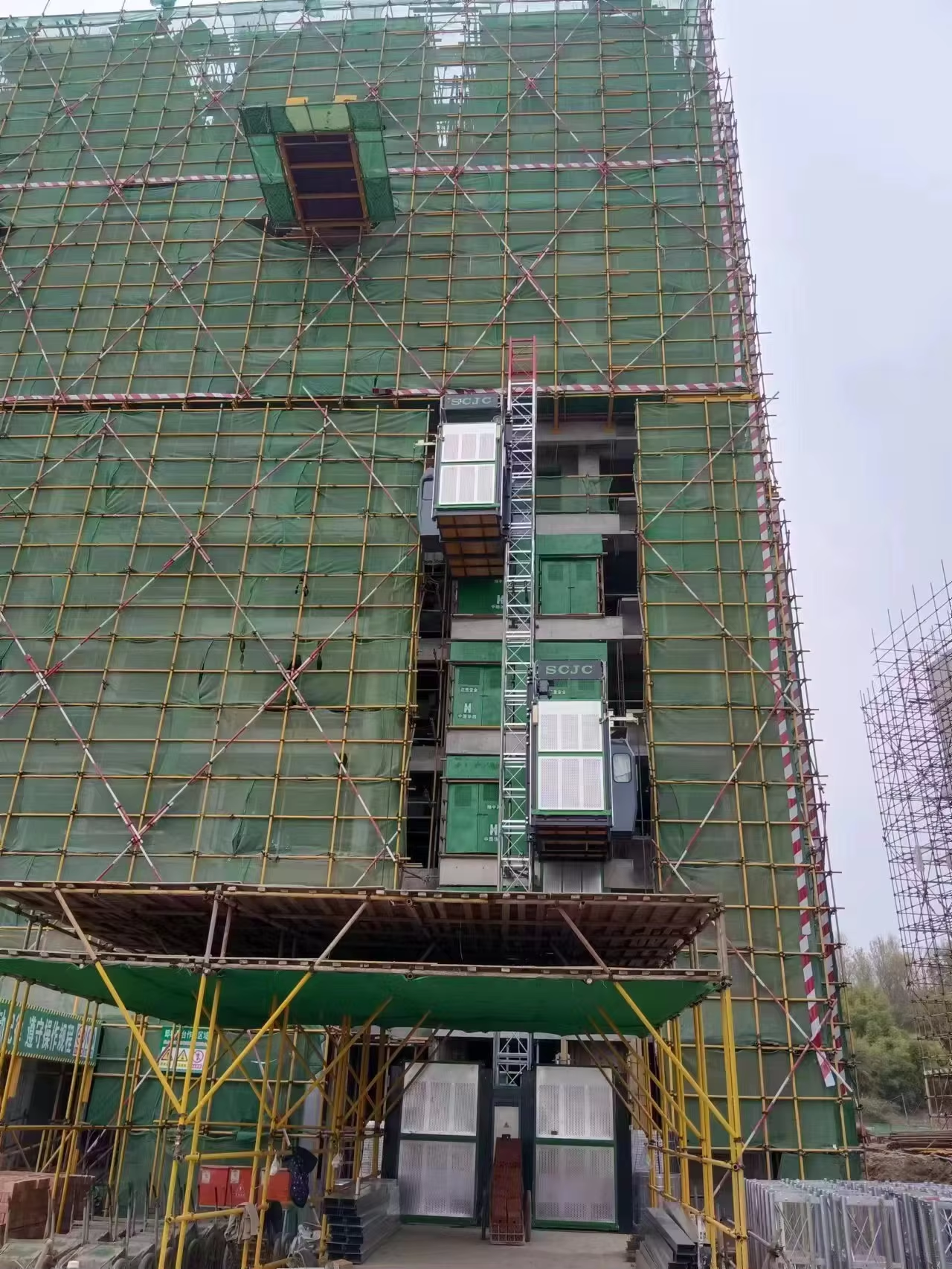
In the contemporary construction industry, aerial work platforms have become essential equipment for efficient construction—not only solving vertical transportation challenges but also serving as indispensable “vertical arteries” in high-rise construction, industrial projects, and infrastructure engineering through their multiple advantages in safety, efficiency, and adaptability. As building heights continue to rise and construction scenarios grow increasingly complex, their importance becomes ever more prominent.
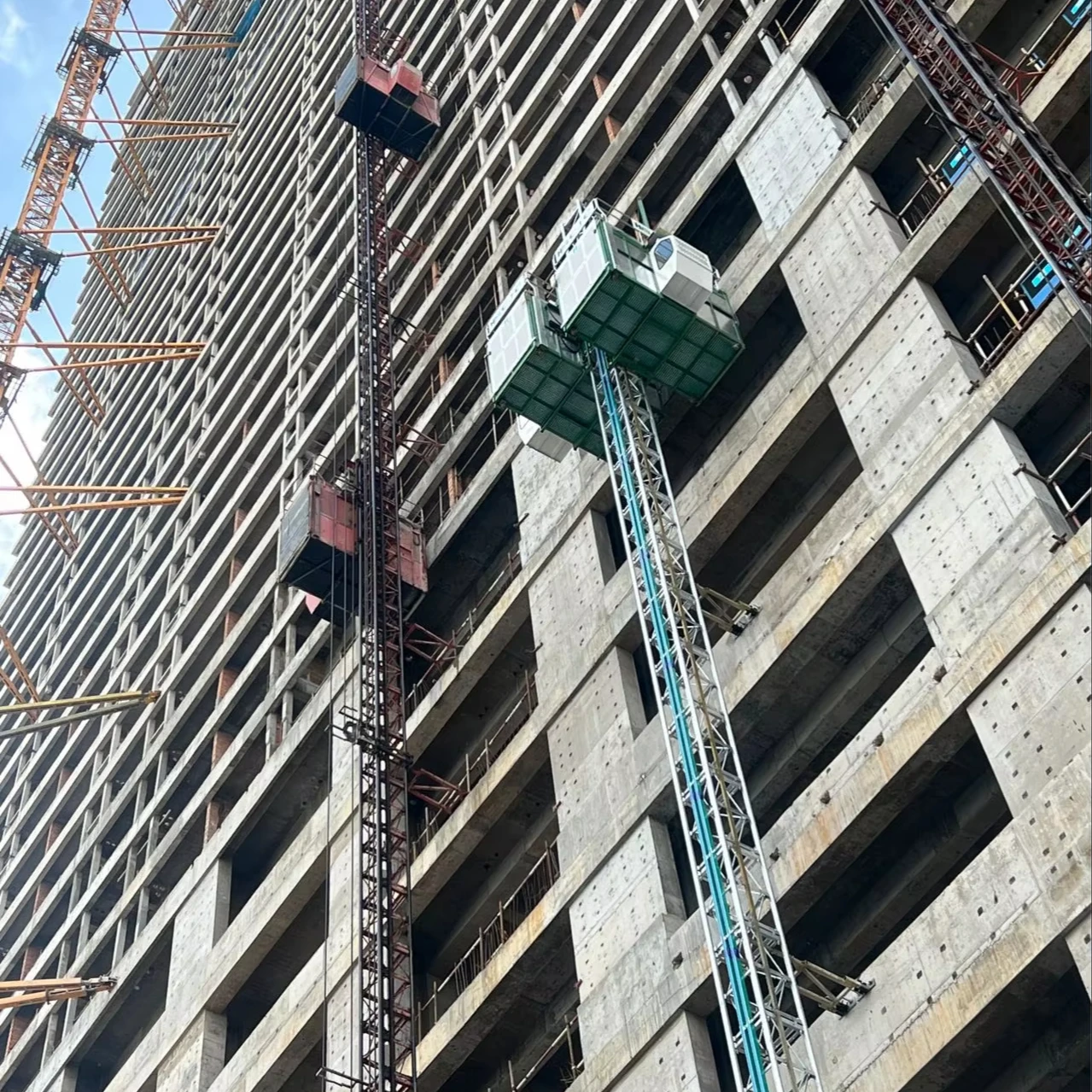
From the most fundamental perspective of “vertical transportation,” aerial work platforms have overcome the limitations of traditional manual handling or crane operations. Whether for super-tall residential towers and commercial complexes reaching 450 meters or bridge pier construction spanning rivers, these lifts leverage their formidable lifting capacity (with some models covering maximum working heights of 450 meters) to precisely deliver heavy construction materials like rebar, precast concrete components, and scaffolding to designated floors, significantly reducing material turnaround time. Compared to traditional methods relying on tower cranes for piece-by-piece hoisting, their continuous and stable transport ensures seamless coordination between construction phases across floors, effectively preventing project delays caused by material supply bottlenecks. For high-rise projects requiring frequent vertical material transport, this advantage directly translates into accelerated overall progress.
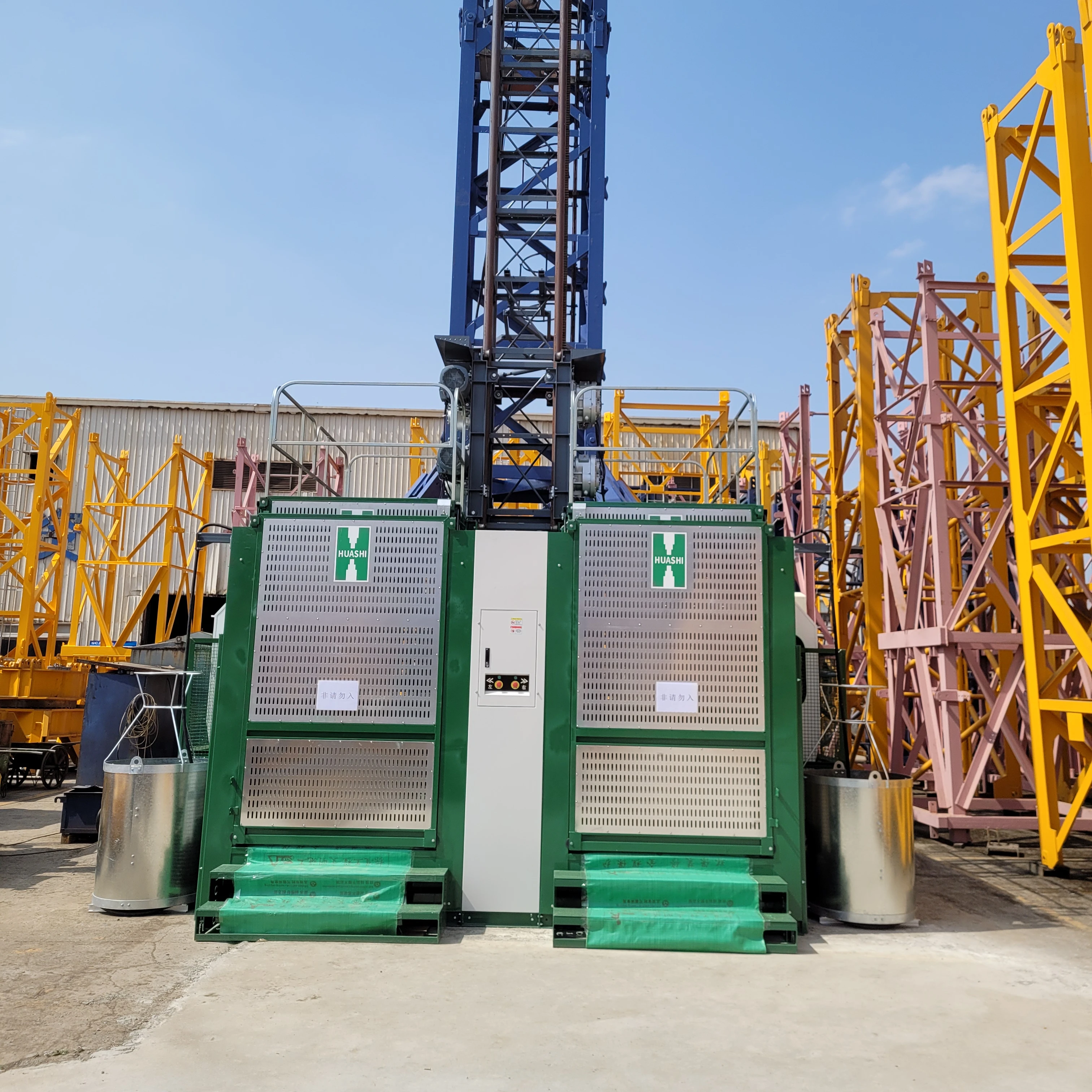
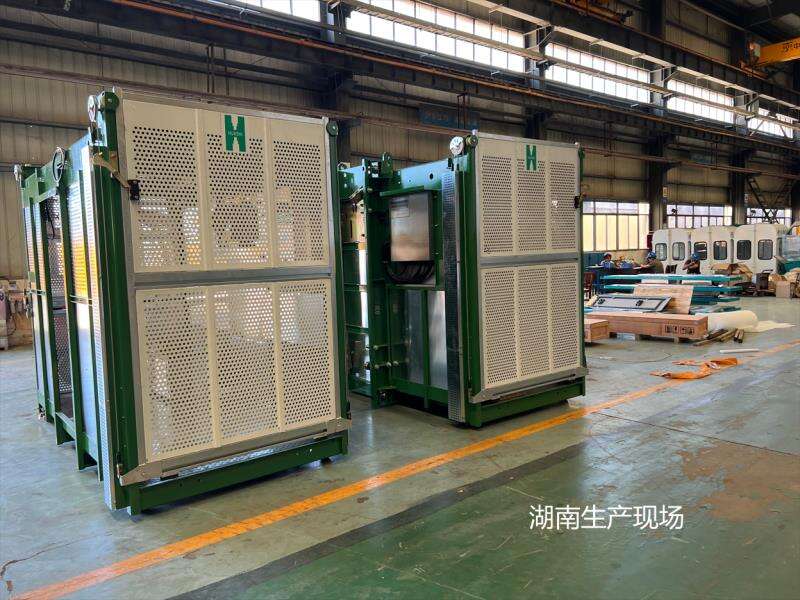
Safety performance represents another core value of aerial work lifts. The construction industry has long faced safety risks such as falling objects and mechanical failures. Modern lifts minimize these hazards through a series of technical measures: equipped with fall arresters, overload protection devices, emergency braking systems, and multi-level locking structures, they have obtained international authoritative safety certifications including CE and ISO. These designs not only prevent accidents caused by operational errors or equipment failures but also enable rapid response in emergencies, ensuring the safety of both operators and building materials. Certain models supporting “dual-purpose” operation for both personnel and cargo allow workers and tools to be transported simultaneously. This reduces waiting time for separate elevator trips while lowering the risks of high-altitude work through enclosed cabins and stable operating systems.
Copyright © Sichuan Huaxi Trading Co., LTD — Privacy Policy