The Importance of Elevator Construction: A Key Factor in Enhancing Building Functionality and Quality of Life
In the development of modern urban architecture and infrastructure, elevator construction has become an indispensable component. With the acceleration of global urbanization and the continuous increase in building heights, elevators are no longer merely vertical transportation tools. They have evolved into core elements that impact building functionality, residents' quality of life, and commercial operational efficiency.
The Significant Role of Elevator Construction in Creating Accessible Environments
The most significant value of elevator construction lies in its contribution to barrier-free environments. By providing convenient vertical transportation solutions, elevators enable seniors, individuals with disabilities, and those with limited mobility to move freely between floors within buildings. In medical facilities, elevators ensure the swift and safe transfer of hospital beds and medical equipment; in residential buildings, particularly those designed for senior living, elevator installation directly impacts residents' quality of life and independence. This principle of barrier-free design not only embodies social inclusivity but has also become a fundamental requirement in modern architectural design.
Driving the Development of Urban High-Rise Buildings
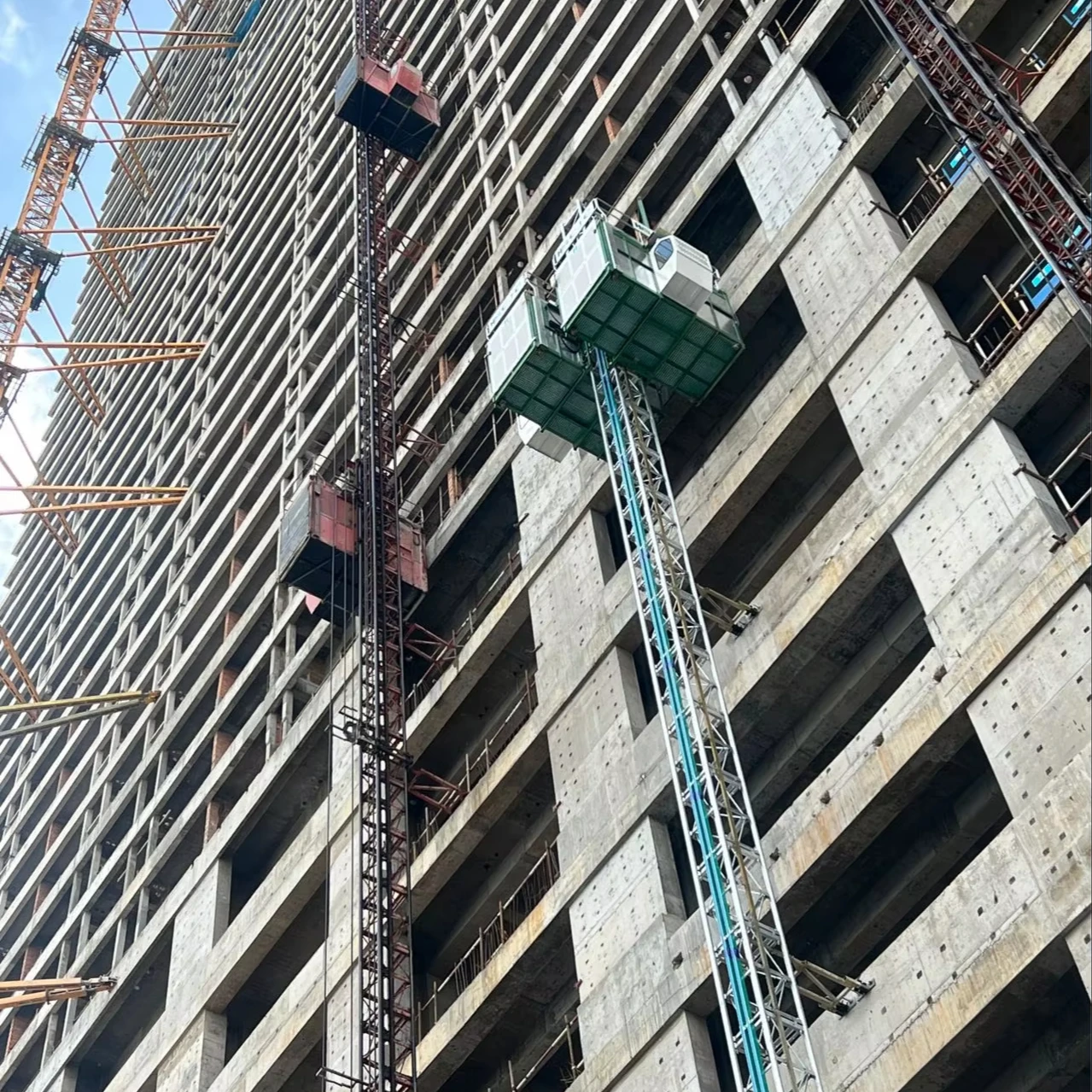
Advancements in elevator technology have directly propelled the formation of modern city skylines. Without reliable elevator systems, high-rise office buildings, residential apartments, and hotels could not fulfill their intended designs. Elevator construction resolves the fundamental vertical transportation challenge in high-rise buildings, enabling architects and urban planners to transcend traditional height limitations. Particularly in land-scarce urban centers, high-rise structures enhance land utilization efficiency through vertical expansion—all built upon professional elevator infrastructure. Furthermore, in emergencies like fires or earthquakes, well-designed elevator systems serve as auxiliary evacuation routes, significantly boosting building safety.
Enhancing Property Value and User Experience
From a commercial perspective, elevator construction directly impacts property value appreciation. Market research indicates buildings equipped with modern elevator systems typically command higher rental rates and sales prices. For commercial tenants, elevators reduce vertical travel time for employees and customers, boosting productivity and satisfaction. In residential settings, elevators provide convenience, especially for households carrying heavy loads or with special needs. More advanced elevator systems optimize wait times through intelligent scheduling algorithms. The application of modern IoT technology can even reduce elevator wait times by over 30%, significantly enhancing the overall user experience.
Safety Compliance and Risk Prevention
Professional elevator construction strictly adheres to international and national safety standards, including GB standards, ISO certification, and EN 81 specifications. These standards cover the entire process from elevator design and manufacturing to installation and maintenance, ensuring each elevator provides the highest level of safety assurance. Modern elevators incorporate multiple safety features such as emergency braking systems, overload detection devices, and fire-resistant cabins. These technologies protect passenger safety during various emergencies. Regular professional maintenance and compliance inspections not only extend elevator lifespan but also effectively prevent accidents, helping building managers mitigate potential legal risks and liability issues.
 EN
EN