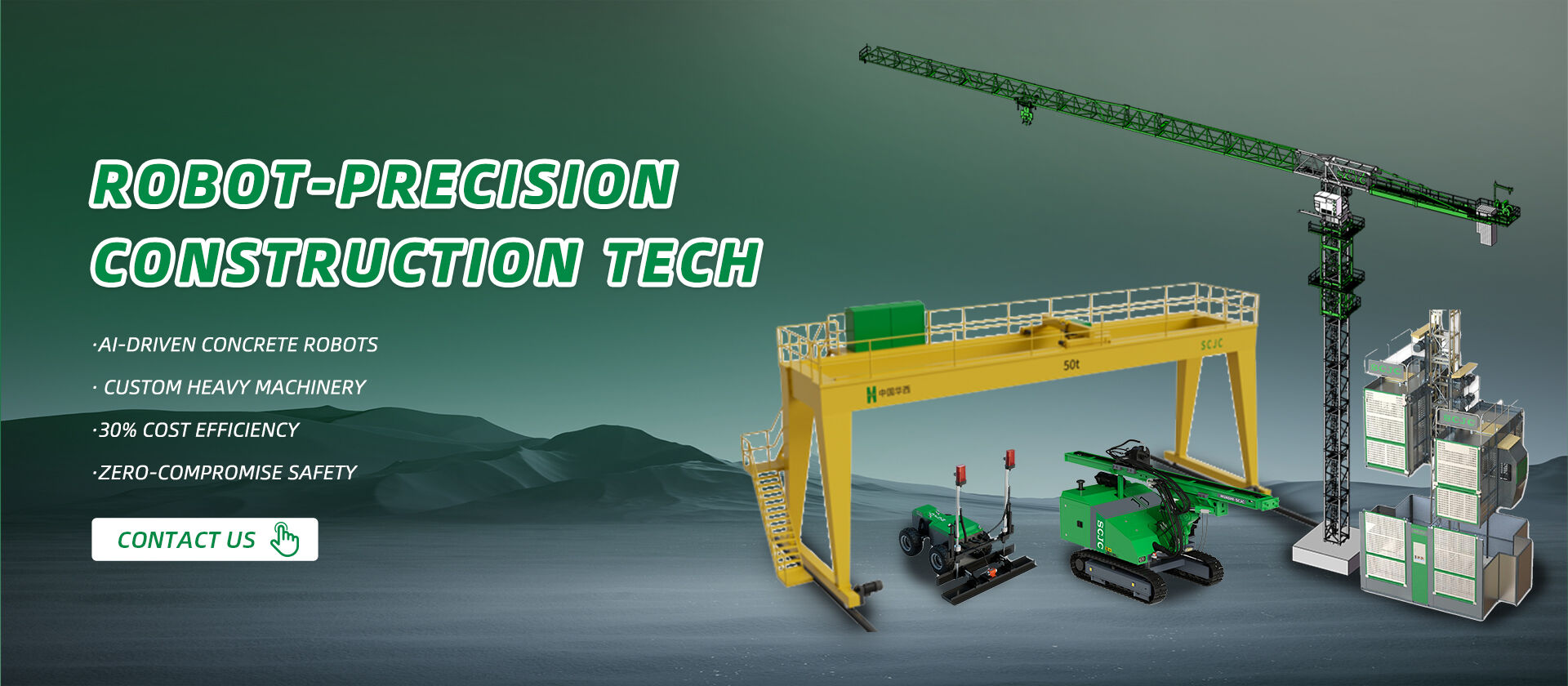
The Importance of Construction Hoists in Modern Buildings
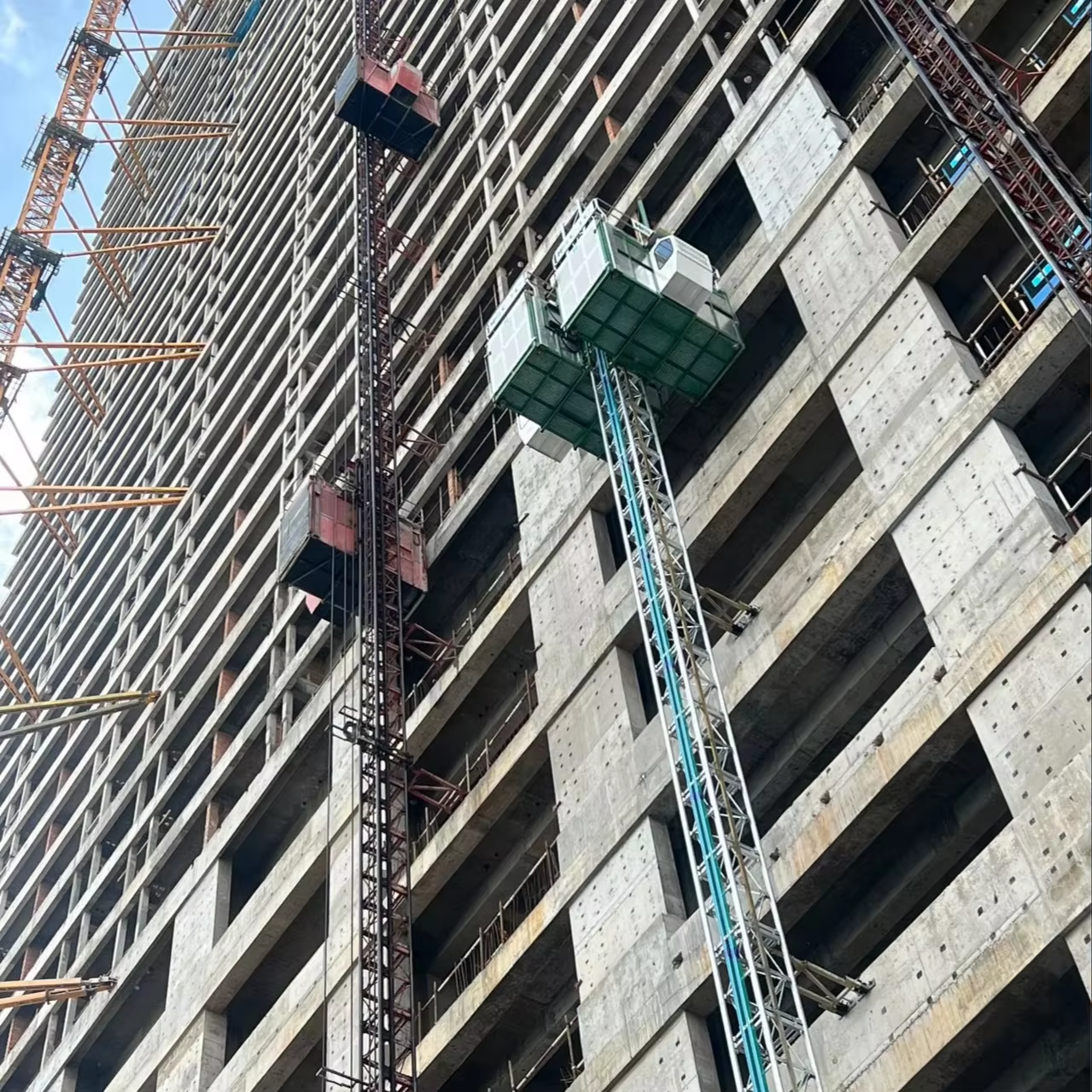
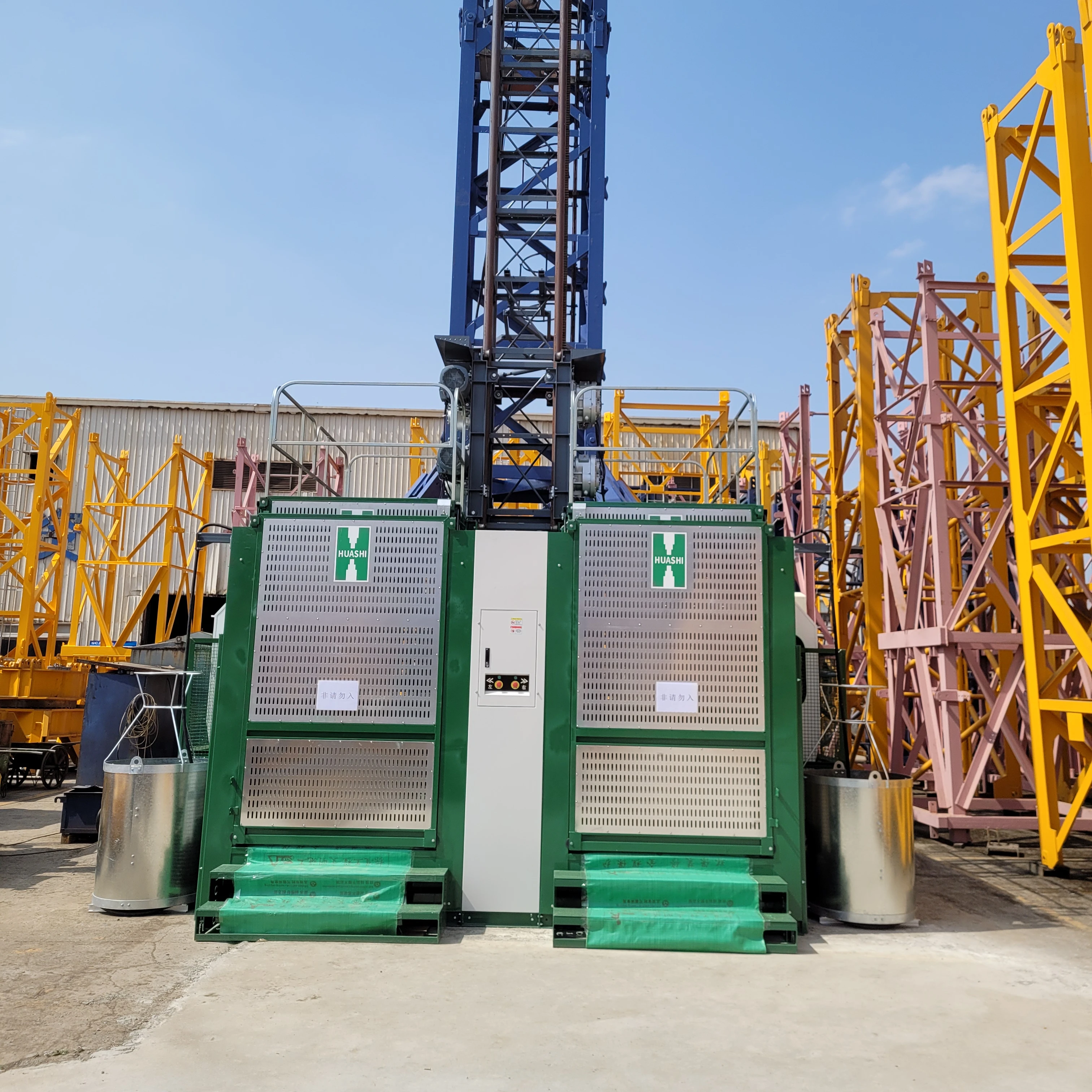
Construction hoists (also known as personnel lifts, material hoists, or construction elevators) are critical equipment in modern construction for safely and efficiently transporting workers, tools, and materials vertically. Their importance lies in their direct impact on construction safety, efficiency, compliance, and project progress, making them indispensable foundational equipment for high-rise and complex projects.
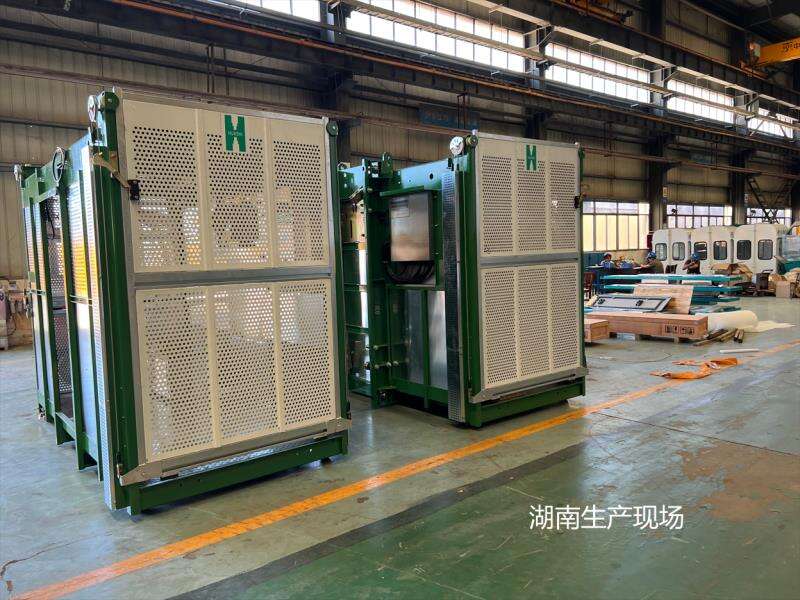
From a safety perspective, traditional vertical transport methods relying on ladders or external scaffolding carry significant risks of falls from heights. Construction hoists, by providing enclosed transport compartments, substantially reduce the incidence of accidents involving personnel and materials during vertical movement. Additionally, their design typically incorporates explicit load-limiting functions, enabling precise control over the weight transported per trip and preventing structural failure or equipment malfunction caused by overloading. Furthermore, many lifts feature enclosed cabins that shield workers and materials from wind, rain, and extreme temperatures, further ensuring stability and safety during transport.
In terms of efficiency and productivity, construction hoists deliver substantial value. Compared to traditional methods relying on stairway transport or crane assistance, hoists enable faster vertical movement of personnel and materials, significantly reducing waiting times during construction. Their continuous operation capability enables uninterrupted transport of materials and workers, preventing workflow disruptions caused by repeated manual handling. This makes them particularly suitable for high-rise construction scenarios requiring frequent vertical transportation. For projects like super-tall buildings, large bridges, or industrial complexes, construction hoists serve as the core tool for maintaining construction continuity during the phase before internal elevators are installed and operational.
From a cost control and compliance management perspective, construction hoists effectively reduce long-term labor costs by minimizing manual handling requirements. More critically, major global safety standards (such as U.S. OSHA regulations) mandate “safe vertical transportation solutions.” As essential, code-compliant equipment, construction hoists not only safeguard worker lives but also serve as a key prerequisite for projects to avoid penalties and pass safety inspections. Furthermore, their versatile adaptability spans residential, commercial, infrastructure, and industrial construction scenarios. A single investment can meet long-term needs across diverse projects, delivering significant economic benefits.
Regarding product types, construction hoists can be categorized by function into personnel-only hoists (primarily transporting workers), material-only hoists (handling heavy loads and equipment), and combined personnel/material hoists. Additionally, while scissor lifts and boom lifts fall outside the traditional “hoist” category, they similarly serve vertical transportation needs, offering users flexible solutions.
 EN
EN