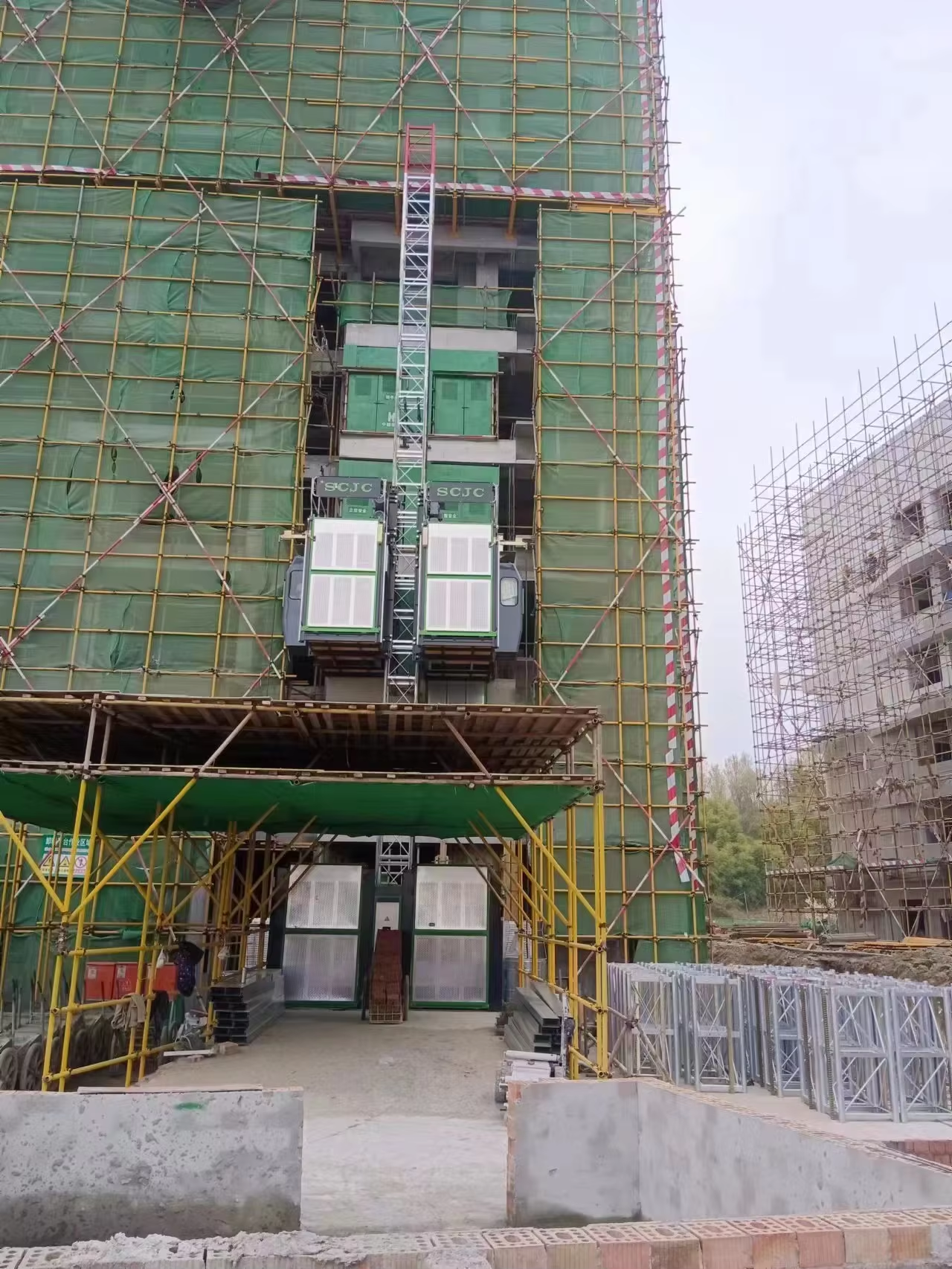
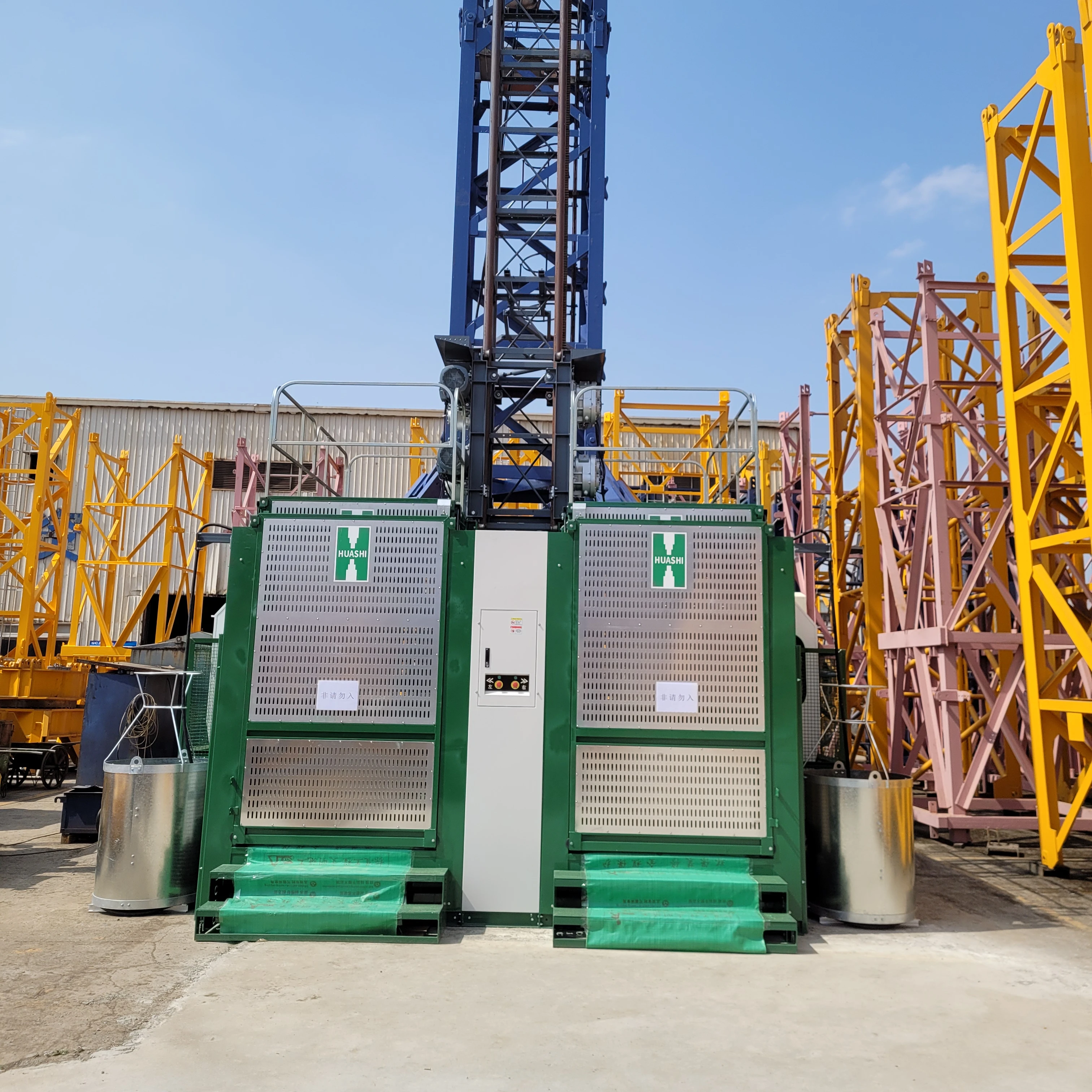
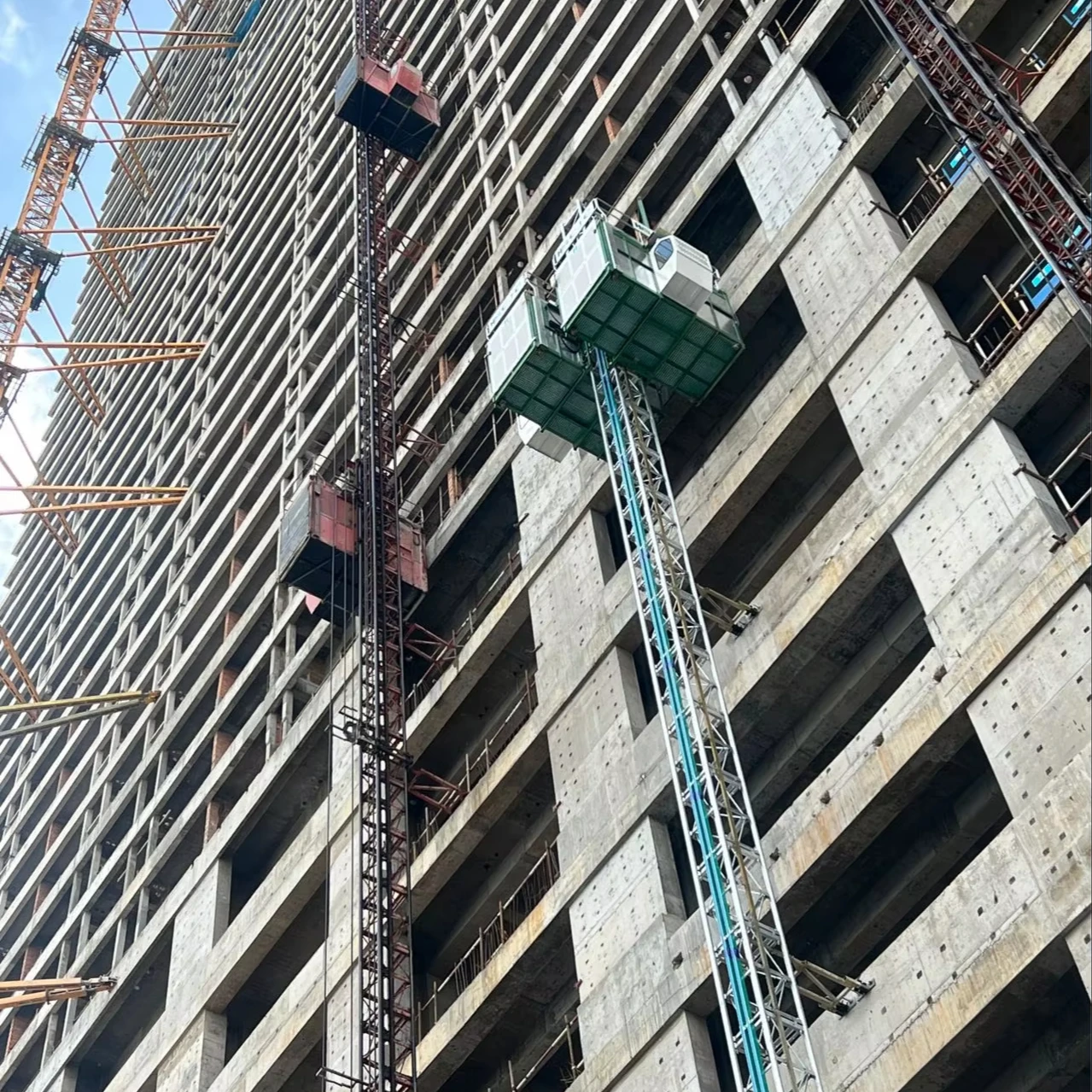
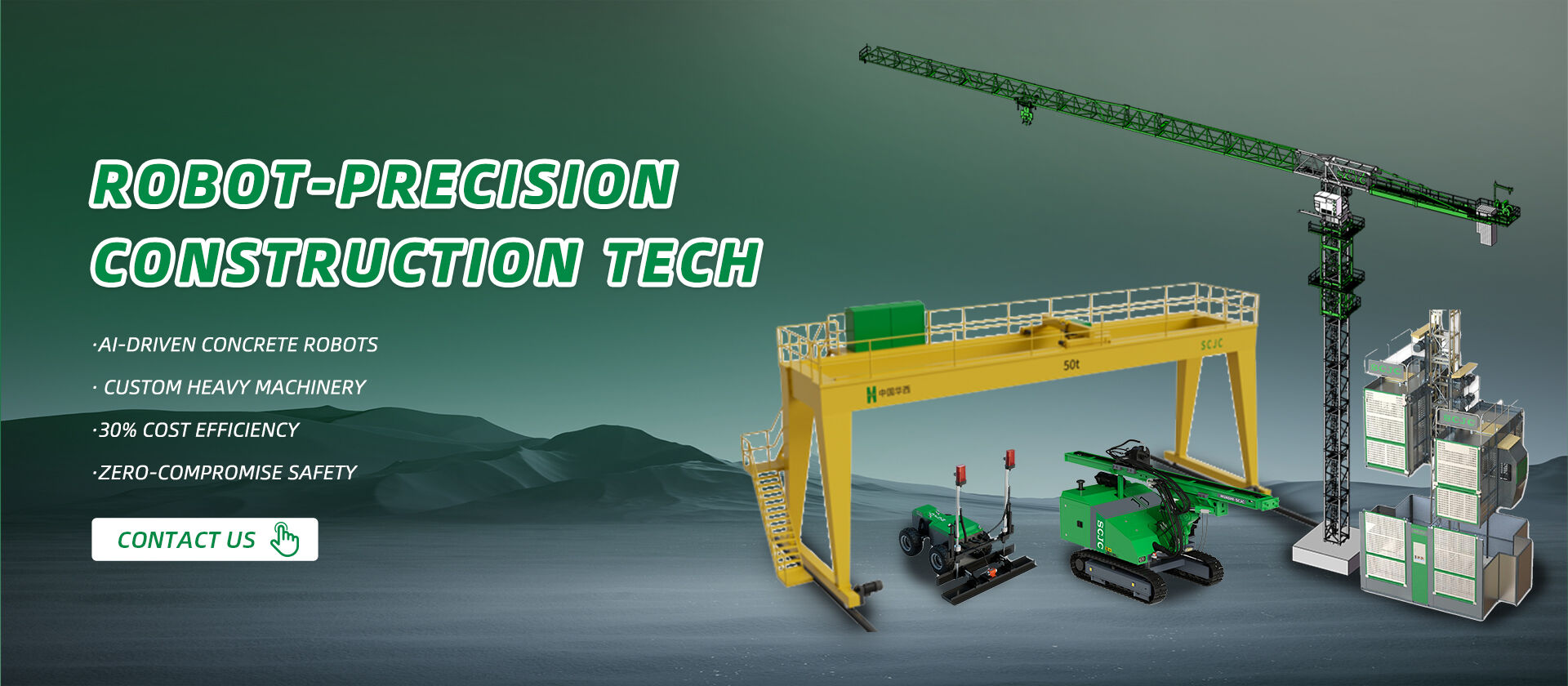
In the construction industry, construction hoists (also known as personnel or material lifts) serve as critical equipment for vertically transporting workers, tools, and materials. Their safe operation directly impacts the lives of personnel on-site and the progress of construction projects. Ensuring stable and reliable performance under various loads and working conditions requires more than routine inspections—this is precisely where the core value of construction hoist testing systems lies.
The paramount significance of the construction hoist testing system lies first and foremost in its ultimate protection of personnel safety. As a common vehicle for high-altitude operations, accidents caused by mechanical failures, brake malfunctions, or overload operations can potentially result in casualties or significant property damage. This testing system employs static load testing (verifying structural stability under rated static load) and dynamic load testing (simulating mechanical responses during actual operation, including acceleration/deceleration and start/stop conditions) to precisely evaluate the hoist's load-bearing capacity, operational smoothness, and the reliability of critical components (such as steel ropes, guide rails, and brakes). It proactively identifies potential failure risks (like brake delays, guide rail misalignment, or motor overheating), eliminating safety accidents caused by equipment failure at the source and providing the most direct life safety assurance for construction personnel.
Compliance is a mandatory prerequisite for construction hoist operation. Globally, stringent regulations—including China's GB standards, international ISO norms, and U.S. OSHA/ASME codes—govern hoist design parameters, testing procedures, and safety certifications. The construction hoist testing system quantifies critical metrics against these standards—including maximum load capacity, brake response time, limit switch sensitivity, and overload protection effectiveness—generating detailed reports with specific numerical data as objective proof of compliance. Whether addressing periodic inspections by government regulators, third-party audits during project acceptance, or internal corporate safety management requirements, this system empowers users to effortlessly meet compliance demands, avoiding work stoppages for rectification or administrative penalties due to missing inspections.
Beyond safety and compliance, the system significantly enhances equipment reliability and service life. Through regular inspections, the construction hoist testing system promptly identifies latent wear issues such as guide rail abrasion, hydraulic oil leaks, brake pad deterioration, and abnormal motor torque. This enables maintenance personnel to adjust schedules proactively (e.g., replacing wear parts early, calibrating brake parameters), preventing minor faults from escalating into major accidents. This “preventive maintenance” model not only reduces construction delays caused by unexpected shutdowns but also lowers overall maintenance costs (regular inspections are more economical than post-failure overhauls), extends the elevator's service life, and achieves full lifecycle cost optimization.
Modern construction elevator testing systems also incorporate intelligent diagnostics, further enhancing inspection efficiency and accuracy. The system uses high-precision sensors to collect real-time data on critical parameters such as load distribution, brake response curves, guide rail alignment deviations, and power voltage fluctuations, automatically generating visual charts and trend analysis reports. Technicians can swiftly pinpoint anomalies without relying on experience-based judgments. For instance, if a dynamic test indicates a braking distance exceeding the standard value by 0.5 meters, the system directly flags potential causes and suggests corrective actions. This significantly reduces troubleshooting time, ensuring the elevator is in optimal condition before each use.
 EN
EN