1. Safety Protection: The Critical Barrier for Reducing Accident Risks
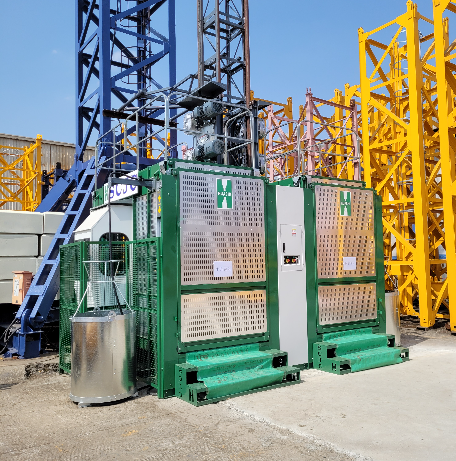
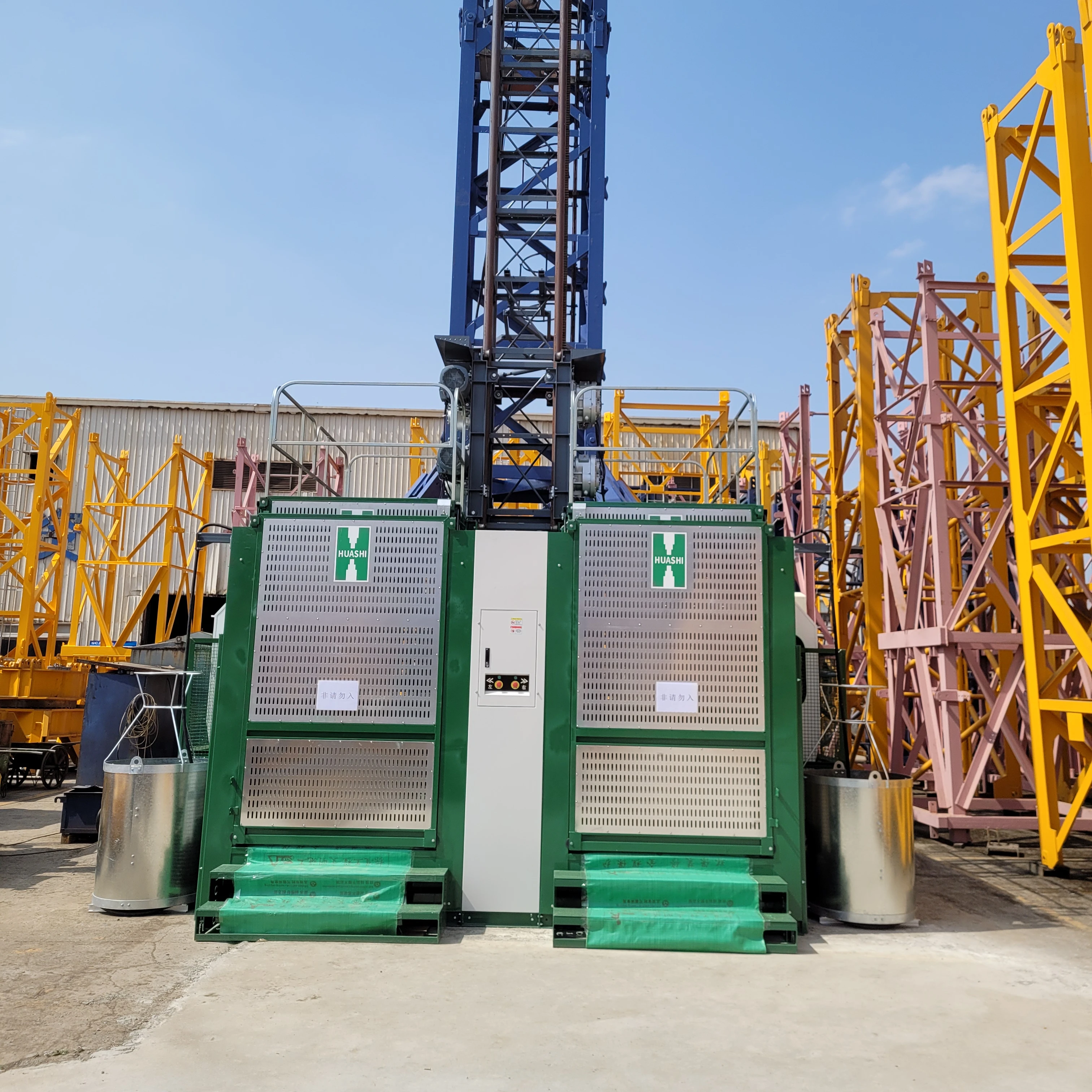
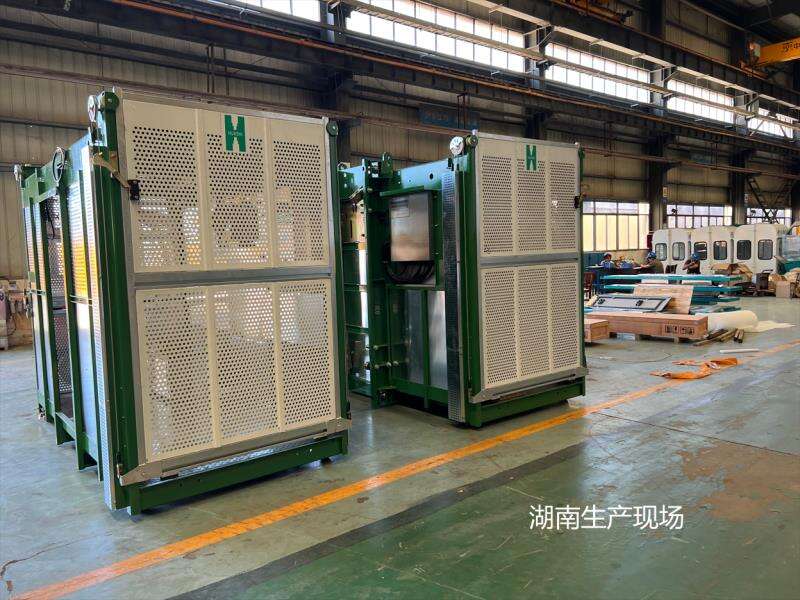
The high-altitude nature of construction environments makes the safety of vertical transport equipment paramount. Construction hoists manufactured by professional producers typically incorporate multiple safety features, including automatic braking systems (preventing free falls), overload sensors (avoiding structural failures due to excessive loads), emergency stop buttons and backup power supplies (ensuring safe landing during sudden power outages), and fully enclosed cabins (protecting personnel from external hazards like weather and falling objects). Leading domestic manufacturers, for instance, rigorously adhere to international safety standards (such as OSHA, ANSI, EN, and ISO requirements) in their products. This design-driven approach reduces workplace accident rates, providing robust safeguards for construction personnel's safety.
2. Efficiency Enhancement: A Core Tool for Accelerating Project Progress
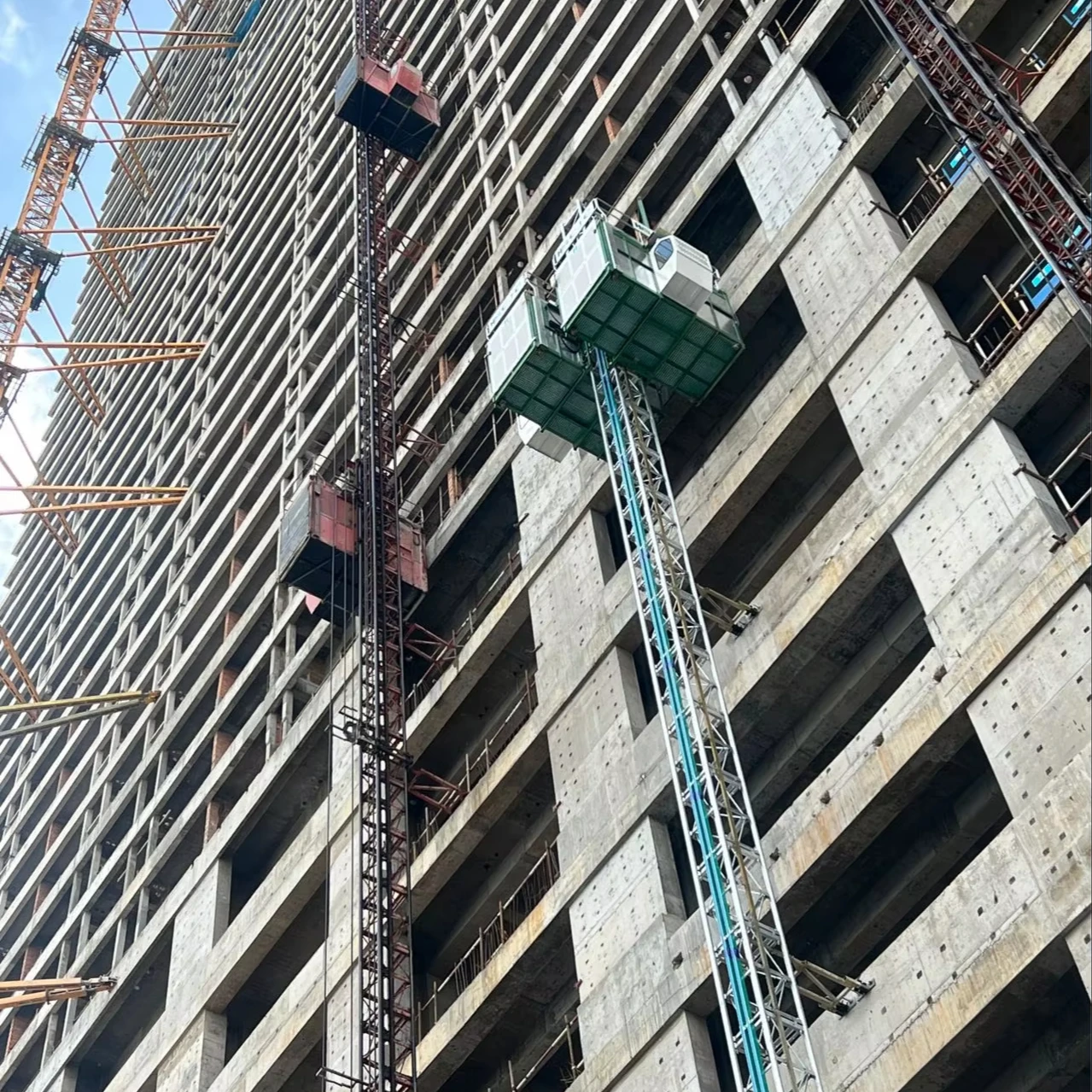
Traditional methods of transporting materials and personnel—relying on stairs, simple scaffolding, or external hoisting—are not only time-consuming and labor-intensive but also frequently disrupt construction rhythms. Professional construction hoists, however, significantly optimize workflows through automated vertical transportation: they reduce reliance on manual handling, lowering labor costs; rapidly deliver heavy materials like rebar, concrete, and machinery to elevated work areas, preventing delays caused by material shortages; and support continuous operation—particularly suited for high-rise projects exceeding 30 stories—helping contractors compress overall project timelines.
3. Adapting to Complex Demands: Flexible Solutions for Challenging Projects
As architectural forms evolve toward super-tall structures (over 300 meters), large spans, and specialized designs, elevator performance requirements grow increasingly stringent. Leading manufacturers offer customized designs, including models with maximum lifting heights exceeding 300 meters, alongside modular structures adaptable to diverse site terrains (e.g., confined spaces, sloped foundations). Some premium models utilize corrosion-resistant steel and weather-resistant coatings to ensure long-term stable operation in high-temperature, humid, or windy/dusty environments. Additionally, to address differentiated needs like “mixed passenger/cargo transport” or “pure material haulage,” manufacturers offer specialized passenger elevators and heavy-duty material hoists (with single-load capacities up to 3,000 kg), meeting diverse vertical transportation demands across construction scenarios.
4. Long-Term Economic Efficiency: A Reliable Investment Reducing Overall Costs
While premium construction hoists may have higher initial procurement costs than standard equipment, their cost-effectiveness becomes evident over the entire lifecycle: On one hand, low-maintenance designs (such as wear-resistant transmission components and easily disassembled inspection structures) reduce downtime for repairs; On the other hand, energy-efficient motors and high-performance hydraulic systems lower daily energy consumption. More importantly, reputable manufacturers typically provide global spare parts supply and after-sales technical support, ensuring equipment maintains high efficiency throughout its operational lifespan. This prevents project delays and secondary procurement costs caused by equipment failures.
 EN
EN