 EN
EN

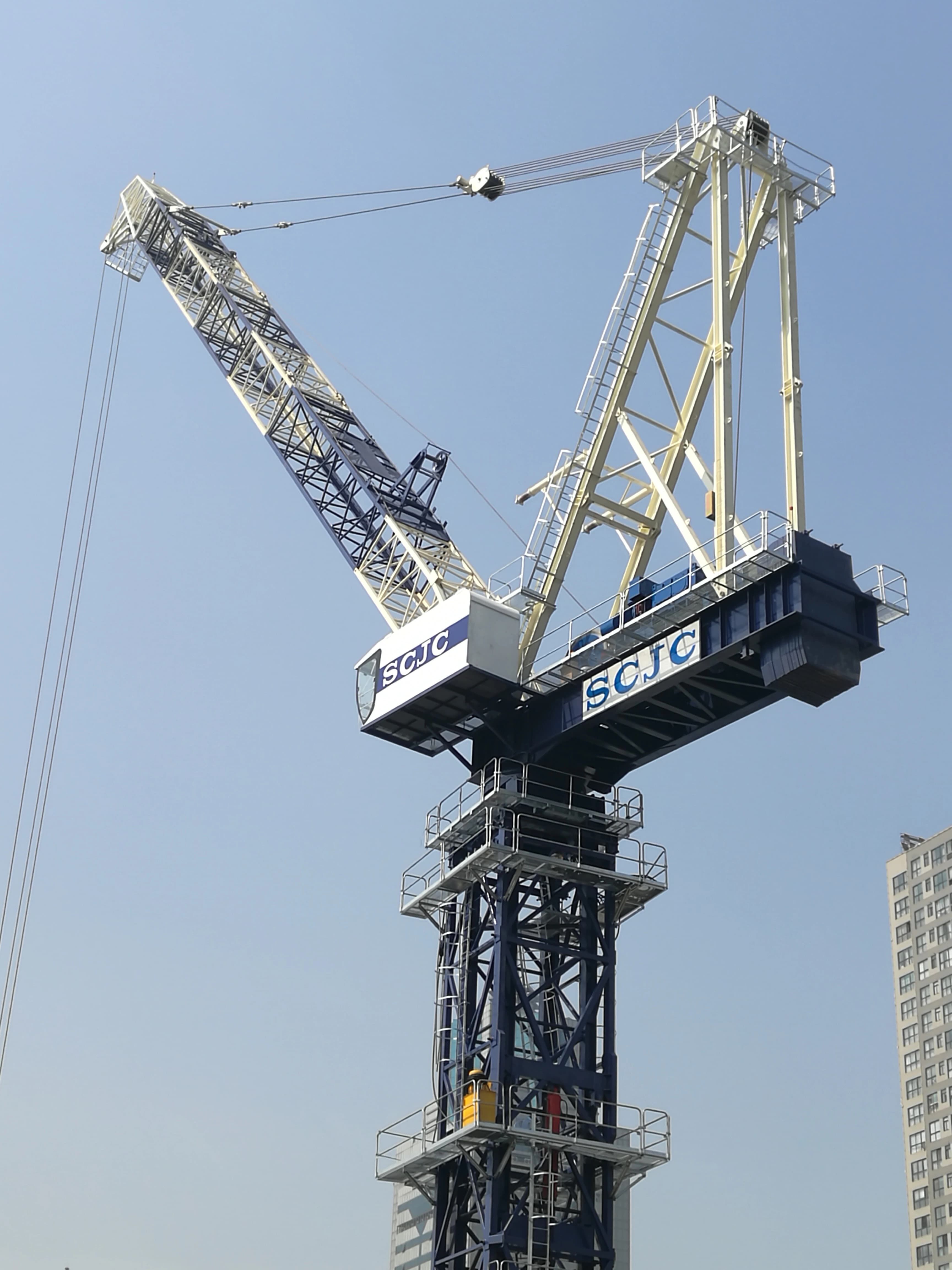
Understanding Flat Top Tower Cranes: Design, Benefits, and Industry Use
What Defines a Flat Top Tower Crane?
The flat top tower crane design gets rid of those big A-frames we see on older models, instead offering a much cleaner look with its horizontal jib and modular parts that can be swapped out as needed. What really sets these apart is their small head section which takes up less vertical space, making them ideal for tight spots where regular cranes just won't fit, especially around city skyscrapers. These newer versions aren't just compact though. They actually lift just as much weight as standard cranes now, and some heavy duty models can handle around 50 tons, which is way more than what was possible back in the day when this technology first came along.
Key Advantages of Flat Top Tower Crane Configurations
The new crane models cut down on assembly time roughly 30% when stacked against older setups because they eliminate those complicated pendant lines and all that extra structural bracing. What makes them really stand out is their modular design which lets crews install pieces bit by bit throughout different work areas. And since there's no need for overhead structures, workers face fewer collisions in tight job site conditions where space is at a premium. Field reports consistently mention better fuel economy too, mainly because the way loads are positioned just works better for the machines overall.
How Flat Top Cranes Enhance Construction Site Efficiency
Flat top crane setups let several machines work in areas where their ranges overlap, which means no spots get left untouched when moving materials around a site. According to a recent look at 120 different tall building projects in 2024, construction teams that used these types of cranes finished their work about 27 percent quicker because they could do groundwork while simultaneously working on higher floors. What really stands out is how these cranes can rotate all the way around 360 degrees, making it possible to place those big prefab parts accurately even when they weigh as much as 32 tons. This kind of flexibility saves time and headaches for project managers dealing with tight deadlines.
Flat Top vs. Traditional Tower Cranes: A Comparative Overview
| Feature | Flat Top Crane | Traditional Crane |
|---|---|---|
| Average Setup Time | 8-12 hours | 14-18 hours |
| Minimum Clearance | 23 ft | 38 ft |
| Maximum Reach | 260 ft | 220 ft |
| Ideal For | Multi-crane urban sites | Single-crane rural projects |
Flat top models provide 40% greater horizontal reach than conventional hammerhead cranes while maintaining equivalent stability at maximum extension.
Growing Industry Adoption of Flat Top Tower Cranes
52% of skyscraper contractors now prioritize flat top cranes for projects exceeding 40 stories, driven by their compatibility with automated concrete pumping systems. The global market for these cranes is projected to grow at 7.8% CAGR through 2030, with Asia-Pacific infrastructure projects accounting for 61% of recent orders (Heavy Equipment Trends Report, 2024).
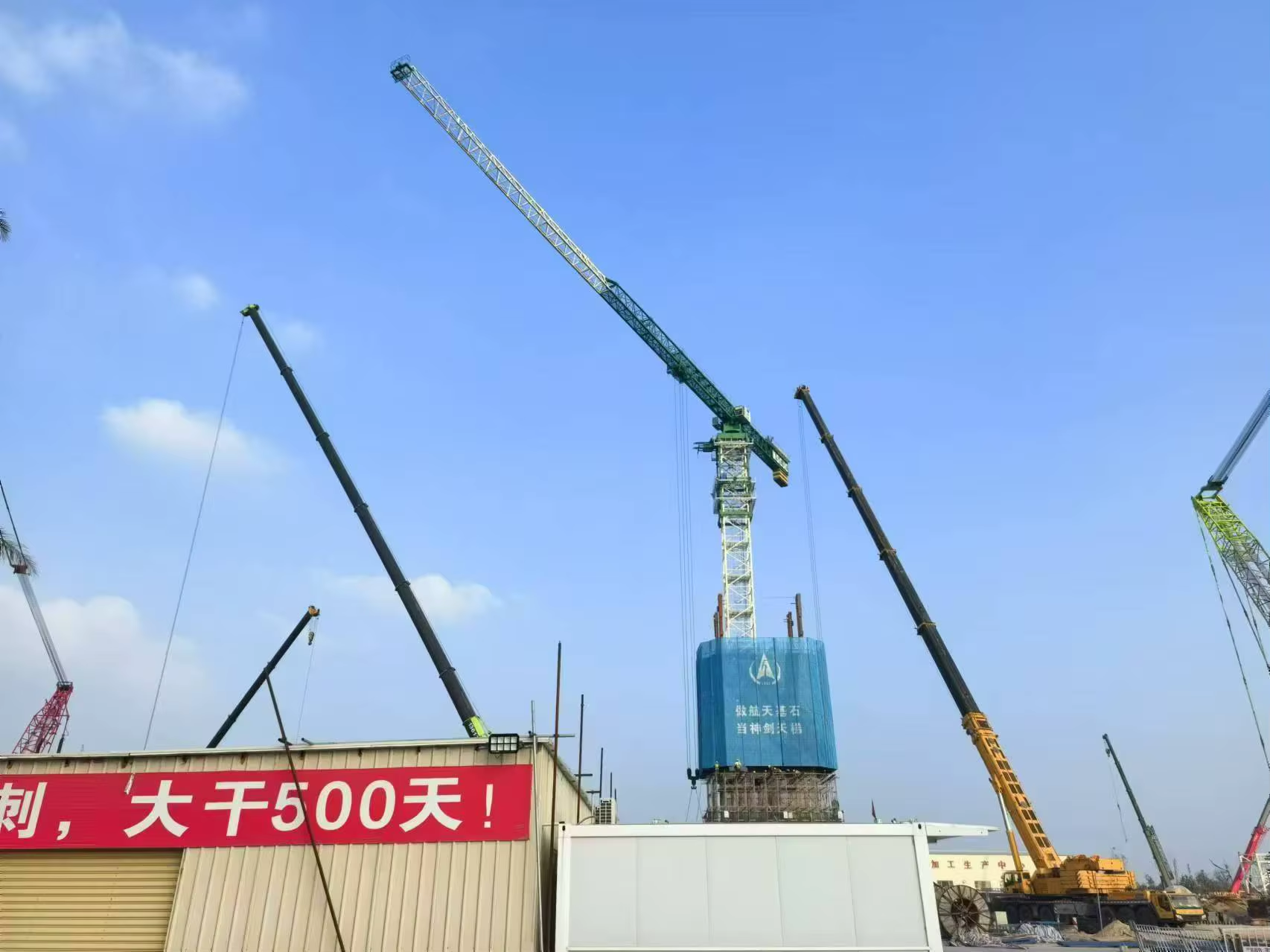
Major Types of Tower Cranes in Modern Construction
Self-Erecting Tower Cranes: Compact Solutions for Urban Projects
Self erecting tower cranes offer both portability and impressive lifting power, sometimes reaching up to 16 tons. These machines work really well in tight spaces where traditional cranes just won't fit, especially in crowded city construction zones. What sets them apart from regular flat top models is that they don't need special equipment for assembly. Instead, these cranes have built in hydraulics that let them unfold their own mast and jib sections without outside help. The smaller size means construction sites can make better use of limited space. Plus, they can reach out about 200 meters, which makes all the difference when building those high rise apartments or office buildings that keep popping up everywhere these days.
Luffing Jib Cranes and Their Niche Applications
Luffing jib cranes excel where overhead clearances or adjacent structures restrict vertical movement. By adjusting the jib angle between 30° and 80°, they achieve a smaller operational radius compared to hammerhead models. This precision makes them indispensable for:
- High-rise projects near airports with strict height limits
- Renovations in historic districts with protected skyline views
- Sites requiring shared airspace with flat top tower cranes
Hammerhead Cranes: The Classic Workhorse on High-Rise Sites
The hammerhead design continues to dominate the global tower crane market, appearing in around 62 percent of all high-rise construction according to the latest Global Construction Survey from 2024. These cranes feature a fixed horizontal arm that handles repeated heavy lifting tasks, typically carrying loads weighing up to 20 tons each time. The trolley running along this beam allows workers to position materials with incredible accuracy down to the millimeter level. Sure, they aren't as easy to assemble on site compared to those flat top models, but when it comes to big projects that take months or even years to complete like hospital constructions or large mixed use developments, nothing beats the proven reliability of traditional hammerhead cranes in keeping operations moving smoothly day after day.
Key Factors in Selecting the Right Tower Crane for Your Project
Site Space Constraints and Crane Type Compatibility
Construction sites in urban areas typically run into space issues, which means they need cranes that take up less room. The flat top tower crane works well for this situation because it doesn't have those big overhead arms that stick out so far. This design lets the crane sit much closer to neighboring structures without causing problems. We're seeing more projects in crowded metropolitan areas such as Manhattan and Shibuya going with this setup. They want to make the most of whatever space they can get while still following all the local building codes and restrictions that govern how close equipment can be placed near other properties.
Load Capacity Requirements Across Crane Models
A 2023 analysis revealed that mismatched load capacities contribute to over one-third of crane-related delays. Engineers must calculate peak lifting demands—including materials, personnel platforms, and safety margins—before selecting a model. Modular construction often requires capacities exceeding 20 tons, whereas steel-frame builds may emphasize precision over heavy lifting.
Height and Reach Considerations in Crane Deployment
The optimal crane balances vertical reach (typically 100–250 meters for skyscrapers) with horizontal coverage. A 60-meter jib radius serves most mid-rise residential sites effectively. Modern flat top models achieve 15% greater horizontal precision than traditional hammerhead cranes thanks to enhanced trolley control systems.
Integrating Flat Top Tower Cranes into Complex Urban Environments
These cranes address two key urban challenges:
- Airspace Restrictions: Their streamlined profiles comply with airport-adjacent height limits
- Tight Assembly: Modular components enable erection on sites as narrow as 30 square meters
A recent Berlin mixed-use development used flat top cranes to operate within 4 meters of historic landmarks, demonstrating their precision in sensitive environments.
Installation Process and Safety Protocols for Flat Top Tower Cranes
Step-by-Step Assembly of a Flat Top Tower Crane
Putting together a crane starts with pouring a solid concrete base that needs to hold anywhere from three to five times what the crane will actually weigh during operation. Trained professionals bolt down the main frame with those heavy duty anchors first, before stacking up the vertical sections which snap together through metal flanges. The long arm or jib gets built on flat ground where it's easier to handle, then lifted into place by smaller mobile cranes when ready. Last comes all the wiring for power, safety switches that stop overloading, plus those fancy collision detectors everyone insists on these days. This whole setup follows strict guidelines set out in ANSI/ASME B30.3 regulations so everything meets industry safety requirements.
FAQ Section
What is a flat top tower crane?
A flat top tower crane features a horizontal jib and modular design, eliminating bulky overhead A-frames for enhanced maneuverability in tight construction spaces.
How does a flat top crane improve site efficiency?
These cranes permit overlapping machine operation zones, allowing simultaneous ground and higher floor work, leading to faster project completion.
What are the main advantages of using a flat top tower crane?
Key benefits include reduced assembly time, a modular design for flexible installation, fewer collisions, and better fuel efficiency.
Can flat top cranes lift heavy loads?
Yes, flat top cranes can lift significant weights comparable to standard cranes, with some models handling loads up to 50 tons.