 EN
EN

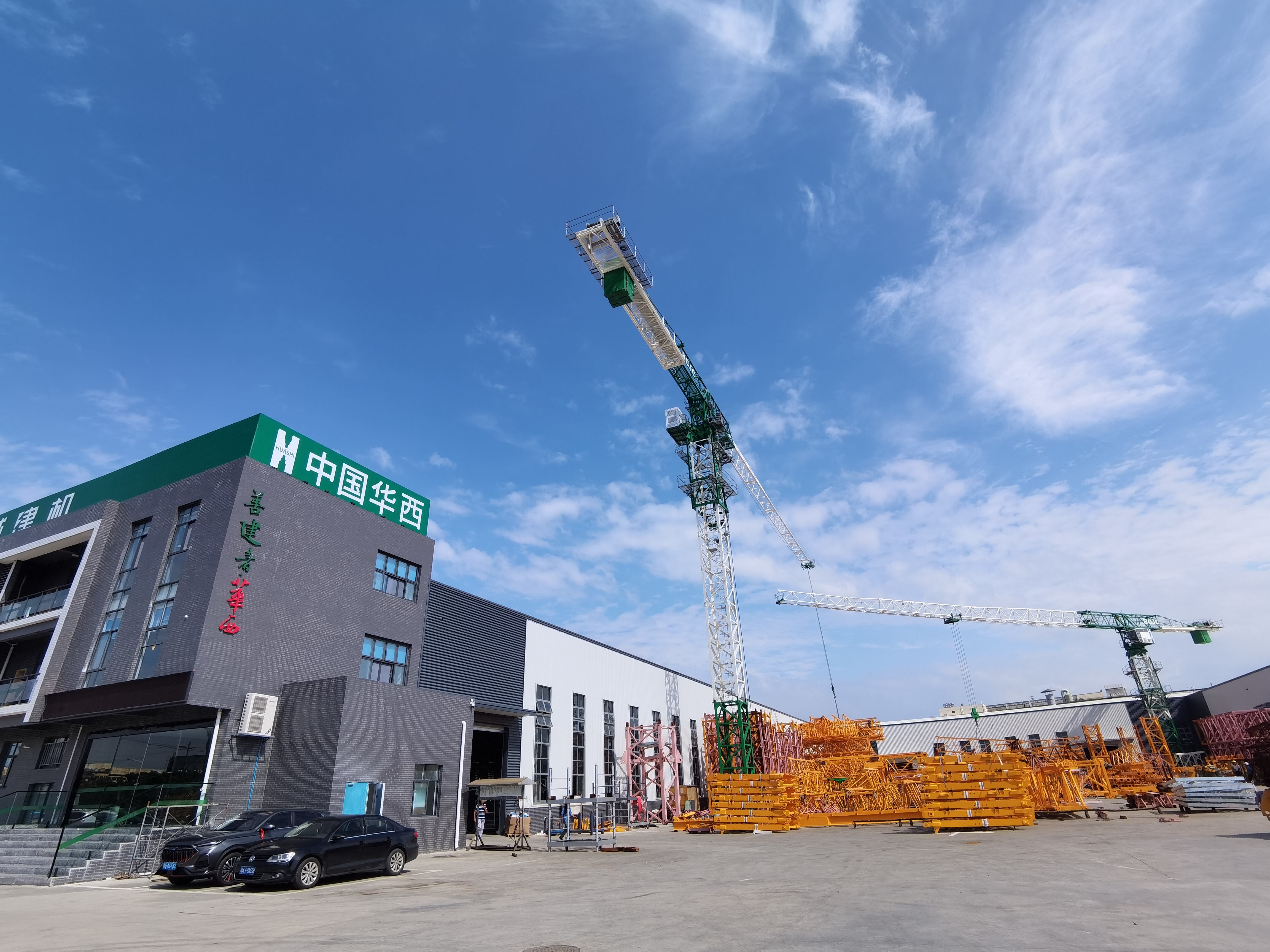
Flat Top Tower Crane Design: Structural Advantages and Urban Applications
Rise of the Flat Top Tower Crane in Urban Construction Environments
Flat top tower cranes are now a must-have for most urban construction sites, especially since around two thirds of contractors these days really care about getting their equipment to fit in tight spaces according to the Construction Tech Report from last year. What makes them different from those old fashioned A-frame designs? Well, they don't have that big jib sticking out at the top, so there's less stuff blocking the way vertically. This means builders can put multiple cranes much closer together when working on those complexes with several towers going up at once. The whole thing just takes up less room both in the air and on the ground, which matters a lot in crowded city areas where every square meter counts for something else.
Elimination of Jib Supports Enables Faster Assembly and Disassembly
Flat top cranes cut down on rigging work because they eliminate those pesky catheads and pendant lines, which can slash the number of components needed by around 40%. Crews generally get these units assembled about 30% quicker compared to regular cranes, which means less downtime during installations and saves money on labor costs too. With fewer parts to manage overall, there's less hassle when it comes to shipping everything to site and storing spare parts. This makes flat tops particularly good choice for city construction projects where schedules are packed and delays just aren't an option.
Reduced Wind Resistance and Improved Lifting Capacity in High-Density Areas
Flat top cranes don't have those overhead supports that catch so much wind, which cuts down wind load exposure around 25% when compared with luffing jib cranes. This makes them stand firm even when strong gusts blow through construction sites. And despite being lighter on wind resistance, these models still pack serious lifting power between 28 and 50 tons. What's really nice is they can keep working without issues even when winds hit 45 miles per hour. That means operations stay running smoothly at coastal locations or high elevation projects where sudden weather changes often bring work to a halt.
Mast and Base System: Ensuring Structural Stability and Load Distribution
Core Components: Base, Mast Sections, and Foundation Load Mechanics
At the heart of any crane sits the mast and base system, acting as the main support structure that carries all those weights from the jib and counterweights right down to ground level. Steel masts come in sections that snap together with bolts, which lets technicians adjust heights bit by bit when needed. The base itself is built strong, spreading out pressure onto concrete foundations through thick metal frames. Special anchor bolts keep everything planted firmly in place against sideways movement. What makes this whole setup work so well is how it balances flexibility with rigidity. The way loads get distributed evenly across the structure means cranes can handle thousands of lifts without losing stability over time, something manufacturers design for right from the start.
Structural Integrity of the Mast Under Dynamic and Compressive Loads
Data Insight: Mast Strength—Withstanding Up to 80 Tons of Compressive Force
Flat top tower crane masts today can handle compression forces between 80 and 100 tons thanks to advanced steel alloys such as S690QL. Field tests on skyscraper projects showed that these masts only bend less than 2 mm when loaded with 75 tons, which meets all requirements set by the ISO 4309 standard for safety. The extra strength built into these designs means operators can work safely even when winds reach around 45 miles per hour, something that happens quite often in coastal construction zones where cranes are commonly used.
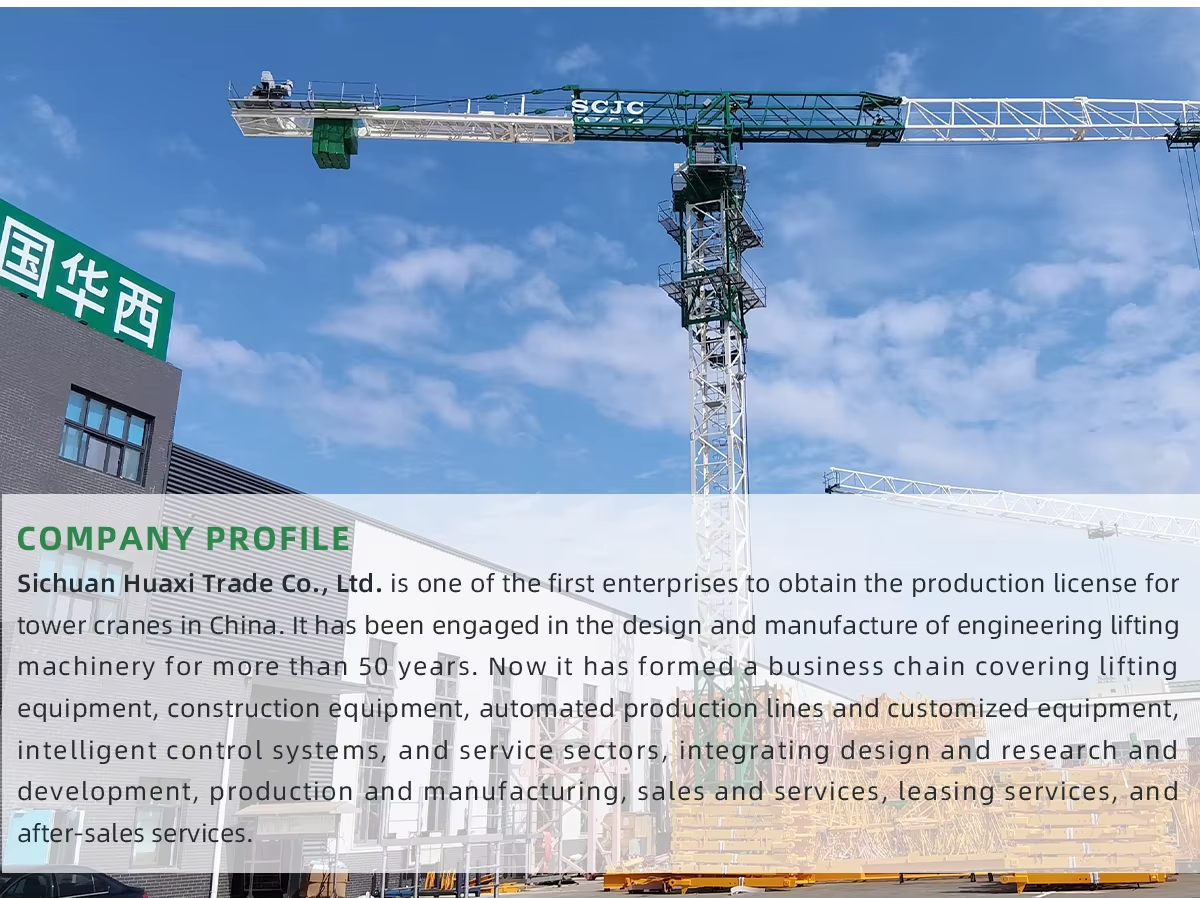
Slewing Unit and Rotation Mechanism: Precision Engineering for 360-Degree Operation
Slewing Mechanism Design for Smooth and Accurate Boom Rotation
Gear systems that are precision machined along with sealed roller bearings give around 0.01 degree rotational accuracy, which cuts down on radial runout when moving booms. Such tight control is what makes repeatable positioning possible for jobs needing real precision, like setting down those prefabricated wall panels or getting structural steel pieces perfectly aligned. What's more, these systems keep running at full capacity even when constantly loaded, something that matters a lot in high rise construction where downtime just isn't an option.
Turntable Function in Torque Transmission and Rotational Stability
At the heart of the system sits the turntable, which transfers around 4,500 kN·m of torque from the slewing motor via a tough alloy steel ring gear. The design incorporates advanced L-shaped rolling methods that spread contact over approximately 360 points throughout the surface. This innovation cuts down on wear significantly - about two thirds less than what we see with older flange style designs according to some recent studies published in the Journal of Manufacturing Processes. Manufacturers are finding these improvements make a real difference in long term maintenance costs and overall equipment lifespan.
Integration With Electrical Systems for Reliable Control and Power Delivery
Programmable logic controllers synchronize the 55 kW slewing motor with load moment indicators, enabling real-time torque modulation based on hook position and payload. This integration prevents cogging at low speeds (<0.5 RPM) and maintains stable 240V power delivery over 200+ hours of continuous operation.
Gear-Driven vs. Direct-Drive Slewing Systems: Performance and Maintenance Trade-Offs
Most installations still rely on gear driven systems because they last around 25 years before needing replacement and generally require less maintenance work over time. About 8 out of 10 setups go this route for those reasons alone. Direct drive options have made progress though. They get rid of backlash issues through permanent magnet motor technology, and tests according to IEC standards show emergency stops happen about 19 percent quicker compared to traditional methods. The catch? These direct drives cost roughly 60% more upfront and need special technicians for repairs. That's why we typically see them only in applications where positioning has to be accurate down to fractions of a millimeter.
FAQ
What define flat top tower cranes?
Flat top tower cranes distinguish themselves from traditional designs by lacking an A-frame top, allowing them to fit better in urban environments and closer together in tight construction sites.
What are the benefits of eliminating jib supports?
By removing jib supports, flat top tower cranes reduce rigging work, speed up assembly and disassembly times, cut down on component numbers and ultimately save labor costs.
How do flat top cranes withstand strong winds?
The absence of overhead supports greatly reduces wind load exposure by up to 25%, allowing them to operate smoothly even in winds up to 45 miles per hour.
What makes the mast and base system integral to crane design?
The mast and base system provides structural stability by distributing load pressure evenly, ensuring durability and safety across thousands of lifts and preventing lateral movement.
What makes slewing mechanisms important in crane function?
Slewing mechanisms offer precision engineering for smooth rotation, minimizing wear and ensuring exact positioning for complex high-rise constructions, while integrating control systems for optimal power delivery.