 EN
EN

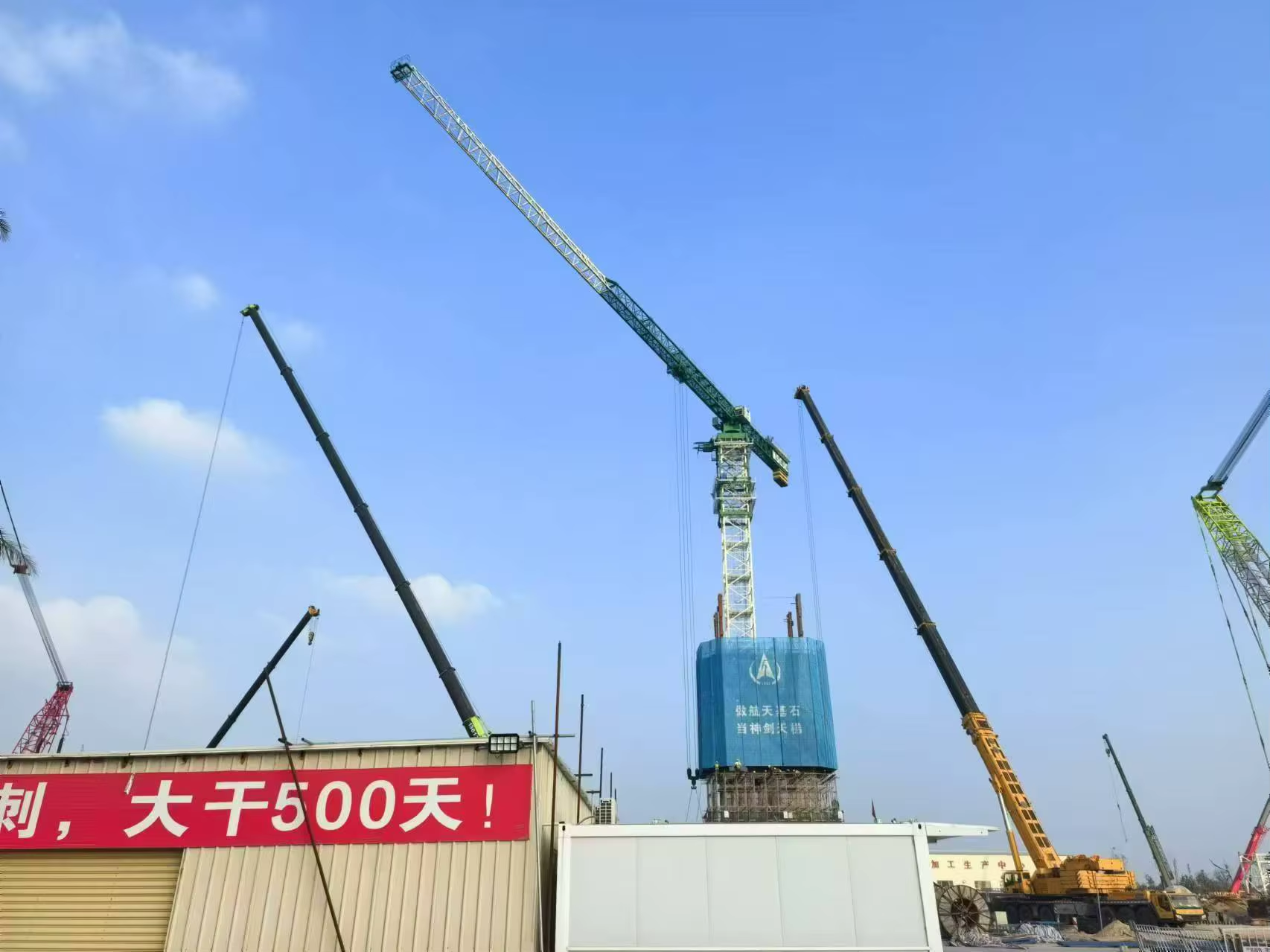
How Flat Top Tower Cranes Self-Erect: Components and Initial Setup
What Makes a Flat Top Tower Crane Self-Erecting?
The flat top tower crane can stand itself up thanks to those clever hydraulic systems built right in, plus their modular design makes everything easier. Traditional models need all sorts of extra machinery just to put them together, but these modern versions come ready to go in compact packages that fit nicely on transport trucks. When it comes time to set up, automated unfolding happens first, followed by remote control stabilization so the long arm (that's the jib) and main body (mast) swing into place using those powerful hydraulic rams. Electric motors handle both turning around and lifting heavy loads once everything is positioned correctly. Getting one fully operational usually takes somewhere between 28 to 48 hours after arrival at the job site, though weather and other factors on location will affect actual setup times according to Crane Safety Institute data from 2023.
Key Components in the Self-Erection Process of Tower Cranes
The self-erecting mechanism relies on four critical components:
- Hydraulic jacks — Raise and lock mast sections
- Slewing ring — Enables 360-degree rotation for precise load positioning
- Outrigger system — Distributes weight during setup and operation, reducing ground pressure by 60% compared to static bases (International Journal of Construction Engineering, 2022)
- Modular mast sections — Bolt together vertically with precision to support incremental height increases
Proper alignment of these elements ensures stability and operational safety during initial setup.
The Role of Hydraulic Jacking Systems in Tower Crane Ascent
How Hydraulic Jacking Systems Work in Tower Crane Climbing
The hydraulic jacking system works by turning pressurized fluid into vertical lifting power for the crane's upper part. What happens is that a power unit sends force through hydraulic cylinders which then push upwards, making room underneath where new mast sections can be added. These systems have pressure sensors along with safety valves built right in to keep things under control during the lifting process and stop any dangerous overloading situations. Looking at data from the Crane Safety Report released in 2022 shows something pretty important - around three quarters of all climbing failures happen because someone messed up the hydraulic pressure settings. That makes sense when we think about it since getting this part right really matters for safe operations.
Synchronization Between Jacking Units and Climbing Frames
Getting those hydraulic jacks and climbing frames working together just right helps prevent all sorts of structural problems down the line. These days most setups rely on PLCs, those fancy Programmable Logic Controllers, to keep track of several jacks at once. They need to stay pretty much spot on too, around plus or minus 5mm according to what the EN 14439:2023 guidelines say. Take a look at the European models for instance. Their climbing frames can handle these big 30 foot lifts through this three stage process with the jacks. Makes sense really when you think about it, because having everything move smoothly and steadily means safer tower extensions overall.
Maintenance and Load Monitoring in Hydraulic Systems
Keeping hydraulic systems properly maintained can cut down on failures by around 68%, according to OSHA data from 2023. Most technicians stick to checking things like oil quality every two weeks, along with looking at hoses for wear and making sure cylinder seals are intact. These little inspections make a big difference in preventing breakdowns. There's also this cool tech now where load sensors inside the equipment send out live readings so operators know when they're getting close to pushing past 85% of what the system was designed to handle. And let's not forget thermal imaging cameras either. They pick up heat spots long before anyone notices anything wrong, which means problems like pump overheating get caught early enough to stop them from turning into full blown leaks down the road.
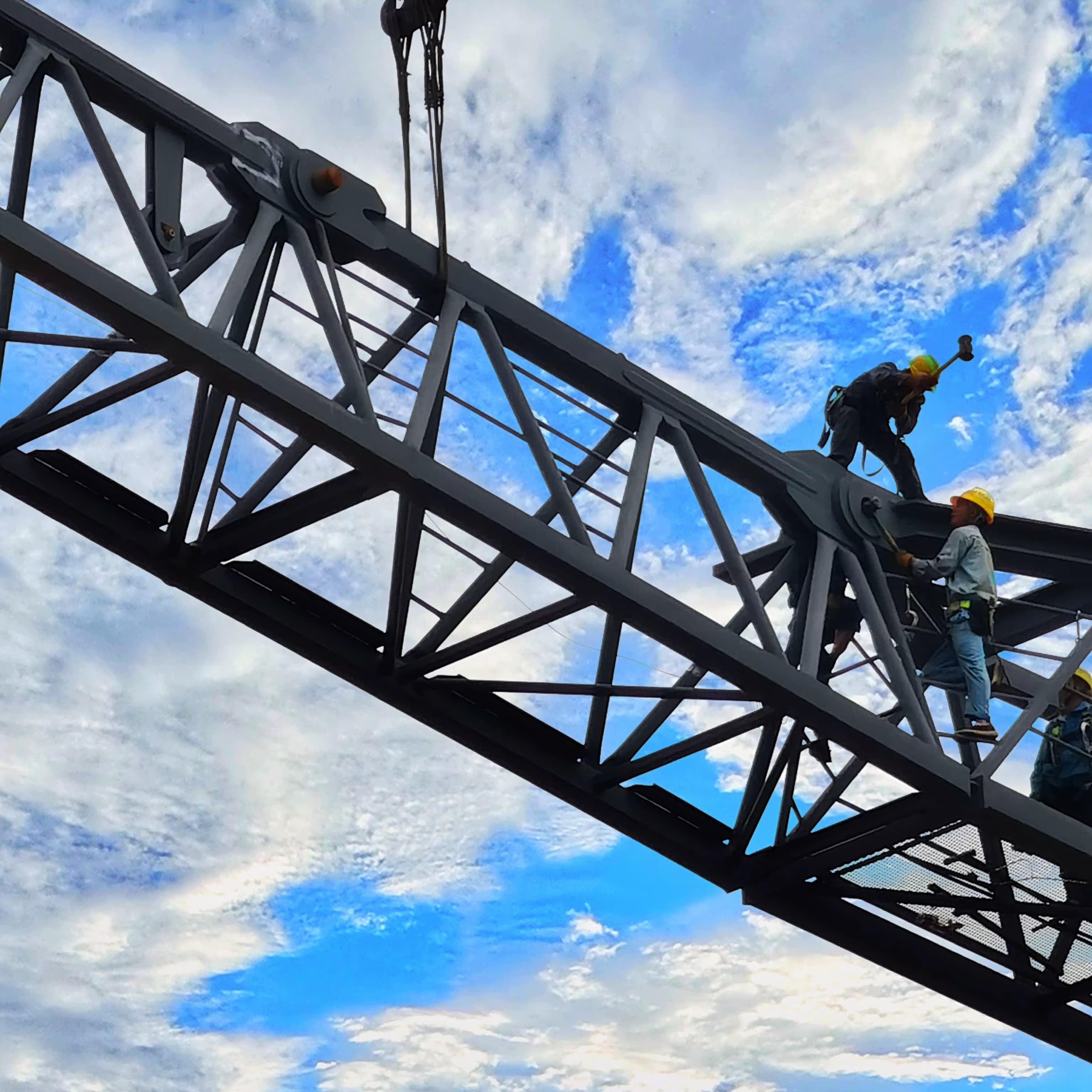
Climbing Frames and Mast Section Installation: Enabling Vertical Growth
How Climbing Frames Enable Height Extension of Flat Top Tower Cranes
Climbing frames act like temporary scaffolding when buildings grow upwards. These frames use hydraulic jacks working together to lift parts of the crane including the slewing unit, jib, and counter-jib. This lifting creates space where workers can add new sections to the mast. Every time this happens, the crane gets lifted around 20 to 30 feet higher, which is about 6 to 9 meters. This gradual raising keeps pace with how fast the building itself is going up, making sure everything stays aligned properly throughout construction.
Process of Adding Mast Sections During the Jumping Phase
- Lifting Phase: Hydraulic jacks elevate the upper structure.
- Section Insertion: A pre-assembled mast segment is slid into the gap using the crane’s hook or an auxiliary lift.
- Bolting: Workers secure the section with high-strength bolts (rated up to 10.9 grade) to maintain structural continuity.
- System Reset: The climbing frame retracts, transferring load to the extended mast.
Ensuring Stability and Alignment in Extended Tower Configurations
When working with extended setups, getting everything aligned just right becomes really important for keeping those sideways forces under control. Modern laser systems keep an eye on how straight things are, fixing even tiny wobbles down to about a tenth of an inch over 100 feet. The structural connections that attach to buildings roughly every 50 to 60 feet do a good job spreading out wind pressure from storms going up around 90 miles per hour, something the latest Tower Crane Stability Report from 2023 actually backs up. Checking the tightness of bolts regularly makes sure we meet OSHA standards which require at least three times the normal load capacity as a safety margin. This kind of maintenance isn't just paperwork compliance it's what keeps everyone safe on site.
FAQ
How long does it take to set up a flat top tower crane?
Typically, it takes between 28 to 48 hours to get a flat top tower crane fully operational at a job site, depending on weather and other site-specific factors.
What are the critical components involved in the self-erection of tower cranes?
Hydraulic jacks, slewing rings, outrigger systems, and modular mast sections are crucial components for self-erecting tower cranes.