 EN
EN

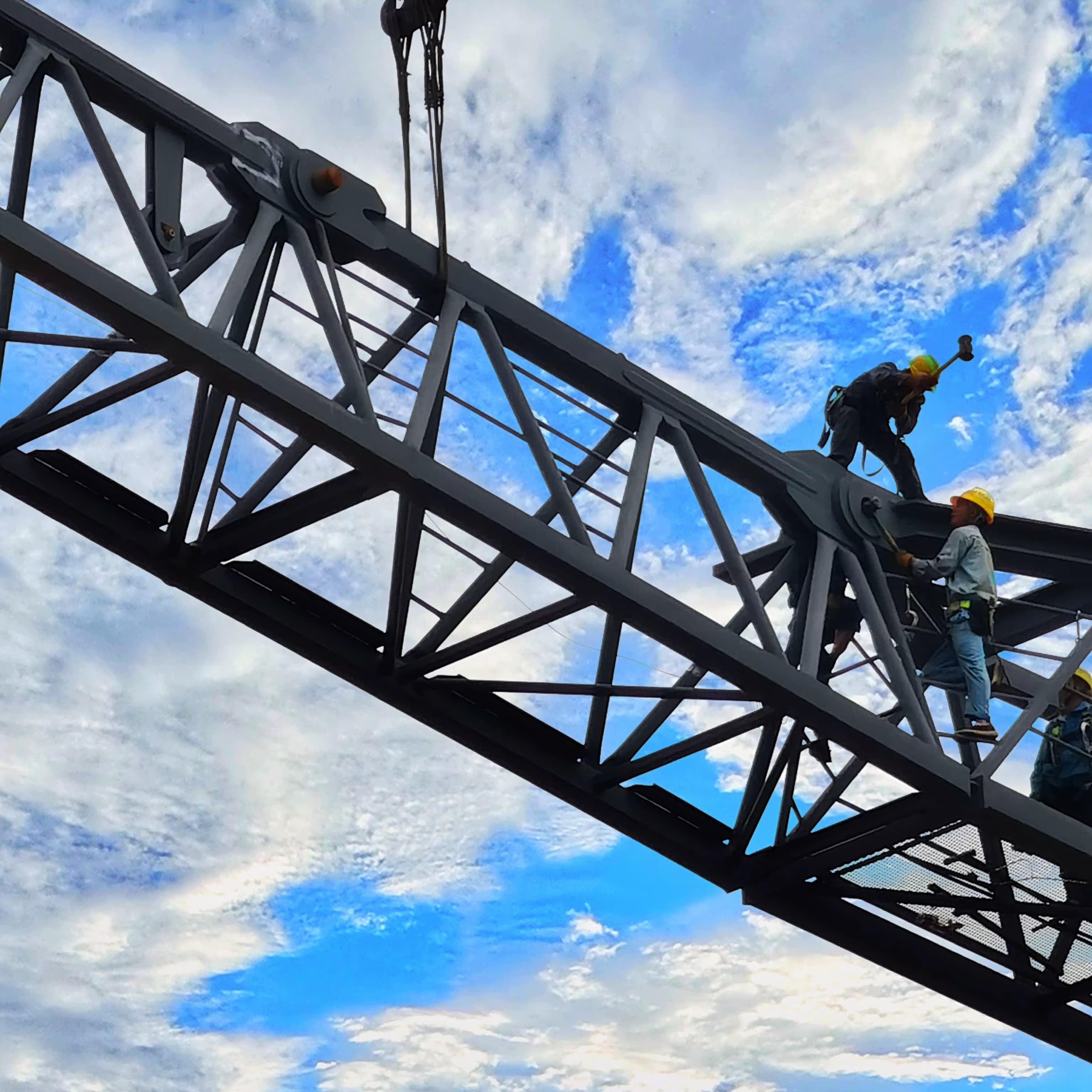
Core Components of Flat Top Tower Crane Safety Systems
Evolution of Safety Systems in Flat Top Tower Cranes
Safety systems for flat top tower cranes have come a long way since the days when everything relied on what operators could see and judge themselves. Back in the day, workers had to manage loads and keep track of where things were going based mostly on experience. These days though, regulations like EN 14439:2020 demand constant monitoring throughout operations. When companies started adding those digital load moment indicators along with proximity sensors around the turn of the century, it really changed the game. Accident rates dropped quite dramatically too - somewhere around 54% fewer incidents involving cranes happened between 2010 and 2022 compared to previous years.
Key Functions of Integrated Crane Safety Devices
Modern flat top tower cranes rely on three core safety components that work together to minimize human error during complex operations like high-rise steel beam placements:
- Limit Switches: Mechanically restrict trolley, hoist, and slew movements to prevent overtravel
- Load Moment Indicators (LMIs): Calculate safe lifting capacities using real-time radius and weight data
- Anti-Collision Systems: Use GPS and radar to maintain minimum clearance distances
These systems form an interdependent network that enhances operational precision and safety.
Fundamental Design of Load Limiting Systems in Modern Flat Top Cranes
Contemporary load limiting systems use strain gauges and pressure transducers calibrated to ±1.5% accuracy. When loads reach 90% of the crane's rated capacity, a two-stage response is triggered:
- Audible and visual alarms alert the operator
- Progressive hydraulic resistance engages in the hoist mechanism
This failsafe design ensures compliance with ISO 12485 while supporting smooth operation during demanding lifts. Built-in diagnostics detect sensor drift or wiring faults early, enabling predictive maintenance instead of reactive repairs.
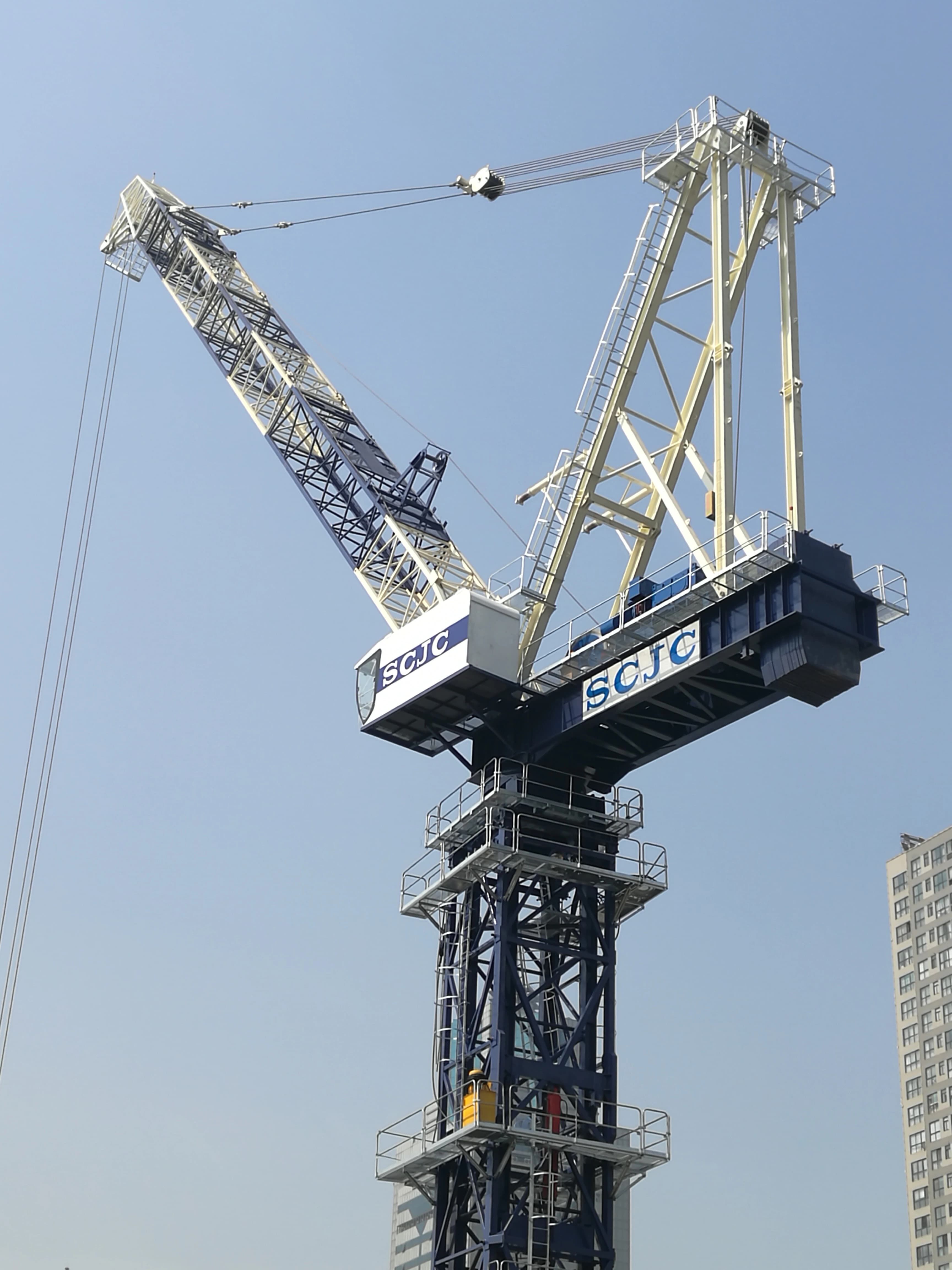
Load Moment Indicators and Limiters: Preventing Overload Risks in Dynamic Lifting
How LMIs Calculate Real-Time Lifting Capacity Based on Radius and Load
Load Moment Indicators, or LMIs for short, keep track of what's considered safe when operating cranes by looking at both how heavy the load is and how far out it sits from the crane's central point. These indicators work off a simple math equation where Load Moment equals Load multiplied by Radius. What this means practically is that if someone tries to lift a 10 ton object 30 meters away from the crane base, it puts three times as much strain on the equipment compared to lifting that same weight just 10 meters away. Some newer models go even further by factoring in things like current wind conditions and the actual angle of the boom itself while making these calculations on the fly. This extra layer of information helps operators avoid dangerous situations before they happen.
Role of Load Moment Limiters in High-Risk and Variable-Radius Operations
During asymmetrical lifts or operations near maximum reach, load moment limiters enhance safety by restricting hoisting or slewing when 85–95% of capacity is reached. On a 2023 bridge construction project, these systems prevented 12 potential overload incidents by locking trolley movement when operators attempted to exceed engineered limits.
Case Study: Overload Incident Averted by LMI on a Flat Top Tower Crane
Back in 2022, there was a close call at a high rise construction site in Dubai thanks to an LMI system kicking in when it mattered most. Workers were lifting those big precast concrete panels up to the upper floors but apparently forgot about how strong the winds had gotten that day. The Load Moment Indicator picked up something wrong during the turning process - specifically a 22% overload condition. Alarms started going off everywhere and suddenly the hoisting controls shut down completely. After looking into what happened, engineers determined this safety measure stopped a massive 170 ton crane from flipping over entirely while facing crosswinds blowing at around 40 kilometers per hour. Imagine what damage would have occurred if that hadn't been caught in time!
Integrating Safety Systems for Comprehensive Protection and Compliance
Synergy Between Limit Switches, LMIs, and Anti-Collision Technologies
Flat top tower cranes today are much safer thanks to all sorts of built-in protection systems working together. There's limit switches that stop things from going too far mechanically, load monitoring indicators (LMIs) that keep track of what weight is being handled at any given moment, plus those fancy anti-collision tech bits that use radar and GPS to know where everything else around them is located. All these different parts create sort of a full circle safety net around the operation. Take for instance when a crane gets close to lifting something heavier than it should. The LMI system will actually prevent movement until conditions improve. At the same time, the anti-collision tech might reroute how the trolley moves across the jib so it doesn't bump into nearby buildings or scaffolding. A recent report from the Institution of Mechanical Engineers back in 2023 showed that putting all these safety features together cuts down on accidents involving cranes by about two thirds at tall building construction sites.
Human Factors: Training, Alarm Response, and Operational Discipline
No matter how sophisticated the technology gets, it still comes down to what the operators know and do. According to the Crane Safety Report published in 2022, about one third of all safety issues happen because workers either don't respond fast enough to alarms or just plain misunderstand what the LMI data is showing them. Training these days isn't just theory anymore. Many companies have started using realistic simulations where trainees face dangerous situations head on. This helps them learn which alarms need immediate attention versus those that can wait. When doing maintenance work, operators need to show they understand when and how to use override functions properly. But there's always a catch - they also need to make sure not to disable any safety features that are currently active in the system.
Regulatory Standards and Compliance for Flat Top Tower Crane Safety Systems
Industry standards like ISO 12485 and OSHA 1926.1431 demand multiple safety layers when it comes to monitoring loads and preventing collisions. The rules actually specify that LMI strain gauges need checking every three months, while those pesky limit switches must be validated once a year within a tight ±2% margin. Companies prove they're following these guidelines through proper load test documentation and digital records that track everything. And interestingly enough, many regulatory bodies are starting to look at these compliance documents right from the cloud connections built into modern cranes themselves.
Future Trends: Smarter Integration and Predictive Safety Analytics
New AI systems are getting pretty good at looking at past load patterns and environmental factors to spot when components might start failing. These predictive tools actually catch signs of limit switch wear somewhere between 200 to 300 operating hours before something breaks down completely, which means maintenance teams can replace parts before they cause problems. Testing has shown that 5G powered anti collision tech cuts down on false alarms by about ninety percent thanks to better real time modeling of sites. Meanwhile those edge computing LMIs handle wind speed changes remarkably fast too, processing adjustments within just under half a second most of the time.
Frequently Asked Questions
What are limit switches in tower cranes?
Limit switches in tower cranes restrict trolley, hoist, and slew movements to prevent overtravel and ensure safe operation.
How do Load Moment Indicators (LMIs) enhance crane safety?
LMIs calculate safe lifting capacities using real-time radius and weight data, helping prevent overload and ensuring safe lifting operations.
What role do anti-collision systems play in crane operations?
Anti-collision systems use radar and GPS to maintain minimum clearance distances, enhancing spatial awareness and preventing collisions in congested areas.
Why is training important in crane safety operations?
Proper training ensures operators understand safety protocols, how to respond to alarms, and the correct usage of override functions during crane operations.