I. Significantly Enhancing Operational Safety to Protect Personnel and Materials
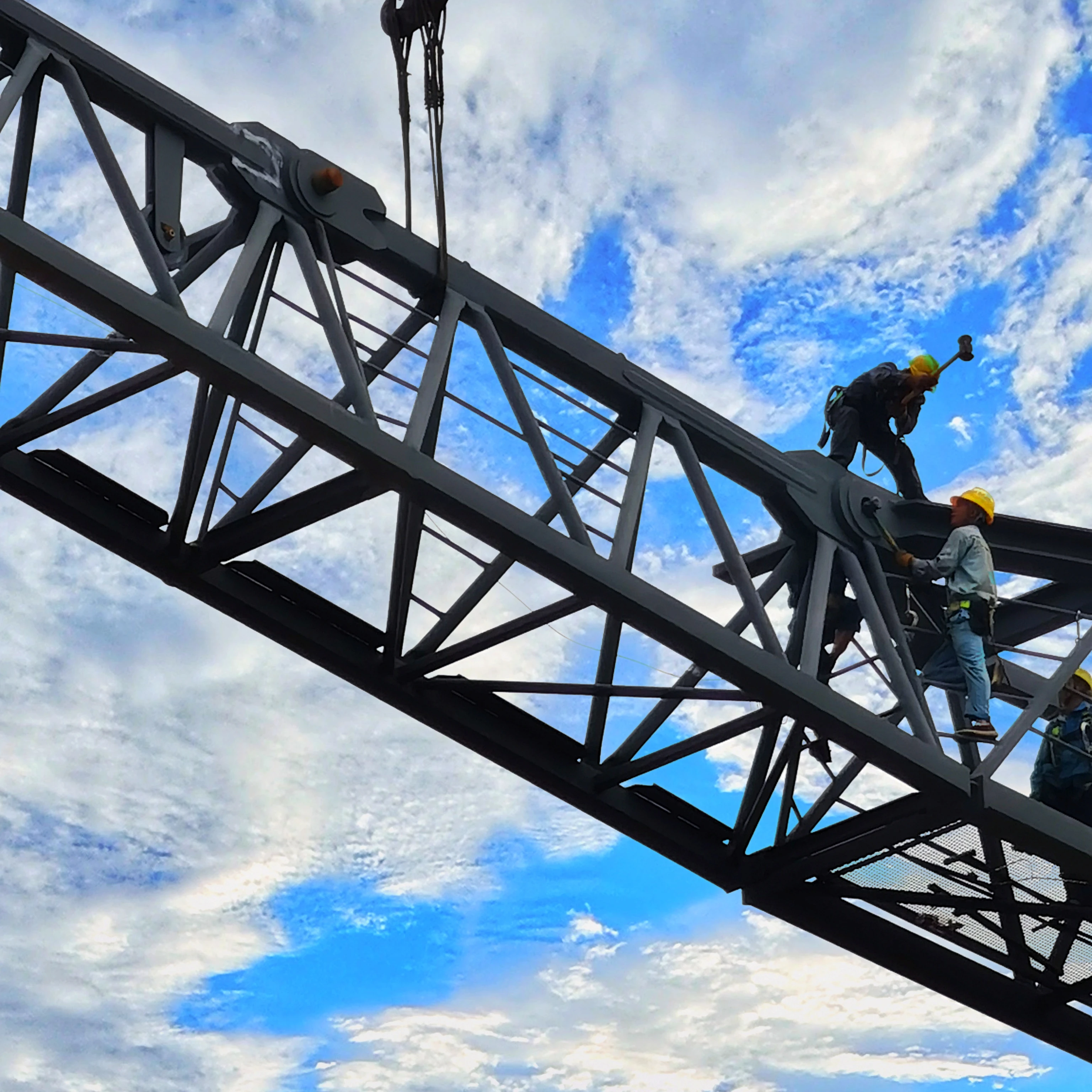
High-risk activities such as elevated work or heavy material handling on construction sites are often accompanied by significant hazards. The deployment of cranes directly addresses this core challenge. Through multiple safety features—including overload protection devices, emergency braking systems, and high-strength anti-disengagement hooks—cranes effectively prevent falls caused by improper manual handling or mechanical failures, directly reducing the likelihood of personnel injuries and material damage. Additionally, compliance with international safety standards (such as OSHA, HSE, and local construction codes) makes crane usage a fundamental requirement for site compliance, providing construction teams with a more reliable operating environment.
II. Significantly Enhancing Construction Efficiency and Overall Productivity
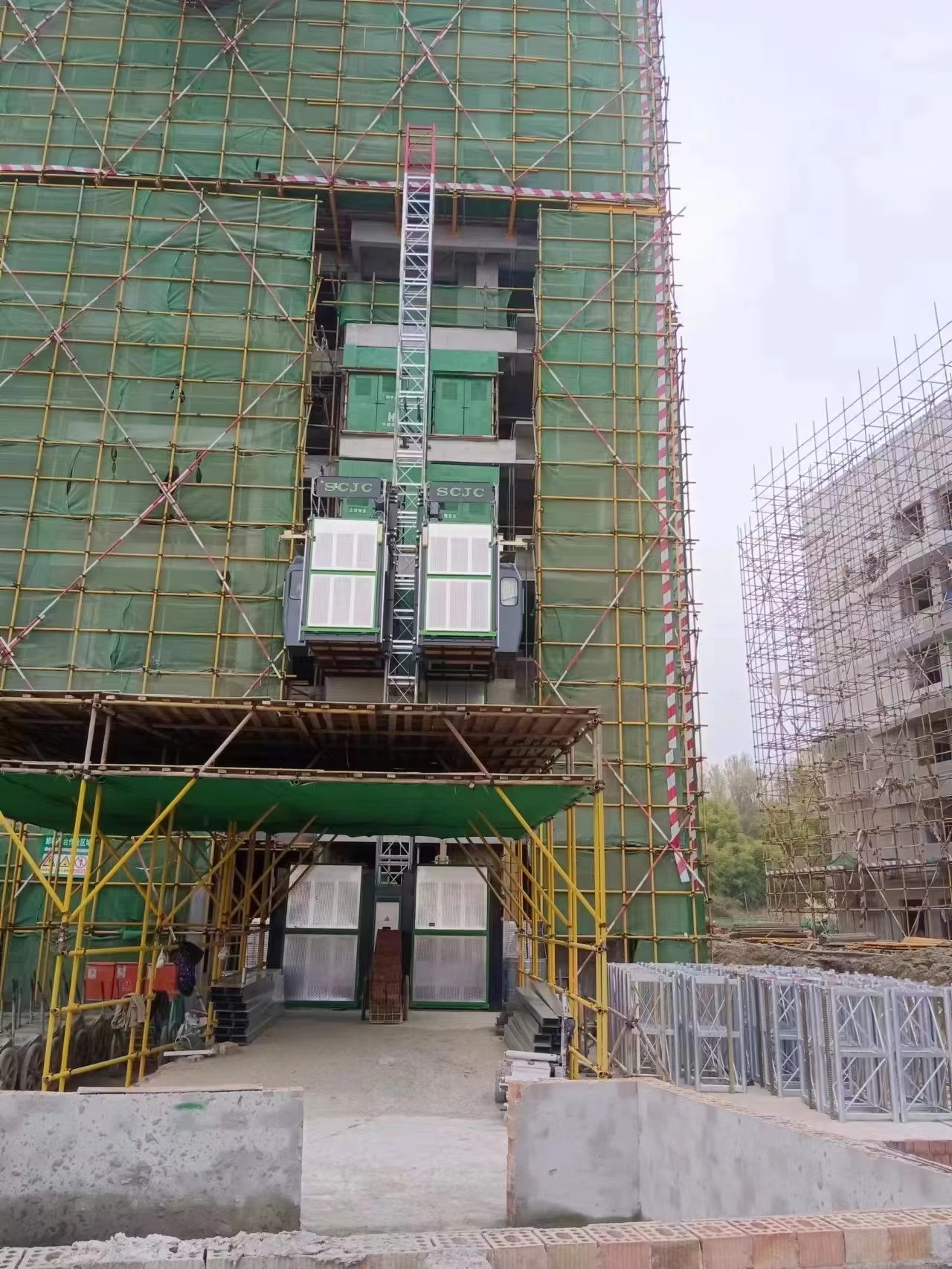
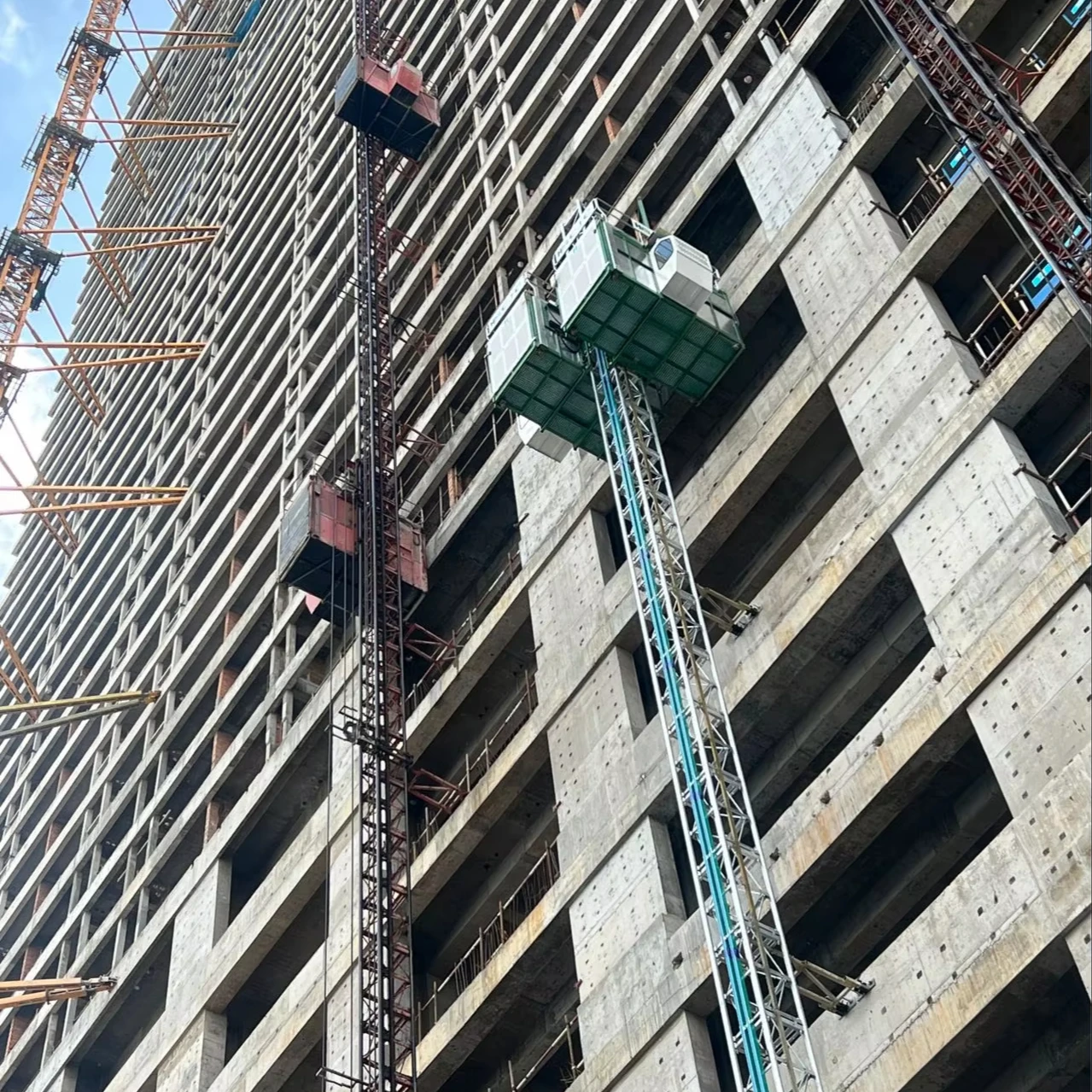
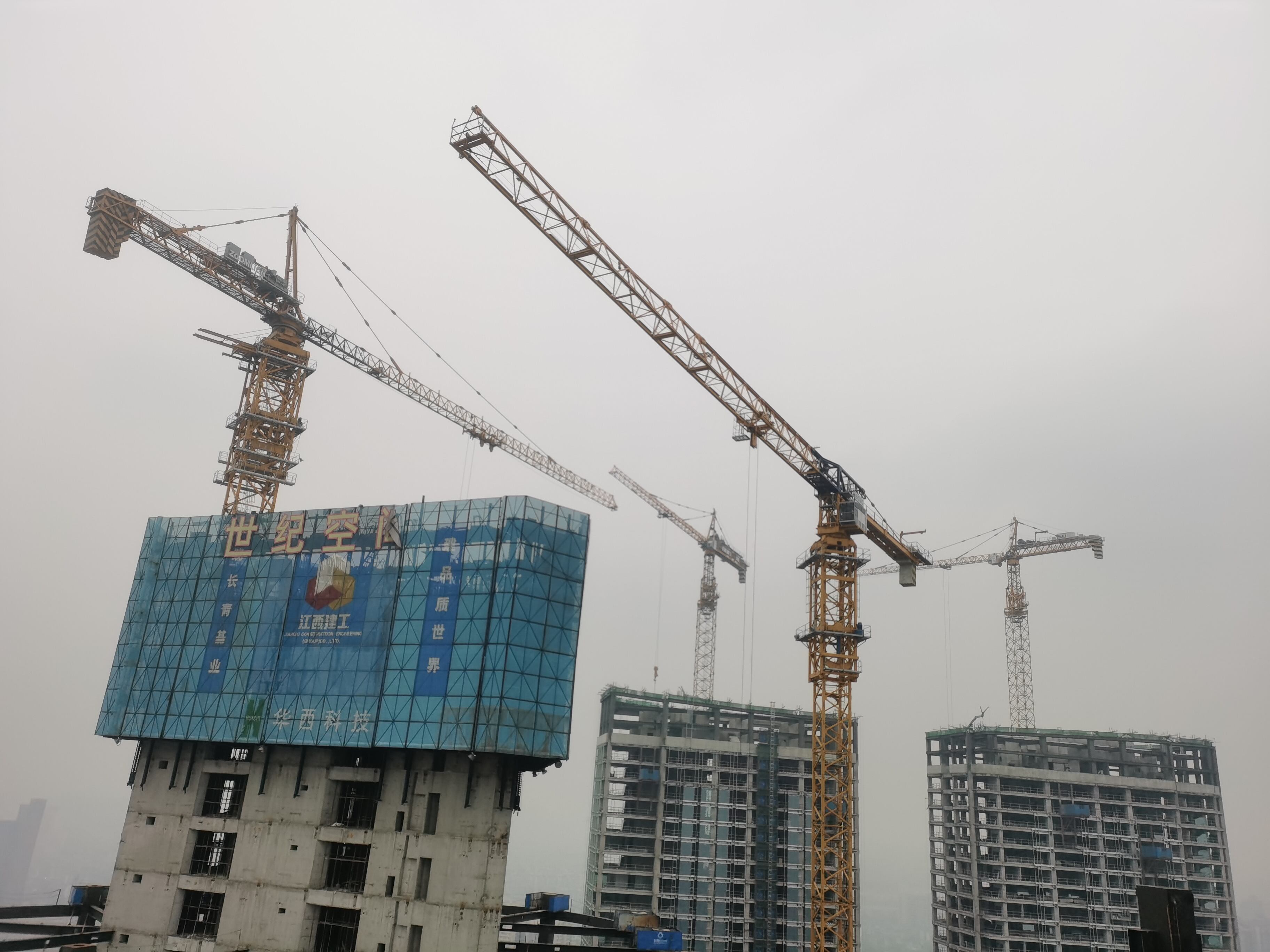
Traditional manual handling or inefficient hoisting methods often hinder project progress due to slow speeds and low precision. Cranes mechanize this process, significantly optimizing operations. Whether lifting steel bars, precast concrete components, or large-scale machinery requiring rapid transport, cranes achieve precise lifting, lowering, and positioning within short timeframes, directly reducing individual material handling cycles. Furthermore, their adaptability to confined spaces or elevated operations (such as core筒 areas in high-rise buildings) compensates for the limitations of large cranes in specific scenarios. This further reduces downtime caused by equipment scheduling difficulties, accelerating overall construction pace and enhancing team output efficiency.
III. Adapting to Diverse Construction Needs, Covering Full-Scene Applications
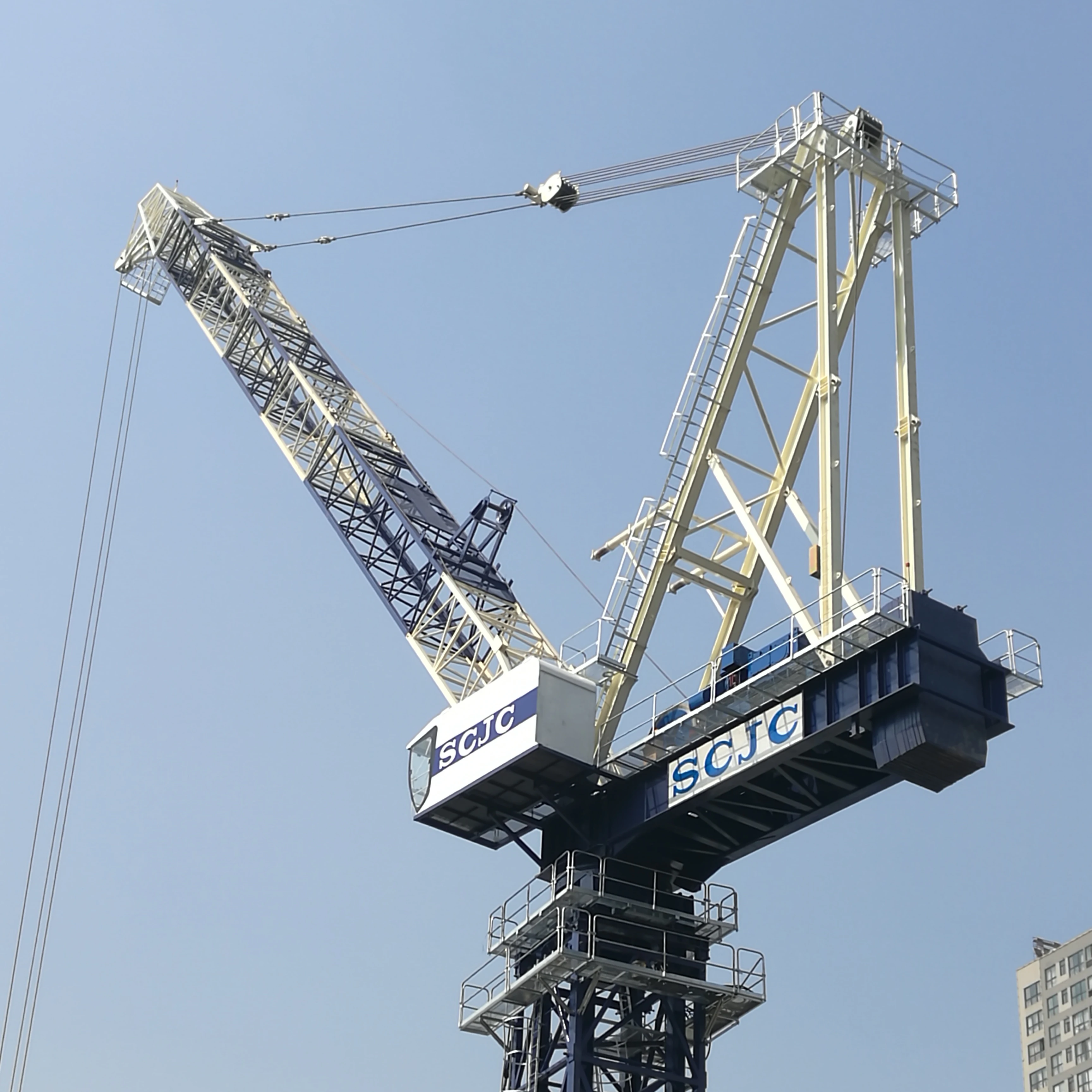
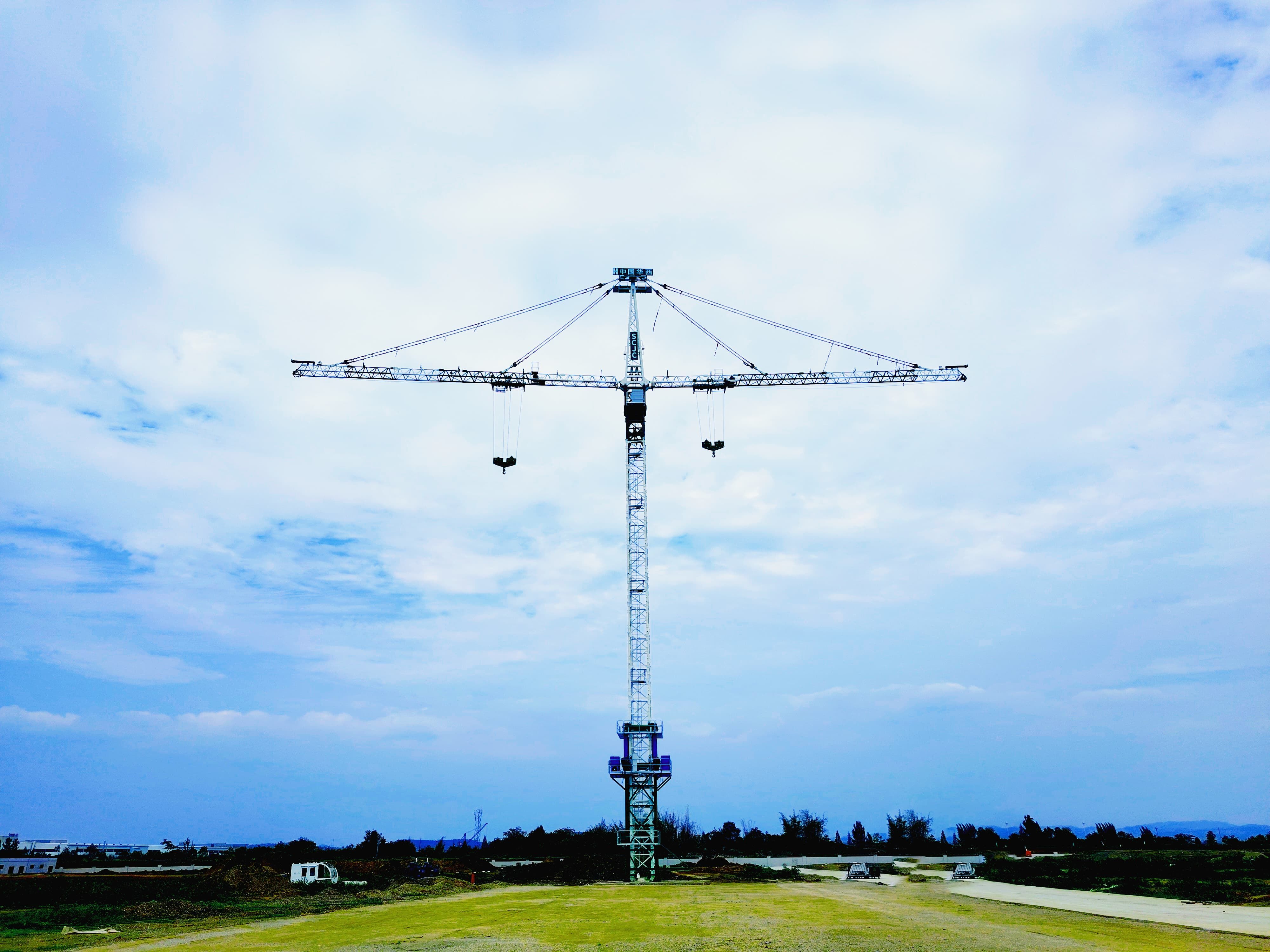
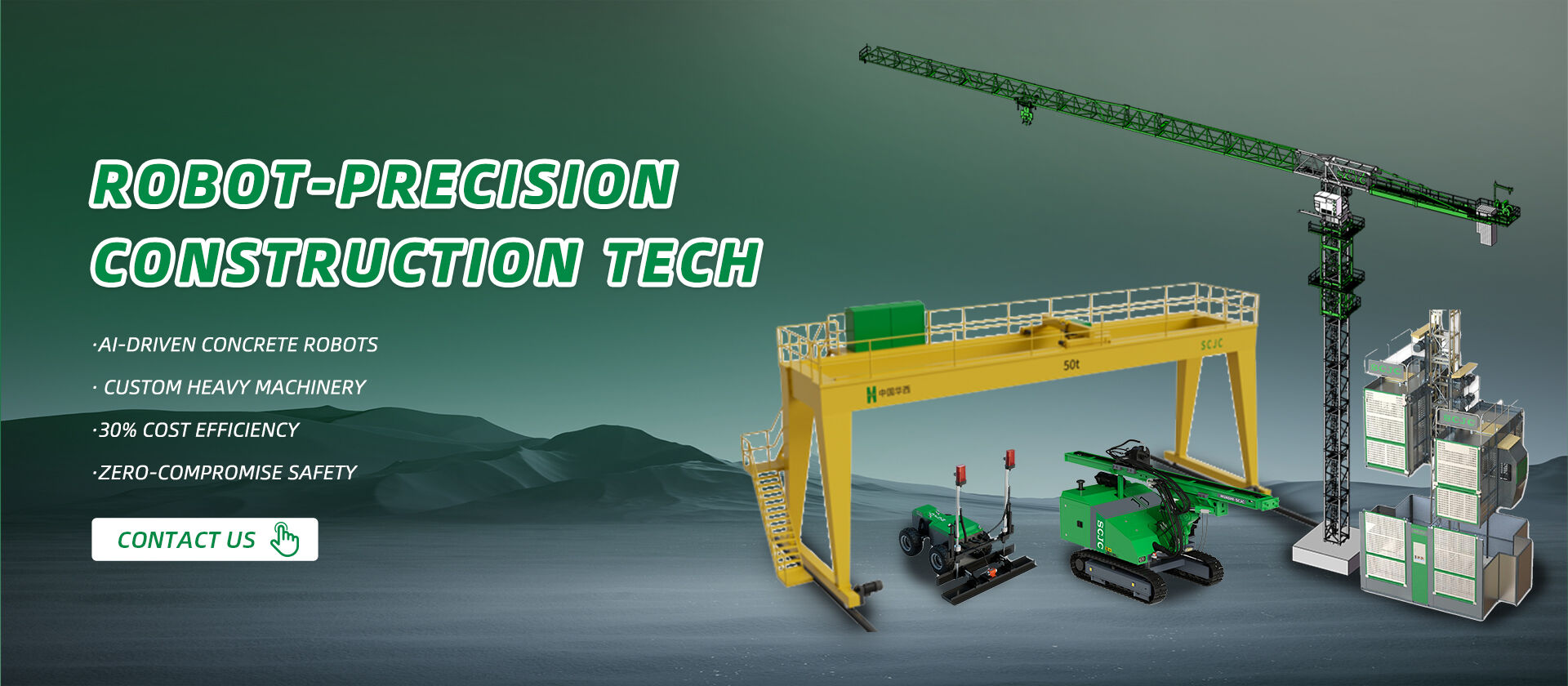
Construction projects exhibit significant diversity in requirements, and the variety of crane types precisely addresses this complexity. For instance, electric wire rope cranes, with their high-tonnage capacity and stability, are the preferred choice for main structural construction in high-rise buildings (such as steel beam hoisting). Chain hoists, with their compact structure and flexible operation, are better suited for precise lifting in narrow passages between equipment or small construction sites. while jib cranes and gantry cranes provide directional lifting support for workshop edges, warehouse peripheries, or confined areas, flexibly adapting to diverse scenarios from prefabricated component assembly to localized maintenance. This “on-demand matching” capability enables cranes to cover the entire construction lifecycle, from foundation work to finishing stages.
IV. Long-Term Cost Efficiency and Durability Advantages
From an economic perspective, cranes serve not only as short-term efficiency tools but also as key assets for long-term cost control. Constructed with high-strength steel and durable motors as core components, they exhibit resistance to wear and corrosion. With standardized maintenance, they maintain stable operation for years, significantly reducing equipment replacement frequency and maintenance costs. Simultaneously, automated hoisting functions replace extensive manual handling, reducing labor dependency and further cutting personnel expenses. For construction enterprises pursuing sustainable operations, certain electric models also feature energy-saving designs that lower energy consumption costs, optimizing overall operational expenses.
 EN
EN